REVIEW · CHIANG MAI
Chiang Mai: Local Northern Thai Cooking Class at Grandma’s
Book on GetYourGuide →Operated by Grandma's Home Cooking School · Bookable on GetYourGuide
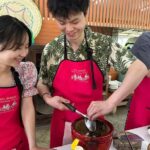
Northern cooking starts with the market. At Grandma’s Home Cooking School in Chiang Mai, you learn Lanna flavors by doing real prep work, from lighting a charcoal grill to grinding and grating ingredients the traditional way.
I love two things most: the market-to-meal flow (you learn what seasonings actually do, not just how to pronounce them), and the small-group feel that keeps things personal. One thing to consider: you start early, with pickup around 8:30–9:00am, so plan to trade some late mornings for a fun cooking day.
In This Review
- Key highlights worth planning for
- How the 6-hour Lanna class feels in real life
- The morning start: pickup, welcome snacks, and getting oriented
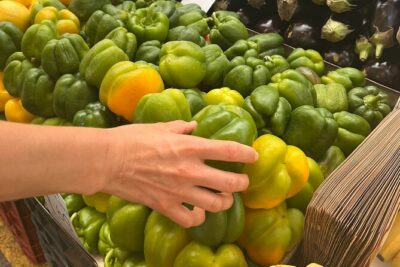
- The local market: where Northern Thai flavor actually starts
- Organic farm stop: herbs, vegetables, and eggs you collect yourself
- Cooking stations and group work: how the class keeps you on track
- Charcoal, stone milling, and coconut grating: the techniques you’ll remember
- Lighting and using a charcoal grill
- Traditional stone milling and stone-grater work
- Washing vegetables the practical way
- Lunch plus dessert: what you’ll eat, and why it matters
- Price and value: what you get for about $48
- Who should book this class (and who might not love it)
- Should you book Grandma’s Home Cooking School in Chiang Mai?
- FAQ
- How long is the Chiang Mai local Northern Thai cooking class at Grandma’s?
- What time is hotel pickup?
- What language are the instructors?
- What dishes will I learn to cook?
- Can the class accommodate dietary requirements?
- What should I bring, and what’s not allowed?
Key highlights worth planning for
- Market walk that turns ingredients into instructions you can use later
- Organic farm + herb picking tied directly to the dishes you’ll cook
- Hands-on technique training: charcoal lighting, vegetable washing, stone-milling, and coconut grating
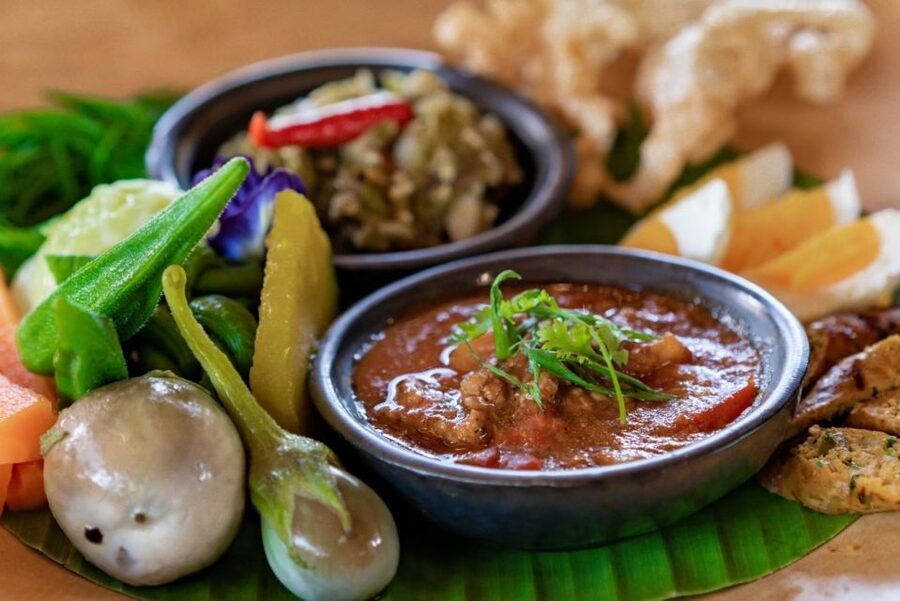
- True Northern Thai dishes like Nam Prik Ong/Num, Hang Lay curry, and a stuffed dough pyramid
- Dessert and refreshment session included, so the class feels like a full meal day
How the 6-hour Lanna class feels in real life
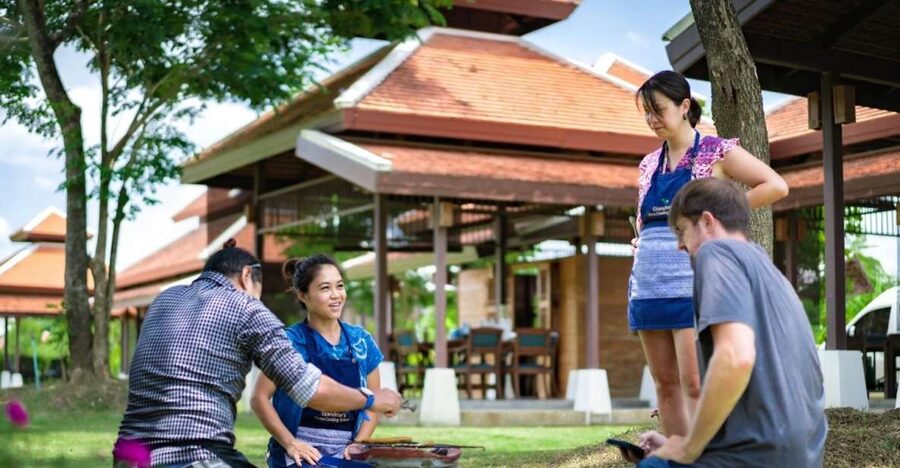
This is the kind of cooking class where you don’t just watch and then copy steps. You work through the day like a small team: learn what’s in front of you, prep it, cook it, and then eat it. The setting is Grandma’s Home Cooking School in Chiang Mai Province, and the whole course runs about 6 hours, starting with hotel pickup around 8:30–9:00am.
The format matters because Northern Thai food is built on balance: heat, saltiness, tang, and aromatic herbs. When you see ingredients in context at a market and then cook with the same flavors, things click fast. And because the class includes lunch plus dessert refreshment, you’re not left wondering if the meal is “worth it.” You get to taste what you make, then keep going with sweets.
A practical note: you’ll want comfortable shoes. You’ll be moving around enough that sandals aren’t ideal, and the day can be warm. Also, keep valuables to a minimum, since valuables aren’t allowed.
You can also read our reviews of more tours and experiences in Chiang Mai.
The morning start: pickup, welcome snacks, and getting oriented
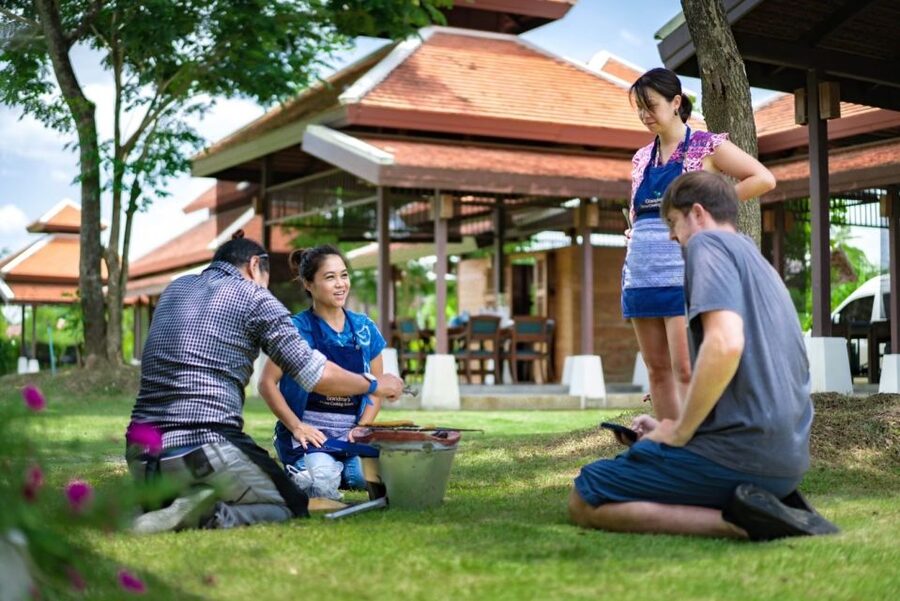
Your day begins with round-trip transfers from your hotel, with pickup around 8:30–9:00am. The key is timing: be ready at the lobby at 8:30am, so you don’t start your cooking day stressed.
When you arrive, there are welcome snacks and a refreshing drink. It’s a small thing, but it helps you settle in, especially before you start walking through market stalls and chopping vegetables. Then the guide and instructors get you oriented to what you’ll cook and how the work will flow.
What I like about this structure is that it keeps you from feeling lost. You’re not dumped into a kitchen and told to figure it out. You get guidance, and your group helps each other prep. In the class I’m reviewing, people also mention that portions are handled in a careful way, so you end up eating what you made rather than mixing up efforts.
If you prefer a class where you can sit quietly and watch, this is probably less your style. It’s hands-on, and that’s the point.
The local market: where Northern Thai flavor actually starts
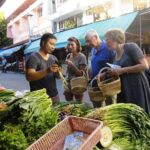
The market visit is one of the strongest parts of the day because it turns ingredients into knowledge you can reuse. Northern Thai cooking uses a lot of aromatics, chiles, and fermented or preserved flavor boosters. Seeing these things in the real place they’re sold makes it easier to understand why one sauce tastes different from another.
You’ll walk with instructors who explain key seasonings, and you learn what to look for as you plan flavor in your dishes. This is where you pick up the “why” behind the cooking, not just the “how.” For example, when you later make Nam Prik Ong or Nam Prik Num, the chili and the way it’s seasoned matter as much as the recipe name. Market context helps you notice those differences.
Another nice detail: this market stop is part of a larger plan. It’s not a random detour. The ingredients you study are connected to the dishes later in the class, so you’re preparing for cooking while learning.
Organic farm stop: herbs, vegetables, and eggs you collect yourself
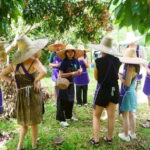
After the market, the day moves to a more grounded food source: an organic farm. Here, you’ll see Thai herbs and vegetables up close and learn how they’re used in Northern Thai cooking.
This farm stop does two jobs at once. First, it makes you pay attention to freshness and how herbs smell when they’re still attached to the plant. Second, it sets up the next step: you’re not only cooking ingredients, you’re cooking with a sense of origin. That matters with herbs, since the flavor can change fast when ingredients are dried or replaced with something different.
You’ll also visit a chicken coop to collect eggs. It’s a quick moment, but it adds to the hands-on feeling and makes the meal feel more real. And since your cooking includes dishes that rely on eggs and savory components, it’s not just a cute photo stop.
The farm portion is especially good if you like learning through doing. You’ll be picking and learning about what you’ll use, and then you’ll carry that into the kitchen work.
Cooking stations and group work: how the class keeps you on track
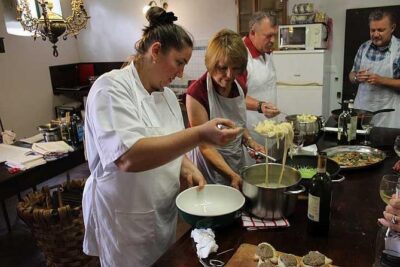
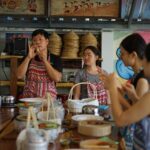
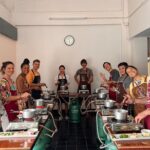
Once you’re back at the cooking area, the class becomes a coordinated workshop. You’ll prepare dishes with guidance from English-speaking instructors, and you’ll work with other participants to get everything moving.
One of the most praised elements is how carefully the class seems to handle portioning and outcomes. People note that even in small groups, your work ends up in your own portion. That reduces the usual cooking-class stress where it feels like everyone’s food blends together and you’re left unsure what you actually made.
You’ll also learn basic kitchen actions tied to traditional technique, not just recipe steps. That includes washing vegetables, learning how to light a charcoal grill, and preparing items the old-fashioned way. If you’ve never cooked with charcoal, this is genuinely useful. It’s one of those skills that helps you understand heat control, not just memorize a recipe.
Food you cook includes classic Northern dishes such as:
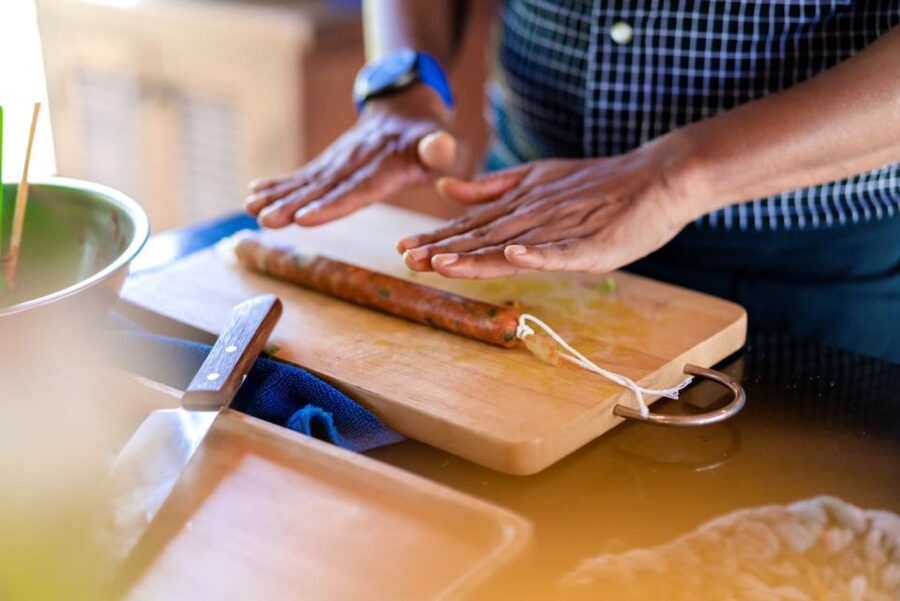
- Northern Thai Sausage
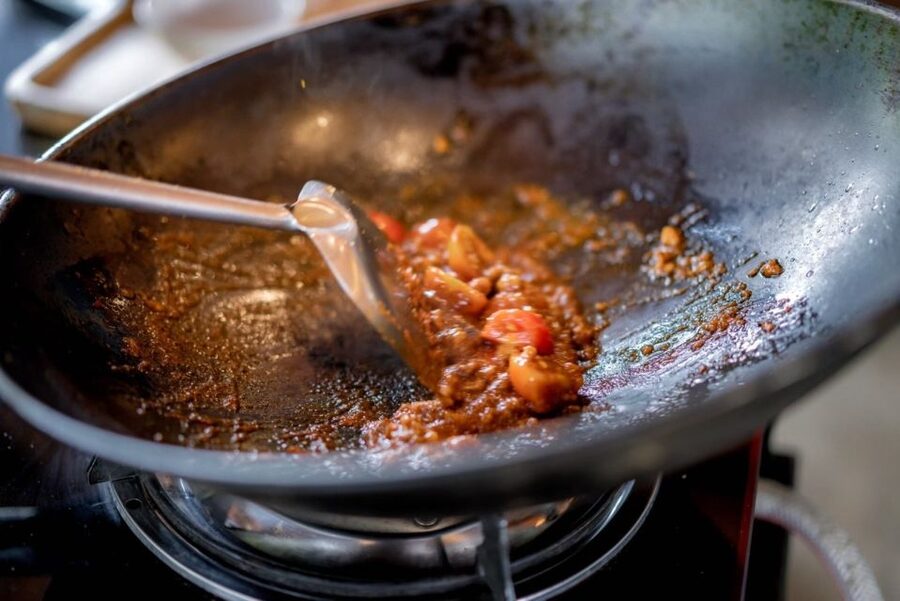
- Nam Prik Ong (spicy Northern Thai pork and tomato) or Nam Prik Num (Northern Thai green chili dip)
- Stuffed dough pyramid (Ka Nhom Tian or Kanomjok)
- Northern Pork Belly Curry (Hang Lay curry)
- Curry young jackfruit (Kraeng Khanun-on)
- Plus Thai coconut pancakes (made using traditional steps)
Some menus also include a dish like grilled egg in banana leaf, since the class is described as covering a set of Northern Thai dishes. Either way, the day is built around savory mains and sauces that showcase the region’s flavors.
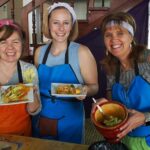
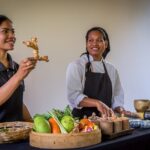
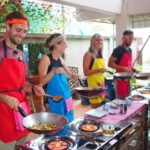

Charcoal, stone milling, and coconut grating: the techniques you’ll remember
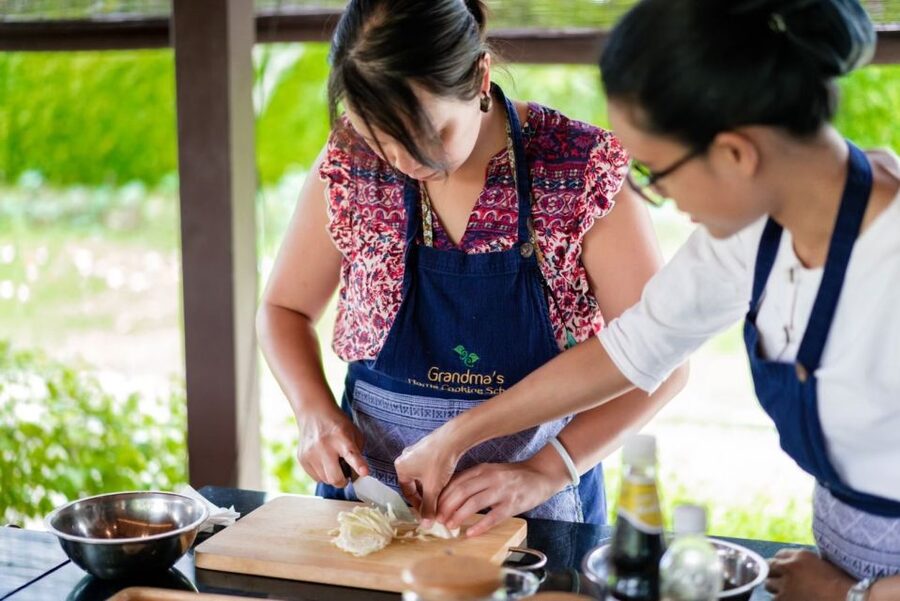
This class earns its reputation through technique. It’s not just “mix ingredients.” You learn methods that shape texture and flavor.
Lighting and using a charcoal grill
You’ll learn how to light a charcoal grill. That sounds simple until you do it and realize it changes how food cooks. Charcoal heat is direct and intense, so you learn pacing: get things ready, then manage the fire level. It’s the kind of skill you can actually practice later if you have the chance.
Traditional stone milling and stone-grater work
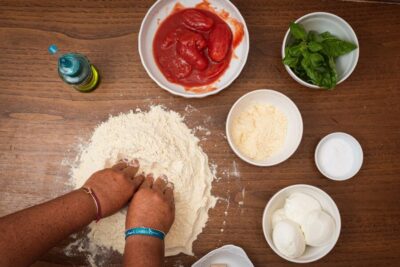
One of the most memorable parts is learning to mill flour using a traditional millstone and grate coconut meat using a coconut grater. These steps can feel old-school, but they teach you how effort translates to consistency. When you grind or grate a certain way, the texture changes, and that affects the final dish.
For Thailand-focused cooking, coconut handling is a big deal. How fine or coarse it is can change thickness and mouthfeel, especially for pancake-style preparations like Thai coconut pancakes. Even if you never replicate the exact tool at home, you’ll carry the texture lesson forward.
Washing vegetables the practical way
You’ll also learn vegetable washing as part of prep. It sounds basic, but it’s the kind of routine you’ll appreciate later when you’re cooking on your own and trying to keep flavors clean.
If you’re the type who wants a cooking class to be “useful,” these techniques are the reason to book.
Lunch plus dessert: what you’ll eat, and why it matters
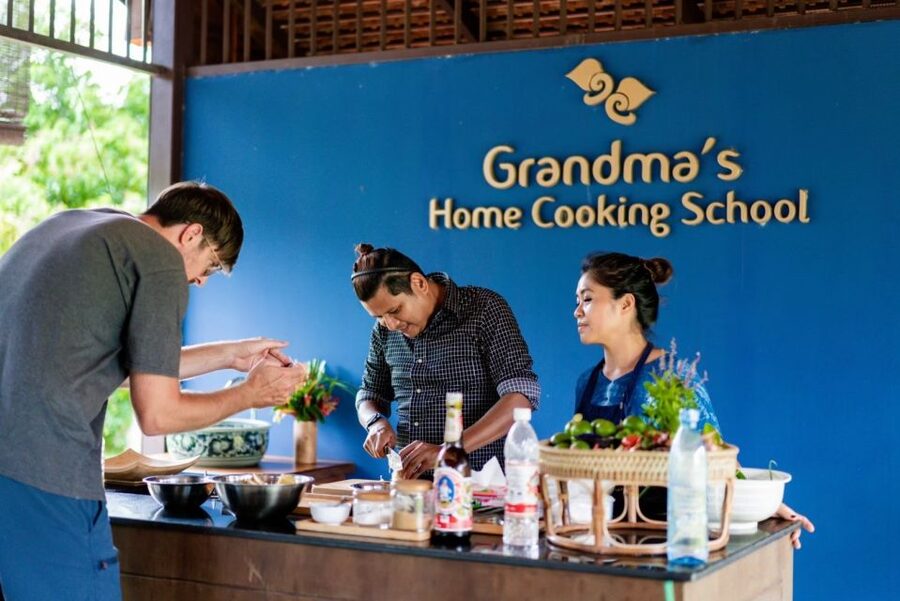
This is a full day of food, not a quick sample. You’ll enjoy a lunch break to taste what you cooked. That matters because a lot of cooking classes stop at the making stage. Here, you get feedback from your own plate. You learn what tastes right, what needs balance, and how sauces and herbs interact on the tongue.
Then you move into dessert. The day includes a dessert session with traditional Thai desserts and refreshments. For me, dessert is where Thai cooking shows off its softer side: coconut, sweetness balanced with salt, and that “one more bite” feeling that keeps you trying different flavors instead of stopping after one course.
If you’re curious about Northern Thai meals specifically, this dessert portion is also useful because it shows how regional ingredients and flavors carry into sweets, not just savory dishes.
Price and value: what you get for about $48
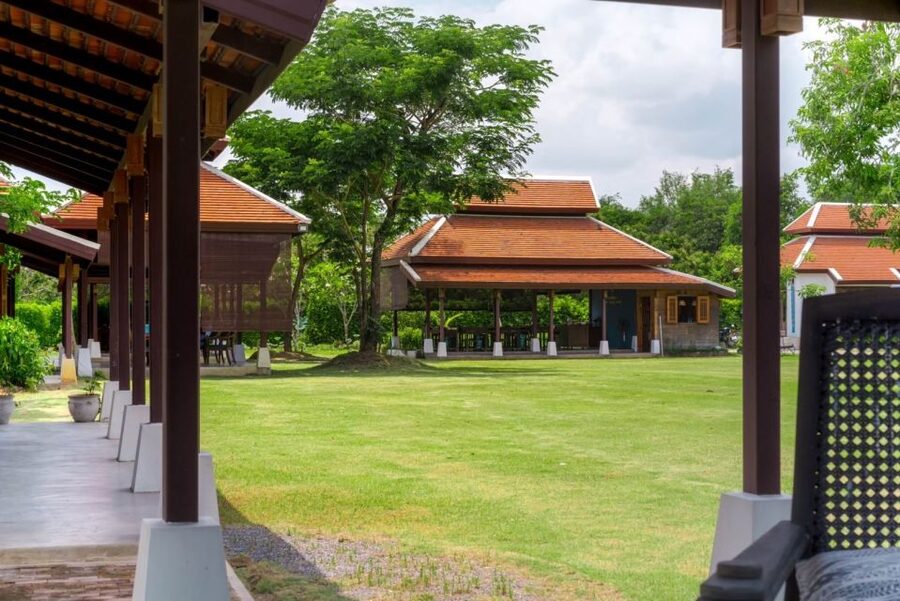
At about $48 per person for a 6-hour experience, the value depends on what you care about: recipes alone versus full cultural food context.
What’s included is the key. You get:
- Hands-on cooking instruction from English-speaking instructors
- A market visit for ingredients and seasonings
- An organic farm tour tied to herbs and vegetables
- Chicken coop eggs
- Lunch plus dessert and refreshments
- A recipe book (downloadable as an e-recipe book)
- Round-trip transfers from your hotel
That’s a lot of time, food, and guidance for the money. If you’ve paid for classes where you only cook a dish or two and barely get ingredient context, this one feels like the more complete package. Also, small group experiences often land better because you get more attention, and this class seems to attract groups that are small enough for the guide to manage closely.
One consideration: if you’re purely looking for a quick “try Thai food” experience without walking, grinding, grating, and charcoal prep, you might feel the effort is more than you expected. But if you want to learn real technique, the price starts to make sense quickly.
Who should book this class (and who might not love it)
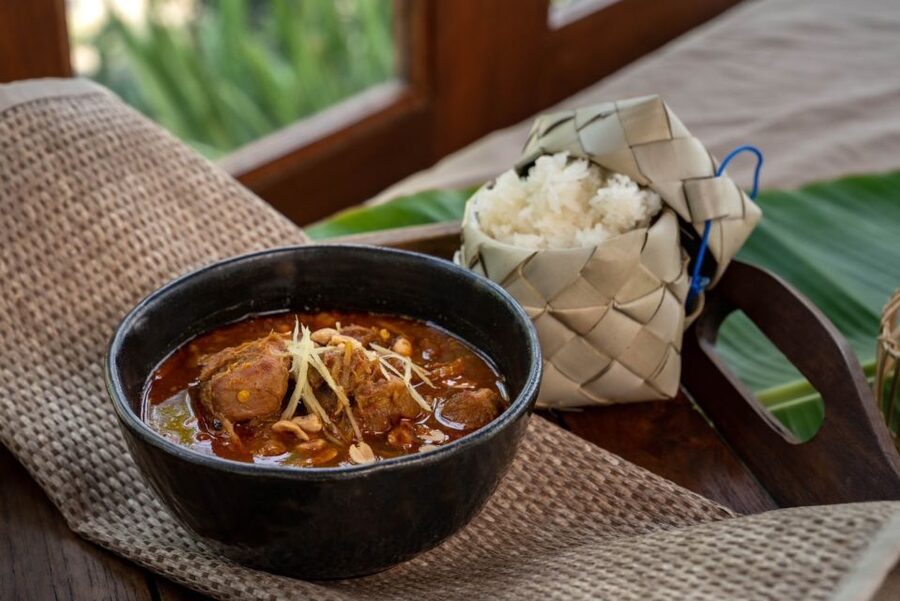
This cooking class fits best if you:
- Want Northern Thai food you can recreate later
- Enjoy hands-on cooking rather than watching only
- Like market and farm learning tied directly to the menu
- Don’t mind an early start for pickup
It may not suit you as well if:
- You prefer minimal physical effort (this includes market walking and active prep)
- You hate working with heat and tools (charcoal lighting and grilling are part of the lesson)
- You’re traveling with very limited time and can’t spare a full morning
It’s also described as accommodating special dietary requirements, and it’s wheelchair accessible. If you’re cooking with dietary needs, it’s smart to clarify your requirements ahead of time so the kitchen can support you during the class.
Should you book Grandma’s Home Cooking School in Chiang Mai?
If your goal is a cooking class you’ll actually use, I think this is worth booking. The big wins are the market-to-farm-to-kitchen flow and the training in practical techniques like stone milling, coconut grating, vegetable washing, and learning how to light a charcoal grill. You end up not just with recipes, but with a better sense of how Northern Thai flavor comes together.
Book it if you want value: meals included, transfers included, and an instructional approach that keeps portions organized. Skip it only if you want a low-effort, purely tasting-style experience.
FAQ
How long is the Chiang Mai local Northern Thai cooking class at Grandma’s?
The class lasts 6 hours.
What time is hotel pickup?
Pickup is around 8:30am to 9:00am, and you should be ready in the lobby at 8:30am.
What language are the instructors?
The instruction is in English.
What dishes will I learn to cook?
The class includes Northern Thai dishes such as Northern Thai Sausage, Nam Prik Ong or Nam Prik Num, Northern Pork Belly Curry (Hang Lay Curry), Curry Young Jackfruit (Kraeng Khanun-on), Stuffed Dough Pyramid (Ka Nhom Tian or Kanomjok), and Thai coconut pancakes.
Can the class accommodate dietary requirements?
Yes, the activity is able to accommodate special dietary requirements.
What should I bring, and what’s not allowed?
Bring comfortable shoes and sunglasses. Valuables are not allowed.