REVIEW · ROME
Walking tour in the Heart of Rome and a Cooking Class in a Very Small Group
Book on Viator →Operated by Sublime Tours · Bookable on Viator
Rome feels different when you taste it. This 4-hour small-group combo pairs a guided architecture walk through the historic center with a hands-on fresh pasta lesson. I like that the tour keeps moving (so you see major sights fast) and that the food part is real cooking, not a demo.
Two things I really like: you get smart stops at places like the Pantheon and Piazza Navona, and the restaurant session finishes with recipes you can take home. One possible drawback is that it’s a walking tour plus cooking, so you’ll want decent stamina and comfort in a busy central Rome area.
Because the group tops out at 8, the guide can pace the history without turning it into a lecture. You’ll also be using a mobile ticket, which makes the whole thing feel simple from the start.
In This Review
- Key highlights worth your attention
- From Piazza Barberini to the Spanish Steps: a fast start in Rome’s center
- Practical note you’ll appreciate
- Trevi Fountain and the ancient aqueduct clues you’ll notice
- A small timing caution
- Piazza di Pietra and Santa Maria sopra Minerva: quick stops, big details
- If you’re the type who loves details
- Pantheon timing: why this stop anchors the whole afternoon
- A realistic heads-up
- Piazza Navona to the restaurant: switching gears without losing the thread
- What happens next
- Chef Paula’s pasta lesson: what you might actually make
- Why recipes being included is a big deal
- The human factor
- Price and value: is $142.98 a good deal for Rome?
- Who this Rome food-and-sights combo is best for
- Should you book this Rome walking tour plus cooking class?
- FAQ
- FAQ
- How long is the experience?
- What is the price per person?
- How large is the group?
- What language is the tour offered in?
- Where does the tour start and end?
- What’s included with the cooking class meal?
- Do I get recipes?
- Will I need to bring tickets?
- What should I expect from the walking portion?
Key highlights worth your attention
- Small group limit (max 8): easier questions and a less crowded feel as you move site to site
- Historic-center walking route: Piazza Barberini to Spanish Steps, then Trevi, Pantheon, and Piazza Navona
- Hands-on pasta class in a local restaurant: you’ll actually make fresh pasta items
- Clear food structure: appetizer, a pasta dish, and dessert tied to what you learn
- Recipes included: you leave with the instructions for dishes you prepared
- Guides with a real track record: names like Sara and Nina show up in past experiences, with Chef Paula running the kitchen side
From Piazza Barberini to the Spanish Steps: a fast start in Rome’s center
Your tour begins at Piazza Barberini, a good choice if you like starting with momentum. You get a short intro and a sense of where you are in Rome’s “classic center” before the sightseeing sprint begins. It’s only a brief warm-up, but it helps you avoid the usual Rome problem: seeing big places without knowing why they matter.
Next comes the Spanish Steps. You’ll head toward the famous stairway and learn the history and the quirks of both the steps and the square around them. This stop is short (about 15 minutes), so don’t plan on wandering for an hour. Instead, use it as a foundation: once you know what you’re looking at, the Spanish Steps go from postcard background to something you can read.
You can also read our reviews of more tours and experiences in Rome.

Practical note you’ll appreciate
The pacing is built for highlights. If you want slow wandering and long photo breaks, you’ll probably feel rushed. If you want maximum payoff in one afternoon, this route is designed for you.
Trevi Fountain and the ancient aqueduct clues you’ll notice
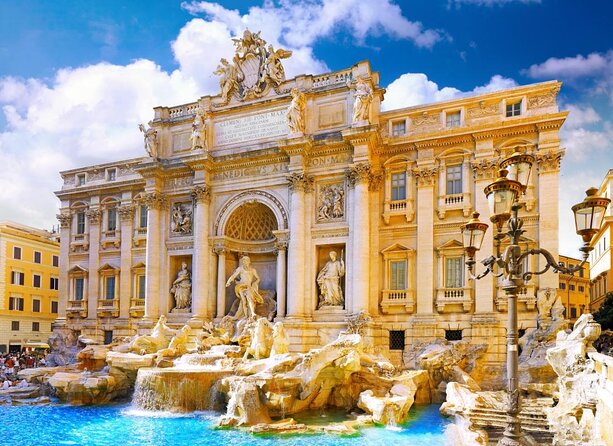
From the meeting area you’ll work your way toward Trevi Fountain. The good news: you don’t just show up at the fountain—you get context first. Along the way, you’ll pass the ruins of an ancient aqueduct. That’s one of those Rome moments where the city is telling you a story in stone and then pointing you onward to the next chapter.
Then you reach Trevi, the big one. After the historical explanation, you’ll have time to wander, take photos, and throw your coins in. That bit of free time is important because it lets you do the classic moment on your own terms, not on the guide’s schedule.
A small timing caution
This Trevi block is brief (about 5 minutes for the stop itself), which means your “wander time” is what you make of it. I’d treat your photos like a plan: a wide shot first, then a couple close-ups, then step back and enjoy the place for a minute.
Piazza di Pietra and Santa Maria sopra Minerva: quick stops, big details
After Trevi, the walking continues with two tightly timed architecture-and-art stops: Piazza di Pietra and Chiesa di Santa Maria sopra Minerva.
At Piazza di Pietra, you’ll get an explanation of the square and Hadrian’s temple. This is exactly the kind of stop that turns a “I’ve seen it before” location into a “now I get it” experience. You’re not going deep like a long museum visit. You’re getting the map in your head so your photos and observations make sense later.
Then you’ll head to Santa Maria sopra Minerva, where the guide explains Bernini’s elephant and the square. This is a great example of why a guided walk matters. The elephant detail is one of those things you can miss if you’re only looking for the obvious landmarks.

If you’re the type who loves details
Bring a quick habit: pause once, look up, then look around. These are small stops where the guide’s framing helps you spot the stuff you’d otherwise glide past.
Pantheon timing: why this stop anchors the whole afternoon
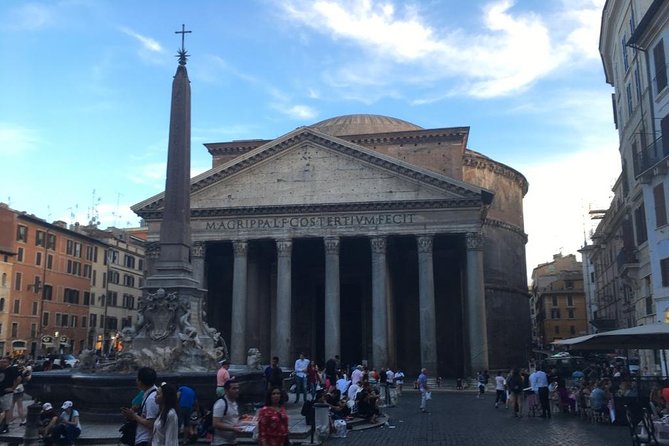
The Pantheon is the center of gravity for a lot of Rome visits, and here it’s treated that way. You’ll spend about 15 minutes on this stop, with the guide explaining the historical facts of the site and noting how it inspired Renaissance masters.
That matters for your overall day because the Pantheon is not just a pretty building. Once you understand its influence, you start seeing the downstream effects on European architecture. Even if you only catch part of that lesson, it still changes how you look at the domes, proportions, and how buildings “feel” in your body.
A realistic heads-up
Fifteen minutes at the Pantheon sounds long until you’re there. Between people, photo angles, and the guide’s talk, it can feel short. The best approach is to keep your expectations simple: use this stop to understand what you’re seeing, then do your photos without getting stuck.
Piazza Navona to the restaurant: switching gears without losing the thread
After the walking tour ends close to Piazza Navona, the experience continues in a local restaurant. You’ll spend about 10 minutes on the Piazza Navona part, including a historical explanation of the square.
That last sightseeing stop is a smart transition. Piazza Navona is visually dramatic, so it’s a good place to get one final story beat before you switch to hands-on cooking. And because the next phase is indoors, it’s a nice break from the sun and street noise.
What happens next
At the restaurant, you’ll move into the cooking class portion. This is where the tour stops being a “see and go” experience and becomes something you can remember with more than photos.
Chef Paula’s pasta lesson: what you might actually make
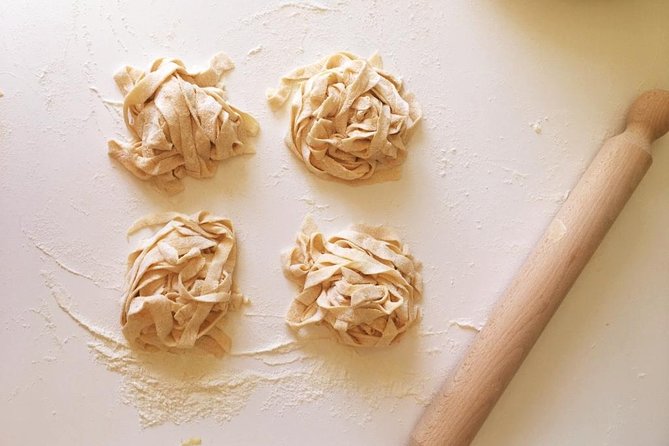
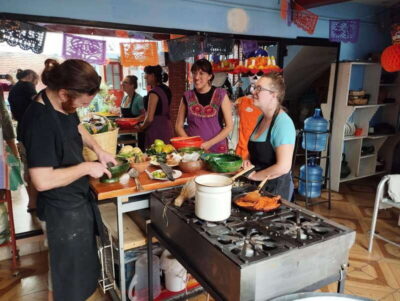
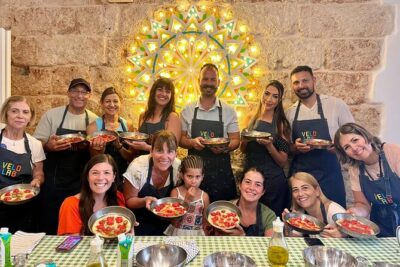
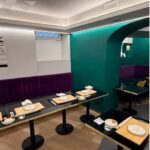
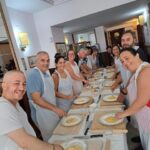
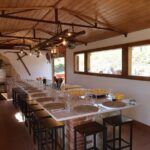
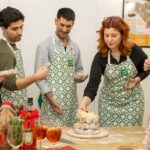
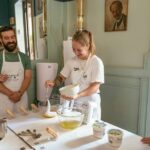
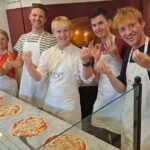
The cooking class happens in one of the local restaurants, and it’s designed as a very small-group experience. The point isn’t fancy presentation—it’s technique and participation.
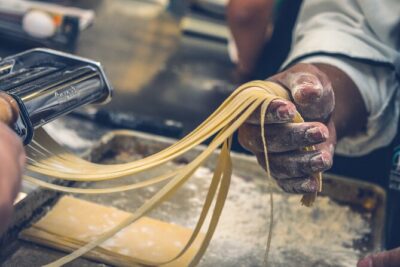
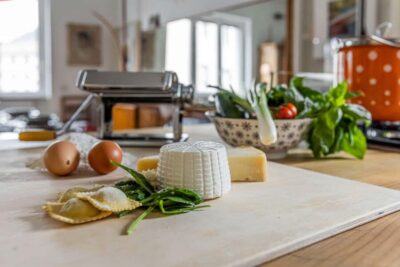
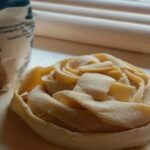
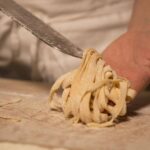
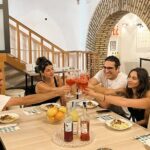
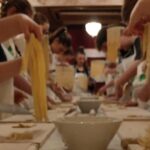
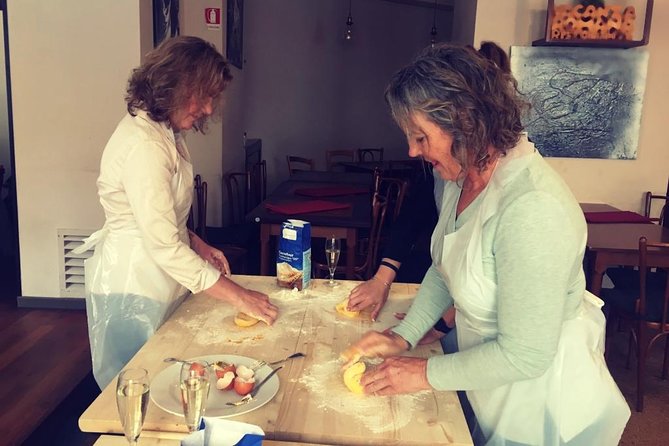
You’ll make fresh pasta from scratch, and the meal is built around what you create. That means you’re not just cooking for the sake of cooking. You’ll get an appetizer, a pasta dish, and dessert at the end of the lesson.
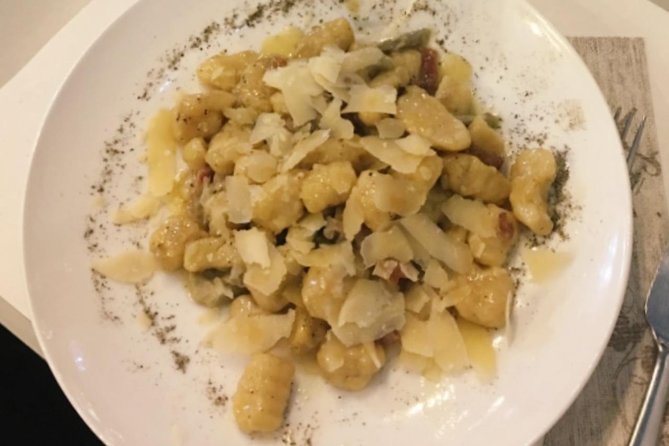
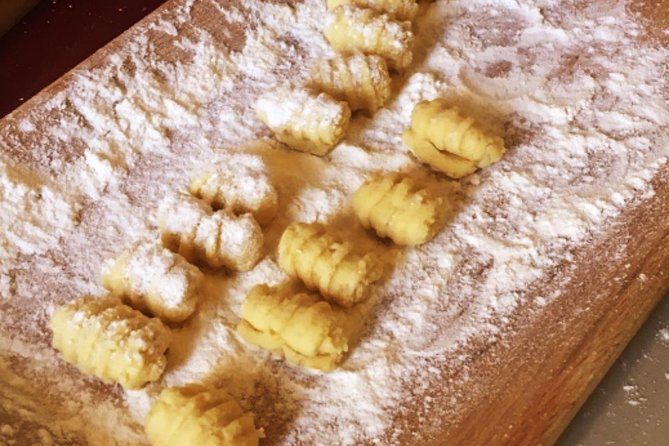
From past experiences, the class has included artichokes, mixing and rolling gnocchi, and making ciabelline—a crunchy licorice-flavored cookie. Even if your exact menu shifts slightly, the format is consistent: you’ll work with the dough, learn how it should feel, and then eat what you make.
Why recipes being included is a big deal
Recipes for all the dishes you prepared are included. That’s not a small perk. Rome cooking styles can be hard to recreate from memory, especially with pasta shapes and texture. Having the written instructions means you’ll actually cook it again at home instead of just talking about it.
The human factor
In previous versions of this experience, the guide side has included names like Sara and Nina, with Chef Paula teaching in the kitchen. That combination—guide context outdoors plus a dedicated chef in the restaurant—makes the day feel connected instead of two separate activities.
Price and value: is $142.98 a good deal for Rome?
At $142.98 per person for about 4 hours, this is not a budget-only option. But it’s also not priced like a luxury private tour. The value comes from three things you don’t get in a typical walking tour alone:
- You’re paying for guidance twice: first for the historic-center walk and then for technique in the kitchen.
- You get a structured meal: appetizer, pasta dish, dessert—so you aren’t spending extra time and money hunting dinner afterward.
- You leave with recipes: that’s the difference between a fun afternoon and something you can recreate.
Also, the average booking lead time is about 41 days. That tells me this is the kind of experience people plan around, not a last-minute fill. If you’re traveling in peak season, I’d treat it as something to lock in earlier rather than later.
Who this Rome food-and-sights combo is best for
This is a strong fit if you want one afternoon that covers both sides of Rome: the built environment and the food culture. It’s also a great match if you like learning through doing—watching is fine, but you’ll get more out of a class where you roll dough and shape pasta.
It’s especially good for:
- First-timers who want major sights without jumping between multiple tours
- Food lovers who want an actual pasta lesson, not just tasting
- Small groups who prefer a calmer pace (max 8 keeps it manageable)
It may feel less ideal if:
- You want long museum-style time at each monument
- You dislike any “moving from place to place” structure
- You’re expecting a completely flexible schedule with lots of free roaming
Should you book this Rome walking tour plus cooking class?
Yes, if you want a well-paced afternoon where you learn the why behind famous landmarks and then translate that into real food-making. This is the rare format that combines architecture appreciation with kitchen skills in one tight 4-hour block.
If your top priority is spending hours inside one site or exploring at your own pace, pick a slower, stand-alone walking plan. But if you like the idea of small-group Rome with fresh pasta you can actually make again, this one is worth your attention.
FAQ
FAQ
How long is the experience?
It lasts about 4 hours (approx.).
What is the price per person?
The price is $142.98 per person.
How large is the group?
The tour has a maximum of 8 travelers, so it stays very small.
What language is the tour offered in?
It is offered in English.
Where does the tour start and end?
The meeting point is Piazza Barberini, and the tour ends close to the Pantheon at Piazza della Rotonda.
What’s included with the cooking class meal?
You’ll have an appetizer, a pasta dish, and dessert as part of the experience.
Do I get recipes?
Yes. Recipes for all the dishes you prepared are included.
Will I need to bring tickets?
You’ll use a mobile ticket.
What should I expect from the walking portion?
It’s a guided walk through major historic-center sights, with short explanations at each stop, and then you continue to a local restaurant for the cooking class.