REVIEW · BANGKOK
Thai Cooking Class in Bangkok
Book on Viator →Operated by Go Bangkok Tours · Bookable on Viator
Thai flavor lessons start at Bang Rak. I really like that this half-day class feels hands-on from the first chopping board to the last bite, and I also love the Bang Rak market tour option in the morning. The main catch to plan around: the menu changes daily, so if you’re hoping for specific dishes, ask ahead for that day’s lineup.
In class, you cook, then eat your dishes right away in the dining area before moving on. That quick cook-then-taste rhythm is great for beginners and keeps the food at its best, not sitting around while you make the next course.
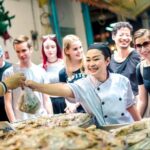
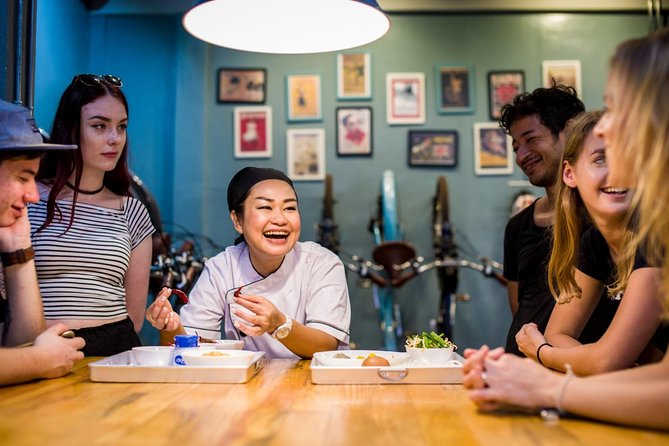
The kitchen setup is professional and well-organized, and the vibe depends a bit on which chef you get. In the past, Sarin and Kimmy have led classes with a mix of clear instruction and good energy, which makes it easier to focus on technique instead of guessing what to do next. Just note the class runs about 4 hours, so bring an appetite and plan your schedule around a full meal.
In This Review
- Key things I’d circle on your Bangkok plan
- Bang Rak Market, Then Straight Into the Cooking
- The 4-Hour Plan: What Happens From Start to Finish
- Market Tour Morning Class: Learn the Ingredients Like a Pro
- Afternoon Option: Same Cooking Skills, No Market Walk
- Inside the Kitchen: Hands-On Thai Technique in a Real Setup
- The 5-Course Meal: Why You Eat What You Make (Right Away)
- Spice, Sauce, and Heat: What You Learn That Stays With You
- Diet Restrictions Are Taken Seriously (Including Vegan Requests)
- Pricing and Value: Is $44.08 a Good Deal?
- Who This Class Fits Best (And Who Might Skip It)
- Should You Book This Thai Cooking Class in Bangkok?
- FAQ
- How long is the Thai cooking class?
- Does the class include a market tour?
- How many dishes do we cook and eat?
- Can the chef accommodate dietary restrictions?
- Do I get recipes and photos after the class?
- Can I cancel and get a refund?
Key things I’d circle on your Bangkok plan
- Bang Rak market tour (morning classes): you’ll learn what to buy and why, with real talk about ingredients
- Cook-then-eat flow: dishes are prepared and eaten immediately before the next course
- Flavor balance lessons: spice use, sauce and paste balancing, and cooking temperatures get explained
- Small group size (max 12): easier to get help when you’re learning knife skills and seasoning
- Diet-friendly options: the chef can cater for restrictions, including vegan needs
- Recipe support after class: a recipe booklet plus photos are emailed to you afterward
Bang Rak Market, Then Straight Into the Cooking
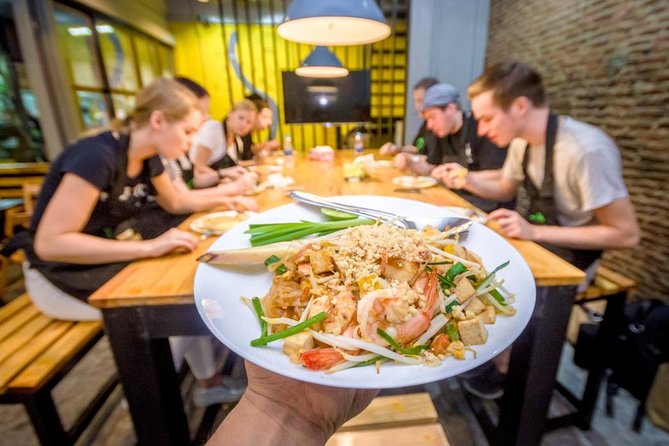
This class is centered near Bang Rak Market in central Bangkok, and it’s set up for people who want Thai cooking skills without a full-day commitment. If you pick the morning option, you start with a guided market tour; if you pick the afternoon option, the ingredients are already in-house and you go straight to cooking.
I like that the location is practical. You’re not fighting across town all day, and the experience is built for limited time in Bangkok. A past participant even pointed out it’s about a short walk from Saphan Taksin BTS, which is a big deal when you’re juggling trains, heat, and hunger.
The market angle matters because Thai cooking isn’t only about recipes on paper. When you see how vendors package herbs, how different roots look, and how spice mixes are used, you start understanding what makes flavors Thai in the first place. That also helps you shop smarter later at home.
You can also read our reviews of more tours and experiences in Bangkok.
The 4-Hour Plan: What Happens From Start to Finish
You’ll meet at Go! Thai Cooking School (cook delicious Thai) at 69, 2 Soi Charoen Krung 44, Khwaeng Bang Rak, Khet Bang Rak, 10500 Bangkok. The activity ends back at the meeting point, so it’s easy to slot into your day.
Each class runs about 4 hours and stays focused on cooking multiple dishes. The structure is simple: you prep and cook a course, eat it right away, then move to the next dish. That means you’re not waiting around while the last group catches up, and it also keeps flavors fresh.
A key detail: menu items can change daily. You’ll build skills no matter what you make, but if you have your heart set on a particular plate—like mango sticky rice—reach out beforehand and confirm the exact daily menu.
Market Tour Morning Class: Learn the Ingredients Like a Pro
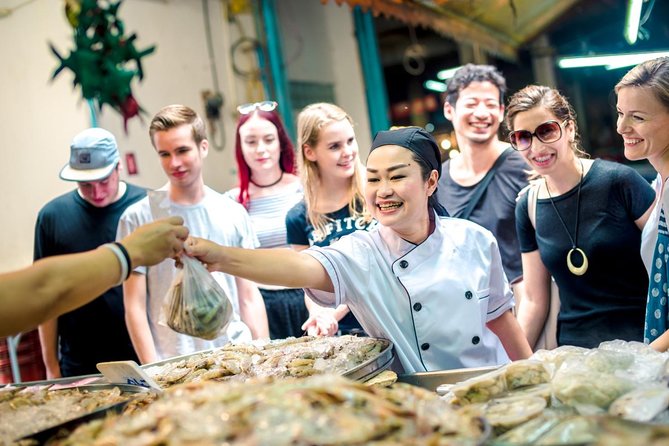
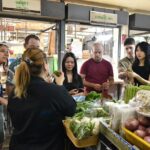
If you choose the morning class, you’ll get a guided tour of the local market before you cook. This is not a casual stroll. It’s the part that explains how ingredients connect to Thai flavor and how to recognize them in real life.
From what I’d take away, the market tour does three things well:
1) It helps you spot fresh produce and aromatics
2) It teaches how different ingredients behave in Thai cooking
3) It gives you context so the recipes make sense later
One very memorable example from past classes: learning about the many variations of ginger at the market. That kind of detail changes how you cook. You stop treating ginger as one generic ingredient and start understanding that Thai dishes often rely on specific aromatic types.
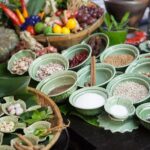
You’ll also get a feel for Thai herbs and roots that are common in the cuisine but not always easy to buy at home. People have specifically mentioned ingredients like galangal, lemongrass, and kefir leaves after the class. If you want your cooking to taste more Thai and less “close enough,” this market time is where the upgrade happens.
Afternoon Option: Same Cooking Skills, No Market Walk
If you’re short on time or just want the cooking portion, the afternoon class keeps things efficient. Ingredients are handled in-house, so you go straight to the kitchen and start making the dishes.
I like this format for travelers who are already exhausted from temples, street food, or the Bangkok heat. You still get the chef-led instruction, the cook-then-eat rhythm, and the full meal at the end—just without the shopping and ingredient spotting.
Morning gives you the “why” behind Thai ingredients. Afternoon gives you the “do this, then that” cooking training with less sightseeing overhead. Either one works; it depends on how you want your half day to feel.
Inside the Kitchen: Hands-On Thai Technique in a Real Setup
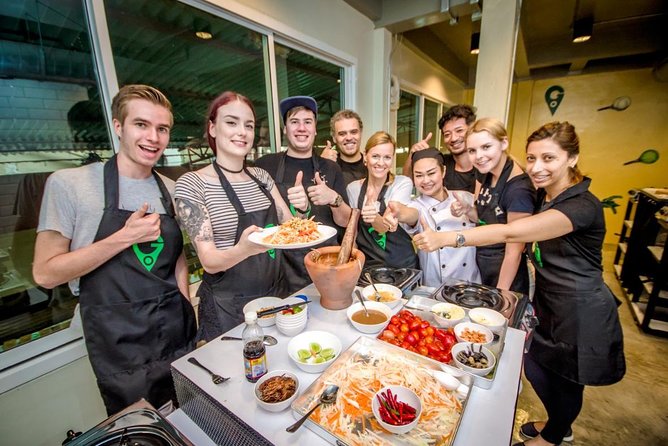
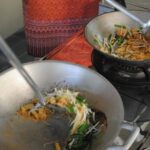
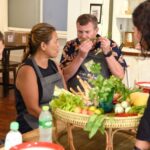
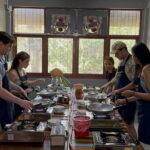
This is not a demo class where you watch while someone else works. The kitchen is well-equipped and designed for real cooking steps, and the overall feel is organized and clean.
What you’ll notice quickly is that the chef doesn’t just tell you what to add. They explain how to balance flavors. Past classes have emphasized basics like:
- How to use spices and aromatics
- How to balance sauces, pastes, and spice mixes
- How cooking temperatures matter for texture and taste
- How cutting and prep techniques affect the final dish
Knife work and prep skills are part of the fun. One of the most practical takeaways mentioned is learning slicing methods. When you understand how Thai dishes expect ingredients to look and cook, you can recreate better results later.
The class also keeps the pace moving. You prep and cook each dish, eat it, then continue. It’s a good rhythm for beginners because you get feedback immediately—taste now, adjust next.

The 5-Course Meal: Why You Eat What You Make (Right Away)
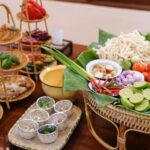
You’ll make 5 courses, and you’ll eat them as you go. That’s a big part of the value. In a lot of cooking classes, you finally get the meal at the end and everything has cooled down. Here, the structure supports freshness.
A few dishes were specifically mentioned by past participants, including spring rolls, Thai soup, two chicken dishes, and mango sticky rice. Menu changes daily, so your exact lineup may differ, but you can expect a mix of classic Thai flavors across savory and sweet.
Also, the cooking-to-eating sequence is kind to your schedule. One participant even said they struggled to finish and took leftovers home. Another mentioned a practice where leftovers were used to help people in need. Either way, you’re not leaving hungry.
And if you love Thai tea and coffee culture, it’s a fun bonus that the market tour can introduce you to vendors you might want to seek out afterward.
Spice, Sauce, and Heat: What You Learn That Stays With You
The best cooking classes teach you habits, not just recipes. This one focuses on the flavor logic behind Thai cooking—especially how to balance salty, sweet, sour, and spicy elements.
You’ll get lessons tied directly to what you’re cooking, so it feels practical. People have highlighted that chefs cover balanced use of sauces and pastes and the correct cooking temperatures. That’s exactly what makes a Thai dish taste right instead of just tasting like ingredients thrown together.
Spice level is also flexible. One tip that comes through clearly: don’t be shy about telling the chef how spicy you want things. You’ll get help adjusting to your preferences during the process.
Diet Restrictions Are Taken Seriously (Including Vegan Requests)
If you have dietary restrictions, this class has a strong reputation for working with them. The chef will cater for restrictions, and there’s specific mention of vegan needs—avoiding fish sauce, eggs, and animal products—plus tips for navigating Thai cuisine with those limitations.
That matters because Thai cooking can be built around ingredients that aren’t obvious at first glance. When a chef asks clarifying questions and gives adaptation guidance, you leave with more than a single customized meal. You also learn how to think about replacements and flavor structure.
If you have allergies or strict requirements, this is where you’ll get the most benefit by communicating clearly at the start.
Pricing and Value: Is $44.08 a Good Deal?
At $44.08 per person, the value is better than it looks on first glance. You’re paying for a professional chef, a small group (up to 12), a 5-course meal, bottled water, taxes, and the learning time that goes into each dish.
Here’s the simple value math that helps me: you’re not just watching cooking. You’re cooking, tasting, and eating multiple courses in a structured session that takes about 4 hours. That’s hard to replicate cheaply on your own in a kitchen that’s already set up for the task.
Morning adds the market tour, which increases the learning depth. Afternoon gives you the core cooking instruction without the market time. In both cases, you get recipe support afterward—recipe booklet plus emailed photos—which adds long-term value if you plan to cook Thai food again.
If you’re trying to squeeze one authentic, skill-building activity into a tight Bangkok schedule, this is a strong candidate.
Who This Class Fits Best (And Who Might Skip It)
This class is ideal if you:
- Want a hands-on food experience without committing an all-day tour
- Enjoy learning cooking techniques you can reuse at home
- Like Thai food enough that you’ll appreciate ingredients like galangal and kaffir lime leaves
- Want either a market walkthrough (morning) or a faster cooking-only session (afternoon)
It may be less ideal if you:
- Only want sightseeing and aren’t interested in cooking steps
- Have firm expectations about a specific menu item but don’t plan to confirm the daily lineup
In short: if you like food education and you can handle a 4-hour meal-focused block, you’ll probably enjoy it a lot.
Should You Book This Thai Cooking Class in Bangkok?
If you want a Thai cooking experience that’s practical, not just performative, I’d book it. The biggest reasons are the cook-then-eat structure, the emphasis on flavor balance, and the fact that you leave with recipe materials (booklet plus emailed photos).
Choose the morning class if you want the extra ingredient education from the Bang Rak market tour. Choose the afternoon class if you’d rather spend your time cooking than walking a market in the heat.
One smart move: since the menu changes daily, contact the school to confirm what you’ll be cooking. That way you can line up the dishes you’re most excited about and make the half day feel exactly right.
FAQ
How long is the Thai cooking class?
The class runs for about 4 hours.
Does the class include a market tour?
Yes. The morning class includes a guided market tour. The afternoon class uses ingredients that are prepared and available in-house.
How many dishes do we cook and eat?
You’ll cover 5 courses, and you eat the dishes as you make them during the class.
Can the chef accommodate dietary restrictions?
Yes. The class can cater for diet restrictions, and you can request changes for needs like vegan requirements.
Do I get recipes and photos after the class?
Yes. You receive a recipe booklet, and photos are emailed to you after the experience.
Can I cancel and get a refund?
Yes. You can cancel for a full refund as long as you cancel at least 24 hours before the start time. If you cancel less than 24 hours before, the amount paid is not refunded.