REVIEW · HANOI
Farm tour & Home cooking class with local family in Hanoi
Book on Viator →Operated by Bui Manh · Bookable on Viator
A market, a garden, and a family kitchen—hard to beat Hanoi like this. I love the market-to-plate flow and the hands-on private cooking with local host Mandy, where you make four Vietnamese dishes using ingredients the family sets out for you. It’s also a great way to meet real Hanoi makers and growers, from farmers to craftspeople, not just watch from the sidelines. The one thing to consider: you’ll have to get to the meeting point on your own, since transfer isn’t included.
You’ll spend the first part of the experience walking through places that feed Hanoi, then you’ll shift to a home setup that feels calm and welcoming. This tour is built for people who want food knowledge you can use right away, not just a quick photo stop.
It’s also private, so you won’t be squeezed into a large group. That matters in a home cooking setting, where small questions make a big difference—what to do, what to taste, and why.
In This Review
- Key highlights you’ll care about
- From communal house to cooking class: how the morning plays out in Hanoi
- The market walk: why it changes how you cook later
- Vegetable fields and gardens: what you learn beyond freshness
- Walking into a private homestay kitchen with host Mandy
- The 4 dishes you’ll make (and why the number is smart)
- Eating what you cook: lunch, dinner vibes, and no hunger pangs
- Timing, meeting point, and how to plan your day
- Price and value: what $38 really buys you here
- Who this tour suits best (and who should skip it)
- Should you book the Hanoi farm tour and home cooking class?
- FAQ
- How long is the farm tour and home cooking class?
- Is this tour private?
- What does the tour include for meals and drinks?
- How many dishes will I cook?
- Do I need to bring ingredients or supplies?
- Is English available during the experience?
- Where do I meet for the tour?
- Does the price include transportation to and from the meeting point?
- When does the tour operate?
- What is the cancellation policy?
- Are there special prices for children?
Key highlights you’ll care about
- Market shopping with locals to understand what makes ingredients work in real Vietnamese meals
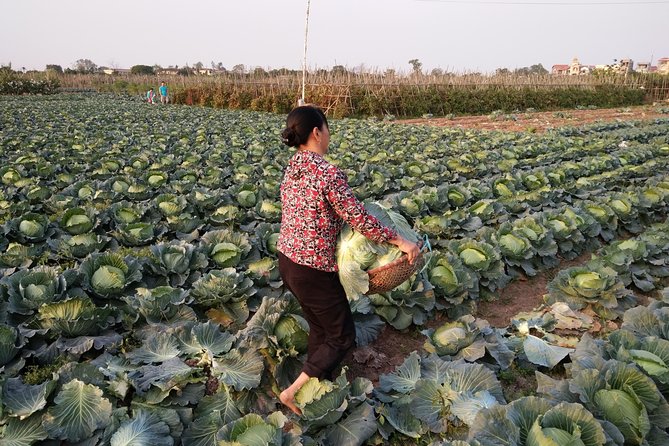
- Vegetable fields and gardens so you can see where produce gets grown before it hits the pan
- A home cooking class for 4 dishes with a family-style dinner vibe (plus coffee/tea)
- Meet local traders like blacksmiths and bamboo basket makers along the way
- Private homestay-style houses nearby so the kitchen experience feels personal, not staged
From communal house to cooking class: how the morning plays out in Hanoi
This experience is built around the idea that Vietnamese cooking starts before the first flame. You begin in an area with a local communal house that’s said to be over 400 years old, which gives you quick context for how community life shaped daily food habits. It’s not about being a museum stop. It’s more like getting your bearings for how neighborhoods work, how people gather, and why certain food traditions stick around.
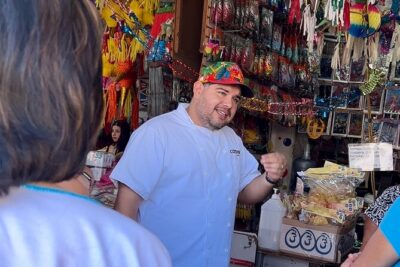
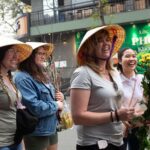
Then you head into a local market environment where you can see a wide mix of vegetables and fruits, the kind that show up in everyday meals across Hanoi. You’re not just told what to buy—you get to walk, observe, and talk through the ingredients that are local and in season. That makes a big difference when you later try to recreate flavors at home, because you learn what to look for, not just what a dish is called.
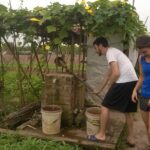
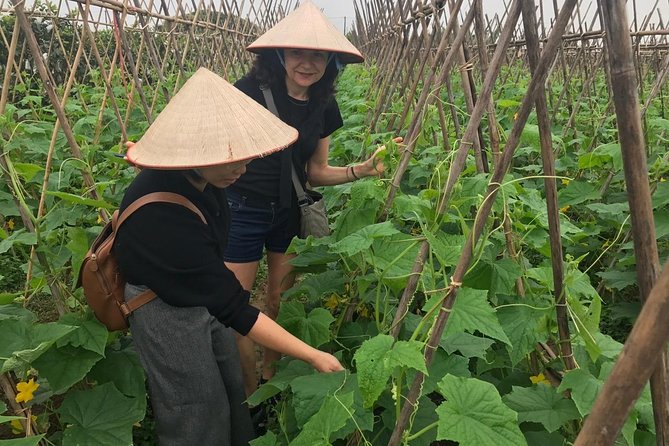
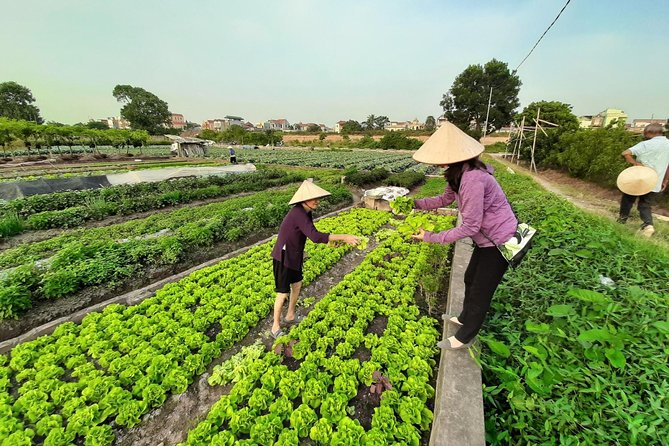
After that comes the part I think makes this tour more than a cooking class: the walk to vegetable fields and gardens where fresh produce is grown. Even if you know Vietnamese food basics, seeing the growing side helps you understand why certain herbs and greens taste the way they do. You also get a chance to talk with the local farm team and, if it fits the day’s flow, help out with garden work. That kind of participation turns the tour into a real learning loop.
You can also read our reviews of more tours and experiences in Hanoi.
The market walk: why it changes how you cook later
The market portion is where you start thinking like a cook in Vietnam. You’ll spend time around stalls with vegetables and fruits that feed Hanoi, not far from where people live and work. The goal is simple: you learn what’s available locally and what ingredients matter for everyday flavor, texture, and color.
What I like here is that the ingredients aren’t treated like an abstract list. You’re guided through the market with an English-speaking local host, then you carry those ideas into the kitchen. That’s why the home cooking portion feels more practical. You’ll already have a mental picture of what you saw outside, and you’ll connect the dots when it’s time to chop, season, and taste.
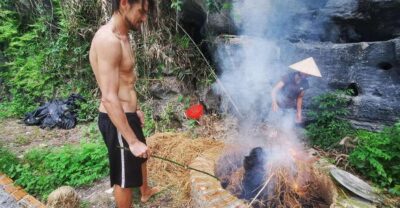
You may also encounter local traders in the surrounding area. The tour notes mention people like blacksmiths and bamboo basket makers. Even if you only get a quick look, those details matter. They remind you that food systems sit inside real working neighborhoods, where crafts and farming go side by side.
A small consideration: markets can be lively and weather can shift fast in Hanoi. Wear comfortable shoes and keep your pace steady. You’ll want to enjoy the walk instead of rushing it.
Vegetable fields and gardens: what you learn beyond freshness
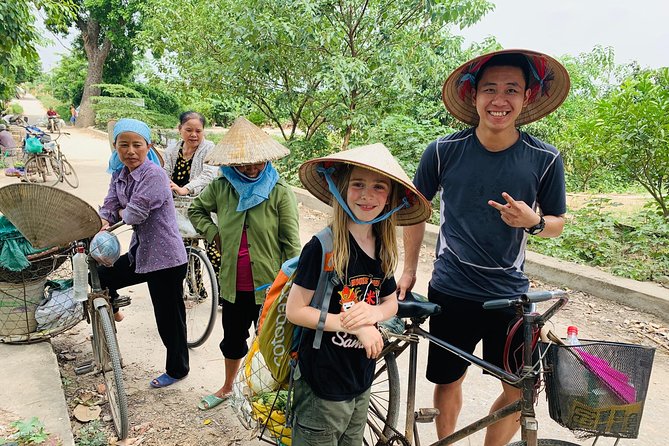
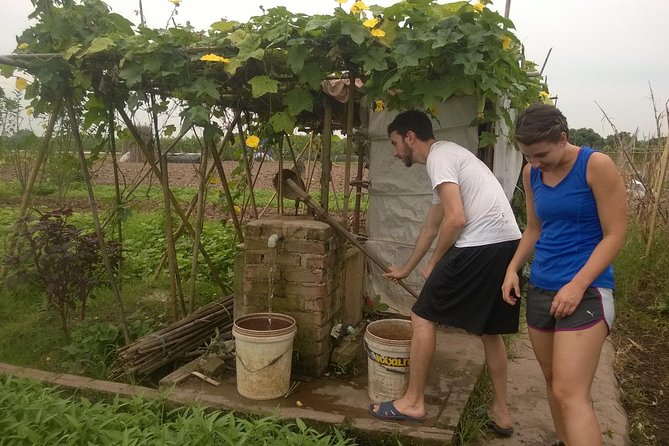
The farm and garden stop is where this tour earns its name. You’ll explore gardens near the market and see how vegetables are grown. This isn’t about checking off a scenic photo spot. It’s about understanding the ingredients you’ll cook with.
You’ll see fresh produce growing before it’s harvested, which changes how you think about cooking. In many home kitchens, people buy ingredients already prepped and boxed. Here, you get the chain of cause and effect: plant → harvest → ingredient → dish. That’s a mental upgrade you can carry home the next time you buy herbs or greens.
The tour also suggests time to talk with farm staff connected to a local hospital garden area and possibly help with their garden. I’d treat this as flexible, day-dependent interaction rather than a guaranteed hands-on task. Still, even a conversation can be eye-opening. It connects food growing to community care, not just farming for sale.
If you’re the type who likes to understand where things come from, this portion will feel satisfying. It’s also a good reset before you get into the kitchen, because the pace slows down and you start noticing plant varieties and growing methods.
Walking into a private homestay kitchen with host Mandy
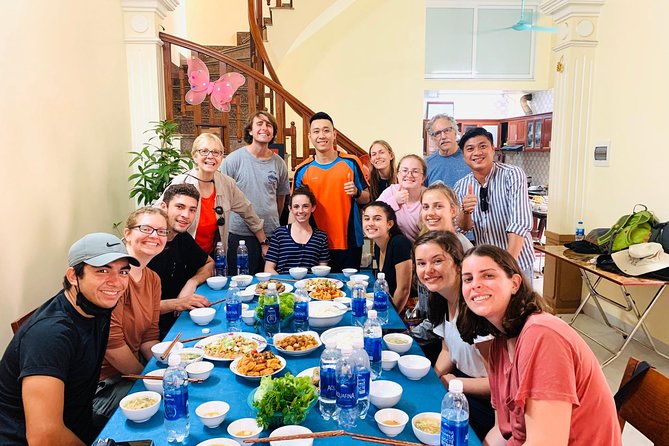
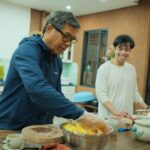
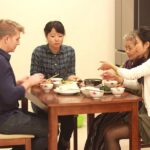
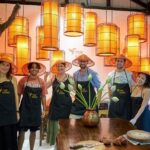
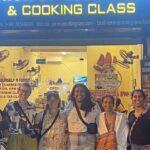
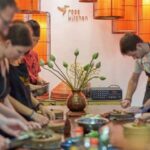
When the tour moves to the home cooking part, it gets personal fast. Your home base includes private and cozy homestay houses nearby, with a kitchen setup where you’ll cook in a typical Vietnamese way. The host is the key here, and the experience specifically highlights Mandy as a very welcoming, English-speaking guide.
The cooking space matters because home-style Vietnamese cooking is built on rhythm: taste, adjust, and keep moving. In a group class at a restaurant, you can feel stuck following steps. In a home kitchen, you’re more likely to ask quick questions and get responses that make sense right away.
This is also where the family feel shows up. One account notes that the host’s daughters came home and joined the moment briefly, adding a real-life texture to the day. That doesn’t mean you’ll be waiting around for someone. It means you’re in a lived-in home, not a training room.
The 4 dishes you’ll make (and why the number is smart)
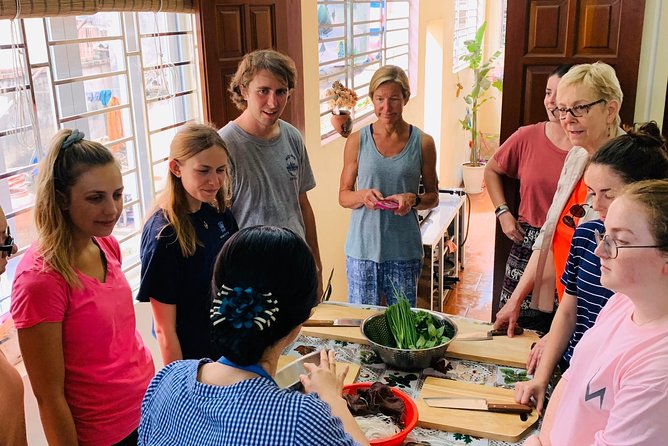
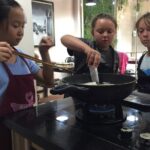
You’ll learn to make four Vietnamese dishes during the class. Four is a great number because it’s enough variety to learn technique and flavor direction, without leaving you too full of information.
The tour’s setup also reduces friction: you don’t need to bring anything. Ingredients are provided, and you’re not expected to source hard-to-find items. That’s a big practical win. Cooking classes sometimes tempt you into thinking you’ll need a long shopping list afterward. Here, the focus stays on learning the method.
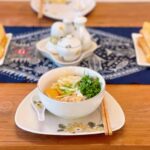
The tour experience pairs each dish with tasting at the home, and you’ll enjoy them with drinks included. Coffee and/or tea is included as well, which makes the end of the class feel like a real meal—not a quick handoff.
What this means for you: if you want to cook Vietnamese food later, you’ll remember specific dishes and the steps behind them, not just a single “signature recipe.” You’ll also leave with a sense of how a Vietnamese table builds around multiple items, herbs, and balancing flavors.

Eating what you cook: lunch, dinner vibes, and no hunger pangs
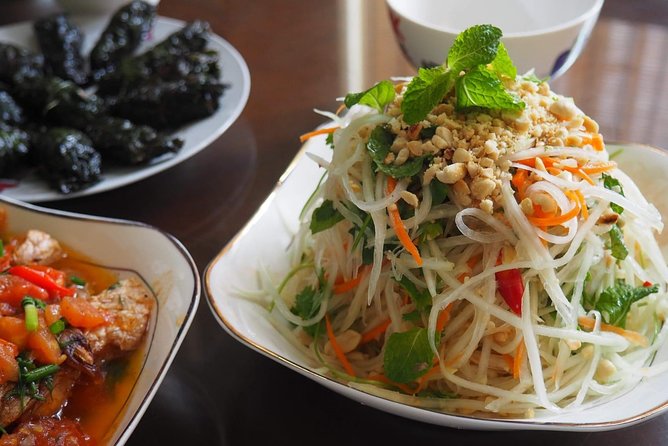
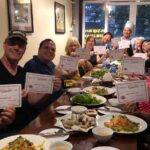
This is one of the most practical parts of the experience: you eat what you prepare. The tour includes lunch and dinner, plus coffee/tea, plus welcome and additional drinks. In plain terms, you shouldn’t leave hungry.
You’ll likely taste the dishes as they come out, in a home-meal sequence. That helps you learn how Vietnamese flavors develop in real serving conditions: hot food, timing, and the way sides support each other.
If you’re worried about portion sizes, don’t be. The tour is designed around cooking four dishes and then enjoying them with drink included, so you’ll have enough time to slow down and actually taste.
One thing to consider: since drinks are included, keep your water handy and pace yourself. It’s a social meal, and Hanoi traffic and walking are part of the day—stay comfortable.
Timing, meeting point, and how to plan your day
The tour runs about 4 hours and uses a mobile ticket. That makes it easy to keep track of without extra paper. It’s also described as private, so your group goes together as one unit.
You’ll start at Đình Phương Viên 2M6X+W8G, Song Phương, Hoài Đức District, Hanoi, Vietnam, and you’ll finish back at the meeting point. Transfer isn’t included, so you’ll want to plan your own ride. If you’re staying near central Hanoi, this is the part where time budgeting matters. Give yourself extra buffer for pickup and travel time.
Operating hours are listed with multiple windows: Monday to Sunday, 9:30 AM–1:30 PM and 3:00 PM–6:30 PM (for the dates shown). If you want the calmer late slot, pick the later window. If you want daytime energy, the earlier window may suit you better.
Price and value: what $38 really buys you here
At $38 per person, this tour is priced like an experience that includes more than cooking. You’re paying for market time, farm or garden time, an English-speaking local host, ingredients for four dishes, and multiple meals with drinks plus coffee or tea.
The best value angle is that the tour isn’t just “cook this recipe.” You’re learning where ingredients come from, how people in Hanoi sell produce, and how home kitchens run. That’s harder to replicate on your own because you’d have to coordinate transport, find a suitable class, and source an English-speaking guide.
Is it a bargain compared to supermarket cooking demos? No. But it’s also not inflated like some purely entertainment-focused classes. The inclusion of ingredients and meal time means you’re not paying extra for food elsewhere. For a short 4-hour window, it can feel like you’re getting a full cultural day condensed into one solid package.
If you like structure, you can use this as your entry point to Vietnamese cuisine. If you already cook a lot, you’ll still appreciate the ingredient logic and technique you’ll practice in a home environment.
Who this tour suits best (and who should skip it)
This tour is best for you if:
- You want Vietnamese cooking knowledge tied to real ingredients you can recognize in Hanoi markets
- You’re comfortable with walking around a local area and then moving into a home kitchen
- You value a private, family-style experience over a large group workshop
- You want a meal that feels complete, not just a snack-sized demo
It’s less ideal if:
- You strongly prefer a central-city location with no need for transfer planning
- You dislike market noise and the pace of stalls and walking segments
- You want a purely restaurant-style cooking class with minimal cultural stops
Families can consider it too. Children under 5 are free, and children 5–11 are listed at a 50% charge, with 12+ priced as adults. If you’re traveling with kids, this private setup can be a calmer environment than a big public class.
Should you book the Hanoi farm tour and home cooking class?
I think you should book it if you want Vietnamese food that feels grounded. The market-to-garden-to-home sequence is what makes it memorable, and the fact that you cook four dishes with ingredients provided makes it practical. If you’re in Hanoi and want a day that mixes culture, learning, and a full meal without hunting for plans, this is a strong option.
If you hate logistics and you don’t want to travel beyond a central pickup point, then you may want to compare with a class closer to where you’re staying. But if you’re open to a real neighborhood experience, this tour gives you exactly what Vietnamese cooking needs most: context, technique, and a table where you sit down and enjoy what you made.
FAQ
How long is the farm tour and home cooking class?
It’s about 4 hours.
Is this tour private?
Yes. It’s private, and only your group participates.
What does the tour include for meals and drinks?
The tour includes lunch, dinner, a welcome drink, one more drink on the meal, and coffee and/or tea.
How many dishes will I cook?
You’ll cook 4 dishes.
Do I need to bring ingredients or supplies?
No. Ingredients are provided, and you don’t have to worry about bringing anything.
Is English available during the experience?
Yes. The local host guide is English-speaking.
Where do I meet for the tour?
The start point is Đình Phương Viên 2M6X+W8G, Song Phương, Hoài Đức District, Hanoi, Vietnam. The tour ends back at the meeting point.
Does the price include transportation to and from the meeting point?
No. Transfer isn’t included.
When does the tour operate?
It runs Monday to Sunday during the time windows listed: 9:30 AM–1:30 PM and 3:00 PM–6:30 PM (for the dates shown).
What is the cancellation policy?
Free cancellation is available. You can cancel up to 24 hours in advance for a full refund.
Are there special prices for children?
Children under 5 are free. Children 5–11 are charged 50%. Children 12 and up use the adult price.