REVIEW · KANDY
Kandy Cooking Class with Granny
Book on GetYourGuide →Operated by AGS Tours · Bookable on GetYourGuide
Cooking with Granny changes how you taste Sri Lanka. You cook traditional dishes at a family home just outside Kandy, with Granny Nandy guiding you from spices to finished curries.
I love the market stop with her family, where you can buy ingredients and sample local fruit like bananas, mango, and passionfruit. I also like how hands-on this is: you work inside a real village kitchen, not a concrete cooking school, and you make traditional Sri Lankan foods only.
One possible drawback to plan for is return transport. Pickup from Kandy is included, but getting back afterward may cost extra (and pricing can feel a bit uneven depending on your situation).
In This Review
- Key things to know before you go
- A village kitchen just outside Kandy
- Pickup, timing, and what to expect from the ride
- What you cook: curries, vegetables, coconut sambol, papadam, and sweet
- Market shopping with Nandy’s family (and why it matters)
- Spices and coconut milk: the practical teaching style
- Vegan-friendly choices and how meat fits in
- Price and value: is $25 enough for this much cooking?
- The real “memory”: hospitality in a three-generation home
- Getting the most out of your class
- Should you book the Kandy Cooking Class with Granny Nandy?
- FAQ
- How long is the Kandy Cooking Class with Granny?
- Is pickup from Kandy included?
- Do they offer vegan options?
- What dishes are included?
- Is transport back to Kandy included?
- Is this activity wheelchair accessible?
Key things to know before you go
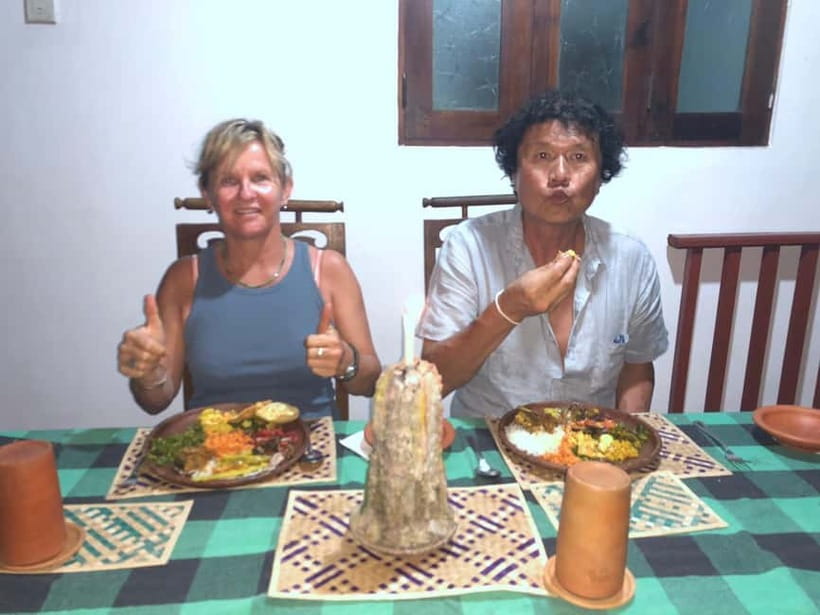
- Village setting outside the city: you’re about 6.5 km from Kandy, in a home-based kitchen rather than a formal venue
- Market time with Nandy’s family: you may shop for vegetables and taste fruit before cooking
- You cook a wide spread: rice plus multiple vegetable dishes, coconut sambol, papadam, and at least one curry type
- Spice instruction you can use later: you learn how spices work together, not just what to add
- Recipe photos afterward: you get photos of the dishes you cooked so you can try again at home
- Private group format, English guidance: easier conversation and clear step-by-step teaching
A village kitchen just outside Kandy
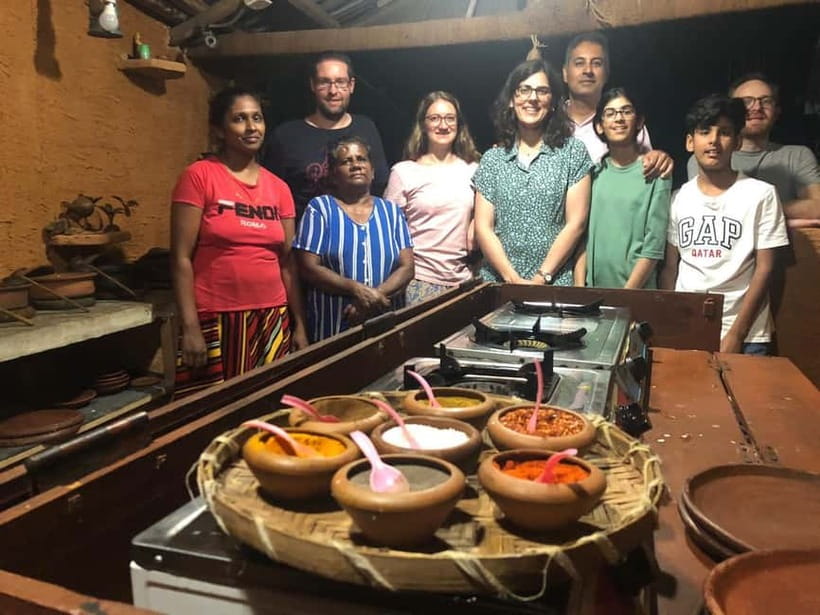
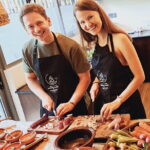
This isn’t the kind of cooking class where you sit back while someone else does the work. The lesson happens inside a home-style setting in a quiet residential village about 6.5 km away from Kandy, and that makes the whole experience feel personal.
You’ll likely take a tuktuk ride up from town, and that matters. The shift from city bustle to a calmer neighborhood is part of why the cooking feels more authentic. One night you’ll be thinking about street food in Kandy; the next you’ll be standing in a kitchen where Sri Lankan flavors are everyday, not showpiece.
Also, the focus stays tight: you cook traditional Sri Lankan foods and use the spices that give them their signature taste. That’s a big deal for value, because you’re not just learning techniques—you’re learning the actual Sri Lankan flavor logic behind the dishes.
You can also read our reviews of more tours and experiences in Kandy.

Pickup, timing, and what to expect from the ride
Your schedule has options. The class can run as a lunch session (9:00am to 12:30pm), a mid-day session (1:00pm to 4:30pm), or a dinner session (5:00pm to 8:30pm). The duration is listed as about 3.5 hours, but it can stretch to 3–4 hours depending on how the cooking pace goes.
Pickup is included from Kandy and about 3 km around Kandy, and you’ll travel to the cooking home outside the city. That’s convenient, because you avoid the hassle of arranging transport for a smaller, off-the-main-route experience.
What to consider is how you’ll get back. The class includes transport from Kandy to the cooking place, but the return journey is extra unless the operator helps arrange it. If you’re on a tight itinerary, plan your pickup window carefully and keep a little buffer for timing.
Comfort helps here too. Wear clothes you don’t mind getting a little warm or messy, since you’ll be actively cooking. If you have mobility challenges, note that wheelchair users are not suitable for this activity.
What you cook: curries, vegetables, coconut sambol, papadam, and sweet
Here’s the core reason this class gets such strong ratings: you don’t just cook one dish. You build a meal.
The set of included dishes covers the Sri Lankan staples and gives you a broad cooking base:
- rice
- 7 vegetables (you can choose which vegetable curries you make)
- fish or chicken curry (with vegan alternatives available as well)
- 1 Sri Lankan traditional sweet (dessert)
- coconut sambol
- papadam
Depending on the menu for that day of the week, you’ll likely cook more than the basic list too. Reviews describe classes where people made 7+ dishes and a mix of curries and sides, with plenty of hands-on time.
That variety is what makes the lesson useful after you return home. You’re not memorizing one recipe. You’re learning how coconut-based sauces, spice blends, and different vegetables behave in the pan. Even if your kitchen equipment is different, the flavor patterns are the real takeaway.
Market shopping with Nandy’s family (and why it matters)
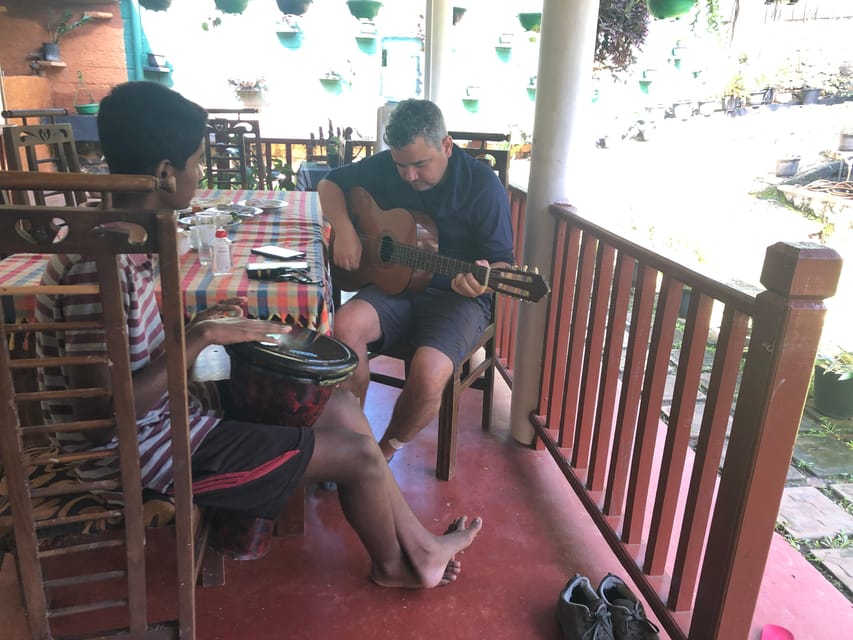
Many cooking classes in Sri Lanka teach you the cooking part. This one often adds the ingredient story, which is where it gets extra meaningful.
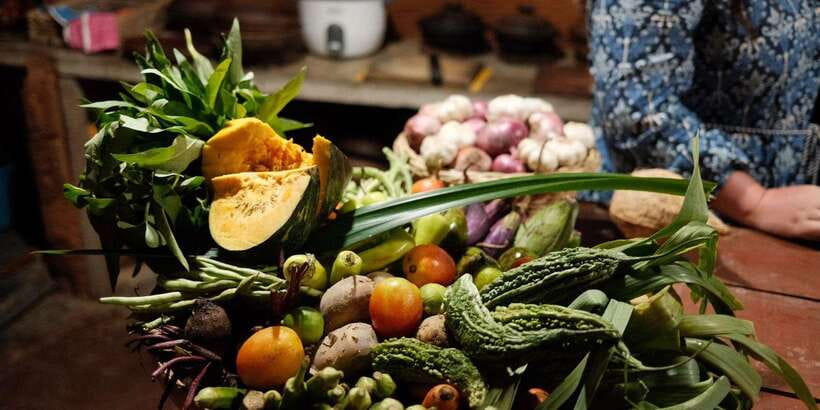
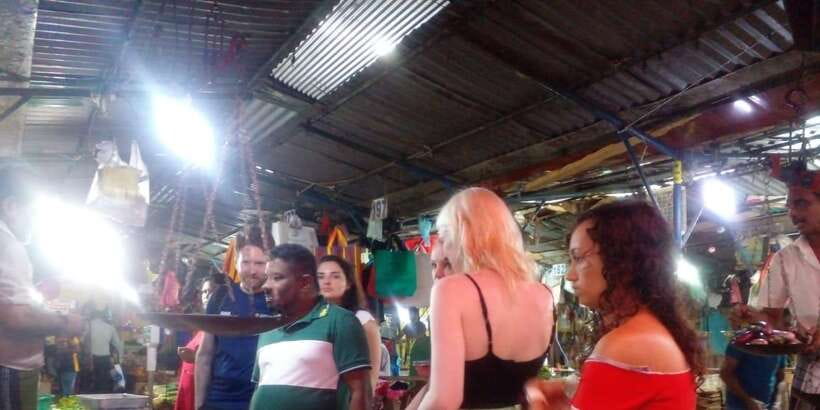
In several experiences, you start with a trip to the local market with Nandy’s grandson. You buy vegetables and you get explanations about what you’re choosing. People also describe fruit tasting at the market—bananas, mango, and passionfruit show up in the descriptions.
Why I think this is valuable: it teaches you how Sri Lankan meals are assembled from ingredients that are common locally but might be unfamiliar elsewhere. When you understand what vegetables are used and why, you can replace them more intelligently later instead of guessing.
If your cooking goal is to recreate dishes at home, the market portion helps you connect the flavors to real inputs. That also makes you more confident when a recipe calls for something specific, like a certain vegetable curry or a side like coconut sambol.
Spices and coconut milk: the practical teaching style
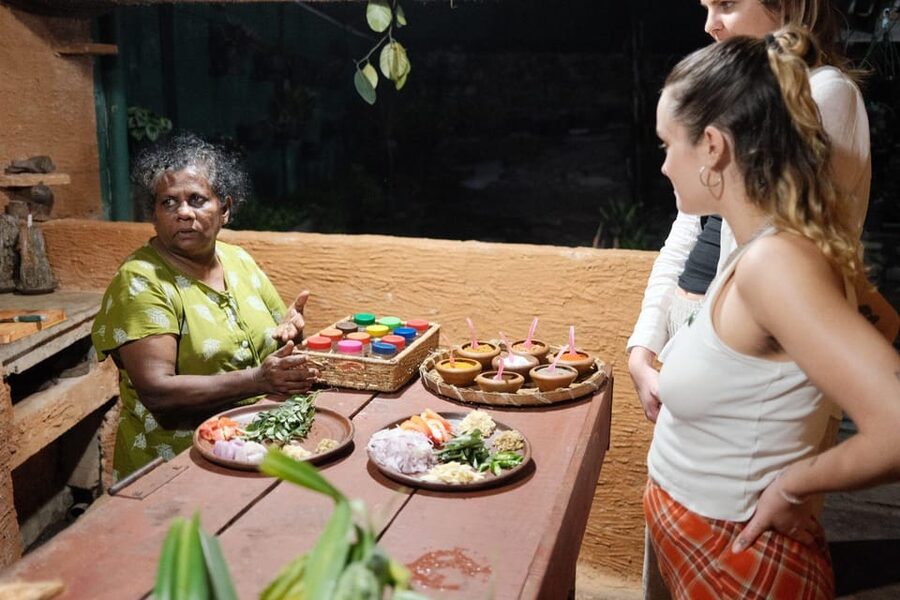
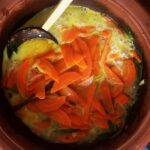
The teaching style is step-by-step, with attention to the “how” behind Sri Lankan flavors. Expect guidance while you work through stages like spice mixing, cooking coconut milk, and building curry flavor.
One thing that shows up repeatedly is learning how spices work together. You’re not only told what to add; you’re guided on what each step is doing. People mention explanations of spices and how to prepare coconut milk, which are two of the most important fundamentals in Sri Lankan cooking.
Cooking coconut milk well is a huge difference-maker. Get it right and curries turn smooth and fragrant. Get it wrong and the flavor can feel flat or off. With this class, you’re in the kitchen doing it, so you’re not relying on memory later—you’ve felt the process.
And the pace matters. Some descriptions mention you cook multiple curries using the vegetables you picked. That means you’re practicing the basic curry rhythm repeatedly, not just watching once.
Vegan-friendly choices and how meat fits in
You can keep it vegan. The class explicitly states they do vegan foods, and if you want non-vegan options, they can include egg, chicken, or fish.
That flexibility helps because Sri Lankan curries often revolve around spices, coconut milk, and vegetables, which means the flavor DNA can translate even when you skip meat. And if you do want a fish or chicken curry, you’ll still be learning the base methods that carry across the whole meal.
Before you book, think about what you want most:
- If you’re vegan or plant-forward, you’ll likely focus on vegetable curries plus coconut sambol, papadam, and rice
- If you eat animal products, you’ll get at least one fish or chicken curry alongside the vegetables and sides
Also keep in mind the menu can vary by day of the week. If you have dietary restrictions beyond vegan (like allergies), you should confirm specifics directly—one review notes they were able to cater for a gluten allergy, which suggests they take needs seriously.
Price and value: is $25 enough for this much cooking?
At $25 per person for a 3.5-hour, hands-on class, the value comes from the workload and the variety. You’re not paying for a short demo. You’re paying for ingredient shopping (in many cases), active cooking, and a full meal spread worth of dishes.
You also get the “future you” benefit: after the class, you can be sent photos of the recipes you cooked. That’s practical support for recreating dishes later, especially when spice blends and steps are easier when you can reference what you made.
What could lower the value for some people is the transport return situation. Pickup is included from Kandy, but the return journey can cost extra. In one experience, the return transport price felt unfair compared with common rideshare rates. That doesn’t mean it’ll be the same for you, but it’s worth asking about in advance so there are no surprises.
If you want a cooking class that actually changes what you can cook back home, this one is positioned well. The meal is large, the dish set is varied, and the instruction is practical.
The real “memory”: hospitality in a three-generation home
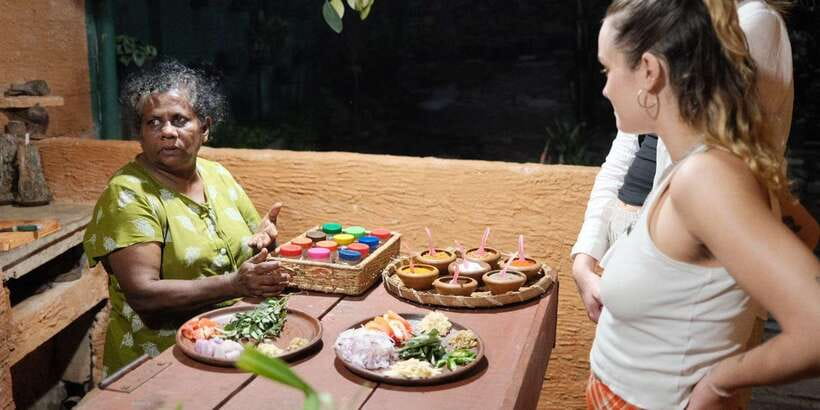
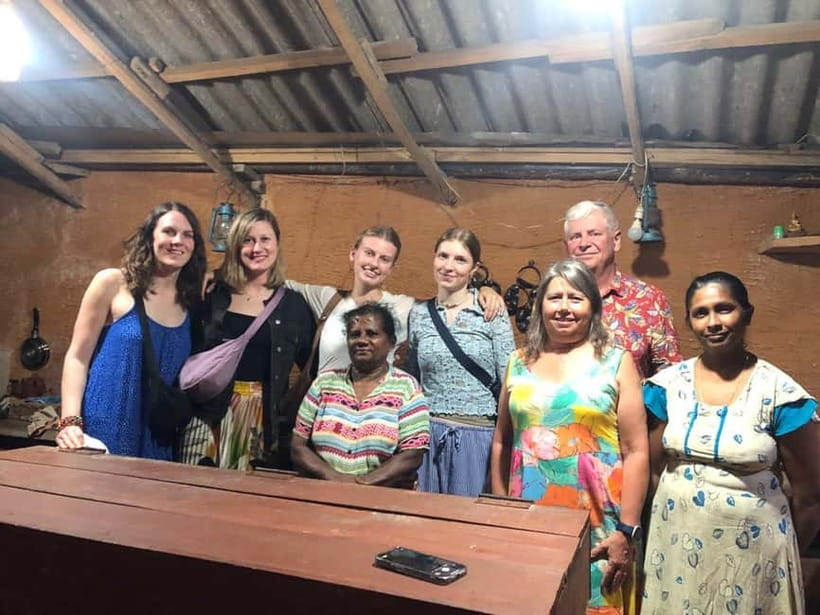
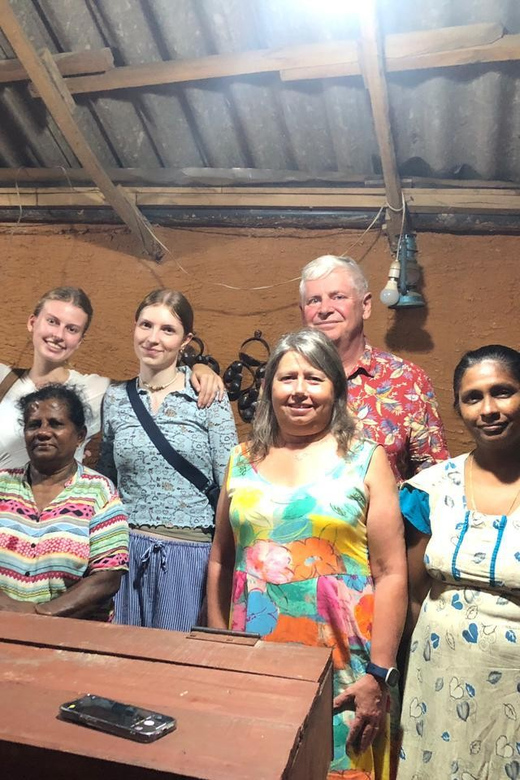
A lot of the love here isn’t only about food—it’s about the people. Reviews describe a warm family atmosphere, with Granny Nandy and assistants welcoming guests, offering tea, and teaching like you’re part of the household for a few hours.
You’ll notice this hospitality in small details: introductions, explanations that make ingredients feel less mysterious, and the sense that questions are welcome. Some people specifically mention humor and a friendly teaching vibe, which matters because cooking can be intimidating if you’re new.
This is also why the village setting is more than decoration. It’s part of how the experience stays human. A home kitchen feels different from a staged classroom, and that shows up in how comfortable you feel while you cook.
Getting the most out of your class
You can make this experience smoother with a few simple choices:
- Arrive ready to cook: clothes you can get warm in, and a watchful eye for when you need to chop, stir, or taste
- If you want certain vegetables or styles, ask about the menu and what’s available that day of the week
- If you care about vegan cooking, say it clearly up front so the dishes match your needs
- Take your time tasting: coconut sambol and curry flavorings develop while cooking, so tasting at the right moment is part of learning
Also, since you’ll likely be transported by tuktuk and you’re out of the city, consider taking a light layer. Even if the day is warm, evenings up in the hills can feel cooler.
And when the recipe photos arrive, don’t just save them. Use them like a checklist. Write down what worked for you—how spicy you like it, what texture you aimed for, and which curry you want to repeat first.
Should you book the Kandy Cooking Class with Granny Nandy?
If you want a Sri Lankan cooking class that feels authentic and practical, I’d say yes, book it—especially if you love spices, coconut flavors, and vegetable curries. The big win is that you cook a full spread in a true home setting, and you leave with recipe photos you can actually use.
I’d reconsider if:
- you’re counting every minute for transport back to your hotel (return ride may cost extra)
- you use a wheelchair, since the activity isn’t suitable
Otherwise, this is a strong pick for Kandy. It’s a few hours that gives you more than a meal—you get the steps, the ingredient thinking, and the flavor base that makes Sri Lankan cooking easier when you’re back in your own kitchen.
FAQ
How long is the Kandy Cooking Class with Granny?
The class is listed as about 3.5 hours, and lessons typically last 3–4 hours depending on how the cooking goes.
Is pickup from Kandy included?
Yes. Pickup is included from Kandy and around 3 km around Kandy, and you travel to the cooking place outside the city.
Do they offer vegan options?
Yes. They do vegan foods, and they can also include egg, chicken, or fish if you want non-vegan dishes.
What dishes are included?
Included items include rice, 7 vegetables, fish or chicken curry, 1 Sri Lankan traditional sweet, coconut sambol, and papadam.
Is transport back to Kandy included?
Transport from Kandy to the cooking place is included, but the return journey may require an extra payment. You can also ask about return transport being arranged.
Is this activity wheelchair accessible?
No. It is not suitable for wheelchair users.