REVIEW · PHUKET
Blue Elephant Thai Cooking Class with Additional Dessert in Phuket
Book on Viator →Operated by Oh-Hoo · Bookable on Viator
One afternoon, you get Thai cooking skills and dinner. I like the small-group attention and the way you cook at your own station with clear guidance. The class also feels very professional and structured (not like a chaotic kitchen demo). The main drawback: there’s no hotel pickup, so you’ll need to get yourself to the school.
You start at 1:30 pm with Thai herbal drinks, then move through theory, hands-on practice, and finally eat your 5-course meal at the Blue Elephant Restaurant. From what I’ve picked up about the vibe, instructors keep things formal enough that you can ask lots of questions, and assistants help keep stations running smoothly. If you want a fun, relaxed cooking lesson, you’ll still get that—but it’s also built to teach.
In This Review
- Quick hits: what stands out about this Phuket class
- Price and what you actually get for $166.23
- Meeting point: arriving at Blue Elephant in Phuket Town
- 1:30 pm arrival: herbal drinks and a 5-course game plan
- 2:00 pm theory: fruits, vegetables, herbs, and how Thai ingredients work
- 3:00 pm practice room: your station, your wok, and guided technique
- 4:30 pm finish: certificate and souvenir before dinner
- 5:30 pm restaurant meal: taste what you cooked, in a convivial setting
- What’s included (and why it matters for value)
- The market stop: learning Thai ingredients before the wok
- Small group size: why it changes the whole experience
- Who this Phuket class is best for
- Things to consider before you book
- Should you book the Blue Elephant Thai Cooking Class?
- FAQ
- What time does the Blue Elephant Thai Cooking Class start?
- Where do I meet for the cooking class?
- Is hotel pickup included?
- How long is the cooking class?
- What does the class include besides cooking?
- Is there a minimum age or child ticket age?
Quick hits: what stands out about this Phuket class
- Market shopping included so you see ingredients before you touch the wok
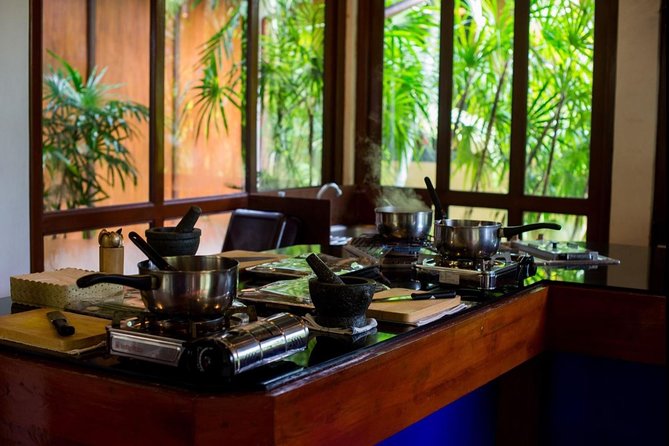
- Hands-on practice with your own space and wok during cooking time
- Recipe booklet + take-home products for what you cook after you’re back home
- Professional instruction in a small group (max 20) for more personal help
- A full 5-course plan that typically includes starter, soup, main, side, and dessert
- You finish with a certificate and then sit down to eat what you made
Price and what you actually get for $166.23
At $166.23 per person for about 4 hours, this isn’t the cheapest cooking class in Phuket. But the value is in what’s bundled in: you get all ingredients, a market tour, Thai herbal drinks on arrival, and the equipment basics needed for cooking. You also leave with a Blue Elephant apron, a recipe booklet, a shopping bag, and some products to take home. That matters, because the hidden cost with many cooking classes is buying ingredients after the fact if you want to cook at home.
You’re also getting a full lesson flow, not just a hands-on cooking session. The schedule includes a short theory segment, fruit/vegetable/herb introductions, cooking practice, then time to eat at the restaurant. Even the “small group” is part of the price logic—max 20 people means instructors can actually watch what’s happening at your station.
One more practical point: this type of class books up. It’s commonly reserved about a month ahead, so if you’re traveling during peak season, I’d plan early rather than trying to solve it last-minute.
You can also read our reviews of more tours and experiences in Phuket.

Meeting point: arriving at Blue Elephant in Phuket Town
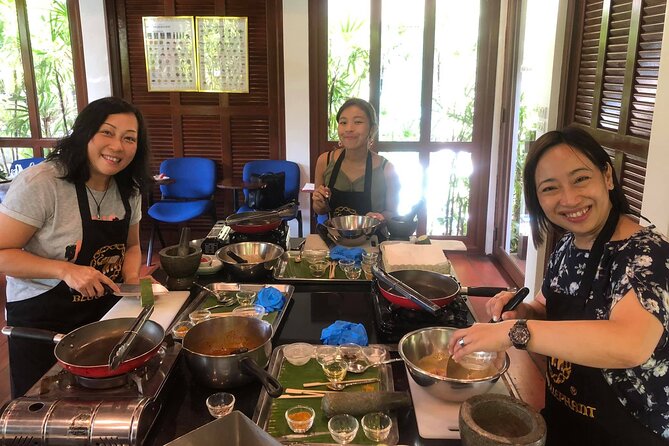
Your day starts at the Blue Elephant Phuket Cooking School & Restaurant, Krabi Road 96 in Phuket Town. The class begins at 1:30 pm, and the activity ends back at the meeting point. Hotel pickup and drop-off are not included, so build in time to get there on your own.
The location is listed as near public transportation, which is helpful. If you’re staying outside Phuket Town, you’ll want to check your route now (not at the last minute), because you’ll need to arrive before the herbal drinks and the opening discussion.
What I like about starting at the school/restaurant area is that you’re already in the right setting. No wandering to multiple spots. Your “class day” is basically contained, which makes the timing feel tight in a good way.
1:30 pm arrival: herbal drinks and a 5-course game plan
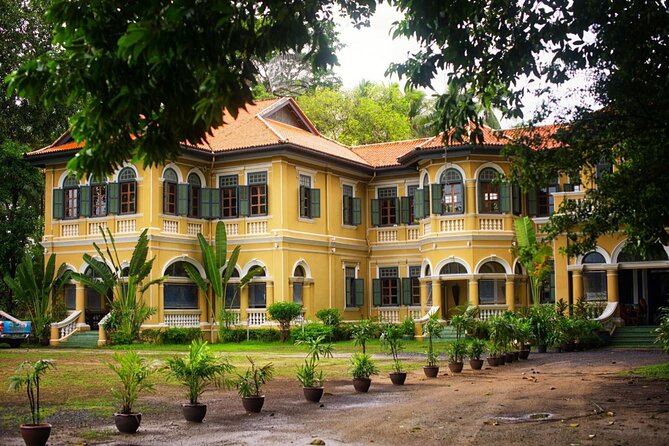
At 1:30 pm, you’ll get refreshing towel(s) and Thai herbal drinks at the Blue Elephant Bar of the Governor’s Mansion Phuket Town. Then the chef sets expectations by discussing the 5-course meal you’re going to prepare.
This early “what we’re making today” step is more useful than it sounds. It helps you understand how flavors build across dishes—so you’re not just repeating steps. Thai cooking often uses overlapping ingredients in different ways (herbs, aromatics, and balanced seasoning), and this introduction gives you that map.
A small practical tip: arrive a touch early if you can. You want your senses awake for the herbs and drinks, and it makes the theory afterward easier to follow.
2:00 pm theory: fruits, vegetables, herbs, and how Thai ingredients work
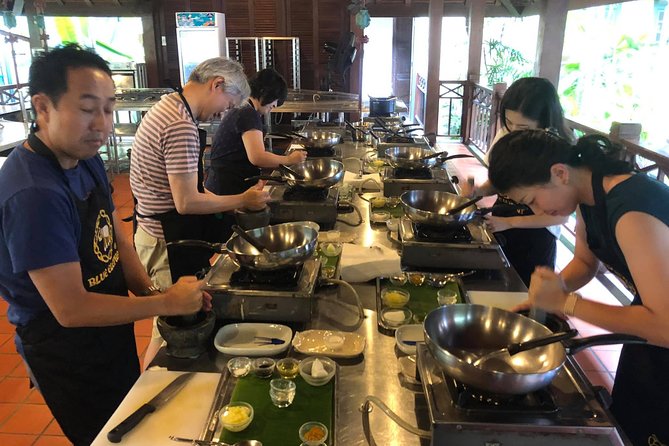
Around 2:00 pm, you move to the theory class. The chef introduces Thai fruits, vegetables, herbs, and typical products you’ll use in the cooking.
This is the part that turns a “recipe class” into a “skills class.” When you understand what an ingredient does—fresh vs. dried, aromatic vs. sweet, crunchy vs. soft—you’re more likely to recreate dishes later without needing to follow every move word-for-word.
You’ll also receive a recipe booklet and a Blue Elephant apron here. Having that booklet at this moment is key. You can connect what you’re hearing to what you’ll cook in the practice room just an hour later.
Schedule note: the plan can shift depending on ingredient availability or unforeseen circumstances. In real life, that’s often code for: they’ll adjust so you still learn the technique rather than forcing you through the “wrong” ingredients.
3:00 pm practice room: your station, your wok, and guided technique
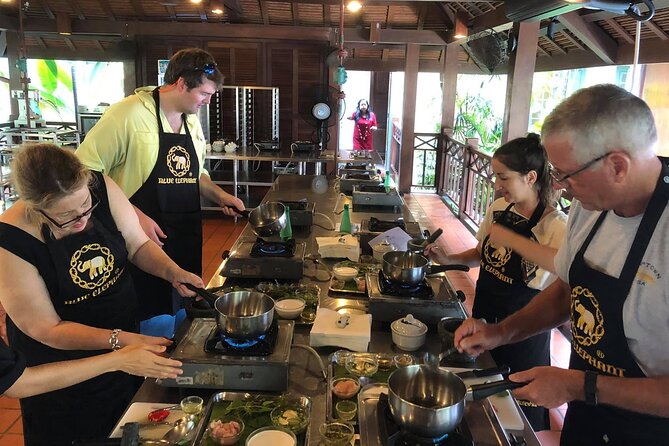
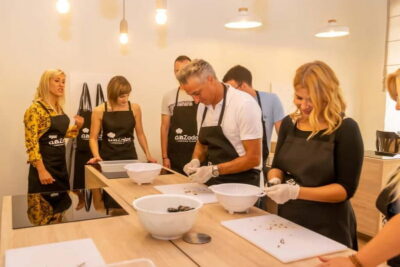
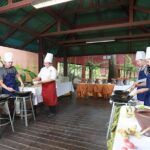
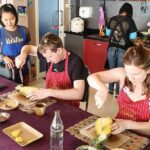
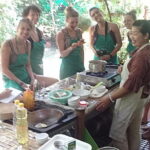
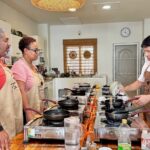
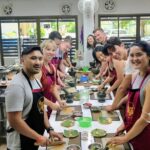
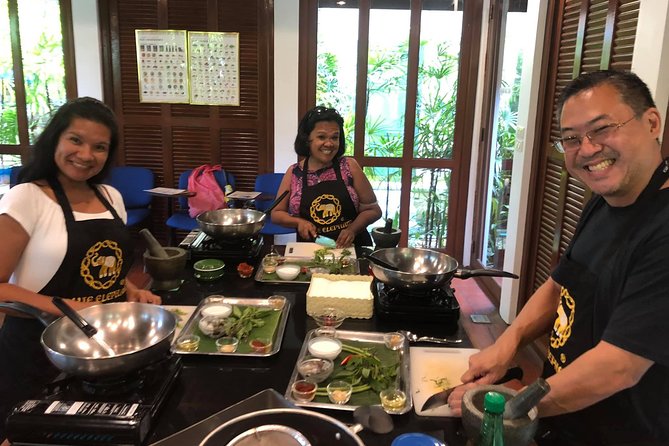
At 3:00 pm, it’s hands-on time in the Practice Room. Each student has their own space and wok, which makes the whole session feel more like a workshop than a show. Assisted by instructors, you learn and practice Thai cooking techniques while five dishes are waiting to be prepared.
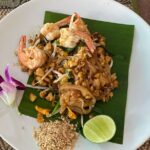
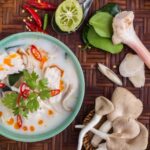
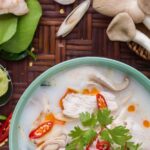
From the class structure, you should expect a range of cooking styles. The typical setup is starter, soup, main dish, accompanying dish, and dessert. Even if your exact menu varies, the value is that you’re cooking across categories, not only stir-frying one type of dish.
One of the best parts of this class format is support. There are assistants who help prepare cooking stations during demonstrations, so the teaching flow isn’t constantly interrupted by someone searching for tools or waiting for prep. You’re still doing the work, but you’re not stuck.
If you’re the kind of cook who likes questions, this is a good match. One review highlight I kept noticing: the instruction felt extremely professional, with plenty of opportunities to ask questions and get clear answers.

4:30 pm finish: certificate and souvenir before dinner
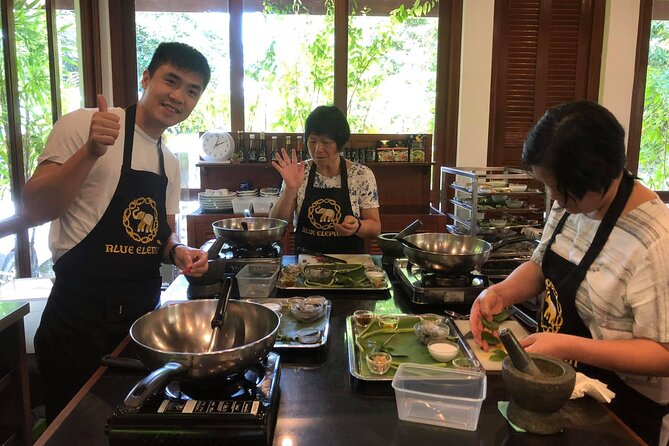
The cooking portion wraps up around 4:30 pm. You’ll receive a certificate and a souvenir. This is one of those small touches that makes the time feel “complete,” especially if you’re traveling and want a meaningful activity that isn’t just a meal.
Then the schedule swings into tasting mode, which is the point where your brain stops tracking steps and starts enjoying the results.
5:30 pm restaurant meal: taste what you cooked, in a convivial setting
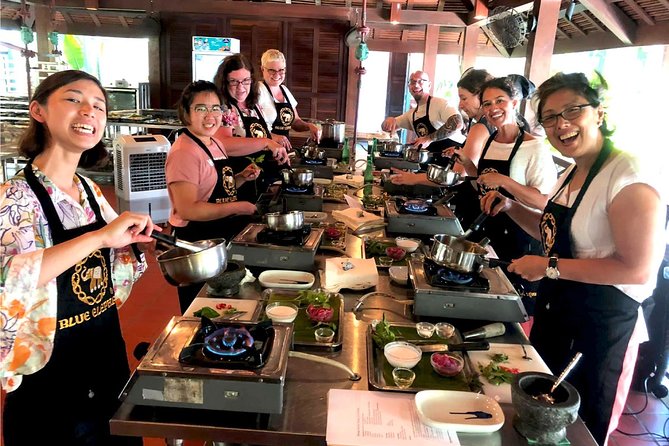
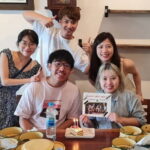
At 5:30 pm, you sit down to taste and enjoy your own culinary creation at the Blue Elephant Restaurant. This is more than a formality. Eating together is where you catch the subtle differences you might miss while cooking—how sauces should balance, how herbs perfume the final dish, and what “done” looks like in Thai food.
Also, because it’s built around the idea of a 5-course meal, you don’t just snack on one dish. You experience the sequence. If you’re trying to understand Thai flavor logic, that matters.
And yes, you’ll likely leave satisfied, not hungry. A well-taught cooking class should feed you like you earned it.
What’s included (and why it matters for value)
Here’s what’s built into your experience:
- All ingredients for the dishes you cook
- Market tour near the school, so you can see ingredients in context
- Thai herbal drinks on arrival
- Refreshing towel
- Blue Elephant apron
- Recipe booklet and cooking recipes
- Shopping bag + some products to take home
- Certificate + souvenir
- Market-related take-home items, so you don’t start from zero after the class
Why this matters: most cooking classes charge less for the lesson but then make you pay for ingredients, travel between stops, or extra items later. Here, you’re already set up to cook again after you get back—because you leave with both the paperwork (the booklet) and ingredients/products to try.
The market stop: learning Thai ingredients before the wok
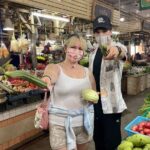
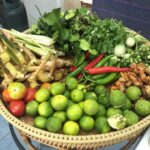
You’ll shop for ingredients at a local market near the school. Even though you’re not given details like which market name or the exact vendors, the purpose is clear: you learn what you’re buying, not just how to cook once it’s in front of you.
This is great for two reasons:
1) You learn how ingredients look in Thailand, which is half the battle when you try to buy them at home.
2) You see how many ingredients are used in Thai cooking, and how they’re grouped by function—fresh aroma, sweet notes, crunchy texture, and so on.
If you love food markets, this alone makes the class feel more authentic than a lesson that never leaves the kitchen.
Small group size: why it changes the whole experience
The tour runs with a minimum of 10 people and a maximum of 20, which keeps it in the “teacher can actually help” range. In practice, that tends to mean less time waiting and more time getting corrections.
Based on what stands out in feedback, the class also feels more formal and structured than some similar experiences. That structure is useful. When you’re learning technique—cutting herbs properly, timing heat, and balancing seasoning—you benefit from a calm, controlled environment.
You’ll still have fun, but you’ll probably also walk away with skills you can repeat, not just memories of a good lunch.
Who this Phuket class is best for
This cooking class is a strong choice if you:
- Want a hands-on Thai cooking lesson with real instruction
- Prefer a small group setting where you can ask questions
- Like the idea of a lesson that includes both shopping and cooking
- Want a structured, recipe-driven day (booklet included) so you can recreate dishes
It’s also a good fit for food lovers who like clarity. Even if you’re not an expert cook, the way it’s staged—from drinks, to theory, to practice—helps you stay oriented.
If you’re in Phuket for a short time and want one major food activity that feels complete, this hits that goal. Four hours is a manageable block, and you finish with a full meal.
Things to consider before you book
A few practical points to keep in mind:
- No hotel pickup: you must get to the school yourself for a 1:30 pm start.
- The class can adjust based on ingredient availability or unforeseen circumstances.
- Your day is structured: this isn’t a slow, wandering experience. It moves from theory to cooking and then straight to eating.
If your travel day is already hectic, build extra buffer. You’ll enjoy it more when you’re not rushing to arrive on time.
Should you book the Blue Elephant Thai Cooking Class?
I’d book it if you want a serious cooking class that still feels friendly, and you care about learning ingredients—not just following steps. The combination of market tour, small-group instruction, hands-on practice with your own wok, and the included meal setup makes it good value for Phuket.
Skip it only if you strongly dislike structured schedules or you’re hoping for a class with pickup and minimal logistics. For most people who can get themselves to Phuket Town, this is a high-confidence experience: you leave with recipes, a certificate, and the skills to cook Thai food again without guessing.
FAQ
What time does the Blue Elephant Thai Cooking Class start?
The class starts at 1:30 pm. It ends back at the meeting point.
Where do I meet for the cooking class?
You meet at Blue Elephant Phuket Cooking School & Restaurant, Krabi Road 96, Phuket Town (83000), Thailand.
Is hotel pickup included?
No. Hotel pickup and drop-off are not included.
How long is the cooking class?
The duration is about 4 hours (approx.).
What does the class include besides cooking?
You’ll have refreshing Thai herbal drinks on arrival, a market tour to shop for ingredients near the school, a recipe booklet, a Blue Elephant apron, and time to eat at the restaurant. You also receive a certificate and souvenir, plus a shopping bag and some products to take home.
Is there a minimum age or child ticket age?
Child ticket age is listed as 6–11 years.