REVIEW · BOLOGNA
Bologna on the plate, Cooking Class with Alessia
Book on Viator →Operated by alessia fiocchi · Bookable on Viator
Bologna is best learned with your hands. This hands-on cooking class with Alessia Fiocchi gives you real technique for Bolognese-style pasta and wine pairings, not just a meal out. My favorite parts are the step-by-step dough work and the way you sit down and eat what you make with paired wine. One thing to consider: this happens in a home kitchen with a cat named Pol, and the location is in a residential complex that can take an extra minute to find.
In a group capped at 10, you’ll usually make 2 or 3 recipes—think tortellini in broth, tagliatelle with ragù, and stuffed pasta like tortelloni—plus a typical dessert. If you’re vegetarian, Alessia prepares vegetarian-friendly sauces and pasta, so you’re not just watching while others cook. You’ll leave full, but also with recipes you can try again later.
In This Review
- Key highlights at a glance
- Bologna on the plate: why this class feels like the real thing
- Meet Alessia in a residential Bologna kitchen (and yes, there’s a cat)
- What you cook: tortellini, tagliatelle ragù, and tortelloni with sage
- Tortellini in broth with homemade capon broth
- Tagliatelle with ragù (classic Bolognese style) and homemade bread
- Tortelloni with butter and sage (including alpine butter)
- Vegetarian pasta dish (with vegetarian sauces and pasta)
- Dessert, wine, and the moment you eat what you made
- Why the technique is worth the time (not just the food)
- Logistics: how to find Via Sabotino and what to expect on arrival
- Price and value: what $89.47 buys you in Bologna
- Who should book this class (and who might not love it)
- Should you book Bologna on the plate with Alessia?
- FAQ
- What dishes will I cook in the class?
- How long is the cooking class?
- What is the group size limit?
- Is there a vegetarian option?
- Is wine or alcohol included?
- Do we make dessert too?
- Where does the class start and end?
- Is the ticket mobile?
- Is the location near public transportation?
- Is the class weather dependent?
Key highlights at a glance
- Small-group home setting (max 10): more coaching, more conversation, less crowding.
- Classic Bologna dishes, done properly: tortellini in broth, tagliatelle ragù, tortelloni with sage.
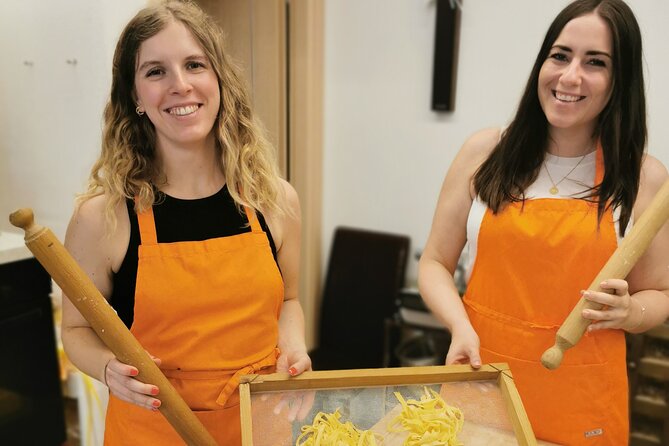
- Real pasta technique: you make dough and form fresh pasta, not just assemble plates.
- Dessert included, often tiramisu: you finish with a sweet you can actually recreate.
- Wine with the food: pairings are explained so you know what goes with what.
- Vegetarian accommodations: sauces and pasta are adjusted for vegetarian guests.
Bologna on the plate: why this class feels like the real thing
Bologna’s food culture can be taught two ways: by sightseeing, or by doing. This class leans hard into doing. You’ll work with pasta dough, shape stuffed pasta, cook sauces, and then eat a full sit-down dinner that matches what you made.
What makes it feel authentic is the focus on regional technique. You’re not just learning how to cook an Italian dinner in general. You’re learning how Bologna cooks—starting with pasta in broth, moving to the ragù style that the city is famous for, and ending with classic desserts. It’s also a small group experience, which means Alessia can correct your hand position, your dough consistency, and your cooking timing instead of lecturing from the front.
The other big reason I like this format: you’re eating the result immediately, in the same home where you cooked it. That changes your whole relationship to the dishes. You taste while memories are fresh—what that dough felt like, what the sauce smelled like, and what the wine did to the flavor. It’s not a lesson that floats off into the ether; it lands on your plate.
You can also read our reviews of more tours and experiences in Bologna.

Meet Alessia in a residential Bologna kitchen (and yes, there’s a cat)
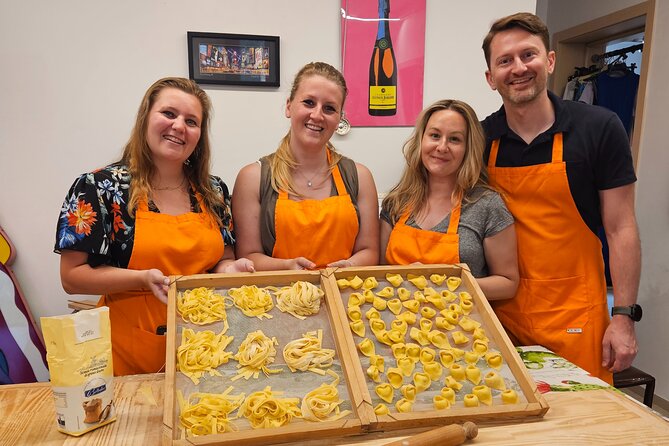
The class meets at Via Sabotino, 27, 40131 Bologna. From there, you’re heading to a residential area—inside a home setup where the cooking happens. In practical terms, this means the vibe is cozy and lived-in, not staged like a classroom.
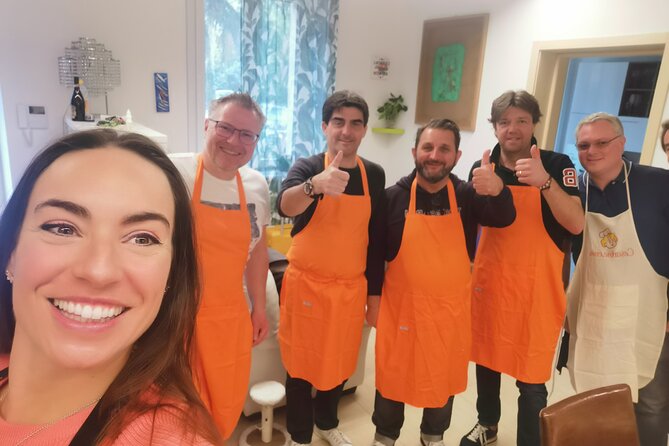
It also means footwear and movement matter. You’ll be working at a kitchen station, using utensils, and standing for parts of the pasta work. Some past groups have mentioned that Alessia provides footwear and aprons, which helps you focus on technique instead of worrying about what you’re wearing.
And then there’s Pol. Alessia’s cat is part of the household. The good news is that Pol typically stays calm during the lesson. The practical note is simple: if you have strong allergies or aversions to cats, take that seriously before booking.
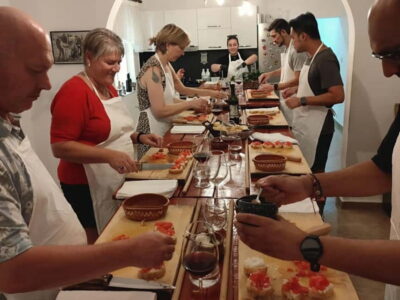
Group size is capped at 10, and many of the experiences described a welcoming, inclusive atmosphere. That matters, because pasta-making can be intimidating if you’re not used to cooking with your hands. In this setting, you’re guided step-by-step and also encouraged to participate so nobody becomes a passive spectator.
What you cook: tortellini, tagliatelle ragù, and tortelloni with sage
This class is built around 2 or 3 recipes of typical Bolognese or regional cuisine. The sample menu gives you a clear idea of the core dishes, and the hands-on parts are where the experience earns its value.
Tortellini in broth with homemade capon broth
You start with tortellini in broth. The key here is the broth—homemade capon broth is used for the dish in the sample menu. That matters because broth is where comfort flavors live. If you’ve only had tortellini in restaurant form, the homemade broth is often the difference between good and unforgettable.
Cooking tortellini also teaches you how fresh pasta behaves. Fresh pasta cooks faster than dried, and the broth carries delicate aromas straight to your nose. You’ll understand why the sauce and liquid aren’t afterthoughts.
Tagliatelle with ragù (classic Bolognese style) and homemade bread
Next comes tagliatelle with ragù. In the sample menu, it’s the classic Bolognese sauce, served with homemade bread. This is the backbone of Bologna eating: slow-cooked meat sauce style served over a pasta shape that holds sauce well.
The teaching value here is technique. You’re not just eating ragù—you’re learning how the pasta and sauce timing line up. If you want to recreate something at home, this course gives you a template: make the sauce, cook pasta, and bring them together with the right texture.
Also, tasting the ragù is part of the learning. You’ll see how it changes through the pairing process when wine comes into play later.
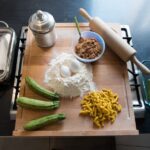
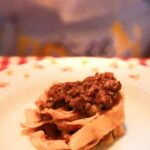
Tortelloni with butter and sage (including alpine butter)
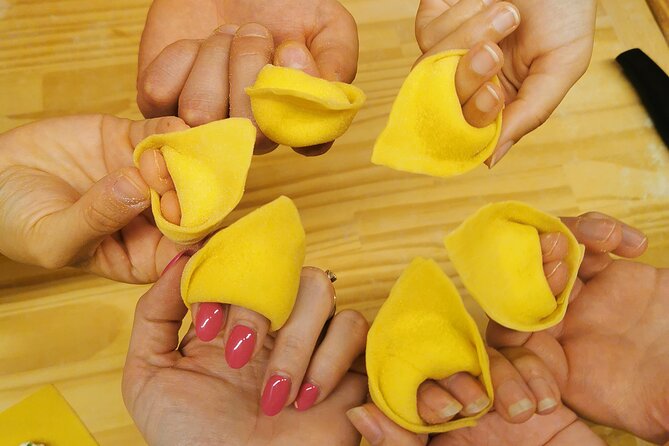
Then you might move to tortelloni with butter and sage. In the sample menu, it’s alpine butter and fresh sage. Some hands-on descriptions also mention tortelloni stuffed with ricotta and parsley, which is exactly the kind of regional filling you want to learn if you’re serious about Italian cooking.
Butter and sage is a classic way to let the pasta filling and aroma speak. It’s also a quick taste lesson: the flavor of sage shows up fast, so you’ll likely pay attention to heat control. Overcook it, and it turns harsh. Cook it right, and it smells like spring meets butter.
Vegetarian pasta dish (with vegetarian sauces and pasta)
If you’re vegetarian, Alessia prepares sauces and pasta that fit your needs. Instead of creating a separate, sad plate of something bland, the class is built to keep you in the main cooking flow. The sample menu explicitly includes a vegetarian pasta dish.
This matters because a cooking class isn’t much fun when only one group gets the full recipe set. Here, you should still be shaping, cooking, and sitting down to the same-course flow.
Dessert, wine, and the moment you eat what you made
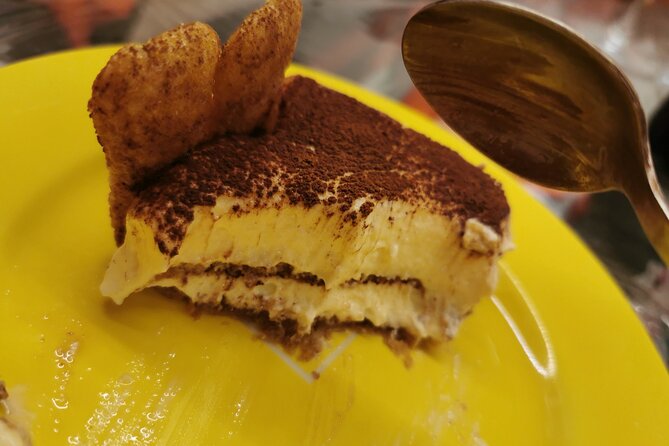
Dessert is part of the experience, and this is where the course earns major “best part” comments. While the sample menu lists typical desserts, multiple class experiences specifically mention tiramisu as the sweet you help create.
If tiramisu is on your menu, you’ll get hands-on practice with how the layers come together and how the final texture should look. It’s a dessert many people try at home, but only a few people learn the method properly. A class like this gives you cues you can’t get from a recipe alone.
Then comes the meal portion: you sit down and eat the pasta and dessert you created, alongside wine.
Wine is included, and it’s not random. You taste some good wine that pairs with the food, and you also get explanation about pairings in a way that makes sense. One of the most practical reasons wine pairing matters in cooking classes is that it teaches you balance. You learn what the wine highlights: fat, starch, acidity, and the herbs in dishes like sage-and-butter pasta.
Also, alcoholic beverages are included. That’s a real value point here because many cooking classes charge extra for drinks. If you’re trying to keep costs predictable, this helps.
Why the technique is worth the time (not just the food)
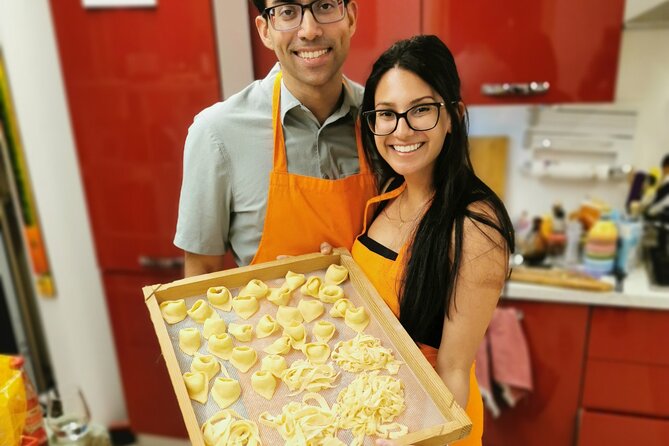
A 3-hour cooking class can sound short until you see what you actually do: dough work, shaping pasta, sauce timing, and a full sit-down meal. The time flies because you’re switching tasks instead of listening to a long lecture.
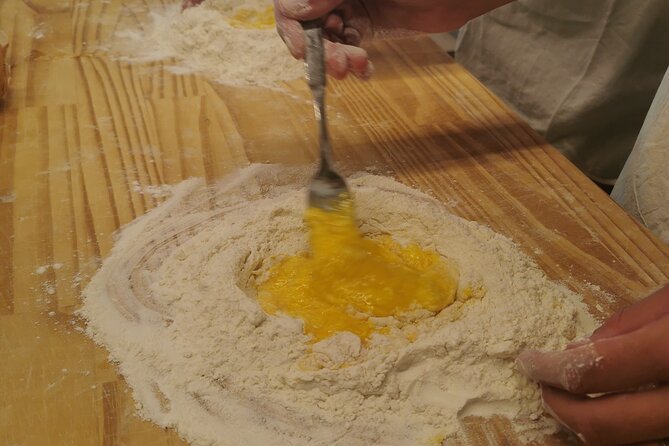
Here’s what you’re really paying for: feedback. In a group of up to 10, Alessia can point out what you’re doing and why it matters. You’ll get specific coaching on pasta dough consistency and on how to handle each step without overthinking it.
You also get practical materials. Multiple experiences describe that Alessia provides recipes so you can recreate the dishes later. That’s one of the biggest “value” multipliers of any cooking class. A great meal is nice, but a great lesson you can repeat at home is what turns the memory into a skill.
And the social side isn’t just a bonus. In several experiences, people talked about conversation during the class and the international mix of the group. That’s not mandatory fun; it’s built into how a small group cooking class works. You end up learning from the chef, but also hearing what other people are planning to do after Bologna—where to eat, what dishes to look for, and what to try next.
Logistics: how to find Via Sabotino and what to expect on arrival
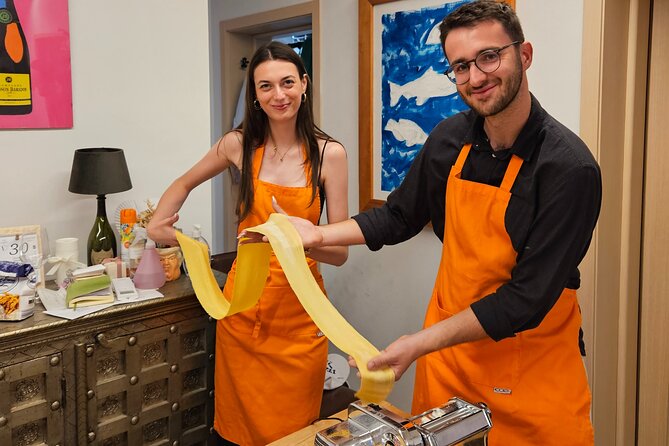
Location is a real factor with this class. It’s not in a tourist-square kitchen. The address is Via Sabotino, 27, and the class ends back at the meeting point. That’s straightforward on paper, but the practical feel is that it’s in a residential complex.
Some people have described it as behind a gate and down a gravel driveway. That’s exactly the kind of detail that can slow you down if you show up flustered. My advice is simple: arrive a few minutes early, use a map app, and don’t rely on your first glance at the street to tell you everything.
Parking can be tricky because it’s a residential area. If you plan to commute, being near public transportation helps. Many people choose a cab, rideshare, or bus to keep it easy.
Also plan for getting comfortable with home-kitchen cooking space. Expect a more intimate setup than a big cooking studio. That’s part of the charm—but it also means you should dress for hands-on work.
Price and value: what $89.47 buys you in Bologna
At $89.47 per person for about 3 hours, this sits in the “highly worth it if you’ll cook” category. The reason is that the class includes alcohol and delivers a full meal built from the recipes you make.
If you compare it to buying ingredients and trying to recreate everything on your own, the math often becomes tough. You’d have to buy the right ingredients, get enough time to execute pasta dough and filled pasta correctly, and then still deal with technique gaps. Here, you get the technique coaching plus a finished dinner—so you’re buying instruction, not just dinner.
The small-group size matters too. Maximum 10 travelers means you’re more likely to get individual attention. In a cooking class, that’s what turns the lesson into something you can repeat later.
The vegetarian option is also a value point. You’re not paying the same price for a simplified side dish. You should get an equivalent experience built around vegetarian sauces and pasta.
Who should book this class (and who might not love it)
I’d steer you toward this cooking class if you:
- love Italian food and want more than tasting
- want to learn fresh pasta and practical techniques
- like small-group settings where you can ask questions
- want a Bologna-focused menu: tortellini, tagliatelle ragù, and tortelloni
You might want to rethink booking if:
- you have serious cat allergies or strong aversion to cats (Pol is part of the home)
- you hate residential-area navigation and prefer central meeting points
- you want a big guided walking tour instead of hands-on cooking
For families, the experiences I saw included groups with kids, and Alessia includes people in the process. If you’re traveling with a younger guest, this kind of interactive food lesson can be a good match as long as the child is comfortable standing and participating at a kitchen pace.
Should you book Bologna on the plate with Alessia?
Book it if you want a core Bologna memory built on technique and taste. This is one of those experiences where the value comes from doing: shaping pasta, making sauce, learning the logic behind regional dishes, and then eating immediately with wine pairings.
Skip it only if the home setting doesn’t work for you—especially if cats are a concern or if you dislike finding places in residential complexes. For most food travelers, though, this class hits a sweet spot: authentic local cooking, a friendly teacher in Alessia’s home, and a final meal that actually feels like yours.
If you’re trying to choose one “food experience” while in Bologna, this is the kind that pays off even after you leave the city.
FAQ
What dishes will I cook in the class?
The class centers on 2 or 3 recipes of typical Bolognese or regional cuisine. The sample menu includes tortellini in broth (with homemade capon broth), tagliatelle with classic Bolognese ragù (served with homemade bread), tortelloni with butter and sage, plus a vegetarian pasta dish.
How long is the cooking class?
It runs for about 3 hours.
What is the group size limit?
The class has a maximum of 10 travelers.
Is there a vegetarian option?
Yes. Alessia prepares sauces and pastas suitable for vegetarian guests, and the sample menu includes a vegetarian pasta dish.
Is wine or alcohol included?
Alcoholic beverages are included, and you will taste wine that pairs with the food.
Do we make dessert too?
The class includes typical desserts. Desserts like tiramisu have been part of the experience.
Where does the class start and end?
It starts at Via Sabotino, 27, 40131 Bologna BO, Italy, and ends back at the same meeting point.
Is the ticket mobile?
Yes, the experience uses a mobile ticket.
Is the location near public transportation?
Yes, it is near public transportation.
Is the class weather dependent?
Yes. It requires good weather, and if it’s canceled due to poor weather you’ll be offered a different date or a full refund.