REVIEW · LISBON
Lisbon: Portuguese street food cooking class with Drinks
Book on GetYourGuide →Operated by Compadre Cooking School · Bookable on GetYourGuide
Two hours, three iconic snacks, zero intimidation. At Compadre Cooking School, you’ll cook classic Portuguese street food with an English-speaking team, then finish with wine and ginja. I like that the stations are hands-on and that the chefs explain the why behind each dish, not just the how.
One heads-up: this is very practical. If you prefer more watching and less hands-on, you may find the pace leans toward doing it yourself (which is also the fun part).
You’ll start with a quick culture and history chat, roll up your sleeves, share the meal as a group, and leave with recipes you can realistically repeat at home. Just wear comfortable shoes and show up about 5 minutes early.
In This Review
- Key Points to Know Before You Go
- Inside Compadre Cooking School: A Clean Kitchen and an Easy Start
- What You’ll Cook in 2 Hours: Bifana, Caldo Verde, Peixinhos da Horta
- Bifana (Pork Sandwich)
- Caldo Verde (Collard Greens Soup)
- Peixinhos da Horta (Tempura’s Inspiration)
- The Intro Part: Stories That Explain Why the Food Fits Portugal
- The Hands-On Cooking Moment: Working Side by Side
- The Meal at the Table: Shared Food, Wine, and Ginja
- Price and Value: Is $55 Worth It?
- Who This Class Is Perfect For (and Who Should Skip It)
- Practical Tips Before You Walk In
- Should You Book This Portuguese Street Food Class?
- FAQ
- How long is the Portuguese street food cooking class?
- Where do I meet for the class?
- What dishes will I learn to make?
- Is prior cooking experience required?
- What drinks are included?
- Is the class taught in English?
- Can the recipes be adapted for a diet?
- What should I wear or bring?
- Is the class wheelchair accessible, and can I cancel?
Key Points to Know Before You Go
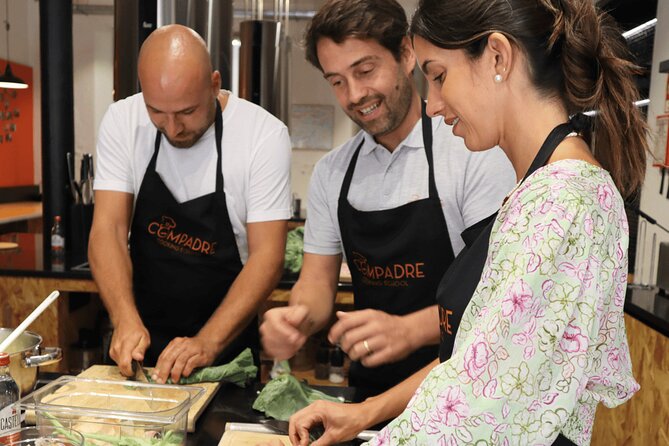
- Hands-on, station-style cooking with clear chef guidance and lots of participation
- Three Portuguese classics: bifana, caldo verde, and peixinhos da horta (the tempura-inspired dish)
- Short dish-history intro so the food makes sense in context
- Included drinks that actually fit the meal: a glass of wine plus ginja tasting
- Clean, professional kitchen setup, designed for cooking rather than demos
Inside Compadre Cooking School: A Clean Kitchen and an Easy Start
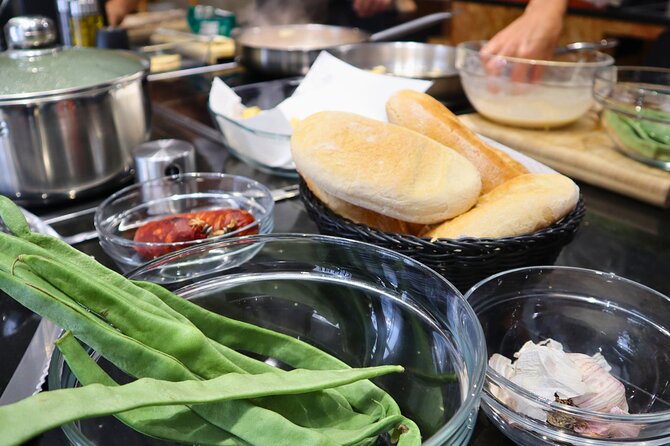
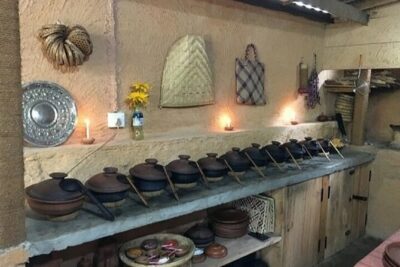
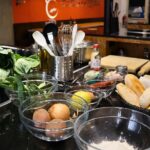
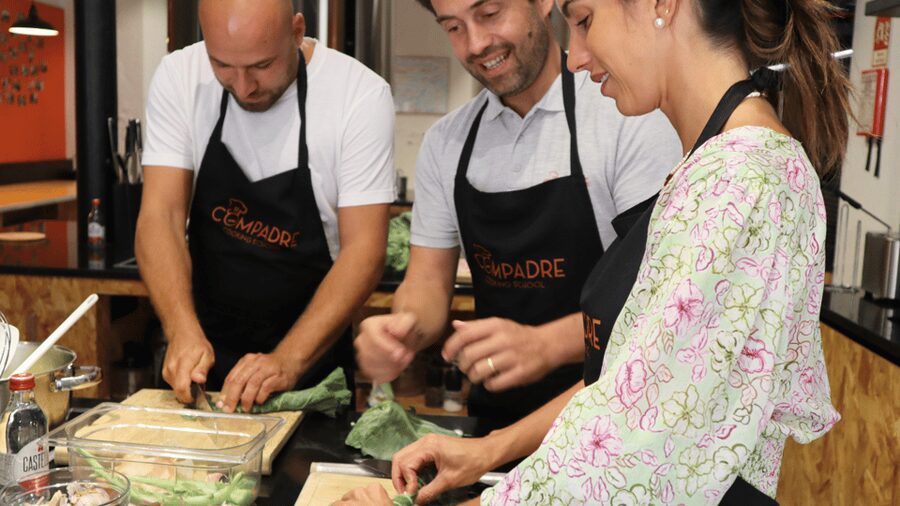
This class is built for people who want real food skills, not a lecture-and-take-a-selfie situation. The setting is a proper cooking school kitchen, and the feedback I saw kept coming back to one theme: the workspace is spacious and spotless, with professional stations that help you focus instead of worrying about the mess.
The vibe is friendly and functional. You’re not sent off to figure things out on your own. You’ll be guided by the chefs as you move through the steps, and you’ll get plenty of chances to participate as the dishes come together.
A big plus for me is the “no experience needed” approach. You’re not required to know kitchen terms or have knife skills already. If you can follow instructions and you’re willing to work at a comfortable pace, you’ll do fine.
From past sessions, the instructors have included names like Marta and Anna, and Roy has been mentioned in connection with the drink portion. That matters because it’s not just random staff telling you what to do; the class is run by people who can explain and help you get it right.
The one drawback I want to flag is style. Some people love heavy hands-on coaching, while others want more teaching and less “do it now.” If you’re in the second camp, just know this experience leans practical—less “watch me cook,” more “join the cooking.”
You can also read our reviews of more tours and experiences in Lisbon.


What You’ll Cook in 2 Hours: Bifana, Caldo Verde, Peixinhos da Horta
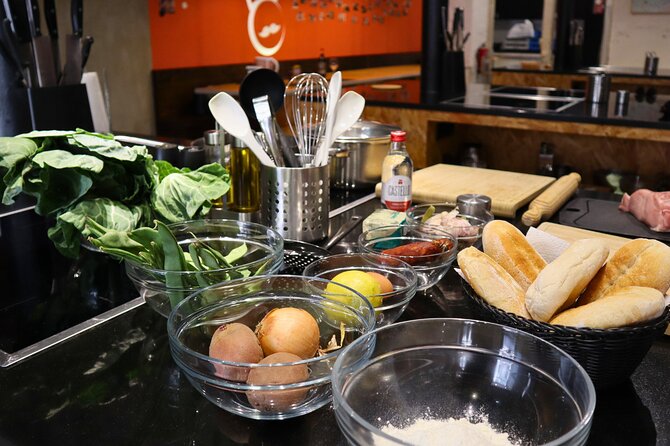
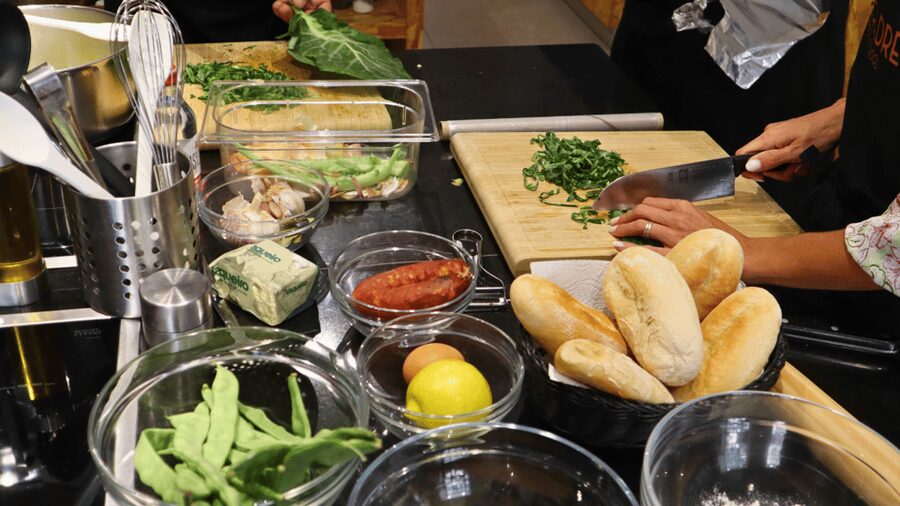
The heart of this class is simple: you learn three iconic Portuguese street foods and how to prepare them. In a tight 2-hour window, that focus helps you actually leave with usable recipes, not just food memories.
Bifana (Pork Sandwich)
Bifana is described as the famous Portuguese pork sandwich. That’s your starting point for the “street food” mindset: portable, flavorful comfort food that locals eat often, not just on special occasions.
What’s valuable here is not only making the sandwich, but learning what makes it feel like bifana—how the pork is handled and how the flavors get balanced so it works as a handheld meal.
Caldo Verde (Collard Greens Soup)
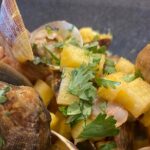
Caldo verde is the traditional collard greens soup. This dish shows you how Portuguese comfort food can be both simple and satisfying. Feedback on the class repeatedly calls out the soup as a standout, especially for how good it turns out when you cook it as a group.
This is the kind of recipe you’ll remember because it’s comforting, forgiving, and easy to recreate later. You’ll also get a better sense of why it’s so common at Portuguese tables: it’s built for everyday appetite, not fuss.
Peixinhos da Horta (Tempura’s Inspiration)
Peixinhos da horta is the big “Portuguese street food meets world food” story. It’s the dish said to have inspired tempura. That makes your cooking lesson feel more global than you’d expect from a local snack class.
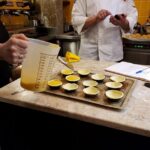
You’ll work through the steps for this crispy, batter-based dish and understand what it represents in Portuguese food culture—street food that’s not “tourist Portuguese,” but part of local eating traditions.
In reviews, the dish gets tied to the best kind of learning: you’re not just reading about tempura history; you’re making the Portuguese cousin that helped create the idea.
The Intro Part: Stories That Explain Why the Food Fits Portugal
Before the cutting and cooking starts, you’ll get a short introduction to the history and culture of these dishes. You’re not trapped in a textbook moment, though. The point is to connect the dish to daily life—what these foods mean, where they show up, and why they’re still loved.
That context makes your cooking lesson stick. When you know where a dish comes from and why locals reach for it, you cook differently. You care more about getting the details right, because you’re not just following steps—you’re recreating something with a role in real Portuguese routines.
This is also where you’ll hear the origin stories tied to each dish and their place in Portuguese daily life. If you love travel that includes the “how did this become normal here?” part, this brief orientation is exactly the right length for a 2-hour class.
And it’s practical. You’re not asked to memorize dates. You’re given food stories that help you cook with confidence.
The Hands-On Cooking Moment: Working Side by Side
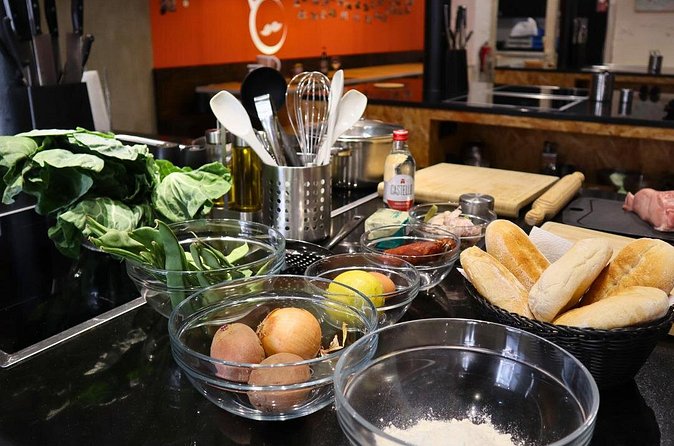
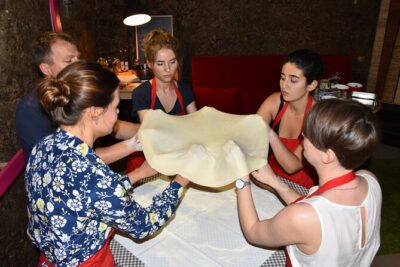
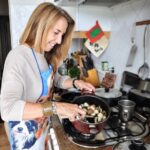
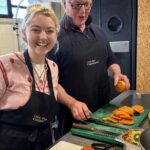
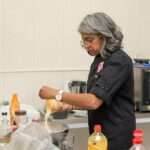
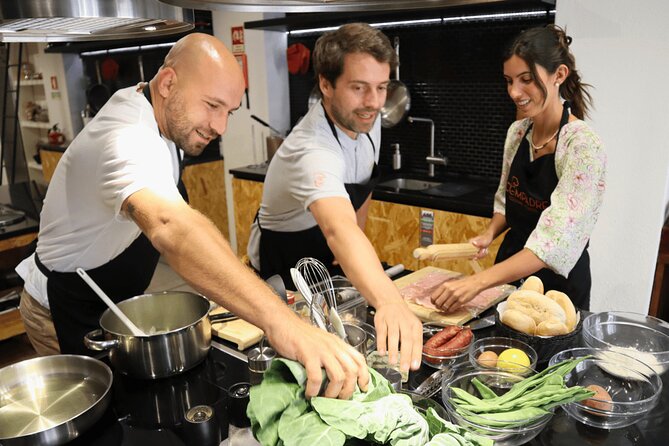
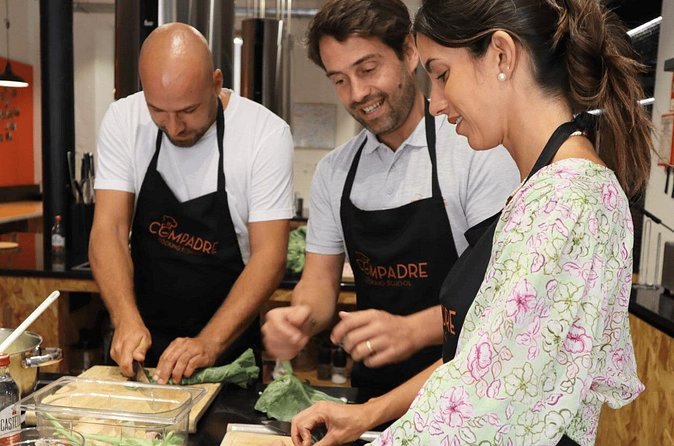
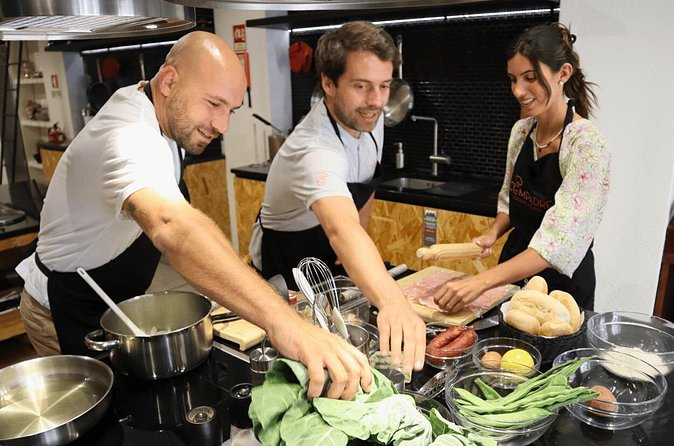
This class is group cooking in a structured way. You’ll cook at stations with chef guidance, and you’ll work alongside fellow participants as the dishes come together.
One reason this works well is timing. With only two hours, the chefs keep the workflow moving. That means you get chances to help throughout the process, rather than waiting around for someone else to do all the prep.
Feedback also points out that the steps are clear enough that you can participate almost the entire time. That’s a key feature for first-timers, because it turns cooking anxiety into simple tasks: mix, assemble, follow the step order, and watch the dish take shape.
The school also appears to take hygiene and organization seriously. Past notes mention cooking areas that are spacious and spotless, which makes a difference when you’re learning in a hands-on environment.
Potential drawback again: since this is hands-on, you may not get long explanations for every single step. If you want the comfort of slow, lecture-style instruction, you might wish for a slightly more teacher-led pace.
The Meal at the Table: Shared Food, Wine, and Ginja
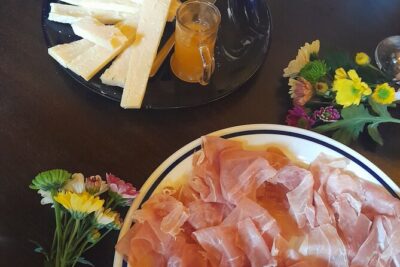
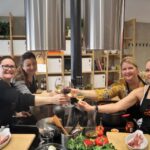
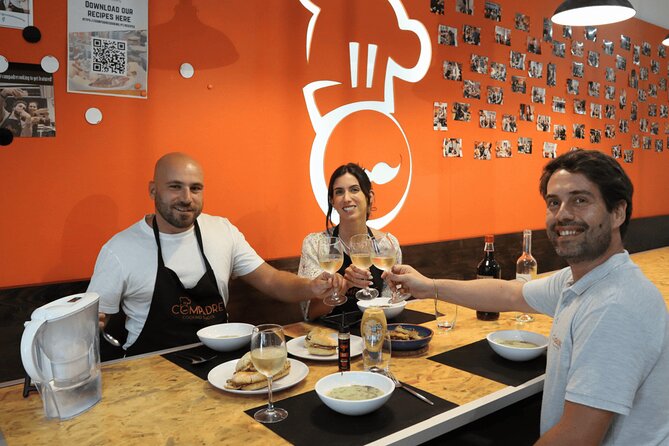
After you cook, you all gather around to enjoy what you made. This is one of my favorite parts of cooking classes in general, because it turns a kitchen skill into a social memory. You don’t just eat quietly; you share the meal with people you met in the class, and everyone compares notes.
The drinks are part of that meal experience. You’ll serve a glass of wine (red or white) with the food, then taste ginja, a traditional Portuguese cherry liqueur, at the end. That gives the evening a natural rhythm: savory cooking first, then a sweet liqueur finish.
I like that the drinks aren’t an afterthought. One feedback highlight specifically mentioned learning about a drink process with Roy and the kind of standards used in industry—so the class can also be educational beyond food alone.
Also, the meal isn’t just a “token taste.” It’s a shared meal built from the dishes you cooked, so you leave satisfied instead of still hungry and looking for dinner elsewhere.
Price and Value: Is $55 Worth It?
$55 for a 2-hour class with ingredients, chef guidance, a shared meal, wine, and a ginja tasting can feel like a deal or a splurge depending on what you compare it to. Here’s how I’d judge the value.
You’re paying for:
- Chef-led instruction in English
- All cooking ingredients
- A full group meal based on the dishes you cook
- Included wine (red or white)
- Ginja tasting
- A setting designed for cooking rather than basic demonstration
What you’re not paying for:
- Transportation to and from the class
- Any extra drinks beyond what’s provided
For me, the best value signal is that it’s not limited to the usual “tourist Portugal” staples. One note specifically pointed out that this class goes beyond the most famous hits and includes lesser-known authentic recipes alongside comfort classics. That mix matters because it helps you learn variety, not just the most obvious dishes.
If you like hands-on learning, want a break from sightseeing, and would actually cook these recipes at home, the $55 price starts to look very fair. If you only want to snack and take pictures, you’ll probably feel less satisfied. This is for people who enjoy cooking, eating, and doing it together.
Who This Class Is Perfect For (and Who Should Skip It)
This experience fits you if:
- You want practical recipes you can repeat later
- You like street-food styles—simple, flavorful, everyday Portuguese food
- You enjoy a social meal with new people
- You’re traveling solo, as a couple, or with friends who all like food
It’s also a smart choice if you’re not a confident cook. The “no prior cooking experience needed” setup keeps it accessible.
It may be less ideal if:
- You strongly dislike hands-on cooking and prefer watching only
- You need wheelchair access. This class is listed as not suitable for wheelchair users.
Also, if you have a specific diet, the good news is that you can contact them for adaptation. If you care about dietary restrictions, plan to message ahead so they can align the recipes.
Practical Tips Before You Walk In
This is one of those classes where small preparation makes a big difference.
- Wear comfortable clothes and comfortable shoes. You’re standing and working.
- Arrive about 5 minutes early so you can settle in.
- If you smoke, this is not a place to do it. Smoking is not allowed.
- Alcohol and drugs are listed as not allowed, but the class does include a glass of wine and a ginja tasting. Follow the rules of the session and don’t bring extra substances.
- If you have dietary needs, contact the organizers so they can adapt the recipes.
Should You Book This Portuguese Street Food Class?
I think you should book it if you want a short, high-satisfaction food experience in Lisbon that includes real cooking, a proper group meal, and two classic Portuguese drink moments. The combination of three dishes, hands-on participation, and a finish with wine and ginja makes it feel like more than a snack stop.
Don’t book it if you hate cooking sessions, need wheelchair accessibility, or only want a quick history talk. This is action-based. You’ll be working at the stove and tasting what you make.
If you’re on the fence, choose it as your food-focused break between sightseeing blocks. After this, you’ll have a better sense of Portuguese comfort food than you would from just wandering snack bars.
FAQ
How long is the Portuguese street food cooking class?
The class lasts 2 hours.
Where do I meet for the class?
You meet at the Compadre Cooking School kitchen.
What dishes will I learn to make?
The class focuses on Bifana, Caldo verde, and Peixinhos da horta.
Is prior cooking experience required?
No prior cooking experience is needed.
What drinks are included?
You get a glass of wine (red or white) and a tasting of ginja (Portuguese cherry liqueur).
Is the class taught in English?
Yes, the instructor teaches in English.
Can the recipes be adapted for a diet?
If you have a specific diet, you can contact the organizers and they can adapt the recipes.
What should I wear or bring?
Wear comfortable clothing and comfortable shoes suitable for cooking.
Is the class wheelchair accessible, and can I cancel?
It is not suitable for wheelchair users. There is free cancellation up to 24 hours in advance for a full refund, and you can reserve now and pay later.