REVIEW · TOKYO
Shinjuku Tokyo: Authentic Japanese Home-Style Culinary Class
Book on GetYourGuide →Operated by Wa No Kokoro Cooking Activity Class · Bookable on GetYourGuide
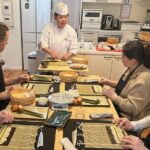
Tokyo smells like dinner you learned to cook yourself. This Shinjuku-area class is a hands-on, English-led session focused on Japanese home-style cooking, not fancy restaurant theatrics. You’ll choose a menu option (if your date allows it), cook with prepared ingredients, and sit down to enjoy a meal built by your own hands.
I especially like the way the menu choices cover real everyday favorites, from okonomiyaki and yakisoba to gyoza, takoyaki, sushi rolls, and a gozen set. Second, I like that the class is set up to work with real-world needs, with dietary preferences discussed in advance (including vegetarian or vegan options) and allergies handled when you notify them.
One possible drawback: your ability to pick among the menu options can depend on whether other groups join the same session, so double-check how menu selection works for your specific date and group size.
In This Review
- Quick hits before you book
- Finding the kitchen studio near Shinjuku (and why the address matters)
- Choosing your menu: the five ways you can eat Tokyo comfort food
- Menu A: Okonomiyaki and yakisoba set
- Menu B: Gyoza and takoyaki set
- Menu C: Rolled sushi, teriyaki set, and miso soup
- Menu D: Traditional gozen set (a little of everything)
- Menu E: Request a custom menu
- What happens during the 150 minutes: cooking steps you can repeat
- The big payoff: learning texture and timing, not just recipes
- Dietary preferences and allergy planning that actually feels practical
- Instructor-led, English-friendly, and question-friendly
- The meal: you get a full Japanese home-cooked style lunch/dinner
- Value for $88: why the price can make sense in Tokyo
- Practical tips to help you enjoy it smoothly
- Should you book this Shinjuku home-cooking class?
- FAQ
- Where is the class located?
- How much does it cost and how long is it?
- What kind of food will you cook?
- Can I choose my menu?
- Does the class accommodate vegetarians or vegans?
- What about food allergies?
- Is the instructor English-speaking?
- What’s included in the price?
- Is private transportation included?
Quick hits before you book
- Shinjuku-friendly location: central Tokyo setup near Shinjuku, with the exact address sent after booking
- Hands-on cooking time: you cook multiple dishes, then eat the full meal you made
- Pick from classic menu sets: okonomiyaki + yakisoba, gyoza + takoyaki, sushi + teriyaki, or a gozen assortment
- Works for dietary needs: you can discuss vegetarian/vegan preferences and allergies ahead of time
- English instruction: instructors teach in English, and many guides share ingredient know-how and dish background
- Small and question-friendly: some dates feel very personal, which helps if you want lots of technique detail
Finding the kitchen studio near Shinjuku (and why the address matters)
This class is held in a kitchen studio in or around Shinjuku, which is convenient if you’re staying anywhere in central Tokyo. The catch is the details: the exact address is provided after you book, so you’ll want to wait for that message before you set out.
Plan to give yourself a little buffer time. One past participant got sent to the wrong part of the building and had to phone to get let in, which can happen when entrances and signage aren’t obvious. If you’re the type who likes to arrive early and relax, you’ll probably enjoy the experience more.
You can also read our reviews of more tours and experiences in Tokyo.
Choosing your menu: the five ways you can eat Tokyo comfort food
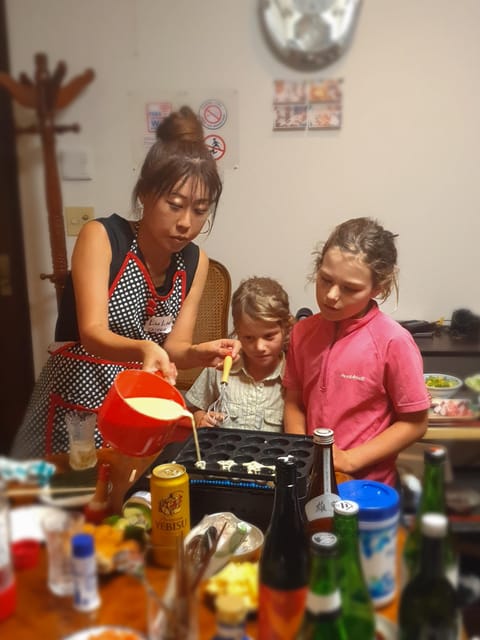
At booking time, you’ll be able to choose a menu option from the main set: A, B, C, or D. If you’re traveling with special requests, there’s also an option to ask for a custom menu (E), and you’ll discuss and decide together.
Here’s what each menu includes and what you’re learning through it:
Menu A: Okonomiyaki and yakisoba set
This set is all about griddle-style Japanese comfort food. You’ll make okonomiyaki, built from batter and chopped cabbage plus other ingredients, cooked on a teppan (hot iron/griddle style) and finished with sauces and toppings. You’ll also make yakisoba, which uses stir-fried ramen noodles with a typical sweet-and-savory sauce and common pairings like seafood or pork and vegetables, plus a side dish to round things out.
If you want a class where you see quick feedback from the heat of the griddle, this menu tends to feel satisfying fast.
Menu B: Gyoza and takoyaki set
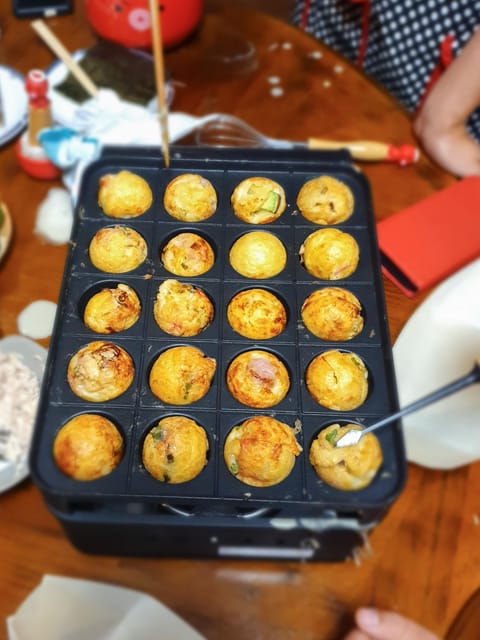
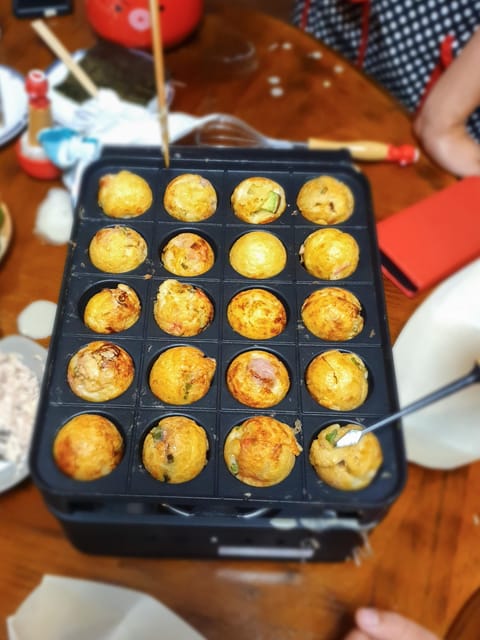
This is a great pick if you like crispy edges and snack-sized drama. You’ll learn pan-fried gyoza, aiming for that crisp texture, and then make takoyaki—the famous Osaka dumpling often associated with summer festival vibes. The process is hands-on, and the end result is the kind of food people immediately want to eat while you’re still cooking.
One practical benefit here: you’re not just copying a recipe, you’re learning how Japanese home cooking builds texture—crisp outside, tender inside.
Menu C: Rolled sushi, teriyaki set, and miso soup
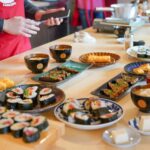
This menu takes you beyond “assemble and plate” cooking. You’ll roll and chop your own sushi pieces instead of relying on store-bought rolls. Then you’ll pair them with either yellowtail fish or chicken teriyaki, and you’ll round it out with miso soup.
If you’re the kind of traveler who wants to take home a skill you can actually repeat—especially cutting and portioning—this is the most direct path.



Menu D: Traditional gozen set (a little of everything)
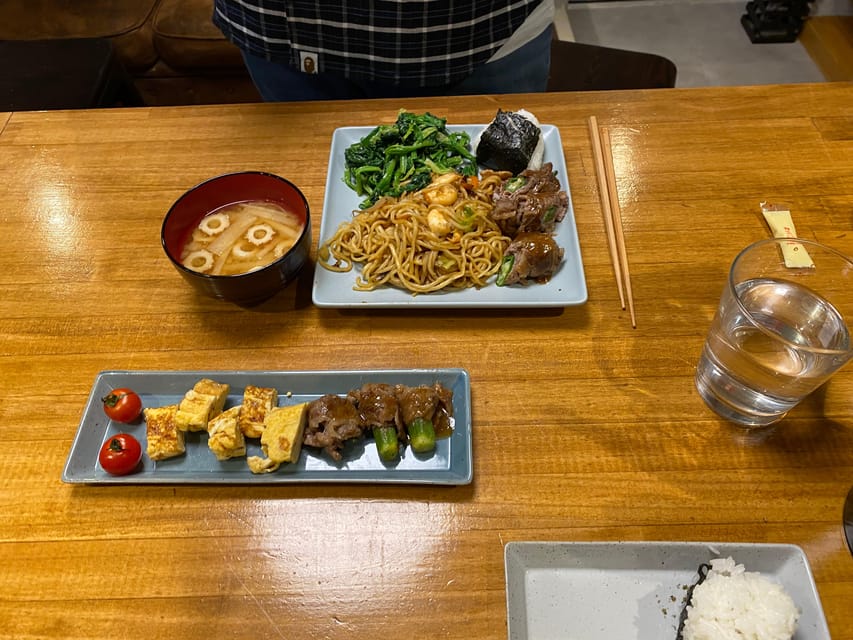
A gozen-style set is like learning how Japanese meals balance proteins, sides, and soup. You’ll make an assortment that includes a meat plate, a fish plate, a side dish, miso soup, and an onigiri rice ball.
This is a smart choice when you’re not sure what you’ll like most, because you end up with multiple flavors and textures in one meal—and you learn the logic behind a rounded home-cooked plate.
Menu E: Request a custom menu
If you have a food theme or a specific dish you want, you can request a custom menu and discuss options together. This is also where you can talk more directly about what you want the class to focus on, especially if your diet or preferences don’t neatly fit the standard sets.
One note to keep in mind: menu selection can depend on whether your date has other groups in the same session. If you’re the only attendees that day, you may have more flexibility choosing the menu.
What happens during the 150 minutes: cooking steps you can repeat
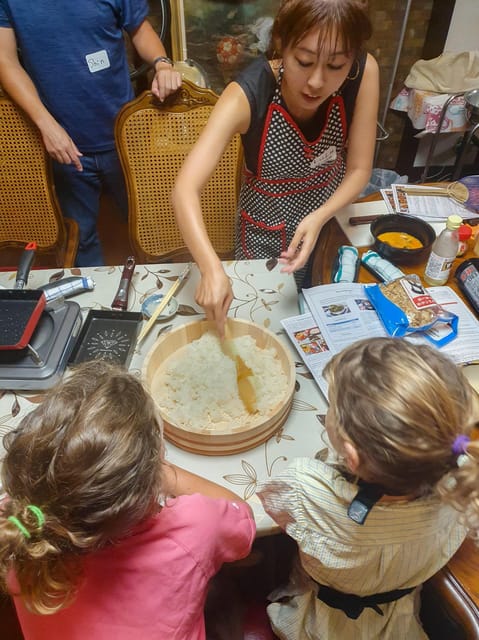
The class runs about 150 minutes, and the pacing is built around two goals: cooking everything you make and then enjoying it together. Ingredients are prepared beforehand, which keeps the experience from turning into a shopping marathon and lets you focus on technique.
From the menus, you can expect a similar flow:
1) You’ll start in the studio with your chosen dishes and tools ready.
2) You’ll work through steps like batter prep, griddle cooking, pan-frying, assembling, and portioning.
3) You’ll finish by eating the meal you cooked.
Even when you’re not “at the stove every second,” you’re still actively involved. The structure encourages participation, and the instructors typically explain not just what to do, but why certain ingredients and methods show up again and again in Japanese home cooking.
The big payoff: learning texture and timing, not just recipes
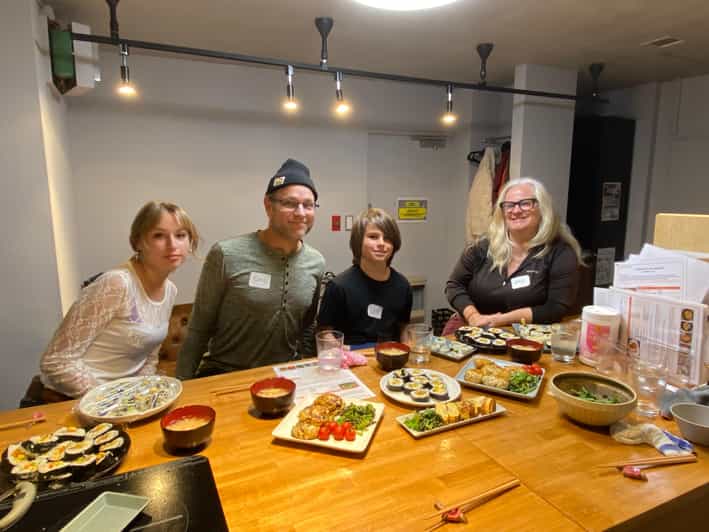
What you’re really buying here is hands-on technique. In Japanese home cooking, small details matter: heat level, how things sizzle, how sauce clings, and how crispness develops.
You’ll see those differences across the menus:
- Okonomiyaki teaches griddle control and finishing with sauces and toppings
- Yakisoba teaches stir-fry rhythm with ramen noodles and sauce balance
- Gyoza teaches pan heat and the “crisp first” idea
- Takoyaki teaches cooking in molds and getting dumplings to come out properly shaped
- Sushi rolling teaches portioning and cutting discipline
- Gozen teaches meal balance: soup, rice, protein, and sides together
Several instructors in this program (names vary by date) like Kana, Kayo, Mika, Lulu, Miho, Chieko, Miyuki, Aki, and Erica are described as clear teachers who help you ask questions and understand ingredients. You’re not just copying actions; you’re learning how to think about flavors and textures so you can cook something similar at home.
Dietary preferences and allergy planning that actually feels practical
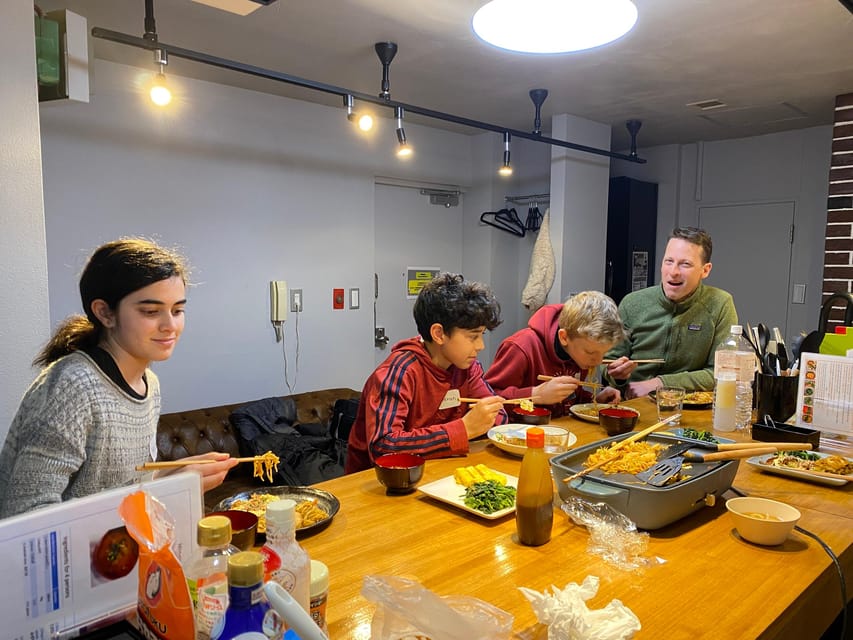
This is one of the strongest reasons to consider the class if you have food restrictions. The class is designed to accommodate dietary preferences, including vegetarians or vegans, and they ask that you notify them in advance if you have food allergies.
What I like about the approach is the conversation component. The program says you can discuss menu options and what choices will be available based on your needs. That means you’re less likely to show up hoping something works and then crossing your fingers.
If allergies are part of your situation, send your info early and be specific about what you need to avoid. It’s the easiest way to help the instructor plan a menu that stays comfortable for everyone.
Instructor-led, English-friendly, and question-friendly
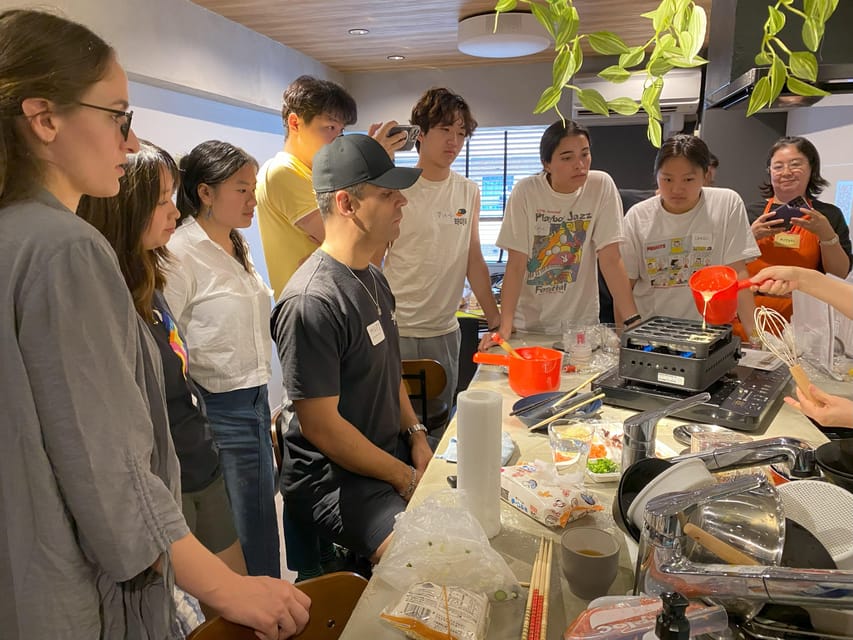
The instructor is English-speaking, which makes a big difference in a cooking class. You’ll be able to follow the steps, but you’ll also understand the ingredient background and technique explanations that can otherwise get lost in translation.
Many classes include more than one guide in the kitchen. You may hear support from assistants (names like Yuki show up in prior sessions), which helps if you’re working with hot tools or if you want extra help without feeling rushed.
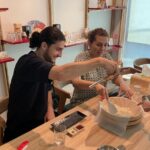
Some participants also describe the class as very personal when they were the only attendees on that day. So if you love asking lots of questions—how to adjust sauce, what ingredient swaps work, what to watch for on heat—this setup can suit you well.
The meal: you get a full Japanese home-cooked style lunch/dinner
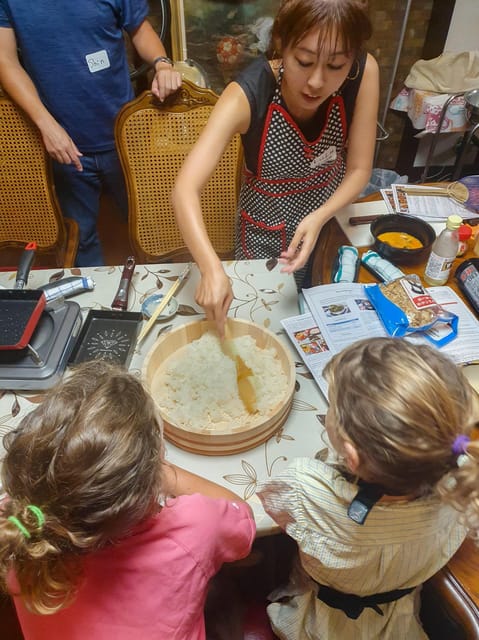
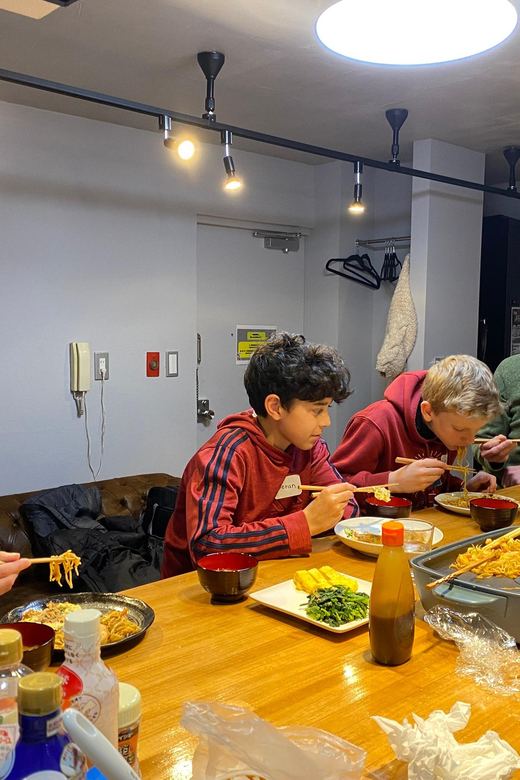
After you finish cooking, you sit down and eat. This matters more than people think. Many cooking classes stop at the making part. Here, the meal is the payoff, and the portion sizes are described as enough that you may not need another big meal for hours afterward.
Because the menu sets are designed as complete meals, you won’t end up with one sad plate of food next to a bunch of nothing. Instead, the gozen option is built like a full meal, and the other menus each include the main dish plus side dishes and soup components depending on the set.
Also, you’ll get real practice eating what you make while it’s still at peak quality. That’s part of the learning.
Value for $88: why the price can make sense in Tokyo
At $88 per person for about 150 minutes, this class isn’t a bargain in the “cheap and cheerful” sense. But it can be a strong value because so much is included:
- cooking tools
- ingredients
- drinking water
- fees and taxes
You’re also paying for a local instructor who leads you through multiple dishes and helps you get it right. In Tokyo, the cost of a cooking class that includes ingredients and teaching time is usually in the same ballpark or higher—especially if you want English instruction.
If you’re the kind of traveler who buys a few souvenirs but mostly wants skills, this is the type of experience that can pay off later. Some people even leave thinking about buying a pan so they can recreate the dishes at home.
Practical tips to help you enjoy it smoothly
- Arrive with your booking details handy: the exact address comes after booking, so don’t rely only on memory or maps from a previous message.
- Be honest about dietary needs: message ahead for vegetarian/vegan preferences and allergies, so menu decisions are made before you arrive.
- Bring a curious mindset: this isn’t just cooking; you’re learning Japanese home meal logic through griddle work, pan-frying, rolling, and balanced set meals.
- Wear comfortable clothes: you’ll be moving around a kitchen setup, and you’ll likely spend most of the time actively working.
- Plan to slow down afterward: you cook a lot, then eat. Many people describe leaving full for much of the rest of the day.
One more small tip: because menu choice can depend on whether other groups attend, be flexible if your menu selection changes. The standard options are all popular and built to teach core techniques.
Should you book this Shinjuku home-cooking class?
Book it if you want a hands-on, English-friendly cooking experience near Shinjuku that teaches real Japanese home cooking skills—griddle work for okonomiyaki, pan technique for gyoza, festival-style fun with takoyaki, sushi rolling, or a gozen set that teaches meal balance.
Skip it if you’re hoping for maximum certainty about menu selection on the spot. If your date includes other groups, menu options may be less flexible. Also, if you mainly want to watch rather than cook, you might want to look for a more demonstration-style class.
If you like learning by doing and you want food that you can recreate later, this one is a strong bet.
FAQ
Where is the class located?
The kitchen studio is in or around Shinjuku, Tokyo. The exact address is sent to you after booking, and you’ll be asked to wait for the message.
How much does it cost and how long is it?
The price is $88 per person and the duration is 150 minutes.
What kind of food will you cook?
You’ll cook Japanese home-style dishes from one of the provided menu sets, including okonomiyaki and yakisoba, gyoza and takoyaki, rolled sushi with teriyaki plus miso soup, or a traditional gozen set.
Can I choose my menu?
You can choose one of the menu options when you book. If you or your group is the only attendees that day, you may have more flexibility. If another group also attends the same class, menu choice may be limited.
Does the class accommodate vegetarians or vegans?
Yes. The experience is designed to accommodate dietary preferences, including vegetarians or vegans.
What about food allergies?
If you have food allergies, you should let them know in advance. They can discuss the menu and what options will be available.
Is the instructor English-speaking?
Yes. The instructor provides instruction in English.
What’s included in the price?
Included are all fees and taxes, cooking tools, ingredients, and drinking water.
Is private transportation included?
No. Private transportation is not included.