REVIEW · CHENGDU
Half-day Dandan Noodles Cooking Class with a Local Market Visit
Book on Viator →Operated by Chilli Cool China · Bookable on Viator
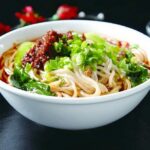
Dan dan noodles start with a spice hunt. This half-day workshop in Chengdu mixes a guided market run with a pro kitchen session, so you see where the flavor comes from before you start cooking Sichuan-style noodles.
I especially love two parts: the small-group market treasure hunt (with an English-speaking guide) and the hands-on way the chef teaches the sauce balance, not just the steps. It’s also a nice change of pace from ordering noodles and hoping for the right heat level.
One thing to consider: pickup and drop-off only cover hotels in the second ring road, so if you’re staying farther out you may need to arrange your own way to the meeting point.
In This Review
- Key highlights worth your time
- First stop: meeting point, pickup zone, and how the group stays small
- The spice market “treasure hunt” at Chilli Cool China
- What I’d watch for in the market
- Learning the ingredients you’ll actually use for dan dan noodles
- A note on language help
- Off to the pro kitchen: Chilli Cool’s Kitchen and the jasmine tea start
- Why the kitchen format matters
- Cooking dan dan noodles: sauce balance, hands-on work, and learning the steps
- What you eat at the end (and how much is included)
- Price and value: what $100 buys you in real terms
- Weather, walking, and what to pack for a half-day class
- Who this dan dan noodles workshop is best for
- Quick FAQ before you book
- FAQ
- How long is the Dan Dan noodles cooking class?
- Where does pickup and drop-off happen?
- What’s included in the class price?
- Is there a vegetarian option?
- What’s the minimum age?
- Do I need to bring anything for booking?
- Does the class run in bad weather?
- What should I wear?
- Should you book this half-day dan dan noodles workshop?
Key highlights worth your time
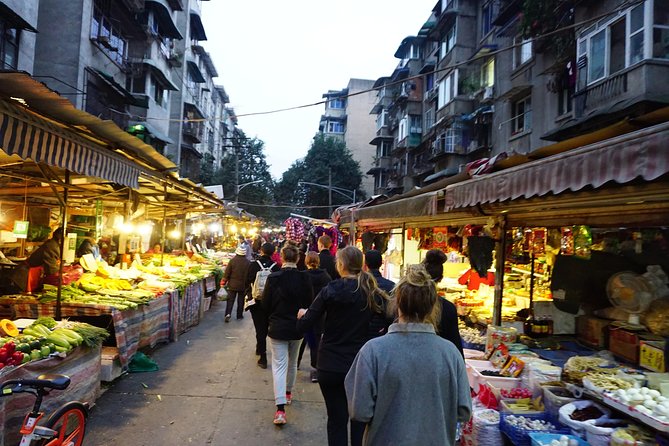
- Local spice-market “treasure hunt” that turns shopping into a game with Sichuan ingredients
- Hands-on cooking in a professional Sichuan kitchen, not a casual demo
- Jasmine tea + optional beer with your meal, so you finish feeling properly fed
- Recipes included, so you can re-create your noodles after you go home
- Max 8 travelers, which keeps the class from feeling like a conveyor belt
- Vegetarian option available if you ask in advance
First stop: meeting point, pickup zone, and how the group stays small
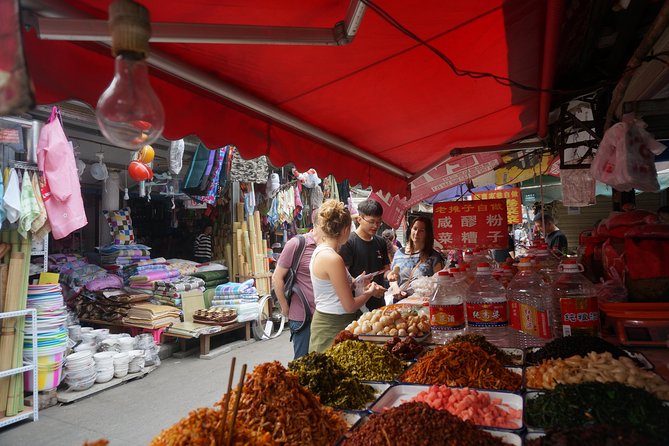
The experience is set up around a simple flow: you meet in Chengdu, then you head out together, and you return afterward. The meeting point is 梁家巷 (Jinniu District), and the activity ends back there.
If you’re staying within the second ring road, you can use hotel pickup and drop-off. This matters more than it sounds: a half-day class lives and dies by time, and ring-road pickup helps you avoid losing your morning (or afternoon) to long taxi rides.
The group size is capped at 8 travelers, which is a big quality-of-life factor. With fewer people, you get more chances to ask questions in the kitchen and more time with the guide when you’re in the market.
You can also read our reviews of more tours and experiences in Chengdu.
The spice market “treasure hunt” at Chilli Cool China
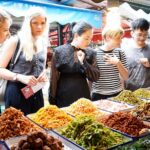
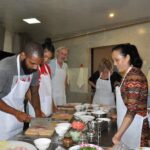
The first real flavor lesson happens at the market, and it’s run like a guided search rather than a lecture. You’ll shop for the ingredients behind dan dan noodles and learn the purpose of different Sichuan spices and components you’ll use later.
You should expect a fun, challenge-based format—think short tasks and guided prompts that push you to pay attention as you walk. That’s how the market visit stays useful instead of just being sightseeing. It also gives you a practical skill: you’ll learn what to look for on spice shelves, which makes your next meal search in Chengdu easier.
Stop 1 is listed as Chilli Cool China, so you can think of this as the handoff point where you meet your guide and get oriented before you head out. I like this structure because you’re not guessing what’s supposed to happen next, and you’re not standing around while everyone finds the right bag of spice.
What I’d watch for in the market
Sichuan cuisine is built on balance: heat, savoriness, and aroma. Even if you’re not buying everything to take home, the value is that you start understanding what each ingredient does in the dish.
If you have spice concerns, this is the moment to say so. You’ll be in the right place to ask how the class handles heat and what can be adjusted during cooking.
Learning the ingredients you’ll actually use for dan dan noodles
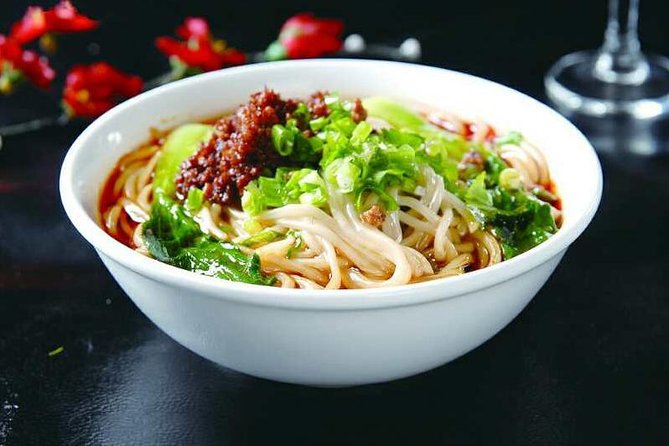
This class doesn’t treat the spice market as a photo stop. You’re meant to connect what you buy with what you cook, so you leave with a clearer sense of the noodle’s core components.
Dan dan noodles are famous street-food style noodles from Sichuan—担担面—and the big idea is that the flavor comes from the sauce. Your guide’s job here is to translate confusing spice jars into understandable roles: what adds heat, what adds aroma, what adds that nutty and savory depth that makes dan dan noodles addictive.
You’ll also have a chance to sample local snacks from the market area. This is a small but smart detail. It helps you understand what local people consider normal flavor levels, and it sets your palate before you start cooking.
A note on language help
The class is listed with an English-speaking guide, and the market portion includes hands-on guidance. In at least one class experience, the guide experience even included learning simple Mandarin for shopping—so if you like using language during travel, you’ll likely enjoy this part.
Off to the pro kitchen: Chilli Cool’s Kitchen and the jasmine tea start
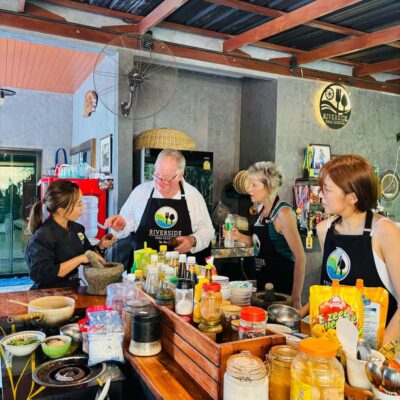
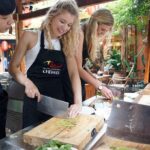
After the market, you move into a professional kitchen setting—one built for Sichuan cooking lessons. This is where the day stops being about ingredients you can name and becomes about techniques you can repeat.
Before you start cooking, you’ll sip Jasmine tea. It’s a small ritual, but it’s also practical: tea helps you reset your taste buds after spice sampling, so you can focus when the chef starts teaching sauce and noodle mechanics.
Stop 2 is Chilli Cool’s Kitchen, which signals a change of gears. You go from street-level flavor hunting to a controlled cooking environment where you can actually get the ratios right.
Why the kitchen format matters
There are cooking classes that feel like watching someone cook. This one is set up for you to participate. With a professional setup and an experienced chef, you’re more likely to learn the why behind the dish—how texture and sauce thickness affect the final result.
And because the group is small, you’re not stuck waiting for your turn.
Cooking dan dan noodles: sauce balance, hands-on work, and learning the steps
In the kitchen, you follow the chef through the full process. The heart of dan dan noodles is the sauce—so expect the class to emphasize getting the balance right: savory depth, chili heat, and that signature Sichuan spice aroma.
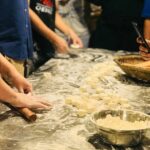
One detail that stands out in real experiences is making chaoshou (small dumpling-style pieces that often go with dan dan noodles). If your class includes them, it’s hands-on work, not a side garnish. That kind of step is what turns the lesson into a skill you can take home, not just a meal you ate.
You’ll then assemble and eat what you made. And yes, the class includes beverages/tea, plus a complimentary beer or other drink with the meal. It’s a nice finishing touch after a few hours of concentrating on heat and texture.
What you eat at the end (and how much is included)
The meal is clearly part of the experience, not an afterthought. You’ll enjoy the Szechuan-style noodles you prepared, along with tea and a beer or beverage.
The tour also includes light refreshments, and depending on your schedule you’ll get lunch or dinner. That’s an important value detail: you’re not paying only for a class, you’re paying for a full food experience.
You’ll also receive recipes, which changes the usefulness of the day. If you keep those notes, you can recreate your sauce and noodle components later—especially helpful if you don’t want to rely on memory.
Price and value: what $100 buys you in real terms
At $100 per person for about 4 hours, this is not the cheapest cooking class in Chengdu. But it’s priced like a guided, ingredient-led experience with real kitchen time.
Here’s where the value comes from:
- Hotel pickup/drop-off within the second ring road saves time and taxi costs.
- Market shopping + guided ingredient education means you learn what goes into the dish.
- A professional kitchen and hands-on chef instruction are more expensive to run than basic demo classes.
- Recipes included make the day useful after you leave.
- The small group size (max 8 travelers) supports more individual attention.
If you like food travel that teaches you something you can re-use—like spice roles and sauce ratios—this price is easier to justify. If you only want a quick meal and don’t care about technique, you might find cheaper options that taste good but teach less.
Weather, walking, and what to pack for a half-day class
This experience operates in all weather conditions, so dress for the day you get. Comfortable walking shoes are strongly recommended because you’ll move through a market area and likely spend time standing and navigating.
If it’s rainy, bring something to keep your feet dry and a small layer for temperature swings. If it’s hot, plan for sun exposure and don’t count on a long break until the kitchen stage.
Who this dan dan noodles workshop is best for
This is a great fit if you want more than a meal and you’re excited to understand Sichuan flavor mechanics. I’d especially recommend it to:
- Food-focused travelers who enjoy cooking and want technique, not just tasting
- Couples or small groups who want a guided experience that doesn’t feel crowded (max 8)
- Anyone staying near the second ring road who wants pickup convenience
- People who want a vegetarian option (available if you request it at booking)
It’s also a solid choice if you’re traveling with kids who are comfortable walking. The minimum age is 5, so younger kids may be allowed depending on comfort and attention span.
Quick FAQ before you book
FAQ
How long is the Dan Dan noodles cooking class?
It runs about 4 hours (listed as approximately 4 hours).
Where does pickup and drop-off happen?
Pickup and drop-off are for hotels in the second ring road of Chengdu.
What’s included in the class price?
You get an English-speaking guide, hotel pickup & drop-off (within the zone), food ingredients, beverages/beer/tea, light refreshments, and lunch or dinner based on schedule, plus recipes.
Is there a vegetarian option?
Yes. A vegetarian option is available, but you need to advise the operator at booking.
What’s the minimum age?
The minimum age is 5 years.
Do I need to bring anything for booking?
At booking, you must provide passport name, passport number, expiry date, and country for all participants.
Does the class run in bad weather?
Yes, it operates in all weather conditions, so you should dress appropriately.
What should I wear?
Wear comfortable walking shoes, since you’ll be moving around during the market portion.
Should you book this half-day dan dan noodles workshop?
If you want a hands-on Sichuan food experience that starts with the spices and ends with you eating what you made, I think this is a strong book. The market treasure hunt and small-group kitchen time give you a lot of practical learning for a half-day format.
I’d only pass or reconsider if you’re not in the second ring road area (pickup coverage is limited) or if you’re the type who only wants a quick meal with minimal instruction. Otherwise, grab your spot and plan to leave with both a better sense of Sichuan spices and the recipe you can actually use later.