REVIEW · TANGIER
cooking class with local family from Tangier
Book on Viator →Operated by NORTH TOURS TANGIER · Bookable on Viator
One home kitchen in Tangier can teach more than a cookbook. This private cooking class with Anwar and Latifa (and their family) pairs hands-on Moroccan cooking with real-day-to-day culture, including a market stop and lessons like Moroccan tea.
Two things I especially like: you cook and eat what you make right there, and the meal feels personalized—including vegetarian-friendly options. One drawback to plan for: this is a home experience, so it is not a big, polished “show kitchen” setup.
The result is a warm, practical afternoon focused on flavors, technique, and how Moroccans actually cook at home in Tangier.
In This Review
- Key highlights you’ll care about
- Cooking With Tangier Hosts: What This Class Is Really About
- The Tangier Stop: Market Walking, Local Food Choices, and Daily Life
- Moroccan Tea: A Small Lesson With Big Payoff
- Tagines, Couscous, and Pastries: Hands-On Techniques You’ll Use Later
- Vegetarian-Friendly Options: How Customization Works in Practice
- Timing, Pickup, and How the 3–4 Hours Actually Feel
- Value in Real Terms: Is $76.66 a Good Deal?
- What to Expect When You’re in Someone’s Home
- Who This Tangier Cooking Class Fits Best
- Should You Book This Tangier Cooking Class?
- FAQ
- How long is the Tangier cooking class?
- How much does it cost per person?
- Is pickup included?
- Is the tour private?
- Does it include a market visit and Moroccan tea?
- Is there free cancellation?
Key highlights you’ll care about
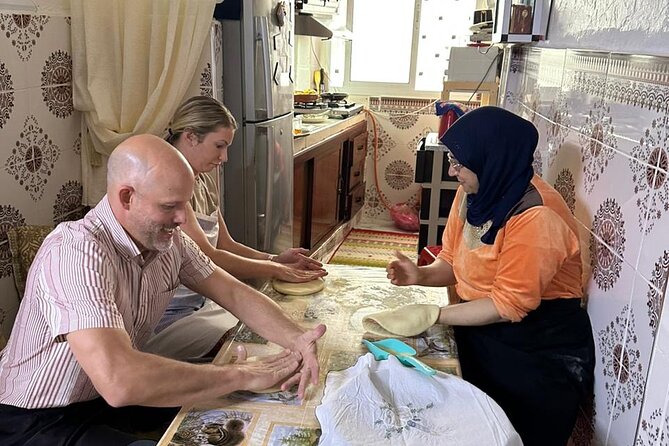
- Market-to-kitchen start with a guided stroll where shopping turns into cooking skills
- Moroccan tea lessons that explain the why, not just the steps
- Tagines and couscous know-how taught in a household setting, not a restaurant lab
- Diet adjustments are taken into account, including vegetarian preferences
- Family-style welcome that makes it feel like you’re visiting, not performing
Cooking With Tangier Hosts: What This Class Is Really About
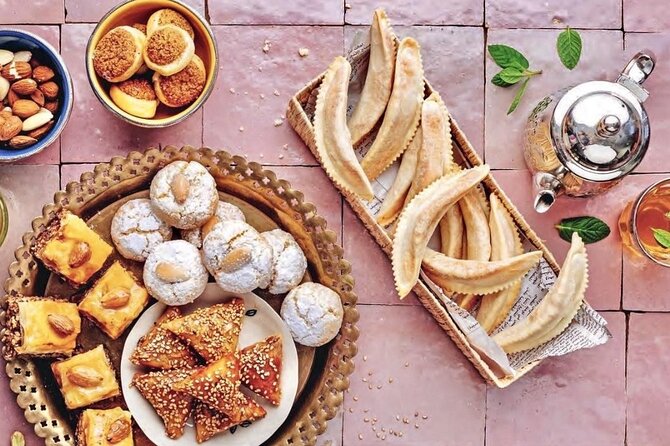
If you want Moroccan food as a lived-in habit—not just a tourist plate—this is the kind of class that clicks fast. You’re hosted in a local home, and that changes the whole tone. It becomes less about memorizing recipes and more about learning how people think while they cook.
I like that the experience is private for your group. That means you can ask questions, slow down if you want, and get guidance that matches your pace. It also means the hosts can adapt the menu to preferences.
You’re also paying for something that is hard to measure: the trust and hospitality behind the meal. In the stories from guests, the warm welcome shows up again and again—so you should expect a friendly, family atmosphere, not just a teacher-by-the-clock vibe.
You can also read our reviews of more tours and experiences in Tangier.
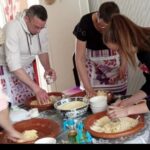
The Tangier Stop: Market Walking, Local Food Choices, and Daily Life
Your itinerary centers on Tangier, and that time is used wisely. You’ll start with a local host orientation to flavors and traditional ways of life, then move into cooking prep in a real household rhythm.
One of the most practical parts is the market phase. When you walk through the souk with your hosts, you learn what to look for and how ingredients get chosen for a home meal. It is easier to cook at home later because you understand what those spices are doing in the bigger picture.
This also helps you avoid the common souvenir-spice problem. Instead of buying random jars and hoping, you learn which ingredients matter for the dishes you’ll actually make. And you get context—how families use certain staples, when they show up, and what they pair them with.
Moroccan Tea: A Small Lesson With Big Payoff
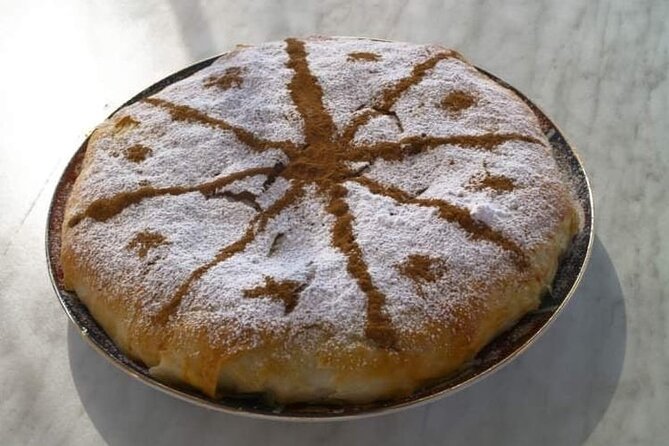
Moroccan tea sounds simple, but it’s really a technique lesson in disguise. You learn how it is prepared and why it matters in everyday Moroccan hospitality.
Guests highlight Moroccan tea as one of the moments that makes the class feel real. It’s not treated like a garnish you ignore. It is taught as part of the culture of receiving people at home.
The best takeaway is that you learn the flow: how the ingredients and sweetness are balanced, and how tea becomes a shared pause during the meal. If you’ve ever had mint tea and wondered why it tastes different in Morocco, this is where that answer starts.
Tagines, Couscous, and Pastries: Hands-On Techniques You’ll Use Later
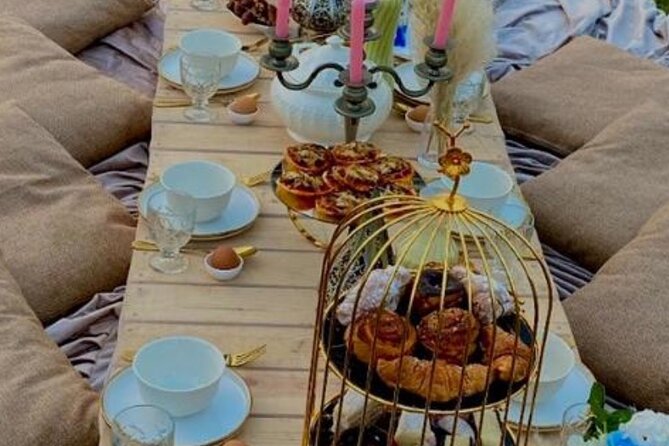
This class is built around iconic Moroccan dishes, with a focus on the methods behind the flavor. Expect lessons that include tagines—and multiple varieties show up during the cooking. Guests describe the food as some of the best they ate in Morocco, and the tagines are a recurring highlight.
You’ll also get instruction related to couscous. One of the standout teaching points is understanding how couscous is made at home, not just served in a bowl. That changes how you approach texture, timing, and the step-by-step logic.
Even if you do not become the household chef after one class, you will leave with clearer instincts. You’ll know what to watch for as things cook, and you’ll understand the role of spices beyond taste alone. That’s the difference between following a recipe and learning cooking.
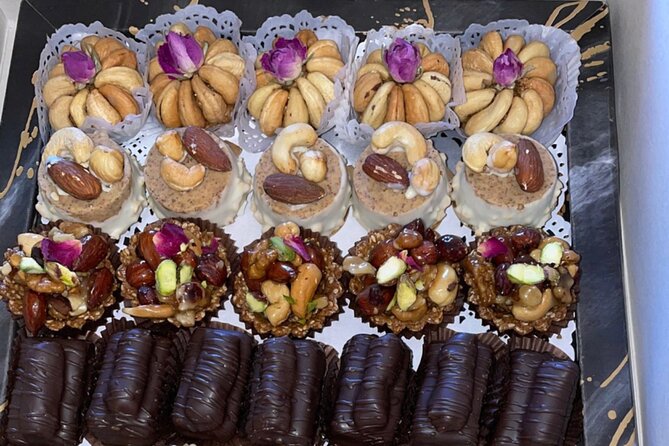
And yes, there are pastries in the mix too, tied to the sweeter side of Moroccan cuisine. If you like leaving a class with both savory confidence and a dessert skill, this checks the box.
Vegetarian-Friendly Options: How Customization Works in Practice
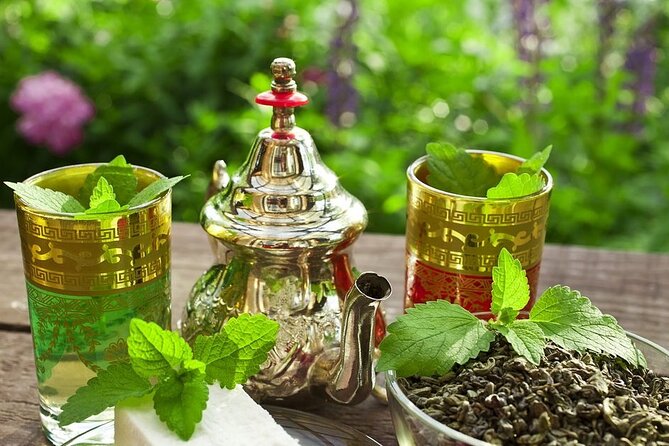
Not every cooking class handles dietary needs well. Here, the menu is treated like something you can adapt.
Guests specifically mention that vegetarian preferences can be taken into account. That is huge if you’ve had experiences where you end up eating salad while others enjoy the real dishes.
What you should do: when you book, communicate your dietary needs clearly. Since the class is private and your hosts work with your preferences, your odds of getting a satisfying meal go way up compared to fixed group menus.
Also look for the broader benefit: customization helps you learn. When the dishes fit you, it’s easier to ask questions about substitutions and seasoning balance.
Timing, Pickup, and How the 3–4 Hours Actually Feel
The class runs about 3 to 4 hours. That time window is long enough to shop, cook, and eat, but short enough to still keep your day open for Tangier wandering.
Pickup is offered, and you’ll have a mobile ticket. Those small logistics matter in a city where you might not want to guess your way across neighborhoods before you’ve had mint tea.
Because it’s an easy activity and most travelers can participate, you should feel comfortable even if you’ve never cooked Moroccan food before. The pace is set to teach, not to test.
And since it’s private, you won’t be stuck watching someone else cook while you wait your turn. The home-kitchen setup still feels organized, just not “production-line” organized.
Value in Real Terms: Is $76.66 a Good Deal?
At $76.66 per person, you’re not buying a quick demo. You’re paying for a meal that’s built from market shopping through cooking, then served as an actual family-style eating experience.
That value improves when you compare what’s included:
- market time and ingredient guidance
- hands-on cooking instruction
- the meal you prepare, eaten right there
- personalization based on preferences
Several guests call it worth every penny, and that matches how I’d frame it. You’re paying for access: access to home cooking, access to a host’s knowledge, and access to a table you would not easily get on your own.
If you only want a restaurant tasting, it can feel expensive. If you want skills plus food plus culture in one afternoon, it makes more sense.
What to Expect When You’re in Someone’s Home
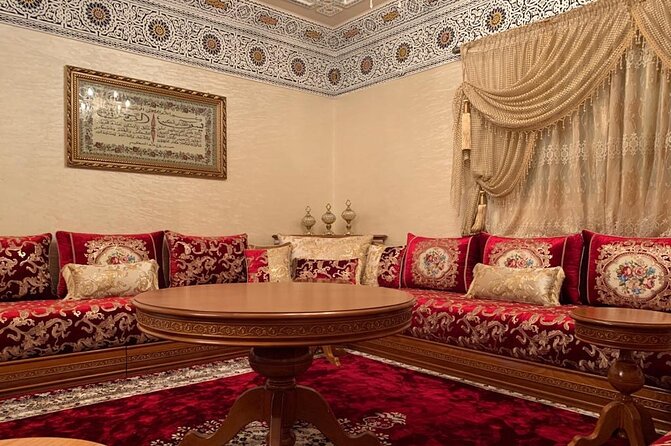
This is a private tour/activity in a local residence. That means you’re walking into a home atmosphere, and you should treat it like that.
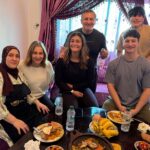
Guests describe a feeling of being welcomed quickly—almost like family from the start. People mention hosts like Anwar and Latifa being warm, personable, and thoughtful, with teaching that feels fun rather than strict.
One practical note: because you’re in a neighborhood home setting, it helps to be flexible. Your hosts may guide you through the market and kitchen with the natural flow of their household. That is part of why it works.
You’ll also hear about small touches at the end. Some guests mention receiving a Moroccan gift, and one guest even notes a birthday cake surprise. Those moments are not guaranteed, but they show a style of hospitality that goes beyond the bare minimum.
Who This Tangier Cooking Class Fits Best
I’d point this class toward three types of travelers.
First, book it if you want authentic home cooking more than a photo-focused meal. If you care about learning methods—especially spice use, tagine logic, and couscous texture—this format is built for that.
Second, book it if you like conversation. The tone from guests keeps landing on friendliness and culture sharing, not just kitchen mechanics. You’ll be asking questions, and the hosts are receptive.
Third, it works well for dietary needs, including vegetarian. Since preferences can be taken into account, you’re more likely to leave satisfied.
If you want a large, classroom-style setting with strict instruction and no personal interaction, you might prefer a different style of cooking tour. This one is warm and human by design.
Should You Book This Tangier Cooking Class?
Yes, if you’re aiming for a hands-on Moroccan cooking experience that includes the story behind the ingredients. The market-to-kitchen structure, the Moroccan tea lesson, and the tagine-and-couscous focus give you real skills—not just a plate to remember.
I’d book it especially if you value a welcoming home setting and want a menu that can match your preferences, including vegetarian options. For $76.66, you’re paying for a complete afternoon: shopping, cooking, and eating together in a local family environment.
Just go in with the right mindset: this is a home visit as much as it is a class. If that appeals to you, you’ll probably love it.
FAQ
How long is the Tangier cooking class?
It runs about 3 to 4 hours.
How much does it cost per person?
The price is $76.66 per person.
Is pickup included?
Pickup is offered.
Is the tour private?
Yes. It’s private, so only your group participates.
Does it include a market visit and Moroccan tea?
The experience includes a grocery shopping trip in the souk, and there is also Moroccan tea preparation as part of the class.
Is there free cancellation?
Yes. You can cancel up to 24 hours in advance for a full refund.