REVIEW · TANGIER
Tangier Food Cooking Class and Private City Tour
Book on Viator →Operated by Tangier Private Tours&Activeties _Day Trips · Bookable on Viator
This is one of those days in Tangier that feels both practical and personal: you shop for ingredients, cook real Moroccan dishes in Bilal and Sanae’s house, then get a private sightseeing loop around the Medina and beyond. I especially like that the class is hands-on and structured around key staples like tagine, couscous, pastilla, homemade bread, and mint tea, not just a quick demo. I also like that you’re not stuck doing only one thing, since the day blends cooking with a guided walk through the Medina’s tight lanes, souks, and the Berber apothecary stop.
One thing to plan for: the longer the day gets, the more it turns into a mix of walking and stops where you may be offered items to buy. That can be fine (and even interesting), but if you want a day with zero shopping pressure, you’ll need to go in calm and clear about your limits.
In This Review
- Key highlights worth planning around
- Why This Tangier Day Starts With a Real Moroccan Kitchen
- Market Shopping for Tagine, Couscous, Bread, and Pastilla
- Learning From Bilal and Sanae: What You Cook Step by Step
- From Kasbah and Souks to the Berber Apothecary Stop
- Cap Spartel, Caves, Perdicaris Park, and the King’s Palace Area
- Camel Ride Option and How to Choose Your Comfort Level
- Price and What You Get in an 8-Hour Private Tour
- Good to Know Before You Go: Walking, Shops, and Timing
- Who This Tour Fits Best
- Should You Book This Tangier Food Cooking Class and Private City Tour?
- FAQ
- What dishes will I learn to cook?
- Is lunch included?
- Does the tour include a market visit?
- Is the tour private or shared?
- How long is the tour?
- What sightseeing stops are included besides the Medina?
- Is pickup available and where will you be dropped off?
- Is a camel ride included?
- Are tips included in the price?
- Is free cancellation available?
Key highlights worth planning around
- Market shopping first, so your tagine and bread start with the ingredients you picked
- Sanae’s step-by-step cooking, including traditional homemade bread and mint tè el té
- A guided walk through Kasbah, Medina, and souks, with context as you go
- Berber apothecary visit, where you’ll learn how local remedies fit into daily life
- Private van sightseeing, covering Cap Spartel, caves, Perdicaris Park, California, and the King’s Palace area
- Camel ride as an optional small tour, so you can choose comfort over checklists
Why This Tangier Day Starts With a Real Moroccan Kitchen
If you’ve been to cities where “food tours” mean tasting tiny bites with no cooking involved, this format feels like a reset. Here, you begin in the real rhythms of Moroccan home cooking: you buy ingredients at a daily market, then you cook in a family setting where things move at human pace, not show pace.
The cooking center of gravity is the couple. Bilal guides you and connects the city to the food, while Sanae (the professional chef) leads the recipes. That matters because Moroccan cuisine isn’t just flavors—it’s technique: timing, layering, and the way herbs and spices are used. When the day is built around that, you leave with repeatable skills instead of just photos.
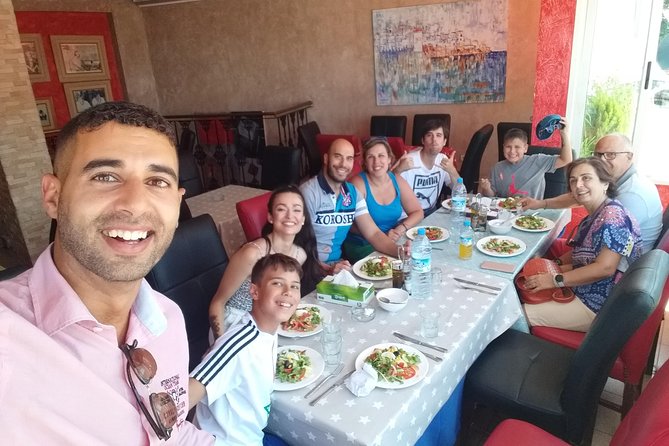
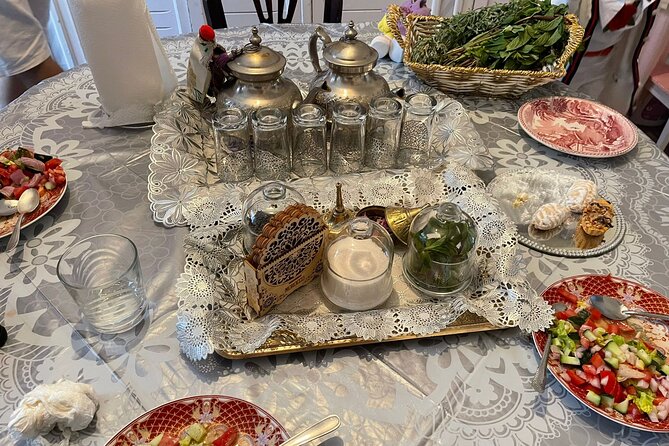
The day also includes lunch and coffee or tea, so the kitchen part isn’t rushed into a vending-machine lunch. You eat what you made, and you do it as part of a normal meal flow, not a formal tasting event.
You can also read our reviews of more tours and experiences in Tangier.
Market Shopping for Tagine, Couscous, Bread, and Pastilla
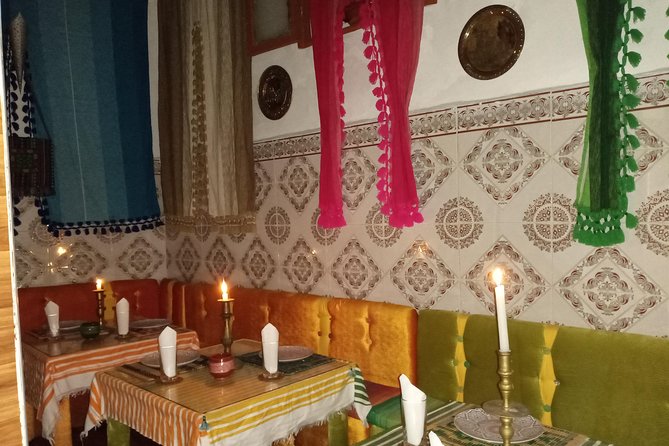
The day starts by walking through a daily market to choose ingredients with a local guide. This isn’t just window shopping. You’re picking the meats, vegetables, herbs, and other items that will show up later in your dishes. It’s also one of the easiest parts to appreciate quickly—because it gives you a visual map of Moroccan cooking before you ever turn on the stove.
A typical cooking flow here makes sense: market ingredients first, cooking second. That’s how you learn why tagine tastes the way it does, how couscous gets its balance, and why bread is its own whole skill. You’ll also get exposure to “exotic ingredients,” at least in the sense that you may not have handled them before. Even if you’ve cooked at home, Morocco’s spice blends and aromatics are their own language.
You should also know that the day includes stops tied to local commerce and herbal products. One review even points out that you may be offered more items during craft or natural pharmacy stops. If you’re the type who hates being sold to, tell your guide early that you’re there for the cooking and sights, not for browsing purchases.
Learning From Bilal and Sanae: What You Cook Step by Step
The cooking menu is the core reason this tour scores high for value. You’re taught to make five typical Moroccan dishes, with attention to both flavor and technique:
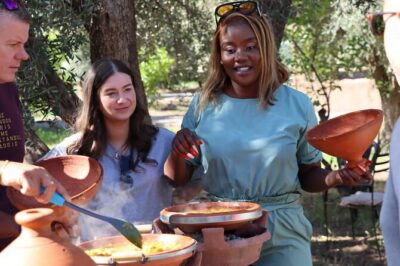
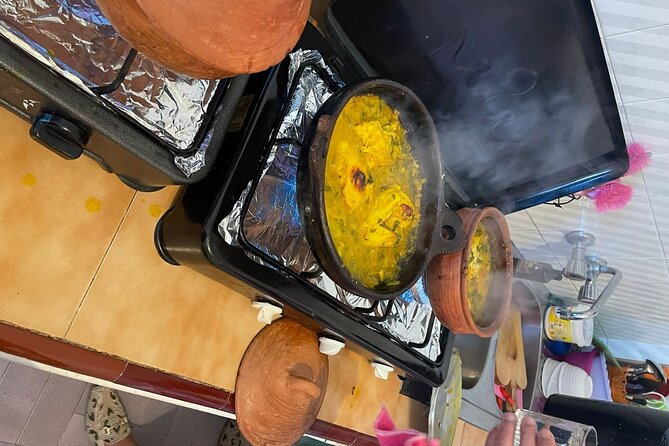
- Tagine (the iconic slow-cooked Moroccan stew, typically built around meat, vegetables, and spices)
- Couscous (not just a side; in Moroccan meals it’s a key centerpiece)
- Pastilla (often associated with sweet-savory contrasts)
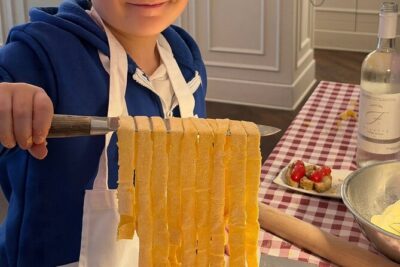
- Traditional homemade bread (this is a real “from scratch” skill moment)
- Mint tè el té (the classic mint tea ritual)
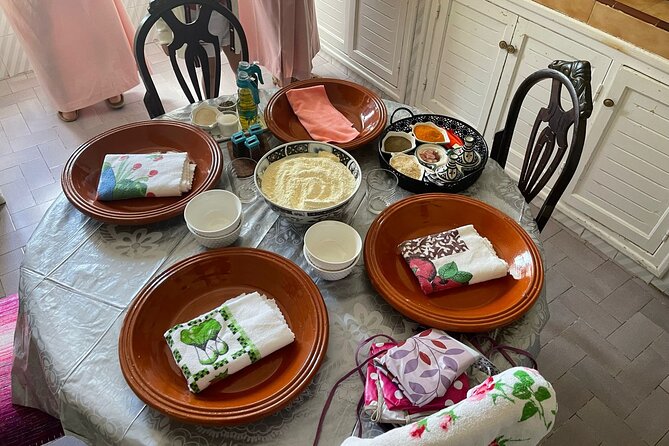
You’ll cook together as a private group, so you’re not waiting your turn behind strangers. Many people love the family-home setting because it encourages questions. One thing I’d highlight: cooking classes that accommodate different diets tend to be better than rigid, one-size-fits-all workshops. Here, you may have a chance to adjust tastes and deal with dietary needs during the process.
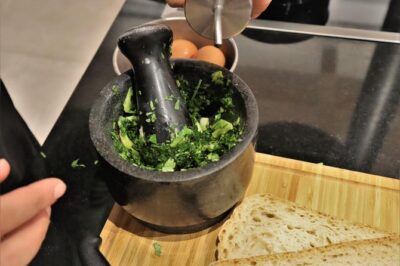
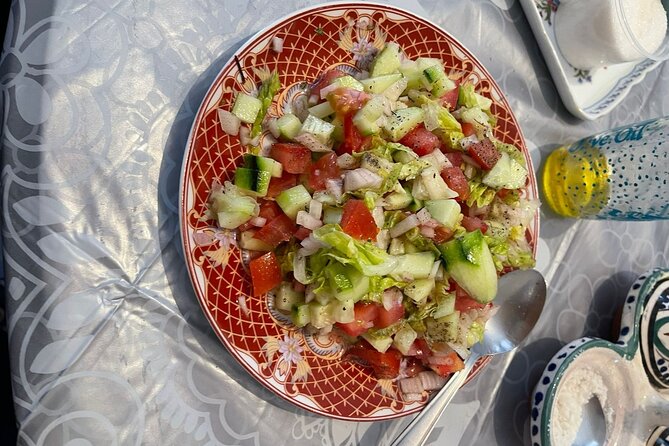
Expect a hands-on kitchen session, not a lecture. The best part is that you eat what you make afterward, which gives instant feedback. When you can taste your own tagine or bread, you start understanding what to repeat and what to tweak next time.
One practical tip: Moroccan cooking involves smells and spices. If you have sensitive allergies or strong scent triggers, mention it early so the process can be managed in the kitchen.
From Kasbah and Souks to the Berber Apothecary Stop
After you’ve cooked and eaten, the day shifts into a guided walking tour of Tangier’s traditional neighborhoods. This is where the tour becomes more than “a cooking class with extras.” You get context for what you ate, because you’re seeing the place where that food belongs.
The walk includes major areas like the Kasbah, Medina (old town), and souks. Those lanes can be tight and full of visual stimulation, so the guide becomes your translator. Bilal’s role is not only direction—it’s meaning: what you’re seeing, how local life works, and why certain places exist.
Then there’s the Berber apothecary (often described as a pharmacy stop). This isn’t just a photo stop. The idea is to show how herbal and natural remedies fit into daily routines. If you’re curious about traditional uses of plants and spices, you’ll likely enjoy it.
The only downside to keep in mind: any stop connected to apothecaries and shops can come with sales energy. One review even raised a concern about a carpet-shopping moment. You don’t have to buy anything to enjoy the day—just be prepared to politely decline and keep moving with your group.
Cap Spartel, Caves, Perdicaris Park, and the King’s Palace Area
The sightseeing portion is a private van loop, which is a smart choice in Tangier. The Medina walking gives you the close-up feel, while the van route helps you cover bigger distances without turning the day into a leg workout contest.
The van stops can include:
- Cap Spartel, where the Atlantic and Mediterranean meet
- Caves (a dedicated cave stop is included)
- Perdicaris Park
- The “California” fancy section
- The King’s Palace area
This section of the day is ideal for three reasons. First, it spreads out viewpoints—so you don’t spend all your energy in one neighborhood. Second, it helps you get your bearings, especially if you’re arriving from a cruise port or only have a single day. Third, it balances the sensory experience: market smells and kitchen spices in the morning, then sea views and stone-and-park scenery later.
I’d treat this portion as your Tangier “highlights pass.” If you love slow travel, you can use the sites to decide where to return later. If you hate planning, you’ll appreciate that you’re seeing a lot without having to map it yourself.
Camel Ride Option and How to Choose Your Comfort Level
A camel ride is included as a small tour, with the chance to do it as an optional activity. That wording matters. Some people want it. Some people prefer to skip animals-as-activity and focus on food and city streets.
If you’re on the fence, choose based on your own comfort, not peer pressure. Ask your guide what the ride involves and how long it lasts. Then decide. The rest of the day is strong even if you skip the camel portion.
Also, since this is a private format, you’re more likely to get a better fit for your pace. If your group wants more time at viewpoints or less time on certain stops, a good guide can usually help you adjust within reason.
Price and What You Get in an 8-Hour Private Tour
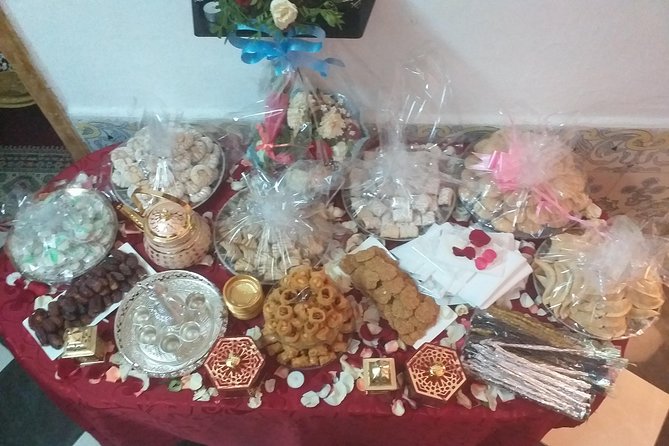
At $93.05 per person for an ~8-hour day, you’re paying for a bundle that combines: market shopping, a private cooking lesson, lunch, tea/coffee, and a private guided sightseeing loop. That’s not just “one activity.” It’s essentially two experiences linked by the same people and the same food logic.
Value here comes from the structure:
- Market visit that feeds into the cooking
- Cooking session taught in a real home setting
- Meal included afterward
- Guided walking for the Medina context
- Private transport to cover out-of-Medina sights
One detail worth checking before you go: the operator notes two options. One is just the cooking class (around $70 per person). Another is cooking plus sightseeing (around $140 per person). If your booking matches the full-day version you’re reading about, you should expect the sightseeing loop and more stops.
For most people, the jump in price is justified if you want a full Tangier orientation. If you only care about cooking, the cooking-only option can be the better value.
Good to Know Before You Go: Walking, Shops, and Timing
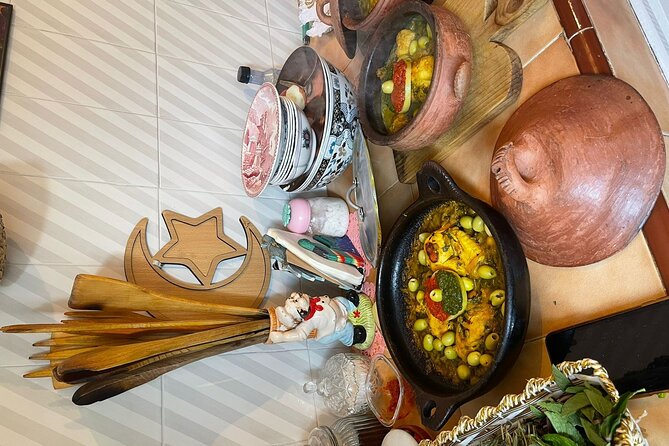
A day like this moves. Expect some walking around markets and inside old-town streets. Even when the van does the heavy lifting, you’ll still be on your feet during the market segment and Medina walk.
There’s also the “shop reality” factor. You may encounter:
- market ingredient shopping
- a Berber apothecary stop
- craft or natural product stores (where you may be offered items to buy)
This isn’t automatically bad. In Morocco, these stops are part of how locals get supplies and how traditions stay alive. But one review mentioned a disappointing moment tied to shopping pressure. If that sort of thing bothers you, set expectations early and keep your decision-making simple: look, ask, then say yes or no without getting pulled into a long buying conversation.
Finally, pay attention to pickup timing. In at least one case, a review complained about late pickup and communication. On the flip side, many other comments praised communication and responsiveness. To protect your day, confirm meeting points the day before and stay ready at the pickup location a bit early.
Who This Tour Fits Best
This experience fits best if you like food that has a real origin story. You’ll enjoy it if you want more than tasting—if you want to go home able to cook something like a tagine or bread with a Moroccan method, not just a Moroccan flavor profile.
It also works well for:
- people who want a single-day Tangier plan with both culture and cooking
- couples and small groups who prefer a private guide over a bus tour
- visitors who like learning how everyday life connects to what you eat
If you have zero interest in shopping stops or don’t want any store side quests, you’ll need to manage expectations. The cooking portion is the star, but the day has supporting stops that can include sales moments.
Should You Book This Tangier Food Cooking Class and Private City Tour?
Book it if you want a Tangier day that ties food to the places where the food comes from. The combination of a market ingredient walk, a kitchen lesson led by Sanae, and a guided Medina + viewpoint loop makes this more than a checklist item.
Skip it only if you’re very sensitive to shopping pressure or you want a strict itinerary with minimal stops. In that case, consider the cooking-only option so you keep full control of your time.
If you do book, come with curiosity, comfortable shoes, and a clear idea of what you want to leave with: recipes you can repeat, not just souvenirs.
FAQ
What dishes will I learn to cook?
You’ll learn to cook five Moroccan dishes: tagine, couscous, pastilla, traditional homemade bread, and mint tea (mint tè el té), plus you’ll eat the food you prepare.
Is lunch included?
Yes. Lunch is included, along with coffee and/or tea.
Does the tour include a market visit?
Yes. You’ll walk through a daily market to buy ingredients for the cooking lesson.
Is the tour private or shared?
It’s private. Only your group participates.
How long is the tour?
It’s listed as about 8 hours.
What sightseeing stops are included besides the Medina?
The van sightseeing portion can include Cap Spartel, caves, Perdicaris Park, the California section, and the King’s Palace area.
Is pickup available and where will you be dropped off?
Pickup is offered, and the tour ends with drop-off at your hotel or the port.
Is a camel ride included?
A camel ride (small tour) is included, and it’s also described as optional.
Are tips included in the price?
No. Propinas (tips) and extras are not included.
Is free cancellation available?
Yes. You can cancel for a full refund up to 24 hours in advance of the experience start time.