REVIEW · CHIANG MAI
Evening Cooking Class
Book on Viator →Operated by Galangal Cooking Studio · Bookable on Viator
Thai cooking gets practical fast. This evening class in Chiang Mai pairs a local market ingredient tour with hands-on instruction, then you eat what you make. Expect a guided path from raw ingredients to full plates, capped with a take-home 40-page recipe PDF.
I particularly like the way the instructor helps you understand the ingredients you’ll see in the market and what they’re doing in the dishes. Another win: the class ends with you sitting down to your own cooking, so you’re not just learning—you’re also tasting results. The main drawback to consider is that it’s a shared group experience (up to 24 people), so if you want lots of one-on-one attention, it won’t feel like a private lesson.
In This Review
- Key Things I’d Plan for Before You Go
- Evening Timing in Chiang Mai: Why 3:30 pm Works
- Pickup and Where the Class Actually Starts (Galangal Cooking Studio)
- The Local Market Stop: Learning Ingredients, Not Just Names
- Kitchen Studio Time: Guided Cooking That Demystifies Thai Food
- The Meal You Cook: Sit Down and Eat Your Own Dishes
- The Take-Home 40-Page PDF Recipe Booklet
- Price and Value: What $33.43 Buys You in Practice
- Group Size, Energy Level, and Who This Fits Best
- Practical Tips to Get More From the Class
- Should You Book This Evening Cooking Class?
- FAQ
- How long is the evening cooking class?
- What time does the class start in Chiang Mai?
- Where is the class located?
- Is hotel pickup included?
- What happens at the market stop?
- Will I eat the food I cook?
- What will I receive after the class?
- How big is the group?
- Is there free cancellation?
Key Things I’d Plan for Before You Go
- Market-to-kitchen flow: you’ll see ingredients first, then learn how to use them.
- Cook, then dine: the meal is part of the experience, not an afterthought.
- A 40-page PDF recipe guide: useful when you cook at home later.
- Instruction led by experienced chefs: many sessions are taught by instructors like Neu.
- Small-ish group size: max 24 keeps things lively without going giant.
Evening Timing in Chiang Mai: Why 3:30 pm Works
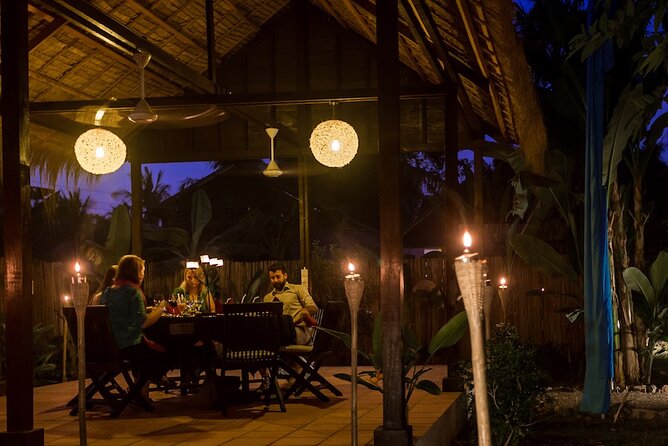
This class starts at 3:30 pm, which is a smart slot in Chiang Mai. You’re not fighting the midday heat, and you still get a full evening afterward for night markets, dessert runs, or an early sleep if your legs are tired.
It’s also long enough to feel like a real activity—about 4 hours from pickup through cooking and the end meal. Because it starts in late afternoon, plan your day so you’re not rushing in a sweaty sprint. If you’ve already got temple plans earlier, you’ll want a calm gap before the market stop.
You can also read our reviews of more tours and experiences in Chiang Mai.
Pickup and Where the Class Actually Starts (Galangal Cooking Studio)
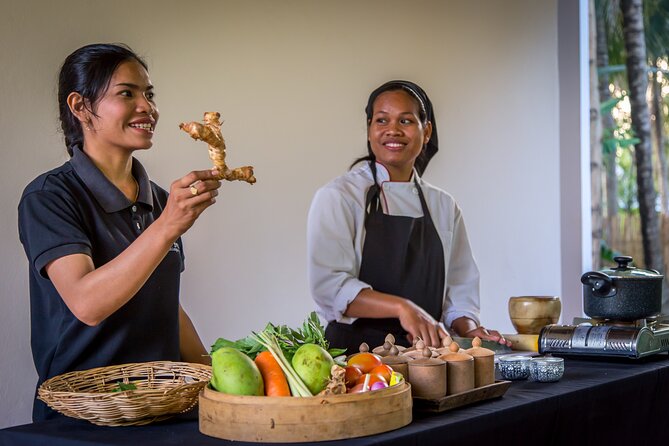
Pick-up is available from select hotels, which is handy when you don’t want to deal with grab-and-go logistics mid-trip. If you’re not in the pick-up zone, you’ll still have a clear home base: Galangal Cooking Studio, 366 Thanon Charoenrajd, Tambon Wat Ket, Amphoe Mueang Chiang Mai, Chang Wat Chiang Mai 50000, Thailand.
The activity ends back at the meeting point, so you don’t get dropped somewhere random. That matters in Chiang Mai—getting back smoothly beats spending your evening hunting transport.
You’ll also use a mobile ticket, which means less paper fuss and easier check-in. When confirmation arrives at booking, you can treat this like a locked-in plan rather than a maybe.
The Local Market Stop: Learning Ingredients, Not Just Names
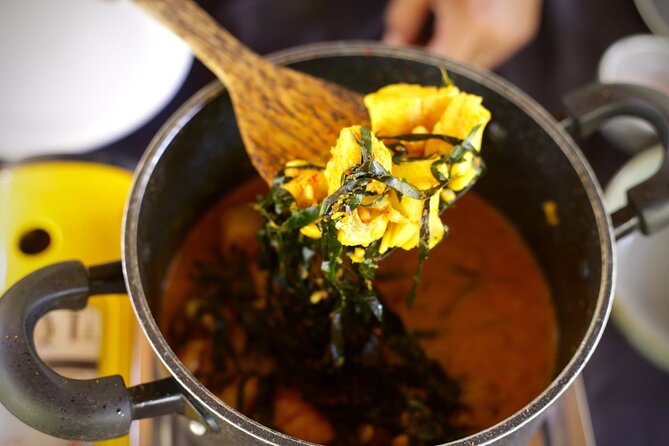
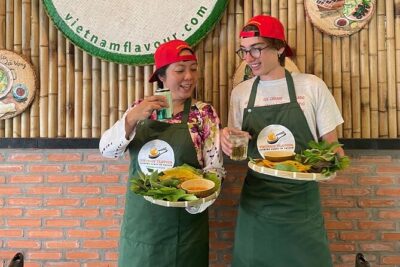
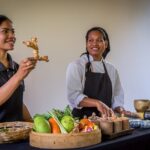
You begin with hotel pickup, then head to a local market. This is where the class earns its keep. Thai cooking is full of flavors that come from specific ingredients, and the market stop helps you connect the word on a recipe to the real thing in front of you.
At the market, the instructor introduces the ingredients you’ll use during class. That sets you up to cook with confidence later, because you’ll know what you’re looking for—even if you’ve never handled Thai herbs or pastes before.
A small, practical tip: take a moment to watch how the instructor points out ingredients and explains usage. Some things are easy to recognize (like common herbs), but others look similar until you learn what makes them different. You’ll also benefit from asking questions while everything is in front of you—once you’re back in the studio, it’s harder to compare options.
Kitchen Studio Time: Guided Cooking That Demystifies Thai Food
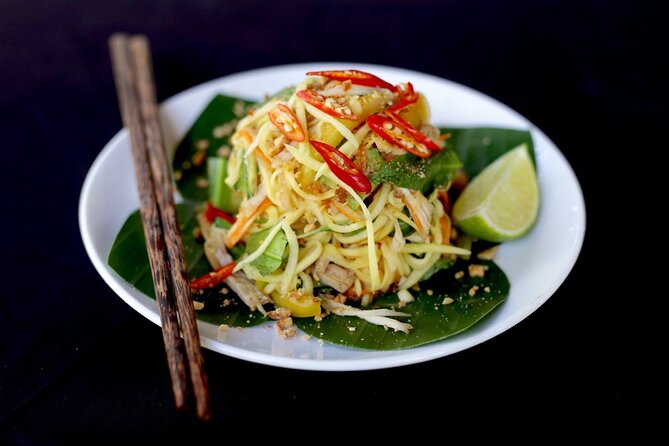
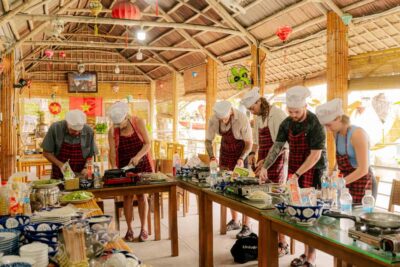
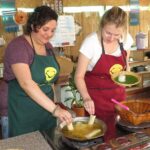
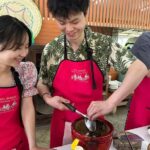
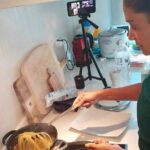
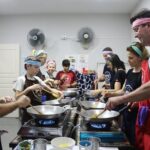
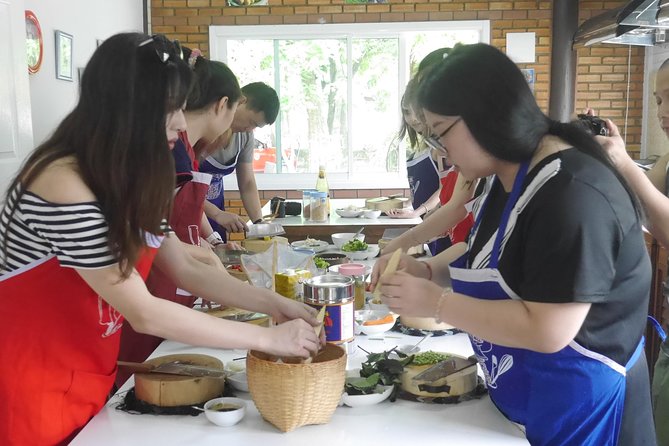
After the market, you move to the cooking studio where the instructor guides you step-by-step. This is the core value of the experience: you’re not trying to reverse-engineer Thai cooking from a cookbook. You’re learning the process with real instruction.
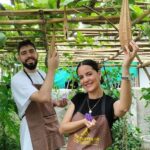
You can expect a structured class where the chef helps you make multiple dishes. In the best cases, the teaching also includes a quick look at the garden—learning about Thai herbs and fruits and how those ingredients show up in flavor. Even if you skip that part, you still get the main thing: technique plus ingredient clarity.
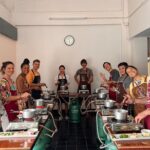
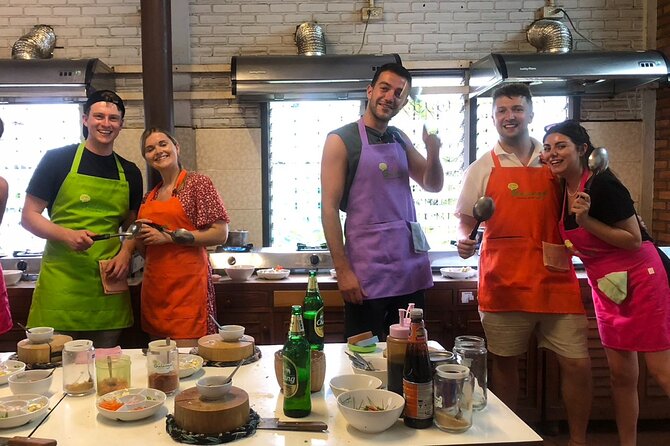
One of the most praised parts of this class is simply how organized it feels. You’ll be cooking in a group (max 24), but the flow is designed to keep everyone moving. That matters when you’re chopping, pounding, stirring, and timing sauces all at once.
If you’re new to Thai food, focus on the “why” behind steps. Ask how to tell when something is ready. Ask what changes if the taste is off. Thai cooking isn’t just a list of ingredients—it’s adjusting flavor. A good instructor helps you understand that feedback loop, so you can repeat results at home.
The Meal You Cook: Sit Down and Eat Your Own Dishes
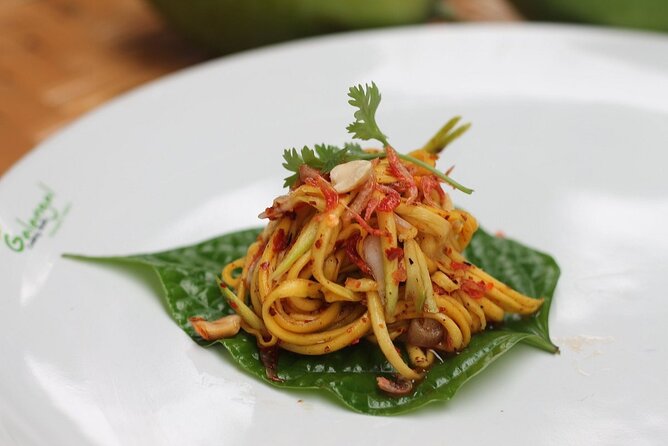
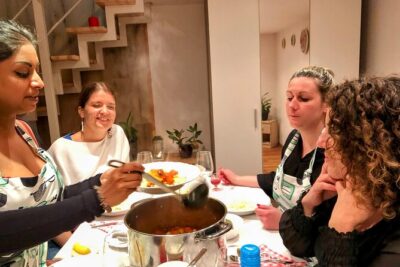
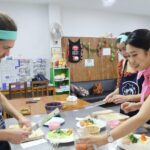
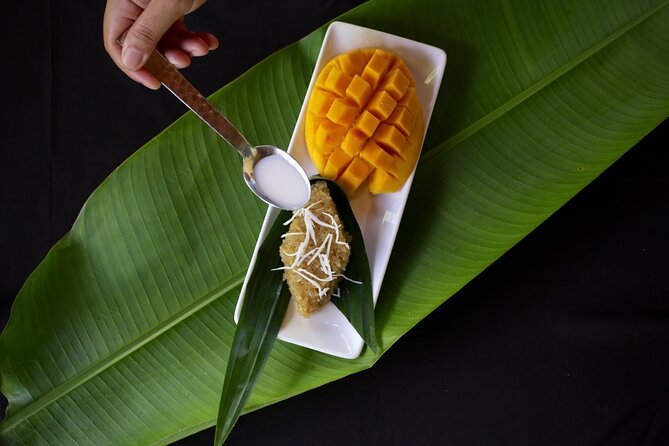
At the end, you dine on what you cooked. This is more than the feel-good part of the evening. It’s also how you learn. You taste the dishes at the moment your technique is still fresh, then you can connect flavor outcomes to what you did.
The group vibe helps too. Many people enjoy sharing dishes and letting others try their food. If you’re the social type, you’ll likely find it’s easier to talk and compare notes than in a quiet lecture setting.
Expect a real dinner moment rather than a small snack. If you’re someone who worries that cooking classes end with you making a tiny portion and then leaving hungry, this one is built to avoid that.




The Take-Home 40-Page PDF Recipe Booklet
Here’s a detail I love because it’s actually useful: you get a PDF with 40 pages of recipes at no extra cost. Most classes hand you something small, or they send you off with a link you’ll never open again. This one is sized like a real reference.
Why that matters: Thai cooking at home can be tricky because ingredient brands vary, and flavors shift with different peppers, herbs, and sauces. A thorough recipe set gives you a starting point and helps you repeat dishes instead of just enjoying them once.
When you get the PDF, skim it right away. Then take notes on the dishes you liked most. Later, when you shop for ingredients, you’ll be able to match what you used to what the recipe calls for. That’s how a cooking class becomes a kitchen tool, not a memory only.
Price and Value: What $33.43 Buys You in Practice
At $33.43 per person, this is priced like a solid, mid-range Chiang Mai activity. The value comes from stacking multiple things together:
- a market ingredient introduction
- pro instruction in a kitchen studio
- multiple dishes cooked as part of the class
- the meal at the end
- and a 40-page recipe PDF you can use later
If you compare that to paying only for a meal, this feels like you’re really buying an experience that teaches you how to create that meal again. And compared with private classes, the group format keeps costs down while still offering real coaching.
One more value point: organization. When a class runs smoothly, you spend less time waiting and more time cooking. That alone can make the difference between a good evening and a frustrating one.
Group Size, Energy Level, and Who This Fits Best
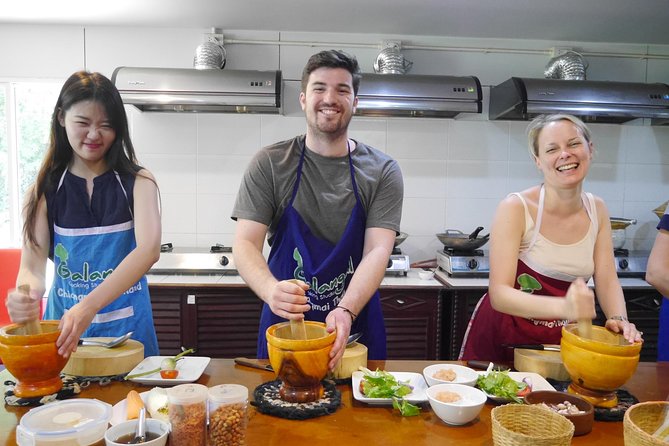
With a maximum of 24 travelers, the group stays at a scale where instruction can still be hands-on. It won’t be silent and it won’t be ultra-formal. You’re in motion, and you’ll likely cook with (and sometimes share with) other people.
This class is especially good if:
- you’re visiting Chiang Mai and want one evening that feels like local know-how
- you want to learn Thai cooking you can actually repeat at home
- you like structured, guided experiences more than self-paced cooking
It’s also a great fit for couples, friends, and small groups. If you’re traveling solo, you’ll likely still have lots to do and people to share bites with.
If your goal is a fully private, tailor-made class with maximum individual attention, the group setup may feel a bit fast. But for most people, the energy and pacing are part of the fun.
Practical Tips to Get More From the Class
These small moves can help you enjoy it more:
- Arrive ready to cook. Wear comfortable clothes and shoes you don’t mind getting splashed.
- Keep your phone charged. If you like, take quick notes while you’re learning ingredient roles.
- Taste as you go. Don’t save all feedback for the end meal.
- Ask at the market. If you’re unsure about an herb, paste, or flavoring, ask before you head to the studio.
- When you get the PDF, pick one dish you’ll cook first at home. That turns the booklet into action, not storage.
Should You Book This Evening Cooking Class?
I’d book it if you want Thai cooking with guardrails. The combination of a market ingredient introduction, professional-led instruction, and a real cook-and-eat dinner is a strong package for the price.
It’s also an easy win for anyone who finds Thai food hard to recreate on their own. The class doesn’t just hand you recipes—it gives you context and technique so you understand what to do when flavors need adjusting.
If you’re set on private attention or you hate group pace, you might want to consider an alternative format. Otherwise, this is a practical, enjoyable way to spend your Chiang Mai evening with food you’ll remember—and dishes you can make again.
FAQ
How long is the evening cooking class?
It runs for about 4 hours (approx.).
What time does the class start in Chiang Mai?
Start time is 3:30 pm.
Where is the class located?
The cooking studio meeting point is Galangal Cooking Studio at 366 Thanon Charoenrajd, Tambon Wat Ket, Amphoe Mueang Chiang Mai, Chang Wat Chiang Mai 50000, Thailand.
Is hotel pickup included?
Transfers are available from select hotels.
What happens at the market stop?
You visit a local market where the teacher introduces the ingredients you’ll use during the class.
Will I eat the food I cook?
Yes. You dine on your creations at the end of the class.
What will I receive after the class?
You get a PDF with 40 pages of recipes at no extra cost.
How big is the group?
The experience has a maximum of 24 travelers.
Is there free cancellation?
Yes. You can cancel for a full refund up to 24 hours in advance of the experience start time.