REVIEW · SIEM REAP
Afternoon Cooking Class & Village Tour in Siem Reap
Book on Viator →Operated by Village Cooking Class. · Bookable on Viator
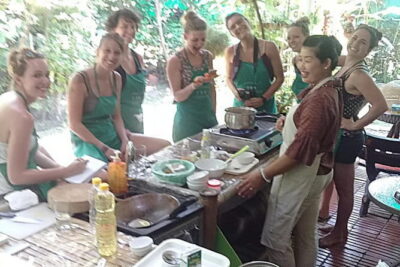
Smell Cambodia before you even start cooking. This afternoon class takes you from Siem Reap into a countryside village kitchen to learn Khmer cuisine with a local chef. You’ll also get a guided look at village life—rice paddies, farms, and even a rice wine distillation stop.
I like how practical this feels: you get hotel pickup and drop-off, so you can focus on the food and the ride without playing logistics roulette. I also love that you don’t just taste—there’s hands-on cooking of three main Khmer dishes plus one dessert, and you leave with a recipe book.
One thing to consider: it depends on good weather, and the ride out of town takes a chunk of the experience—so plan for a proper afternoon outing, not a quick food stop.
In This Review
- Key highlights you’ll actually care about
- From hotel pickup to countryside kitchen: the flow that makes sense
- The village tour: rice paddies, temples, farms, and rice wine
- Vegetable and mushroom farms
- Rice wine distillation house
- Village life and small landmarks
- Herb and sauce tasting: how flavor lessons make cooking easier
- What you’ll cook (and eat)
- Dinner with your own cooking: plus the recipe book
- Small-group meals often feel more personal
- Price and value: $35 for pickup, cooking, and a full food experience
- Why the village donation inclusion is worth noticing
- Who this Siem Reap class suits best (and who should skip it)
- Skip it if…
- Solo-friendly energy
- Quick decision guide: should you book this afternoon class?
- FAQ
- What time does the afternoon cooking class start?
- How long is the cooking class in Siem Reap?
- Do I get hotel pickup and drop-off?
- What will I cook during the class?
- What extra stops are included before cooking?
- Is there a recipe book at the end?
- How many people are in the group?
- Is travel insurance included in the price?
- What happens if the weather is bad?
- What is the cancellation refund policy?
Key highlights you’ll actually care about
- Hotel pickup and drop-off make this easy after a day in Siem Reap
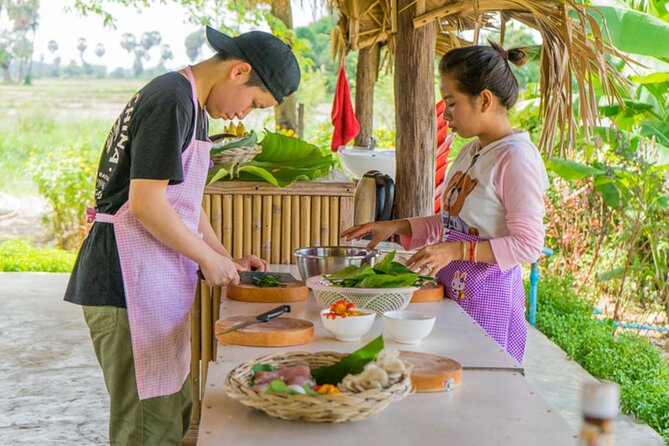
- Small group size (up to 8 people) means more time with your chef
- Village tour plus farms and rice wine distillation adds context to what you’re cooking
- Tasting herbs and sauces first so you understand the flavors before you cook
- Cooking 3 mains and 1 dessert with guided Khmer techniques
- Recipe book included so you can recreate your favorites at home
From hotel pickup to countryside kitchen: the flow that makes sense
This is an afternoon-focused Siem Reap cooking class designed for people who want more than a cooking demo. You start mid-afternoon, then the day shifts from city sights to working village routines—before you pick up a knife and start cooking Khmer dishes yourself.
The experience is roughly 4 hours from start to drop-off. Your confirmed pickup details can land around 2:00 pm start time, with pickup described at 3:00 pm in the schedule info. Either way, think of it as a late-day activity. Once you’re picked up, your driver heads you out of Siem Reap with stops along the way.
What makes the timing work for most people is that you’re cooking and eating when the heat softens a bit and you’re usually ready for a real meal. If your day includes temples earlier on, this class gives your brain a break from stone and brings you back to something you can smell, taste, and make.
And yes, you’ll meet both a local guide and the chef as part of the experience. That matters. A chef who’s teaching you the dishes typically has better answers for why flavors work than someone reading off a checklist. You get the cultural context in plain language, not a lecture.
Practical note: Wear comfortable shoes. Even with a guided tour, village walking can mean uneven paths and short stretches where you’ll want grip and support.
You can also read our reviews of more tours and experiences in Siem Reap.
The village tour: rice paddies, temples, farms, and rice wine
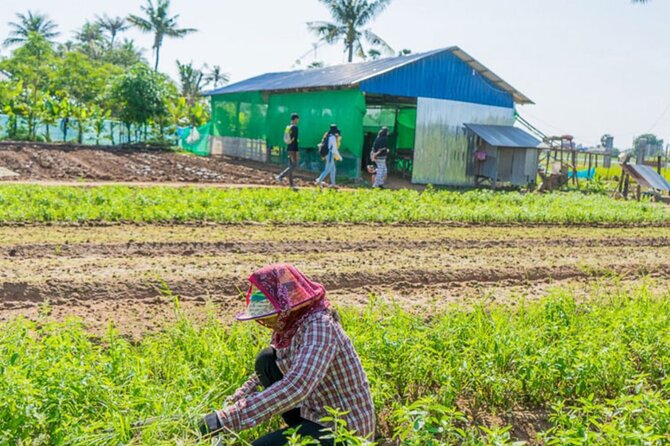
Before you cook, you’ll tour the countryside around a village of Siem Reap. The drive is part of the experience. You’ll travel through rice paddies and temples, then arrive in the village area where day-to-day life continues at human speed.
Once there, your guide takes you around the area so you can connect food to place. This isn’t just a photo stop. You’re meant to understand where key ingredients come from.
Vegetable and mushroom farms
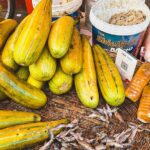
You’ll visit vegetable and mushroom farms. This is the point in the tour where you start to see what the chef relies on later in class. Even if you’re not given a lesson on every single crop, it helps you spot what would be fresh, seasonal, or commonly used in Khmer cooking.
The value here is simple: when you later taste herbs, sauces, and finished dishes, you’re not imagining ingredients—you’ve seen the source. That makes the cooking instructions easier to follow. It’s also more memorable than a kitchen-only experience where everything begins and ends at the stovetop.
Rice wine distillation house
You’ll also visit a local rice wine distillation house. This is one of those stops that adds cultural depth without turning into a long museum visit. It signals that food traditions in Cambodia aren’t only about meals—they’re also about local production, fermentation, and community practices.
Just remember: your main focus still stays on the cooking class. The distillation stop supports the story, not replaces the class.
Village life and small landmarks
There’s also time for a local village tour and a look at nearby landmarks. This part is why this works as a value-for-money tour. You’re getting a half-day of guiding and context, then transitioning into practical food learning.
Possible drawback: you’re on the move during the early portion. If you prefer to sit still and cook only, you might find the village touring portion a little less relaxing. But if you enjoy walking and learning how ingredients fit into daily life, this section is a big win.
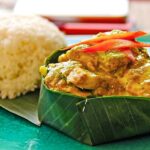
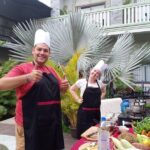
Herb and sauce tasting: how flavor lessons make cooking easier
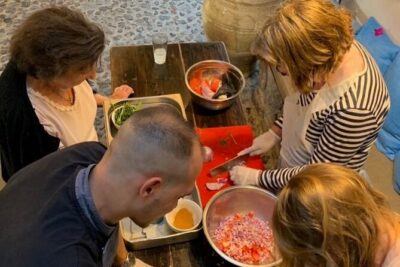
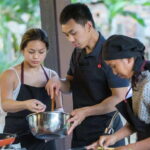
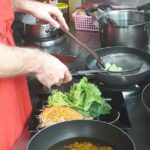
After the village portion, you shift into the cooking part. This is where the class becomes more than scenery. You’ll start with tasting aromatic herbs and sauces, then learn traditional techniques before you start cooking.
That order matters. If you taste first, you understand what the final dish is aiming for. You’re not guessing. You’re matching smells and flavors to instructions while you’re cooking.
This is also where a small-group setup helps. With up to 8 people, you’re more likely to get direct guidance when something doesn’t look right—too salty, missing a particular aroma, or not getting the texture the chef wants. You also get a better chance to ask questions about Khmer cooking basics without waiting your turn forever.
Even without a detailed ingredient list provided in the description, the structure is clear:
- taste herbs and sauces
- learn techniques
- cook your dishes with assistance
- finish with dinner and dessert
Think of it as a guided translation between Khmer flavor logic and what you can replicate later.
What you’ll cook (and eat)
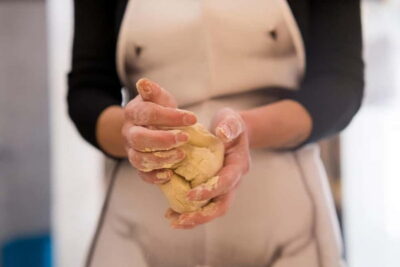
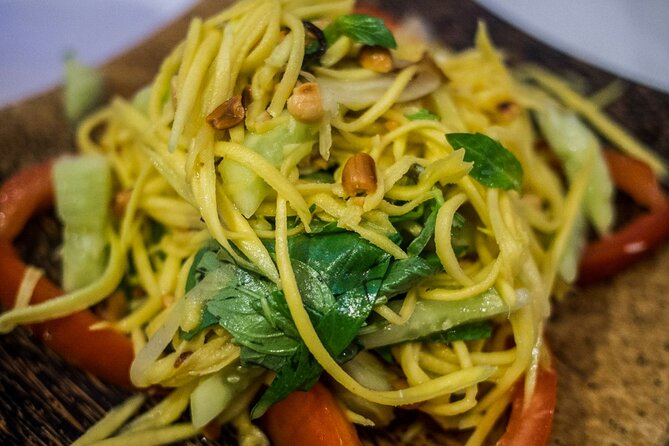
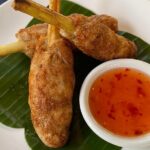
You’ll cook a set of three main-course Khmer dishes and prepare one Khmer dessert. The class frames it as a homemade dinner, so you’re not just sampling bites. You’re making meals you’ll actually eat during the session.
That’s a key value point: many cooking classes are heavy on tasting and light on producing a full plate of food. Here, your hands do the work, and your stomach gets the payoff.
Dinner with your own cooking: plus the recipe book
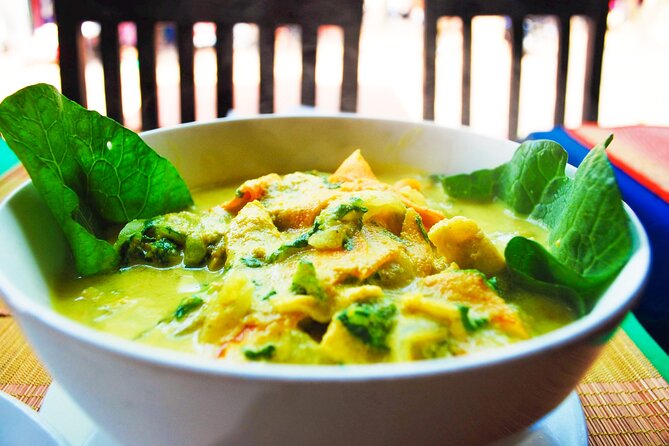
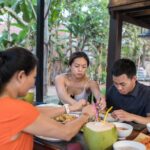
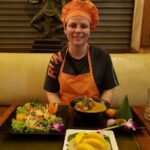
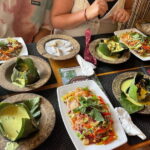
Once the dishes are ready, you sit down and eat your homemade dinner. This is the part that’s easy to underestimate when you book a cooking class: people often remember the teaching moment, but what you’ll likely remember most is how the meal tastes after you’ve done the steps.
The class also includes a recipe book to take home. That’s the practical souvenir. A recipe book matters because it gives you a starting point when you recreate the dishes later—especially if you don’t want to rely only on memory.
If you’ve ever cooked something once and then had no idea how you made it taste so good, you’ll appreciate this. Khmer cooking can involve a lot of balancing through sauces and aromatics, so having written guidance gives you a clearer path when you try again in your own kitchen.
Small-group meals often feel more personal
Your group size—up to 8 participants—changes the whole vibe around the table. It’s easier for the chef to check in, and it’s less crowded when you’re cooking and eating. That often turns a class into something closer to a friendly workshop.
Based on how people describe the warmth of the family involved, expect a welcoming atmosphere rather than a stiff “you’re here to learn and leave” feeling.
Price and value: $35 for pickup, cooking, and a full food experience
At $35 for about 4 hours, this is priced like a genuine value if you like structured, hands-on food learning. Here’s what you’re getting for the money, based on what’s included:
- Hotel pick-up and drop-off
- 3 main course Khmer dishes and 1 Khmer dessert
- a local guide and a local chef
- village donation
- a recipe book after the course
- a mobile ticket
When you weigh it against other Siem Reap food experiences, the pickup matters. Add transport costs and the time saved, and it becomes easier to justify. You’re also getting more than a tasting: you’re actively cooking.
Why the village donation inclusion is worth noticing
The tour includes a village donation. Even without an exact amount in the details provided, that inclusion is a signal that the class aims to support the community you’re visiting, not just take photos and leave.
This tends to correlate with better host behavior, too. When a visit includes a donation component, the experience often feels more grounded in local relationships than purely transactional.
Who this Siem Reap class suits best (and who should skip it)
This is a strong fit if you want:
- a hands-on Khmer cooking class (not just tasting)
- context from a village tour including farms and rice wine
- a late-afternoon plan that turns into a full meal
- a smaller group so you actually get guidance
It’s also ideal for people who like learning flavors through tasting herbs and sauces first. That approach helps you understand what to replicate later, not just what to eat once.
Skip it if…
If your schedule is temple-only, packed, or you dislike countryside walks, the village portion may feel like too much. Also, because the experience requires good weather, you might want a bit of flexibility in your plans.
Solo-friendly energy
One of the best advantages of a small group is that you’re not stuck in a crowd. If you’re coming alone, this setup is more likely to feel welcoming because you’re still cooking and sitting within a manageable circle of people.
Quick decision guide: should you book this afternoon class?
Book it if you want a true Khmer cuisine experience in Siem Reap that includes both village context and hands-on cooking. The pickup, the small group size, the 3 mains plus dessert, and the recipe book make the $35 price feel grounded in real value.
Don’t book it if you need a very short activity, you hate weather-dependent plans, or you prefer to spend your limited time in Siem Reap strictly on temples and museums.
If your schedule can flex and you’re hungry for something you can recreate later, this is a solid choice.
FAQ
What time does the afternoon cooking class start?
The experience lists a start time of 2:00 pm. The schedule also describes hotel pickup at 3:00 pm, so your confirmation should confirm the exact timing.
How long is the cooking class in Siem Reap?
The duration is approximately 4 hours.
Do I get hotel pickup and drop-off?
Yes. Hotel pick up and drop off are included.
What will I cook during the class?
You’ll cook 3 main-course Khmer dishes and 1 Khmer dessert.
What extra stops are included before cooking?
The tour includes a drive through rice paddies and temples, a village tour, visits to vegetable and mushroom farms, and a rice wine distillation house.
Is there a recipe book at the end?
Yes. You receive a recipe book to take home so you can recreate dishes later.
How many people are in the group?
The tour has a maximum of 8 people.
Is travel insurance included in the price?
No. Travel insurance is not included.
What happens if the weather is bad?
The experience requires good weather. If it’s canceled due to poor weather, you’ll be offered a different date or a full refund.
What is the cancellation refund policy?
Free cancellation is available. Cancel up to 24 hours in advance for a full refund. If you cancel less than 24 hours before the start time, the amount paid is not refunded.