REVIEW · SINGAPORE
Experience Singapore: Cultural Cooking Class
Book on Viator →Operated by Food Playground · Bookable on Viator
One food class can beat a whole guidebook day. In a small group, you learn Singapore favorites like laksa-style noodles and Hainanese chicken rice, with local instructors and a proper meal at the end.
I especially like the hands-on format (you actually cook, not just watch) and the chance to learn the culture behind dishes, from the spices to the origins. One thing to consider: the opening rundown can feel a bit long for people who want to get to the chopping right away.
In This Review
- Key highlights at a glance
- Singapore cooking class in Chinatown: what you’re really buying
- The 3-hour flow: from apron on to lunch on the table
- Stop 1: Food Playground—your hands-on teaching kitchen
- The menu: 3 Singapore favorites you can actually repeat at home
- Small-group attention: the secret ingredient
- Price and value: is $96.97 fair for 3 hours?
- Logistics that actually matter (and the ones you can ignore)
- After class: what to do nearby in Chinatown
- Should you book this Singapore cultural cooking class?
- FAQ
- How long is the Singapore Cultural Cooking Class?
- What time does the class start, and where do I meet?
- What’s included in the price?
- Are hotel pickup and drop-off included?
- What dishes will I cook?
- Can you accommodate dietary requirements?
- Is there a minimum age?
Key highlights at a glance
- Small groups (max 12): easier questions, closer coaching, and less standing around.
- You cook 3 dishes: the class is built around doing, not only tasting.
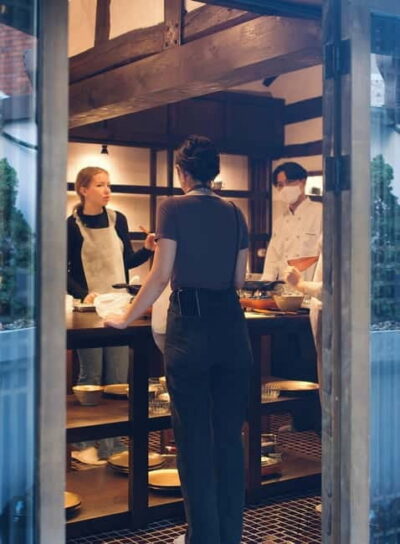
- Heritage shop-house setting: the kitchen is in a Chinatown building with a lot of character.
- Food quiz at the start: a fun way to set the tone and get you thinking Singapore-style.
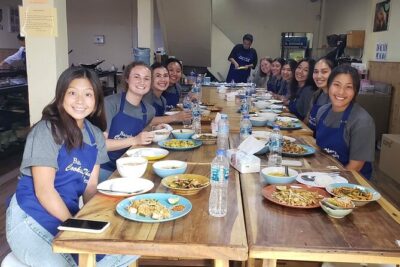
- You eat what you make: lunch includes water, coffee, and tea, plus your own finished dishes.
- Instructors by name: I’ve seen classes led by Mary, Monica, Sara, and Nur—expect warmth and clear direction.
Singapore cooking class in Chinatown: what you’re really buying
This is a Singapore cooking class designed for people who want more than a plate of food. You get the “how” (techniques, timing, seasoning), plus the “why” (where the flavor traditions come from and how Singapore’s food reflects its mix of cultures).
The location is a big part of the experience. Your class meets at 24A Sago St, Singapore 059020, and it takes place on the second floor of an older heritage shop-house in Chinatown. In one class setup, there’s even a roof garden and museum feel nearby, plus a temple next door—so you can wrap up the morning with a short wander while the city is still quiet.
What you’re really buying is structure and guidance. Singapore’s dishes can look intimidating because they’re layered—spice pastes, fresh herbs, and broths that need balance. Here, you’re taught step-by-step, then you recreate your own version. That alone makes it a smart value if you’re the type who cooks at home and wants a realistic game plan.
You can also read our reviews of more tours and experiences in Singapore.
The 3-hour flow: from apron on to lunch on the table
The schedule is simple and efficient: arrive, prep, cook, then eat together. It runs about 3 hours, starting at 9:30 am, and it ends back at the meeting point.
Here’s what the experience feels like in motion:
First comes the warm-up. Classes often start with a food quiz—nothing too serious, just a quick way to get you engaged and thinking about Singapore flavors before you touch ingredients. It’s also a great icebreaker if you’re solo. I like this kind of start because it turns the class from a lecture into a shared mission.
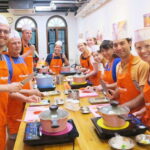
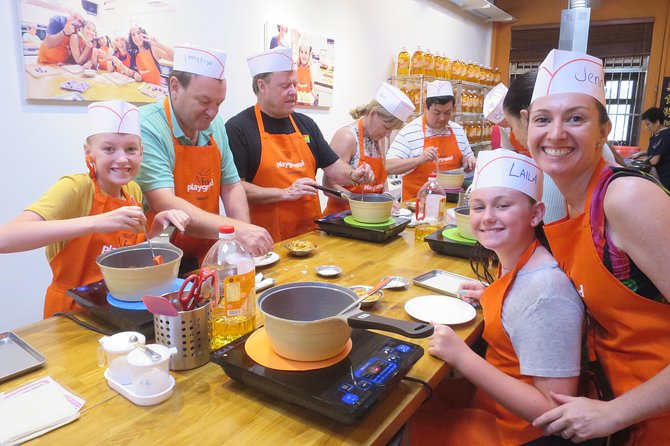
Then you put on your apron and get moving. The instruction typically follows a pattern: the instructor demonstrates key techniques, then you help with parts of the dish, and finally you cook in your own station with guidance nearby. In smaller groups, you still get enough hands-on time, and you’re not stuck waiting for someone else’s turn.
During cooking, you’ll likely work with:
- spice and seasoning prep
- assembling components (like noodles, sauces, or chicken preparations)
- finishing steps that make the dish feel “right” at the table
When the dishes are done, you sit down for your meal in a relaxed, informal setting with your classmates. Lunch is included, along with water, coffee, and tea. That’s not just a perk—it’s part of the teaching. You get to taste your own results while the instructor can answer questions about what you cooked and why it works.
Stop 1: Food Playground—your hands-on teaching kitchen
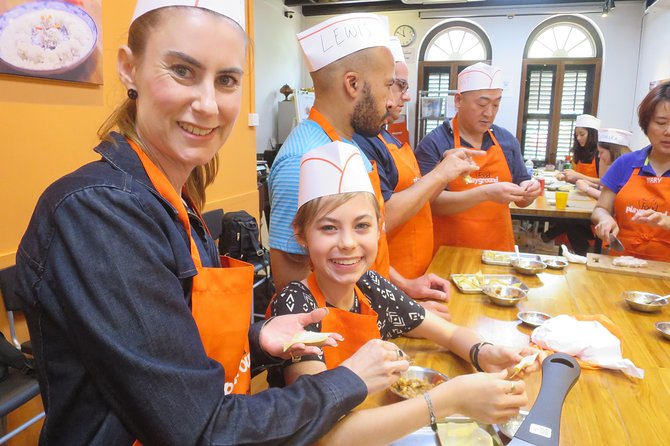
Your class is based at Food Playground, and the experience centers on learning Singapore cooking methods in a proper teaching space. It’s not a home kitchen tricked out for tourists. The room setup supports what matters: shared instruction, clear stations, and supervision while you cook.
A few details make this format work well:
- You cook three dishes within the time window, so the class stays practical.
- Tools and ingredients are provided, so you don’t show up wondering what you need to bring.
- The instructors are English-speaking, which matters if you want to ask follow-up questions during prep and cooking.
One more reason this place feels special is the heritage setting. In at least one class experience described, the location is in an older building with a back history that adds context to why food traditions matter here. You’re not just learning recipes—you’re learning them in a space that feels tied to the neighborhood.
The menu: 3 Singapore favorites you can actually repeat at home
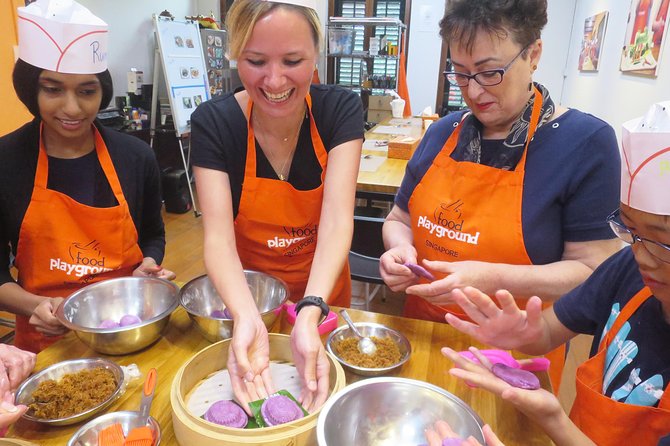
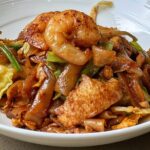
The menu can change, but you can expect to cook three dishes. The class commonly includes Singapore staples such as laksa (noodle soup) and Hainanese chicken rice. Other examples that have come up include chicken satay, and classes may also cover things like curry-based preparations.
A helpful clue from past classes: one group talked about learning curry paste from scratch. That’s the kind of skill that pays off at home, because store-bought paste can only get you so far. If you make a paste or sauce base during the class, you’ll leave with a technique you can reuse for future meals.
Dessert can also appear. One featured class included Ondeh Ondeh (a sweet snack), showing the menu isn’t only savory. If you’re trying to recreate Singapore at home, that balance matters—many people can follow a chicken recipe, but fewer learn the sweet finish.
What I like about the menu design is the mix. Singapore food isn’t one style; it’s multiple culinary traditions under one roof. By making three different dishes, you get exposure to different flavor structures—broth-based noodles, chicken and rice comfort food, grilled skewers or spicy curry notes, and sometimes something sweet. That’s a better learning path than repeating one dish three ways.
One practical note: because the menu and ingredients can shift, don’t plan your entire Singapore cooking fantasy around a single exact dish. Instead, treat the class like a skills-and-techniques workshop anchored in classic favorites.
Small-group attention: the secret ingredient
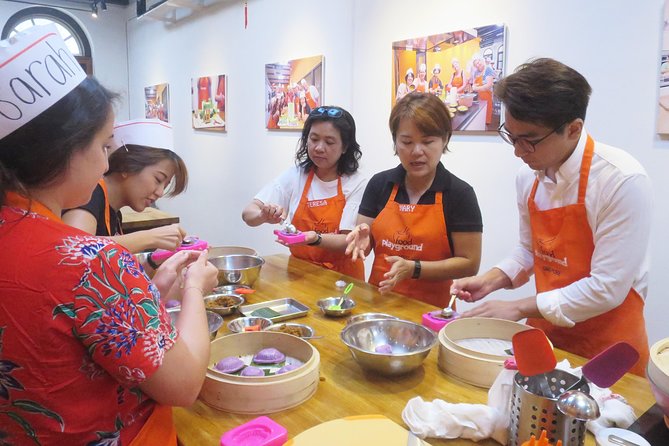
This class caps at 12 travelers, and it operates with a minimum of 2. In practice, that small size is where the value shows up.
Here’s why:
- The instructor can correct mistakes while you’re cooking, not after the dish is already finished.
- You get more time for questions about seasoning, heat level, texture, and timing.
- You don’t lose your momentum waiting for someone to explain what to do next.
In reviews and feedback tied to these classes, a recurring theme is that instructors stay close and help people do the cooking themselves. Names you may see include Mary, Monica, Sara, Cindy (in one described team), and Nur. You might not get the same teacher as the next person, but the teaching style is clearly consistent: clear instructions, hands-on coaching, and a focus on getting you from raw ingredients to finished dishes.
Is there any drawback? The main one I’d flag is timing at the start. A common complaint is that the beginning discussion can run long—so if you’re the type who hates lectures, you may want to manage expectations and show up ready to work.
Price and value: is $96.97 fair for 3 hours?
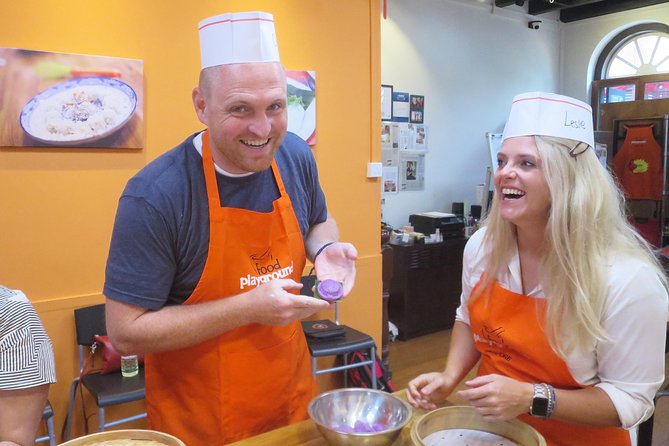
At $96.97 per person for about 3 hours, you might wonder if it’s worth it versus a regular meal or a street-food hunt. Here’s the practical math.
You’re getting:
- All equipment and ingredients
- Lunch (with water, coffee, and tea)
- A guided class led by local English-speaking instructors
- A small-group format designed for participation
- The chance to cook three dishes, not just taste them
Street food in Singapore is great, but you don’t leave street food knowing how to recreate the spice balance or the technique behind the dish. This class fills that gap. If you plan to cook even a handful of times after your trip, the skills can pay you back quickly.
There’s also a less obvious value: many classes provide the recipes and photos after the session. That turns your memory into a usable checklist at home. Even if your kitchen is smaller than the class kitchen, having the steps written down makes success far more likely.
If you’re someone who likes cooking classes while traveling, this price lands in the “fair and fun” zone—especially because you get a full meal and active instruction in the same package.
Logistics that actually matter (and the ones you can ignore)
You don’t need to worry about hotel pickup. Hotel pickup and drop-off aren’t included, so you’ll meet at 24A Sago St.
You do need to plan for timing. The start is 9:30 am, and the activity ends back at the meeting point. If you’re staying nearby, you’ll feel relaxed. If you’re coming from farther out, build in buffer time so you’re not rushing while everyone is putting on aprons.
Dietary requirements are handled with advance notice. If you have dietary needs, the guidance is to advise them at booking. The menu and ingredients can also change, so communicating your needs early is your best move.
Minimum age is 7 years. That makes it a possible choice for families who want a structured cooking activity, as long as kids can handle the pace and kitchen environment.
After class: what to do nearby in Chinatown
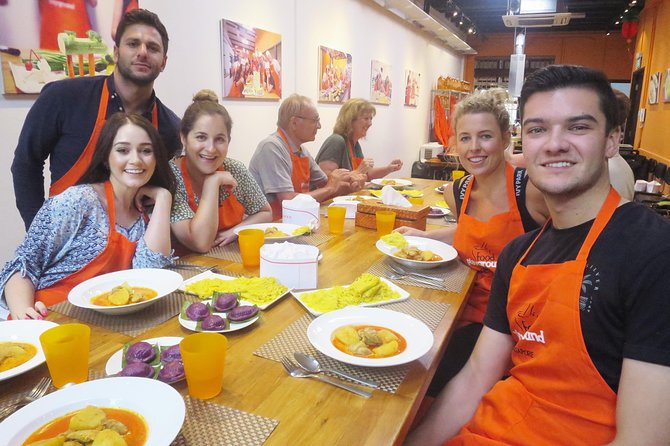
Once you finish, you’ll likely be in a good spot to keep the day going. Chinatown is walkable, and because your class is in that area, you can use the time after lunch to explore nearby without complicated transit.
One described class day included a strong “stay in the neighborhood” vibe: a pagoda temple next door, plus the roof garden and museum upstairs feel. Even if you don’t tour everything, the location makes it easy to stretch the experience beyond the kitchen.
If food is the theme of your Singapore trip, this matters. You’ll leave with a better sense of what you’re looking at when you spot dishes on menus and street stalls afterward.
Should you book this Singapore cultural cooking class?
Book it if you want practical skills, not just a meal. You’ll learn three classic Singapore dishes with step-by-step support, you’ll eat what you make, and you’ll leave with the kind of recipe guidance that helps you recreate the flavors at home.
Skip it (or at least think carefully) if you’re hoping for a quick, low-effort experience. The format is active, and it takes time—so it’s not ideal if you want only short tastings or you strongly dislike prep-and-cook classes.
One more simple check: you’ll probably enjoy this most if you like asking questions while you cook. The small-group size is built for that, and instructors like Mary, Monica, Sara, and Nur have clearly impressed people with hands-on coaching.
If that sounds like you, this class is a very solid use of a morning in Singapore.
FAQ
How long is the Singapore Cultural Cooking Class?
It runs for about 3 hours.
What time does the class start, and where do I meet?
The start time is 9:30 am, and you meet at 24A Sago St, Singapore 059020. It ends back at the meeting point.
What’s included in the price?
All equipment and ingredients are included, along with lunch (water, coffee, and tea) and local English-speaking instructors.
Are hotel pickup and drop-off included?
No. Hotel pickup and drop-off are not included.
What dishes will I cook?
You’ll cook three dishes, such as options like chicken satay or laksa. The exact menu, ingredients, and instructions can change.
Can you accommodate dietary requirements?
Yes, but you need to advise any dietary requirements at the time of booking.
Is there a minimum age?
Yes. The minimum age is 7 years.