REVIEW · SINGAPORE
Singapore: Market-to-Table Experience and Cooking Class
Book on GetYourGuide →Operated by Let's Go Bike Singapore · Bookable on GetYourGuide
Food starts at the market, not the stove. This 3-hour wet market walk plus hands-on cooking gives you a real look at how Singapore’s food culture works, and then you make it yourself.
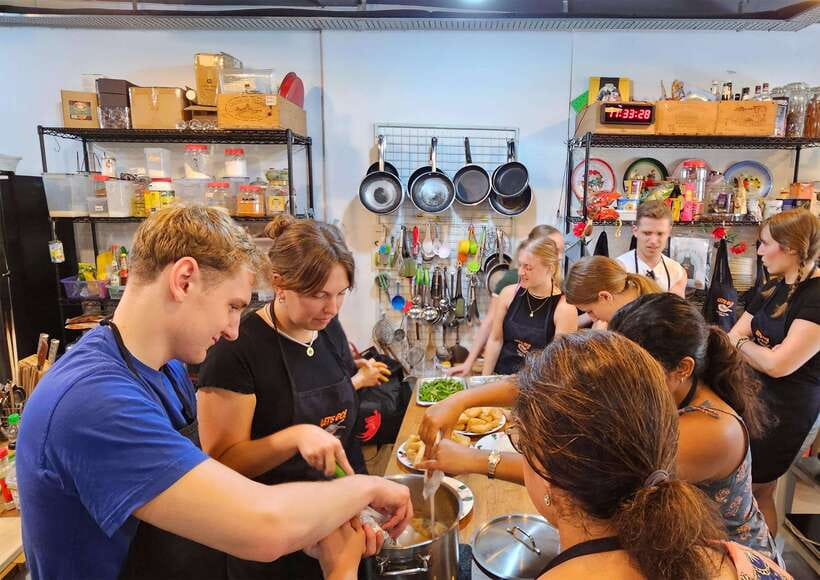
I especially like the way the guides connect ingredients to everyday life, whether you’re learning what to look for at the stall or why certain flavors show up again and again. I also like the small-group vibe and the chef-led instruction, with names you might meet like Denise, Vivian, Collin, or Angel, who keep things friendly and practical.
One consideration: you may feel the market portion is a little long if you mainly came for cooking, so go in ready to enjoy the shopping-and-stories part too.
In This Review
- Key highlights you’ll care about
- A Market-to-Table Class That Shows How Singapore Really Eats
- Meeting Point and Timing: What to Plan For
- Wet Market Tour: Learning Ingredients Where They’re Bought
- Coffeeshop Breakfast: The Taste Warm-Up You’ll Actually Remember
- Back in the Studio: Cooking Local Favorites From Scratch
- What you may make: Menu A dishes
- What you may make: Menu B dishes
- How long the cooking part really takes
- Techniques and Practical Skills You’ll Actually Use Later
- Culture Through Food Stories: Why the Guide-Chef Combo Works
- Price and Value: Is $109 a Smart Deal?
- Who Should Book This Cooking Class (and Who Might Skip It)
- Small-Group Feel and Chef Personality: What to Look For
- Dietary Notes: How to Make It Work for Your Needs
- Should You Book This Singapore Market-to-Table Experience?
- FAQ
- How long is the Singapore market-to-table cooking class?
- What dishes do I cook, and does it change by day?
- Where do I meet the group?
- Is the tour run in rain or shine?
- Are ingredients and cooking equipment included?
- What languages are the instructors or hosts?
- Is it wheelchair accessible?
Key highlights you’ll care about
- Local wet market tour with a licensed guide and trained chef so you learn what matters at the stalls
- Breakfast at a neighborhood coffeeshop to set the flavor mood before you cook
- Cooking class that starts from scratch with techniques you can repeat later at home
- Day-based menus (Menu A vs Menu B) so your dish lineup changes depending on when you go
- Chef coaching that stays clear and hands-on (and considers dietary needs if you flag them)
A Market-to-Table Class That Shows How Singapore Really Eats
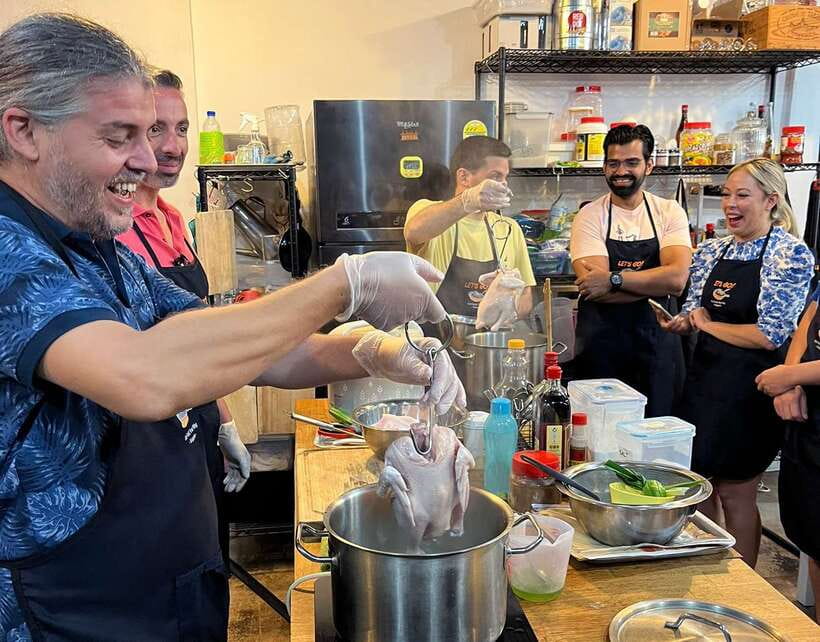
Singapore food can feel like a swirl of smells, sauces, and snack names. This experience slows it down in a smart way: first you see the ingredients in the place locals buy them, then you eat a classic breakfast, and only then you cook.
That order matters. When you learn what goes into dishes like laksa or ngoh hiang, the flavors stop being vague and start being specific. You get to connect the dots between the stall, the stovetop, and the final bowl or plate.
You’re also getting the culture piece, not as a lecture, but as stories tied to what you’re touching and tasting. The whole flow is built to help you understand Singapore as a food crossroads, where different communities share ingredients and techniques across the city.
You can also read our reviews of more tours and experiences in Singapore.
Meeting Point and Timing: What to Plan For
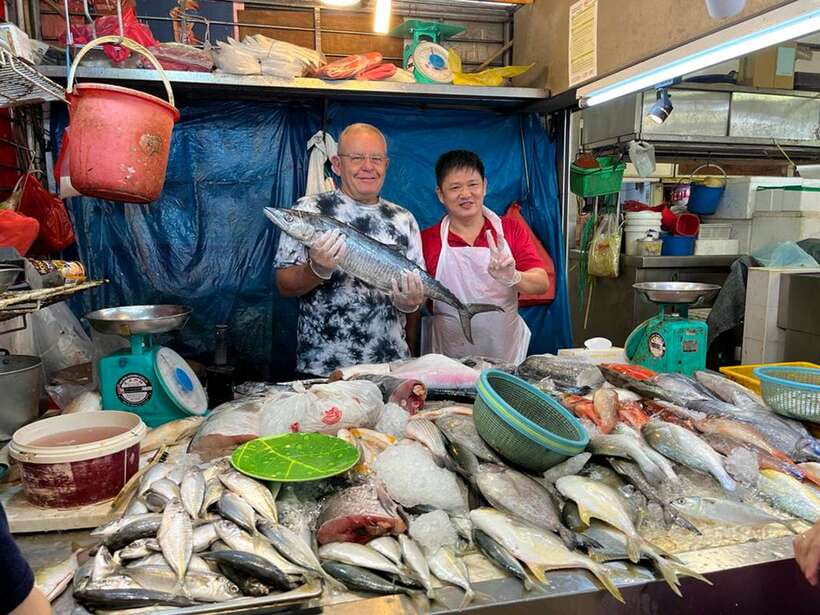
You’ll meet at the junction of Northern Bridge Road and Jalan Sultan Road, looking for the “Let’s Go Tour Singapore” sign. It’s a straightforward spot to aim for, and it sets you up to start moving right away.
The class runs about 3 hours, rain or shine. That matters because this isn’t a weather-dependent wandering day. If the skies are gray, you still show up, still shop, and still cook.
One practical note from timing you should expect: in some cases, the whole experience can run a bit long—closer to 3.5 hours end-to-end—because you’re not just cooking, you’re eating what you make. So plan your schedule with a little breathing room afterward.
Wet Market Tour: Learning Ingredients Where They’re Bought
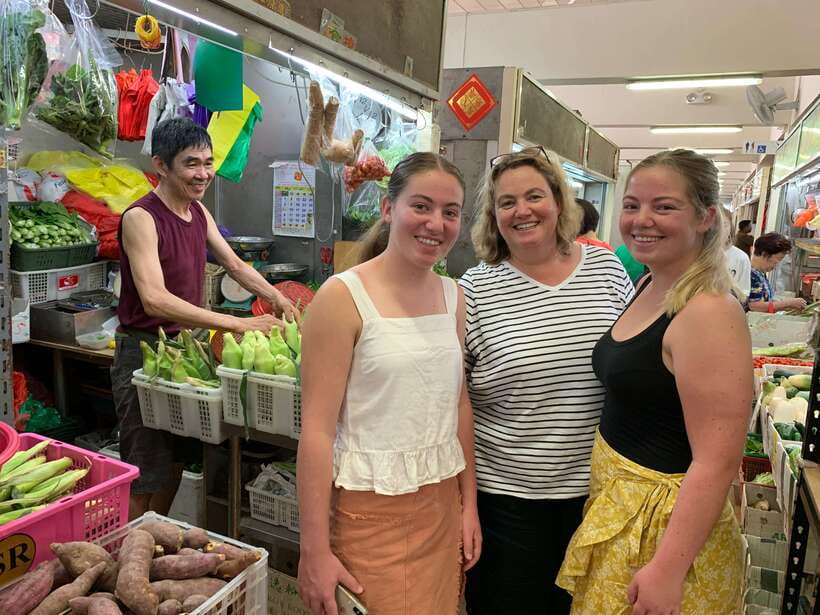
The wet market tour is the heart of this experience, and it’s also where you’ll get the most “why” behind Singapore food.
At the stalls, you’ll learn what makes local ingredients different—how they look, how they smell, and how they fit into cooking. You’ll also hear stories that connect food to daily routines, not just food facts. That’s how the market becomes more than a photo stop.
In practice, the market walk gives you three big wins:
- Better ingredient intuition: you start understanding what a recipe is really asking for.
- Less intimidation in the kitchen: once you’ve seen the real thing, you’re less likely to freeze when you’re handling it.
- More confidence tasting: you can identify flavors as they show up in different dishes.
Also, the market is guided by a licensed tour guide and a trained chef, which is a strong combo. You get both sides: what locals look for and how those ingredients translate into technique.
If you’re the type who wants to jump straight to the wok, here’s the trade-off: some people feel the market portion could be shorter. I’d treat that as a sign to go with the right mindset. If you like food shopping, this part is genuinely rewarding.
Coffeeshop Breakfast: The Taste Warm-Up You’ll Actually Remember
After the market, you’ll head to an iconic Singapore breakfast at a local coffeeshop. This is one of those moves that sounds simple but helps a lot.
First, it sets your expectations. By the time you’re in the studio, you already know what the day’s flavors should feel like. Second, it gives you a more grounded view of how people eat here—quick, everyday, and not staged for tourists.
You don’t just eat. You also get context from the hosts, which makes breakfast feel like part of the lesson plan instead of a pause in the action. It’s the kind of stop that makes the rest of the cooking class click.
Back in the Studio: Cooking Local Favorites From Scratch
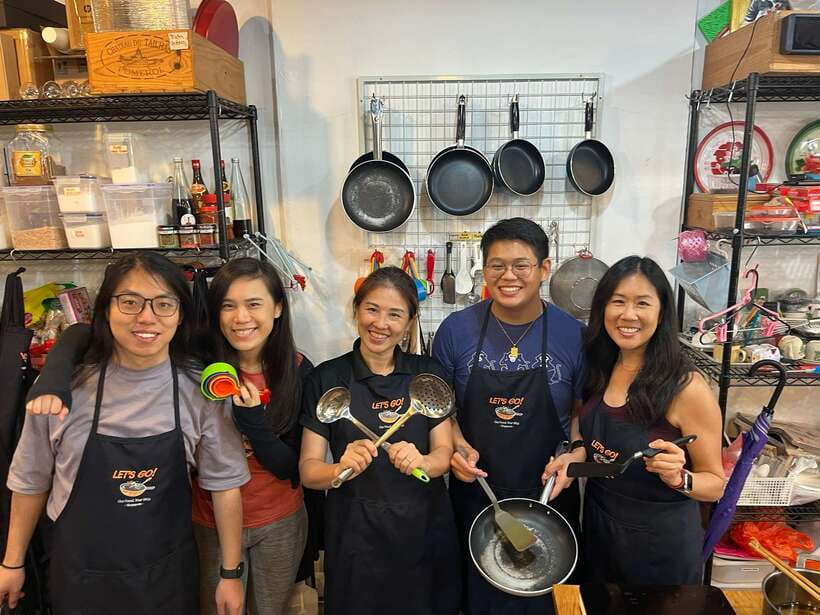
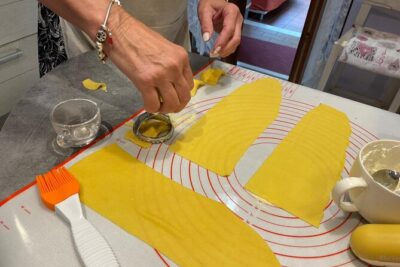
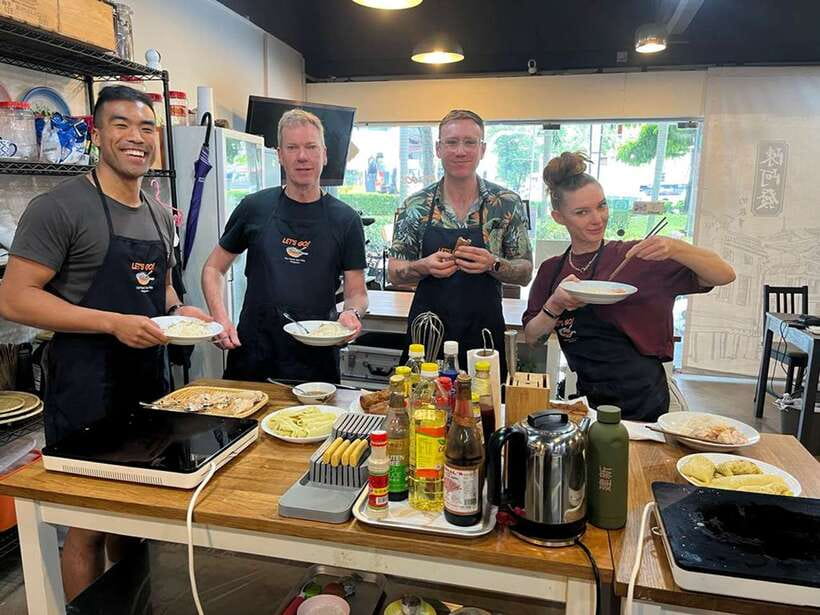
Once you return to the cooking space, the vibe shifts from street-level food watching to hands-on technique. You’ll cook local favorites from scratch using ingredients and equipment provided for you.
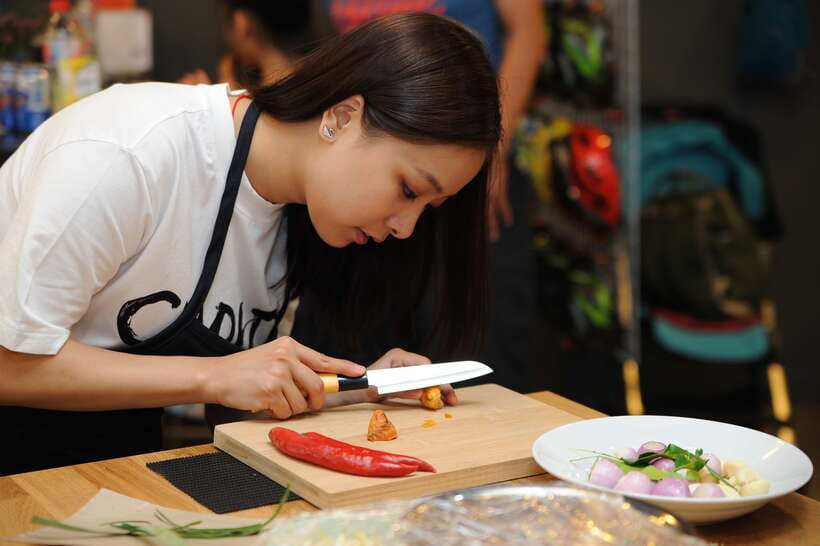
What I like about the teaching approach is that it’s built around doing. You’re not just collecting tips—you’re practicing the steps that create texture, balance spice, and build that distinctive Southeast Asian flavor profile.
You’ll learn cooking techniques from warm, experienced, outgoing chefs. The result is you leave with more than recipes in your notes. You leave with a sense for how the dish behaves as it cooks.
What you may make: Menu A dishes
On days with Menu A (Tue, Thu, Sat), you’ll cook:
- Hokkien Mee (Singapore noodles)
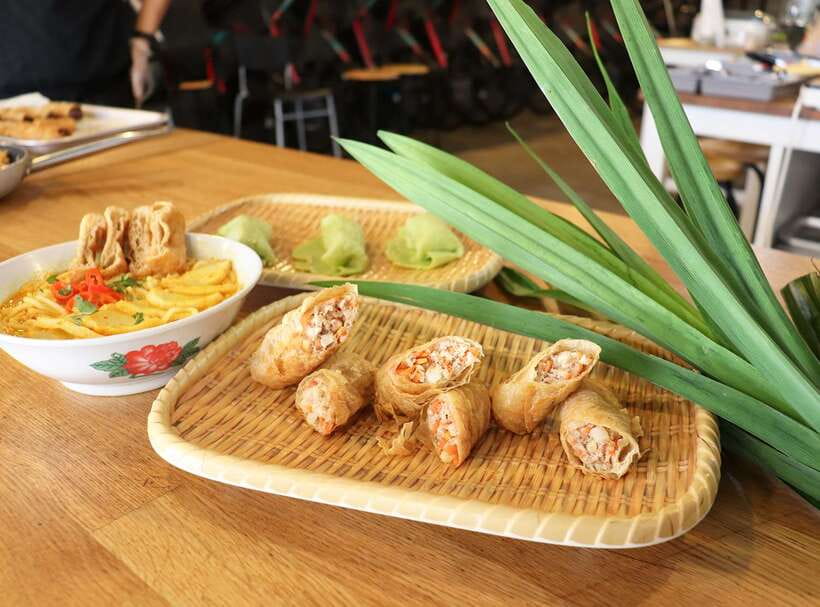
- Vegetarian spring roll
- Ondeh ondeh (sweet treat)
This menu gives you a good spread: savory noodles, a crispy handheld-style snack, and a dessert that shows off pandan and coconut flavors. It’s a nice mix if you want to take home both cooking skills and sweet-making experience.
What you may make: Menu B dishes
On Menu B (Wed, Fri, Sun), you’ll cook:
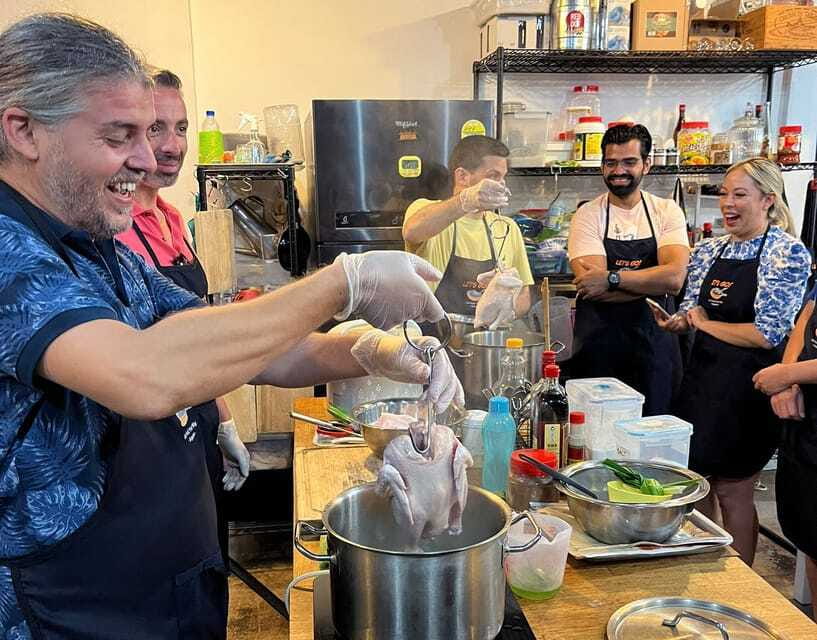
- Traditional chicken rice
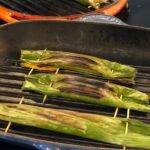
- Ngoh hiang (five-spice minced meat roll)
- Kueh Dadar (pandan crepe rolled with palm sugar sweetened coconut)
This lineup leans more heavily into comfort food and snack food classics. Ngoh hiang teaches you how spice and filling work together, while kueh dadar is a fun dessert build that’s very Singapore at heart. And traditional chicken rice is the one you’ll likely want to repeat once you’re home.
How long the cooking part really takes
Cooking is designed to be manageable in a single sitting. Based on real timing from a past participant, the hands-on cooking for the dishes can take a little over 2 hours, and then you eat. So you’re not stuck in a half-day workshop. You’ll finish and feel like you accomplished something.
Techniques and Practical Skills You’ll Actually Use Later
A cooking class is only worth it if the skills carry home. This one is built that way.
Here are the practical takeaways you can expect to build as you cook:
- Ingredient handling basics: you learn what goes into each component, not just the final assembly.
- Flavor balance: Singapore dishes often balance spice, sweetness, tang, and savory depth. The lessons connect those balances to what you’re doing step by step.
- Texture goals: noodles, rolls, and crepes all succeed or fail based on texture. You get coaching for the points that matter.
If you’re cooking for friends later, the best part is you’ll be able to explain what’s happening in the dish, not just recite the recipe.
And because the class is paired with the market walk, your learning sticks. You can remember the ingredient you saw at the stall and then recall how it behaved in the cooking process.
Culture Through Food Stories: Why the Guide-Chef Combo Works
Singapore is a melting pot, and its food reflects that mixing. What I like here is that the hosts don’t treat culture as an extra. They connect culture to the ingredients and the way the dishes are made.
The hosts are licensed tour guides and experienced chefs with a passion for local food and cooking. That matters because it keeps the experience from turning into either a pure cooking class or a pure walking tour.
You get both:
- Stories that explain the dish and what makes it Singapore
- Hands-on cooking that turns story into muscle memory
In the best moments, you realize you’re learning how to think about food in this city. Not just what to eat, but why those flavors make sense together.
Price and Value: Is $109 a Smart Deal?
At $109 per person for about 3 hours, you’re paying for a lot of guided structure: market tour with licensed guide plus chef instruction, plus breakfast, plus ingredients and equipment.
The value shows up in three ways:
- You’re not sourcing anything. Ingredients and equipment are included, so you’re not left with extra shopping after the class.
- You get two learning environments: the market (real ingredients) and the studio (real cooking). That combination is usually what makes cooking classes feel worth the money.
- You eat what you make. With classes where you cook but don’t sit down, the value can feel thin. Here, you finish with a meal.
If you only want to taste Singapore, you might prefer a food tour that’s purely culinary. But if you want skills and a better understanding of ingredients, the $109 price starts to look fair—especially because you leave with dishes that are clearly taught and repeatable.
Who Should Book This Cooking Class (and Who Might Skip It)
This tour is a great fit if you:
- Want hands-on cooking with local dishes you can recreate
- Like food shopping and learning how ingredients are selected
- Want a guided taste of Singapore that includes both culture and skills
- Travel with family or mixed ages, since the experience is described as fun for all ages
It may be less ideal if you:
- Prefer a strictly “cook only” schedule
- Get impatient with the market portion (some people felt they wanted more cooking time)
If your goal is to maximize “stove time,” you can still enjoy it—you just need to go in expecting the market is part of the lesson, not a warm-up you’ll resent.
Small-Group Feel and Chef Personality: What to Look For
One of the consistent strengths here is the friendly, outgoing chef energy. People highlight that the coaching is understandable and useful, and that the market walk feels relaxed.
Even when groups include a mix of ages and backgrounds, the instruction style aims to keep everyone comfortable. That’s important in a cooking class, because confidence matters. If you feel at ease, you focus on technique instead of panicking over timing or measurements.
And yes, photography happens too. One participant noted that the host took photos while they cooked, which is a small detail but a nice bonus for remembering the day.
Dietary Notes: How to Make It Work for Your Needs
If you have dietary concerns, flag them in advance. The experience notes that dietary concerns should be remarked, and it’s set up to consider allergies when mentioned.
This doesn’t mean every ingredient can always be swapped, but it does mean you’ll have a better chance of getting a safe and satisfying outcome. If you’re vegetarian, you may be offered or aligned with vegetarian spring rolls on Menu A, and otherwise you’ll want to communicate your needs clearly.
When it comes to food allergies, don’t assume the team will guess. Tell them what you need to avoid so they can plan.
Should You Book This Singapore Market-to-Table Experience?
I think you should book it if you want more than a meal and you like the idea of learning Singapore food from the ground up. The pairing of wet market + cooked-from-scratch dishes is what makes this feel practical, not just entertaining.
It’s also a smart choice if you’re the type who loves understanding ingredients, not memorizing recipes. And if you choose the day based on the menu—Menu A for noodles, spring roll, and ondeh ondeh, or Menu B for chicken rice, ngoh hiang, and kueh dadar—you’ll get a lineup that feels like a real Singapore snack-and-meal mix.
Skip it only if you’re cooking-obsessed and don’t want any market time. Otherwise, treat the market walk as part of the cooking skill-building. That’s where the lesson starts.
FAQ
How long is the Singapore market-to-table cooking class?
The experience lasts about 3 hours, including the market tour, breakfast, cooking, and eating.
What dishes do I cook, and does it change by day?
Yes, it changes. Menu A (Tue, Thu, Sat) includes Hokkien Mee, Vegetarian Spring Roll, and Ondeh Ondeh. Menu B (Wed, Fri, Sun) includes Traditional Chicken Rice, Ngoh Hiang, and Kueh Dadar.
Where do I meet the group?
Meet at the junction of Northern Bridge Road and Jalan Sultan Road. Look for the “Let’s Go Tour Singapore” sign.
Is the tour run in rain or shine?
It runs rain or shine.
Are ingredients and cooking equipment included?
Yes. All ingredients and the equipment needed for the cooking experience are included.
What languages are the instructors or hosts?
Instruction is available in Chinese and English.
Is it wheelchair accessible?
The experience is wheelchair accessible, but wheelchair rental services are not provided. If you need accessibility support, you should remark when booking.