REVIEW · UBUD
Ubud Cooking Class Bali with Balinese Chef
Book on Viator →Operated by Bali Cooking Class Ubud · Bookable on Viator
Udon is a great place for food lessons because you can see ingredients become dinner fast. This Ubud Cooking Class Bali with a Balinese chef is hands-on, English-led, and built around making (and then eating) what you cook.
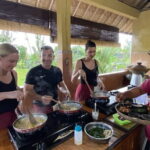
What I like most is that you cook at your own station using the provided utensils and ingredients, not just watch. I also love that the class is led by an English-speaking local chef, so you can follow every step clearly without guessing.
One thing to consider: pickup and return transfers are limited to Ubud center for the morning option. If you’re staying outside that area, you may need to pay extra for the car.
In This Review
- Key highlights in plain language
- Why this Ubud cooking class feels practical (not a demo)
- Ubud Traditional Art Market (morning only): why it’s included
- Getting to Ketuts Bali Cooking Class: timing and flow
- Your hands-on setup: what you’ll do at your station
- The menu you cook: vegetarian and non-vegetarian options
- Vegetarian menu (7 dishes)
- Non-vegetarian menu (7 dishes)
- The banana-leaf cooking part
- The dessert is part of the lesson
- Price and value: what $35.79 really buys you
- Who should book this class (and who might want to rethink)
- Little logistics that matter on the day
- Should you book this Ubud cooking class?
- FAQ
- What’s the location for this cooking class?
- How long is the experience?
- Is pickup included?
- Is the class taught in English?
- Is lunch or dinner included?
- How many dishes do I cook?
- What dishes are included in the vegetarian option?
- What’s the maximum group size?
- Cancellation and weather (quick heads-up)
Key highlights in plain language
- Your own cooking station so you’re actively cooking, not sitting around
- English instruction with a Balinese chef, step-by-step while you work
- Ubud Traditional Art Market visit on the morning trip (included)
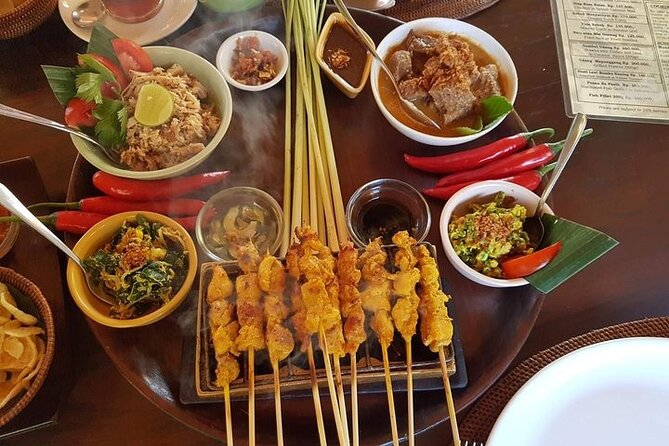
- 7 dishes you make yourself, plus the sauce bases that make Balinese flavors click
- Small group size capped at 24 travelers for a more workable class flow
- Mobile ticket and a straightforward schedule with a set meeting point for the afternoon
Why this Ubud cooking class feels practical (not a demo)
This class is set up like a real work session, in a good way. You get your own place to cook, and you do the tasks that matter: mixing spice paste, building sauce flavors, cooking noodles, grilling in banana leaf, and finishing with a sweet dessert. It’s not about memorizing a recipe. It’s about understanding how Balinese cooking behaves once heat hits the pan.
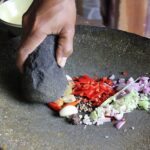
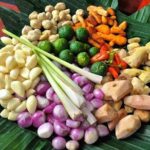
I especially like the structure around ingredients and sauces. Balinese cooking often starts with a base flavor: Bumbu Bali (a Balinese spice paste) and Sauce Kacang (peanut sauce). When you learn those from scratch, the rest of the menu stops feeling random. Even if you only remember a few key moves, you’ll be able to recreate the same “shape” of flavor at home.
There’s also a simple payoff: you taste what you made for lunch or dinner. That sounds obvious, but in many food classes the meal feels like an afterthought. Here, the meal is the point. You’ll see how your cooking choices change texture and spice level, and you get to eat it while it’s still fresh.
The class runs about 4 hours total, with a 3.5-hour cooking portion plus (for morning) a short market visit. There’s enough time for teaching, doing, eating, and still not feeling rushed.
You can also read our reviews of more tours and experiences in Ubud.
Ubud Traditional Art Market (morning only): why it’s included
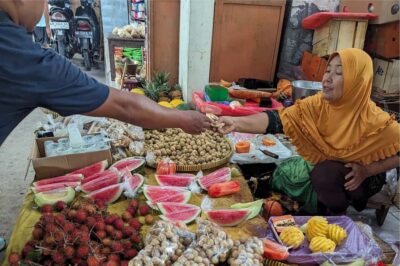
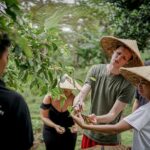
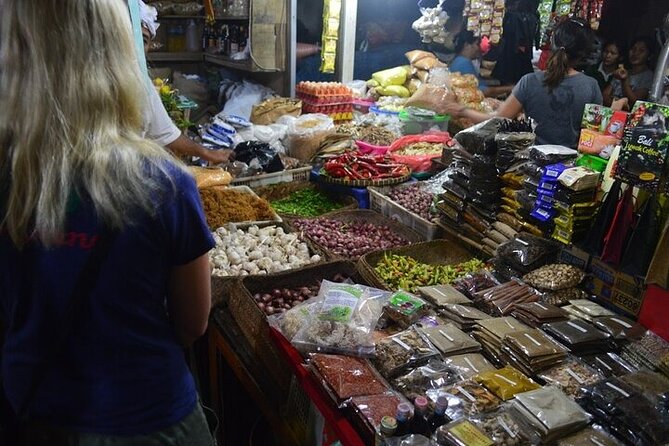
If you choose the morning trip, you’ll start at the Ubud Traditional Art Market for about 30 minutes, with the admission included. This is a quick, focused taste of the ingredients and everyday rhythm behind Balinese cooking.
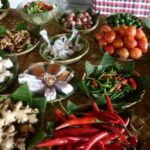
Even in a short visit, the market gives you context. You’re not just learning recipes; you’re seeing where produce, spices, and cooking staples come from. That matters for dishes that use aromatics and specific textures. When you later make things like spice paste or banana-leaf wrapped cooking, it helps to know why those ingredients show up in the first place.
The class is designed so you’re not stuck shopping for hours. You go in, you get your bearings, and you come back ready to cook. Still, one practical note: you may spend personal money if you want snacks or extras, and those are not included.
Getting to Ketuts Bali Cooking Class: timing and flow
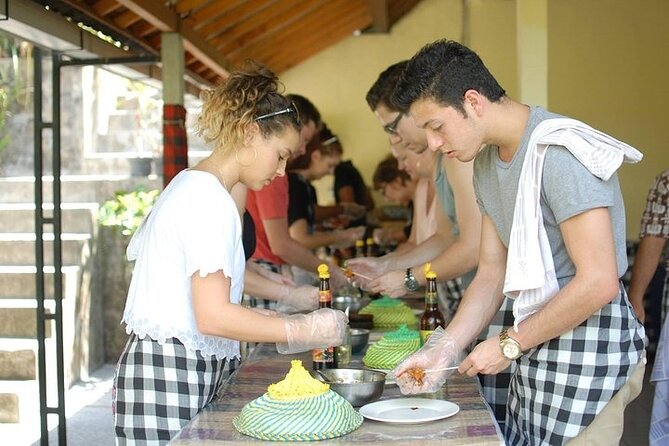
The cooking portion is scheduled for about 3 hours 30 minutes. In the morning option, you’re picked up from hotel in Ubud center only using a sharing car, and the included transfer also covers return to Ubud center.
In the afternoon option, the meeting point changes. You meet at 2:30pm at the front of Lapangan Desa Ubud as the pick-up point for the class and return. So plan around that fixed time and place rather than expecting a hotel pickup.
The group size is capped at 24 travelers, which makes a big difference in a practical cooking class. Smaller groups mean more chance to get help if your spice paste looks too dry, your peanut sauce needs adjusting, or your grilling steps need timing. When the class is larger, you can end up waiting for a turn. Here, the setup is built for hand-on cooking.
Also note the class uses a welcome drink and/or mineral water, which helps when you’re moving straight from transport into cooking mode.
Your hands-on setup: what you’ll do at your station
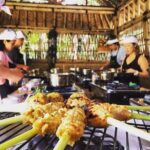
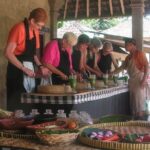
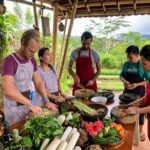
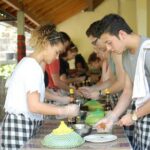
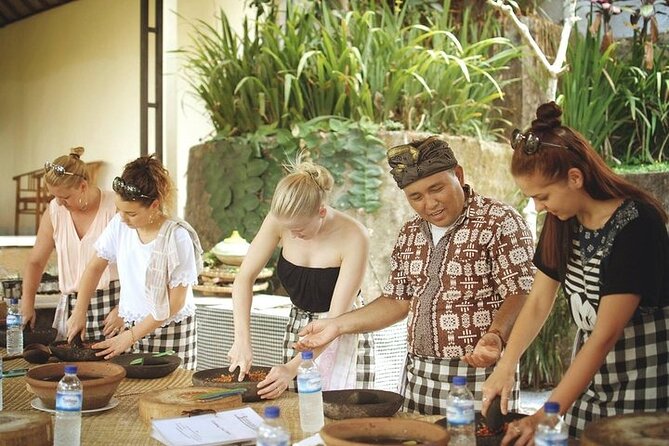
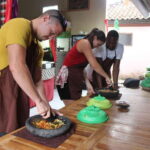
The biggest value in this experience is that it’s truly hands-on. You’ll be working at your own cooking station with provided cookware and utensils, so you control what you’re making at each step.
Here’s what the class format implies for you as a cook:
- You learn how Balinese flavor bases are built, not just how dishes look.
- You practice heat control through multiple dish types (stir-fry, curry-style cooking, grilling, and noodle cooking).
- You get to repeat key techniques across the menu, which makes home cooking easier later.
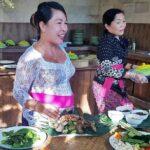
You’ll also be guided in English by a local Balinese chef, so you can ask questions about consistency and timing instead of translating on the fly. That’s a big deal with dishes that depend on texture: peanut sauce thickness, spice paste aroma, and grilled banana-leaf flavor all come from practical adjustments.
And because you cook multiple items, you don’t just learn one trick. You learn how a full Balinese meal comes together: sauce base → curry or protein → grilling or satay → noodles → dessert.
The menu you cook: vegetarian and non-vegetarian options
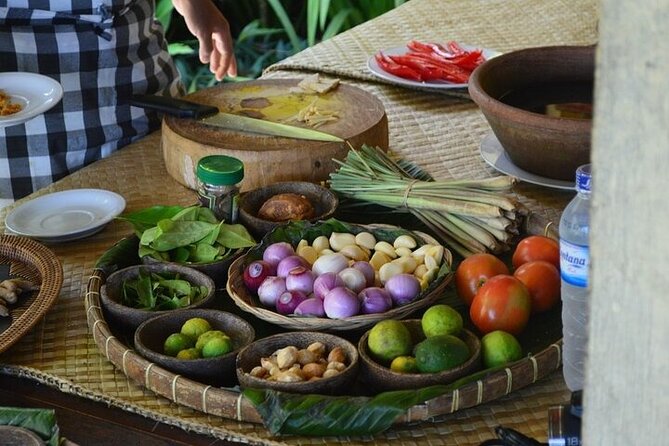
You choose either vegetarian or non-vegetarian, and in both cases the menu is structured around 7 cooking items, including the sauce bases.

Vegetarian menu (7 dishes)
- Sauce Kacang (Peanut sauce)
- Bumbu Bali (Balinese spice paste)
- Kare Sayur (Vegetable Curry)
- Tempe, tofu and vegetable Sate with peanut sauce
- Pepes Mushroom (Grill mushroom in banana leaf)
- Mie Goreng (Fried noodles)
- Kolak Pisang (Braised banana in palm sugar gravy)
Non-vegetarian menu (7 dishes)
- Sauce Kacang (Peanut sauce)
- Bumbu Bali (Balinese spice paste)
- Ayam Bumbu Bali (Balinese fried chicken)
- Sate Ayam sauce Kacang (Chicken satay with peanut sauce)
- Pepes Ikan (Grilled fish in banana leaf)
- Mie Goreng (Fried noodles)
- Kolak Pisang (Braised banana in palm sugar gravy)
What’s smart here is that even when you pick vegetarian, you still learn core Balinese components like spice paste and peanut sauce. Those bases show up across multiple dishes, so you’re not learning random recipes that don’t connect.
Mie Goreng being included in both menus also helps. It’s a familiar type of dish, but in this format you get the Balinese “how” behind the flavor.
The banana-leaf cooking part
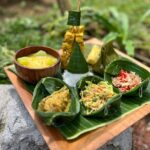
Pepes dishes (mushroom or fish in banana leaf) aren’t just “another protein.” The banana leaf changes the cooking experience—more aroma and a different heat effect. If you’re the type who likes to understand the why behind flavors, this is one of the more interesting parts of the class.
The dessert is part of the lesson
Kolak Pisang isn’t complicated on paper, but it teaches you how to handle palm sugar sweetness and braising. Dessert is also your final taste-test moment, so you can compare your spice level and cooking pace with how the kitchen expects the final flavors to land.
Price and value: what $35.79 really buys you
At $35.79 per person, this class is a solid value when you look at the full bundle. You’re paying for:
- English-led instruction with a Balinese chef
- Cooking ware and the ingredients you’ll use
- 7 dishes you cook (including the sauce bases)
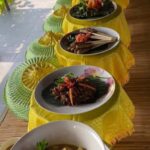
- Your lunch or dinner tasting from what you prepared
- For the morning option: Ubud Traditional Art Market visit (admission included)
- Hotel transfer within Ubud center for the morning class (sharing car), plus return within that zone
The best way to judge the price is to compare it to what you’d spend if you tried to replicate this alone. You’d need ingredients, cookware, guidance, and a plan to handle spice paste, multiple dishes, and cleanup. Here, those pieces are already stitched together.
A couple things are not included:
- Beverages beyond what’s provided as welcome drink/mineral water
- Personal expenses while at the market
- Pickup from areas outside Ubud center for the cooking class, up to IDR 600K per car (for cooking class only)
So if you’re staying in central Ubud, you get maximum value. If you’re outside, factor in the extra transfer cost and decide if it’s still worth it to you.
Also, the experience uses a mobile ticket and runs with group discounts, so it’s easy to organize with friends if you’re traveling as a small party.
Who should book this class (and who might want to rethink)
This class is a strong fit if you:
- Want a practical food lesson with real cooking time
- Prefer guidance in English
- Like the idea of cooking sauce bases and building multiple dishes in one session
- Enjoy markets but don’t want a long shopping detour
You might rethink it if you:
- Need hotel pickup outside Ubud center (the included transfer is only for Ubud center in the morning option)
- Are sensitive to weather plans, since the experience requires good weather and can be canceled due to poor conditions
One more practical thought: the cooking setup is hands-on. If you’re expecting a casual observation tour, this won’t match that mood. If you want to get your hands involved and learn by doing, it’s exactly the right format.
Little logistics that matter on the day
The itinerary is simple, which is good for Ubud. Morning typically means market first, then cooking. Afternoon means meeting at 2:30pm at the front of Lapangan Desa Ubud, then the class flow from there.
The class can run with up to 24 travelers, and that matters for your comfort. You’ll want to wear clothes you’re okay with getting splashed or scented from cooking. You’ll also be standing and working. Bring basic water habits in mind, and remember beverages beyond the welcome drink/mineral water are not included.
For transfers, keep your location clear. Morning transfers are included only for Ubud center, and other areas may involve an extra car payment up to IDR 600K. If you want the easiest day, stay central.
Finally, expect a culture-and-cooking rhythm rather than a museum-style tour. This is food work with context, not a lecture.
Should you book this Ubud cooking class?
Yes, if you want a meal that you actually made, and you want to learn Balinese flavor building blocks in an English-led, step-by-step setting. The best reason to book is the combination of your own cooking station plus 7 dishes plus lunch or dinner tasting—it’s a full cooking session, not just a show.
Consider it carefully if your hotel is outside Ubud center and you’re hoping for included pickup. Also keep an eye on weather, since good conditions are required and the plan can shift if weather is poor.
If your goal is to leave with dishes you can recreate (especially peanut sauce and Bumbu Bali), this class gives you more than a list of recipes. You get practice, texture control, and a menu structure that makes sense as a Balinese meal.
FAQ
What’s the location for this cooking class?
It takes place in Ubud, Indonesia, with the market stop (morning trip only) at Ubud Traditional Art Market and the class connected to Ketuts Bali Cooking Class. The afternoon meeting point is at the front of Lapangan Desa Ubud.
How long is the experience?
The total duration is about 4 hours. The market stop (morning) is about 30 minutes, and the cooking class portion is about 3 hours 30 minutes.
Is pickup included?
For the morning class, return hotel transfer is included for hotels in Ubud center only (sharing car). Pickup from other areas for the cooking class only may cost extra, up to IDR 600K per car. The afternoon class meets at 2:30pm at Lapangan Desa Ubud.
Is the class taught in English?
Yes. The class is conducted in English with a Balinese chef.
Is lunch or dinner included?
Yes. You’ll taste the dishes you prepare for lunch or dinner.
How many dishes do I cook?
You cook 7 dishes, with either a vegetarian or non-vegetarian menu.
What dishes are included in the vegetarian option?
Vegetarian includes Sauce Kacang, Bumbu Bali, Kare Sayur, vegetable sate with peanut sauce, Pepes Mushroom (grilled mushroom in banana leaf), Mie Goreng, and Kolak Pisang.
What’s the maximum group size?
The class has a maximum of 24 travelers.
Cancellation and weather (quick heads-up)
The experience needs good weather. If it’s canceled due to poor weather, you’ll be offered a different date or a full refund. If you cancel, it’s non-refundable and can’t be changed.