REVIEW · HO CHI MINH CITY
Farm-To-Table Healthy Cooking Class in Ho Chi Minh City
Book on Viator →Operated by Western Asian Travel Service · Bookable on Viator
A day on an organic farm makes this cooking class different. You start with a real farm visit, then cook Vietnamese food with fresh herbs and guidance from a master chef.
I especially like the hands-on flow: you pick vegetables yourself, learn simple healthy techniques, and then cook four dishes one by one outside. I also appreciate the structure, with tastings and clear explanations so you leave with recipes you can actually repeat at home.
One thing to plan for: it’s an outdoor experience in the countryside, so sun and heat (or a damp morning) can affect comfort even though the pacing is relaxed.
In This Review
- Key things I’d notice on day one
- Entering Ho Chi Minh Agricultural Villages: the farm-to-table logic
- Getting there from your hotel: time, transport, and vibe
- Farm tour walkthrough: cows, buffalo, herbs, spices, and practical nutrition
- Vegetable picking: becoming the farmer for an hour
- Cooking outside with a master chef: healthy techniques that make sense
- The four dishes you’ll make: learning by doing, not just eating
- What lunch feels like, and why the tastings matter
- Equipment, guides, and what’s included in the price
- Price and logistics: who gets the best value from this class
- Certificates and take-home recipes: your next cooking night
- Who should book this in Ho Chi Minh City
- FAQ
- FAQ
- How long is the cooking class?
- What time does the class start?
- How many dishes will I cook?
- Is hotel pickup and drop-off included?
- What’s included in the price besides the cooking?
- Are alcoholic drinks included?
- How big is the group?
- Can I cancel for a full refund?
Key things I’d notice on day one
- Farm tour first, cooking second: you see what you’ll use, including herbs, spices, and farm animals like cows and buffalo.
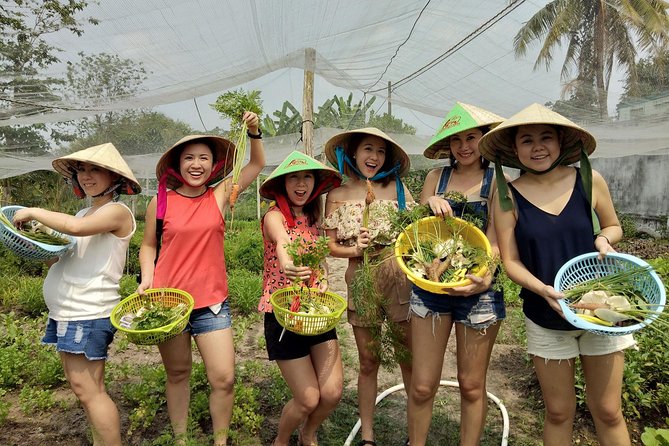
- Pick-to-plate vegetable collecting with scissors so you feel like part of the farm routine.
- Four dishes, one-at-a-time coaching in an open-air setup, followed by tastings.
- Small group size (max 15), which makes questions easy, not awkward.
- Hotel pickup and drop-off (selected hotels) plus equipment included, so you travel light.
- Certificate and recipe take-home to help you recreate the dishes later.
Entering Ho Chi Minh Agricultural Villages: the farm-to-table logic
This class is built around a simple idea: healthy Vietnamese cooking starts with ingredients that are grown well and handled with care. In Ho Chi Minh City, that usually means one thing for you: a short trip out of the city to the Ho Chi Minh Agricultural Villages and the cooking school area.
What makes it feel special is the order. You’re not dropped into a kitchen right away. Instead, you first meet the farm’s products and rhythm. That context changes how you cook. When you know where herbs came from and how vegetables grow, you stop treating them like random garnish and start using them with purpose.
The class is also framed as farm-to-table in a practical way, not a marketing slogan. You don’t just look at plants. You collect vegetables, then use them later. That link is what turns this into a memory you can recreate, not just a meal you eat.
You can also read our reviews of more tours and experiences in Ho Chi Minh City.

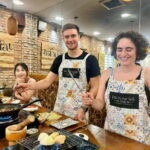
Getting there from your hotel: time, transport, and vibe
You can choose a morning, afternoon, or evening class slot. The schedule you’ll see typically begins with a morning start time around 7:30 am, but the actual time depends on the class option you pick.
If your hotel is on the pickup list, you’ll get local hotel pickup and drop-off, usually by an air-conditioned van. This matters more than you might think in Ho Chi Minh City. It cuts out planning stress and keeps the day moving. You can focus on cooking instead of logistics.
The total time is listed at about 6 hours 30 minutes. The experience description also talks about cooking time around five hours, so expect a day that includes travel, farm walking, then hands-on cooking and eating. It’s enough time to actually learn, not just watch.
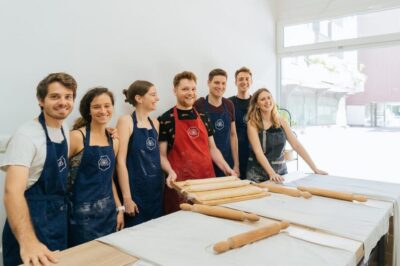
Group size is capped at 15 people, which is a sweet spot. You still get personal help at the station, and you’re not stuck waiting for your turn.
Farm tour walkthrough: cows, buffalo, herbs, spices, and practical nutrition
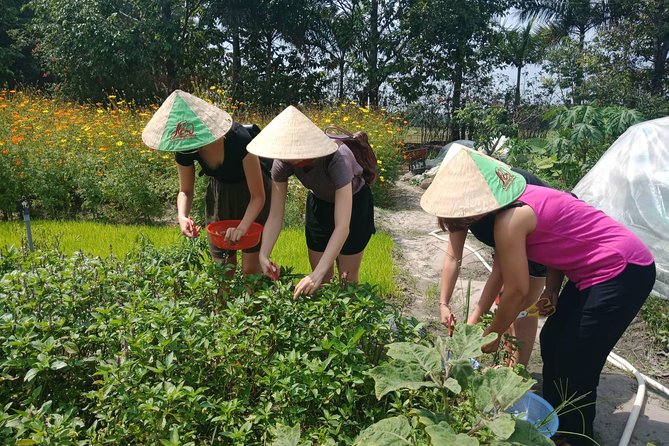
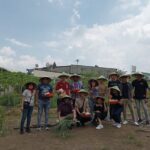
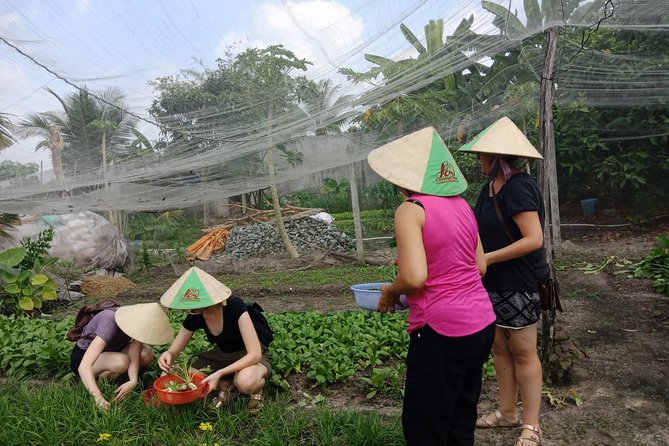
The heart of the morning is the organic farm tour led by a chef and guides. You’ll see farm animals like cows, buffalo, chickens, and ducks, plus a wide variety of vegetables, herbs, and spices. You’ll also be shown fish and prawns as part of what the farm-to-table system can supply.
What I like here is how the tour supports the cooking. This isn’t a scenic walk where you just take photos. It’s more of a guided ingredient briefing. You’ll get ideas on what herbs do for flavor and why certain ingredients show up again and again in Vietnamese healthy cooking.
Based on the instruction style described by different instructors in prior classes, you’ll likely get clear talk about herbs’ uses. Some sessions also highlight how ingredients can be used for medicinal purposes, which helps you understand why certain plants matter beyond taste. If you like food science and simple nutrition logic, this section is where you’ll feel it click.
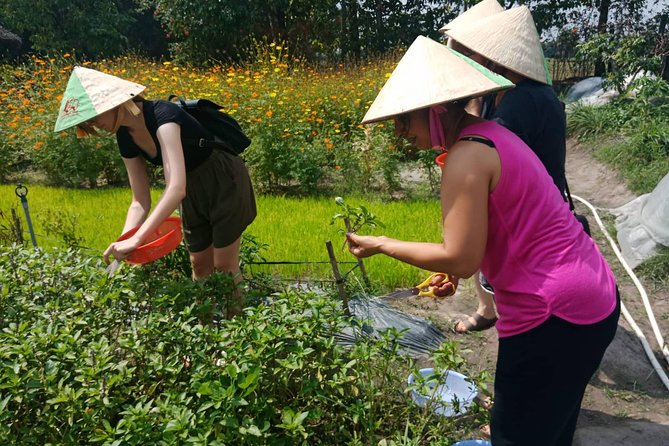
You also get a basket with scissors. That’s not just a cute prop. It signals the transition from watching to participating.
Vegetable picking: becoming the farmer for an hour
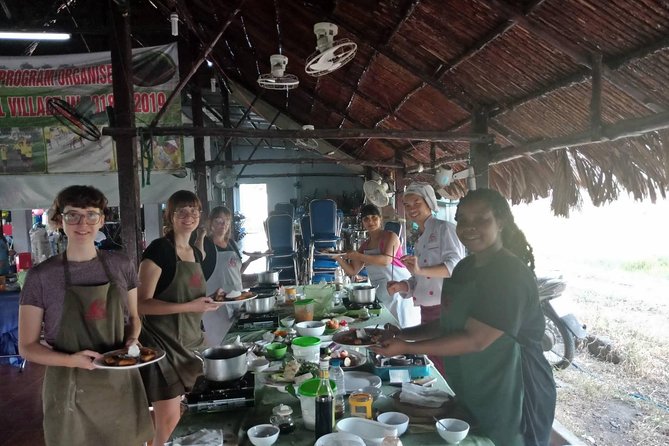
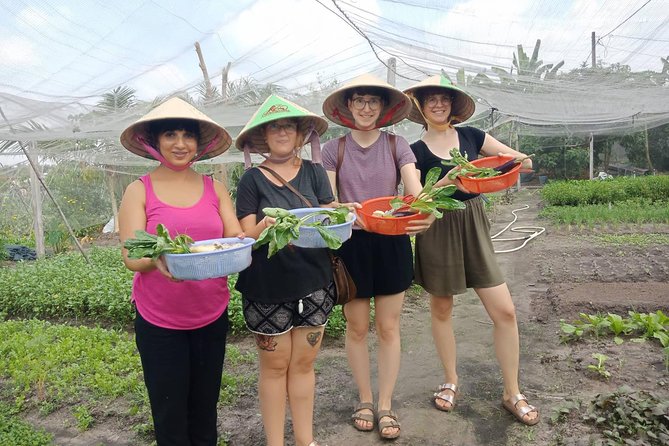
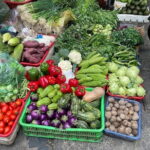
Once you get your basket and scissors, you collect vegetables to use later. This is a small action with big payoff for your brain.
Here’s why it helps:
- You pay attention to leaf texture, size, and ripeness in a way you won’t in a market.
- You start associating ingredients with dishes before you even cook.
- You’re less likely to treat “herbs” as one generic thing, because you’ve chosen specific ones.
You’ll also have a short break with Vietnamese fruit and a few moments in a hammock. It’s a nice reset after walking around the farm. Think of it like a breath between work mode and cook mode.
If you’re traveling with someone who gets tired easily, this break helps. You’re still outdoors, but you get a chance to cool down and regroup.
Cooking outside with a master chef: healthy techniques that make sense
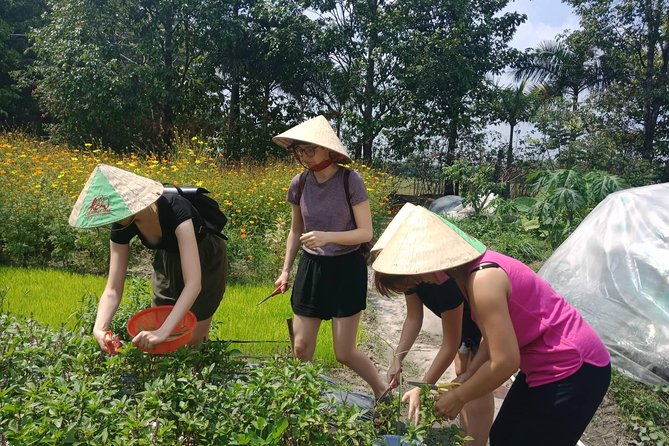
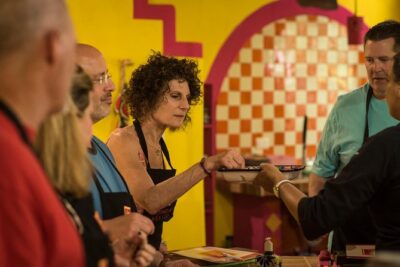
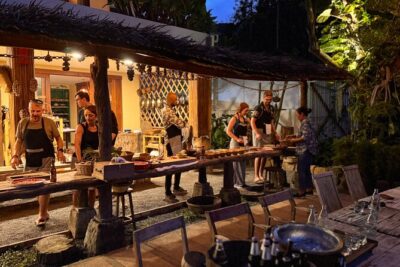
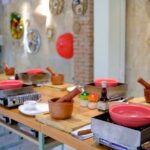
After the farm tour and picking, you get into the open-air cooking area. A master chef guides you on simple, healthy cooking techniques. The way the class is described, you cook one dish at a time, and each time there’s a tasting.
That one-dish-at-a-time format is a big value point. It keeps you from juggling too many steps at once. It also lets you adjust as you go. If a sauce is too strong or a vegetable isn’t cooked how you expected, you get feedback right there, not after everything is finished.
In the real world of Vietnamese home cooking, technique often matters more than fancy ingredients. You’re learning habits: how to balance flavor, how to treat herbs, and how to get vegetables to taste fresh instead of soggy. That’s the kind of knowledge you can reuse on future meals.
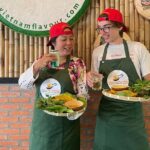
Instructors can vary, and names you might run into include Chef Tan, Alice, Aura, Linh, and Daisy. No matter who’s teaching your group, the class concept stays the same: you’ll be coached during prep and cooking, then taste the result and learn what makes it work.
The four dishes you’ll make: learning by doing, not just eating
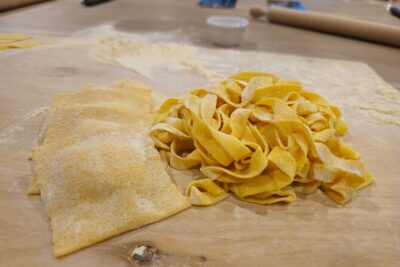
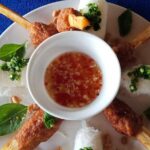
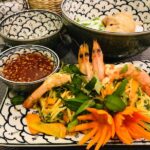
You prepare four dishes of food during the class. You’ll move through prep and cooking steps for each dish, then taste what you made before moving on.
A key detail here is not just the number of dishes. It’s the pacing and feedback loop. Cooking four dishes in a single session could sound overwhelming, but the “prepare, taste, then continue” structure helps you absorb what you’re doing.
And because the dishes are meant to be healthy and farm-to-table, you’re likely to see vegetable-forward choices and herb use treated as essential, not optional. Even if you’re not a confident cook, you’re working in a guided environment with equipment provided, so you’re not stuck figuring out tools and timing on your own.
Also, because you already gathered vegetables on the farm, your ingredients feel personal. That makes it easier to remember which herbs go into which dish later.
What lunch feels like, and why the tastings matter
Food in this class isn’t just end-of-lesson reward. It’s part of the lesson plan.
During the cooking flow, you’ll get tastings after each dish. That does two things:
- It helps you connect technique to taste fast.
- It teaches you how Vietnamese cooking adjusts flavor as you cook, not only at the last second.
At the end, you’ll enjoy the meal you prepared. Lunch is included, along with light refreshments. Alcoholic drinks are not included, but they’re available for purchase. So if you prefer to keep it simple, you can stay alcohol-free and still have a full, satisfying day.
Between farm time and cooking time, the fruit break and short rest in a hammock keep the schedule from feeling like a constant grind. It’s a hands-on class, but it’s not frantic.
Equipment, guides, and what’s included in the price
The price is $67.00 per person, and the tour includes a lot of the stuff that typically adds cost elsewhere:
- Hotel pickup and drop-off (selected hotels)
- Professional guide and local guide
- Lunch and light refreshments
- Cooking class equipment (everything you need to cook)
- A certificate plus recipes to take home
All that means you’re paying for instruction plus ingredients and the “turnkey” parts. If you compare this to booking a private cooking session in a city center, the farm component and included lunch make the value easier to justify.
Booking tends to happen ahead of time. It’s described as commonly booked about 13 days in advance on average, so if your dates are fixed, I’d book early to get your preferred class time.
The tour is capped at 15 travelers, which also supports the “you can ask questions” feel. And if you’re trying to beat the usual tourist schedule, this is a calmer day out of the city.
Price and logistics: who gets the best value from this class
At $67, this works best if you want three things in one day: learning, hands-on work, and a real farm connection. If you only want a meal, you could eat well in Ho Chi Minh City for less. If you only want a farm visit, you could also do that without cooking.
But the combination is where the value is strongest.
This class is a good match for:
- Food lovers who want healthy Vietnamese cooking methods
- People who learn best by doing, not watching
- Couples, friends, and families who want a structured activity
- Travelers who want to get out of the city for a few hours and come back with recipes
It may not be the best fit if:
- You want an indoor-only experience with zero outdoor time
- You don’t enjoy chopping, mixing, or tasting as you go
Certificates and take-home recipes: your next cooking night
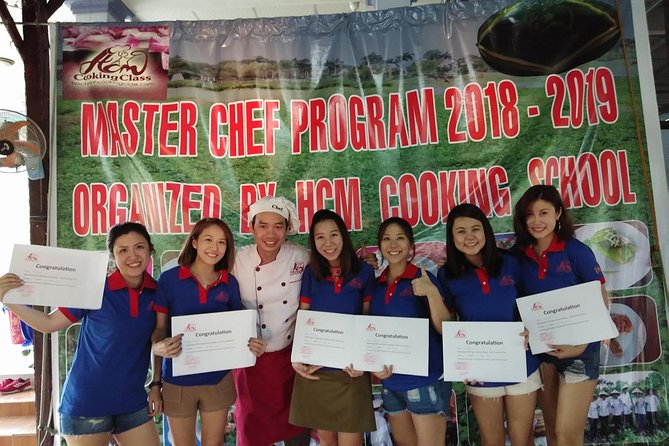
At the end, you receive a certificate and recipes to take home. That’s not just a souvenir. The recipes help you recreate what you learned, which is especially useful if you don’t cook Vietnamese food often.
The farm-to-table angle becomes real when you can recreate the flavor balance. Even if you can’t find the exact same herbs in your home country, the method carries over. You’ll remember the logic of the dish: which herbs to use, how vegetables should be treated, and how tasting shapes the final result.
If you’re traveling for a short time, it’s also nice to have something you can bring back and share. The day turns into an easy story at home: you didn’t just eat Vietnamese food, you cooked it with the inputs you picked.
Who should book this in Ho Chi Minh City
Book this if you want a day that feels grounded and practical. You’ll get out of the city, meet farm ingredients in context, and then cook four dishes using techniques designed for healthy results. The small group size and step-by-step format help you keep up and ask questions.
Consider skipping if you’re very sensitive to heat or weather, since key parts of the experience are outdoors. Also, if you already feel comfortable with Vietnamese home cooking and only want novelty, you may not gain as much from the farm lesson.
For most people, though, this is one of the better “learning + eating” options in the city because it includes both the farm connection and the cooking instruction.
And if your plans change, you can cancel for a full refund as long as you cancel at least 24 hours before the start time.
FAQ
FAQ
How long is the cooking class?
The experience runs about 6 hours 30 minutes (approx.).
What time does the class start?
The listed start time is 7:30 am. You can also choose morning, afternoon, or evening sessions.
How many dishes will I cook?
You’ll prepare four dishes during the class.
Is hotel pickup and drop-off included?
Yes, hotel pick-up and drop-off are included for selected hotels.
What’s included in the price besides the cooking?
The class includes a professional guide, local guide, lunch, light refreshments, and all necessary equipment. You also receive a certificate and recipes to take home.
Are alcoholic drinks included?
Alcoholic drinks are not included, but they are available to purchase.
How big is the group?
The tour has a maximum of 15 travelers.
Can I cancel for a full refund?
Yes. You can cancel up to 24 hours in advance for a full refund.
If you tell me your travel month and which class time you’re considering (morning vs afternoon vs evening), I can help you pick the most comfortable option for the weather and your schedule.