REVIEW · CHIANG MAI
Evening Cooking Class in Organic Farm with Local Market Tour
Book on Viator →Operated by The Best Thai Cookery School · Bookable on Viator
Cooking classes are great when they go beyond recipes. This one pairs a market ingredient hunt with hands-on Thai cooking in an organic farm setting, then you get to eat your results. The Somphet Market stop makes it feel like real local life, not a staged performance.
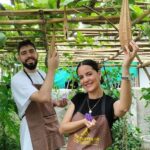
I especially like the setup: you work at your own cooking station with a professional teacher guiding you step by step. And you might even meet a chef instructor like Perm, who keeps things moving with jokes and laughs so the whole class feels relaxed.
One thing to consider: the pace is structured, so you’ll have limited free time to wander on your own at the market or farm. If you love browsing slowly, plan to come back to Chiang Mai markets later.
In This Review
- Key highlights at a glance
- Somphet Market: You’ll Shop Like a Cook, Not Like a Tourist
- The Farm Kitchen Setup: Individual Stations Make It Real Hands-On
- Curry Paste Basics and the Six-Dish Cooking Session
- Papaya Salad and Mango Sticky Rice: Two Classics, One Smart Approach
- Eating Your Own Work: Why the Meal Tastes Better Here
- Price and Value: Why $29 Can Make Sense in Chiang Mai
- Timing, Transfers, and Group Size: An Easy Evening Plan
- Who Should Book This Cooking Class (and Who Might Skip It)?
- Should You Book It?
- FAQ
- What time does the evening cooking class start?
- How long is the experience?
- Does the tour include hotel pickup and drop-off?
- Is a market visit included?
- What dishes are included in the cooking lesson?
- How many people are in the group?
- Can I cancel and get a full refund?
Key highlights at a glance
- Somphet Market ingredient hunt: snack, browse, and understand what goes into Northern Thai flavor
- Organic farm picking: choose fresh ingredients tied to how Thai food actually starts
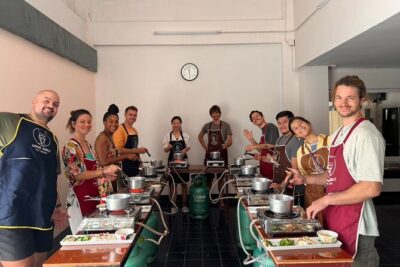
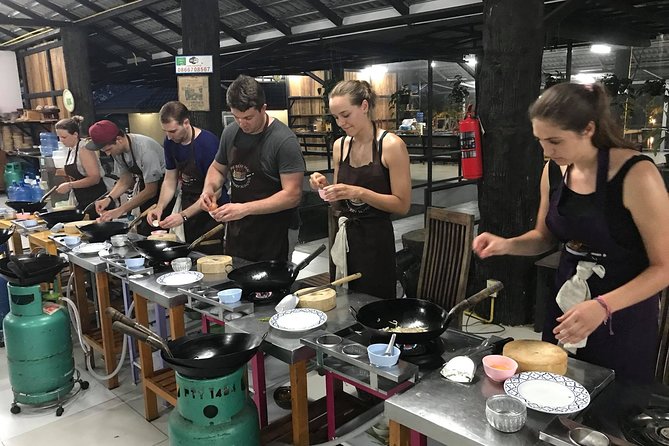
- Your own station: hands-on cooking instead of watching from the back
- Six-dish lesson: curry paste from scratch plus multiple classic Thai dishes
- Eat what you cooked: you finish with a meal at the farm
- Small group size: capped at 10 travelers for more attention
Somphet Market: You’ll Shop Like a Cook, Not Like a Tourist
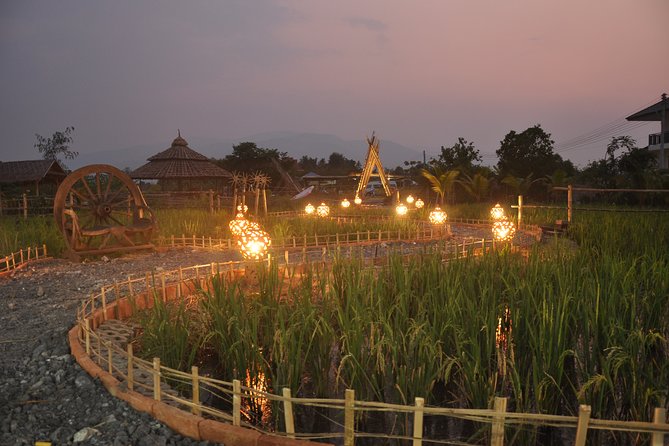
Your evening kicks off around 3:30 pm, and the first stop is Somphet Market for about 30 minutes. That short window matters. It’s long enough to get your bearings and start recognizing ingredients, but not so long that you drift into shopping mode and lose the thread of the cooking class.
At Somphet, you’ll be able to see the kind of things Thai cooks rely on: fresh produce, herbs, and common local staples that show up again and again in Thai dishes. A big advantage here is that you’re not learning ingredients in isolation. You’ll look at them, handle them, and then later use them in your own recipes. That makes the lessons stick.
One practical tip: keep your eyes open for herbs and aromatics. Even without getting “foodie fancy,” sniffing and noticing what smells strong and what smells mild is how you start understanding Thai balance. From the way this class is taught, you’ll likely spend time with ingredients and even smelling herbs/plants so you know what to reach for when you’re cooking later.
The “watch out” part is simple: 30 minutes goes fast. You’ll do best if you think in terms of what you want to buy later (optional) rather than trying to buy everything during this stop.
You can also read our reviews of more tours and experiences in Chiang Mai.
The Farm Kitchen Setup: Individual Stations Make It Real Hands-On
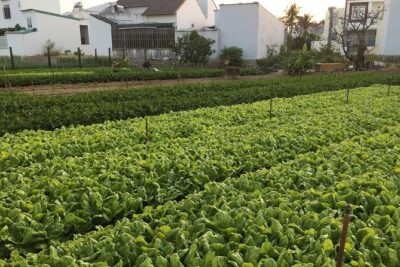
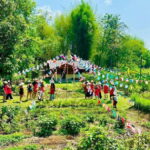
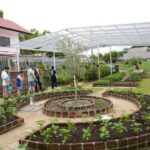
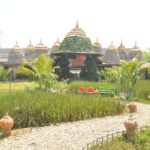
After the market, the group heads to the farm area a short drive away from Chiang Mai. This is where the experience turns from shopping into cooking. The class focuses on organic farming, and you’ll have a chance to pick fresh ingredients yourself. That detail sounds small, but it changes your mindset. When you’ve gathered what you’re about to cook, you pay attention to how each ingredient behaves.
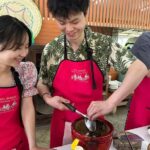
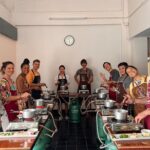
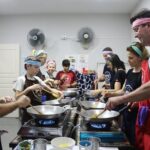
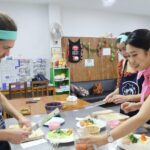
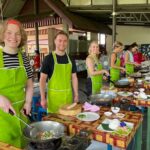
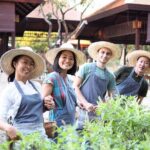
The teaching format also helps. You’ll be placed at an individual cooking station, which is key for beginners. In many classes, you end up sharing one workspace, hovering, or watching more than you cook. Here, the setup is built for participation—so you’re actively making choices, not just following directions.
You’ll also learn from a professional teacher who explains the basics in a way that works in real time. The tone seems intentionally upbeat—people talk about humor and laughter in the kitchen—so if you’re nervous about cooking, this kind of atmosphere can take the pressure off. You want a class where mistakes feel normal and the lesson keeps flowing.
And yes, you’ll likely notice how much Thai cooking starts with preparation. Even before the stove gets involved, you’ll learn the fundamentals that turn raw ingredients into Thai-style flavor—especially with sauces and paste.
Curry Paste Basics and the Six-Dish Cooking Session
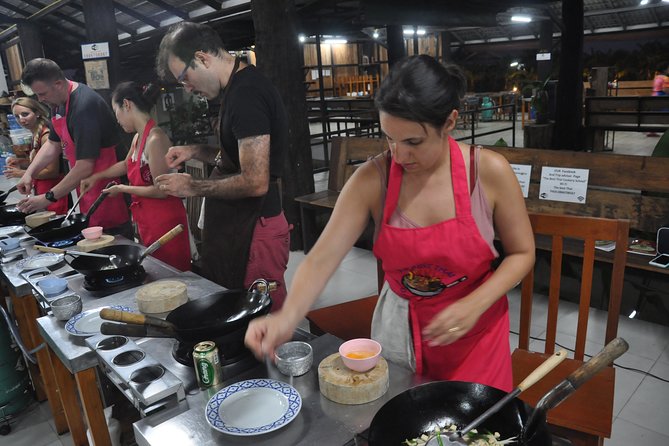
Thai cooking often gets oversold as just chopped ingredients and sauce. This course corrects that. A major focus is learning to make authentic curry paste from scratch. That’s a core skill because curry paste isn’t only flavor—it’s structure. Once you understand that paste, you can build curries (and many other Thai dishes) with far more confidence later.
From what’s included, your cooking session aims for six dishes total. You’ll also get a cooking demonstration featuring papaya salad and mango sticky rice, which matters because those are not complicated in ingredients but can feel intimidating if you’ve never done them. Watching how it comes together helps your hands follow the logic when it’s your turn.
Here’s what I’d watch for during the curry paste portion:
- Aromatics first: the paste should smell right before it tastes right
- Texture takes time: speed is the enemy; paste work is slower by nature
- Balance: Thai flavor relies on an interplay of salty, sour, sweet, and heat
Even if you don’t memorize every step, you’ll leave with a workable mental model. That’s the true value of learning paste-making in a class like this. It’s not just about one meal tonight. It’s about learning how Thai cooks think.
Papaya Salad and Mango Sticky Rice: Two Classics, One Smart Approach
The class includes a demonstration of papaya salad and mango sticky rice. These two dishes are a great pairing because they teach different skills.
Papaya salad is about sharp, punchy balance—often sour and salty with a kick of heat—and it usually requires attention to how ingredients are cut or prepared. If you’ve only had it in restaurants, you might assume it’s mostly sauce. The demo approach helps you see that the salad is part technique, not just flavor.
Mango sticky rice is dessert that doesn’t hide behind sugar alone. It depends on proper sticky rice texture and the right coconut-sweetness feel. A demo helps you understand when it’s ready, not just how it looks.
If you want a practical takeaway, focus on the sensory checkpoints the teacher uses—what to look for and what to smell. Thai food is often taught through cues rather than strict timing, and that’s exactly what helps you recreate it later.
Eating Your Own Work: Why the Meal Tastes Better Here
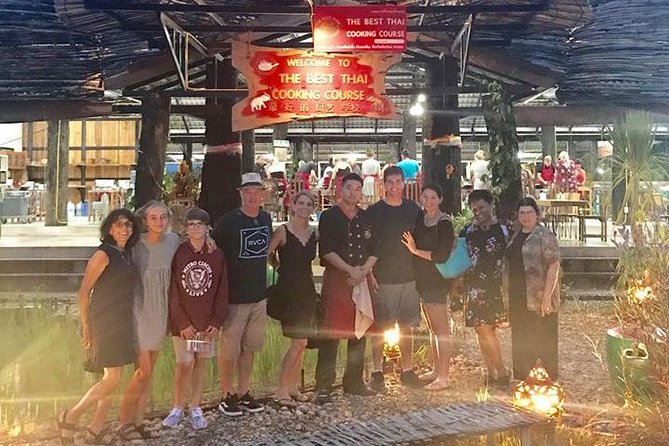
After the class, you’ll sit down and eat what you cooked. That part is included and it’s not just a perk. It’s how you learn.
When you taste your own food right away, you can connect technique to result. Too salty? Not enough sour? Paste too thick or too rough? The meal becomes feedback. That makes the class more than entertainment or a souvenir dinner.
The farm setting also changes the vibe. You’re not rushing to a restaurant, and you’re not eating in a noisy tourist space. You’re finishing the same place where ingredients were handled and dishes were made. The payoff is that you’ll remember flavors more clearly.
One thing to think about before you go: since you’ll get a meal as part of the experience, avoid booking another big dinner right after. Plan something light or just stay free for a relaxed night stroll.


Price and Value: Why $29 Can Make Sense in Chiang Mai
At $29 for roughly 5 hours, this can be excellent value—especially because the price ties together multiple cost components.
You’re not just buying a cooking lesson. You’re getting:
- Round-trip hotel transfers
- Admission included for the market stop
- Admission included for the cooking course
- The chance to cook at your own station
- A meal made from what you cooked
In Chiang Mai, prices for cooking classes vary, but the best ones are the ones that remove friction. Hotel pickup and drop-off matter. When you don’t have to figure out transport, you actually start the class without stress, and you spend your energy on learning.
Also, small group size (max 10 travelers) helps justify the value. More attention means fewer awkward pauses and more chances to ask questions while you’re working.
Timing, Transfers, and Group Size: An Easy Evening Plan
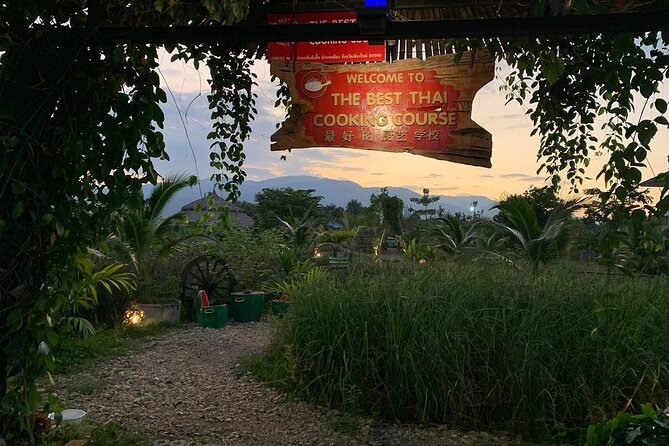
This tour starts at 3:30 pm and runs for about 5 hours. That timing is ideal if you like a full day that isn’t locked down by an early morning. It also works well if you’ve already seen temples earlier in the day and you want something practical and different for the evening.
Logistically, you get pickup offered and round-trip hotel transfers included. That’s a big deal in a city where you may not want to manage taxis late afternoon.
The group is kept small, with a maximum of 10 travelers. In practice, that usually means:
- less waiting around for your turn
- more interaction with the teacher
- a better pace for beginners
You’ll also receive a mobile ticket, which is convenient if you don’t want to deal with paper confirmations.
If you’re someone who hates rigid schedules, this one is still structured, but it’s structured around you cooking. You’ll feel that balance more than you would on a pure tour bus day.
Who Should Book This Cooking Class (and Who Might Skip It)?
This experience fits best if you want more than Thai food as entertainment. You should book it if you like:
- learning core techniques like curry paste from scratch
- cooking at your own pace with help nearby
- visiting a real market where ingredients connect to what you’ll make
It’s also a strong option for solo travelers who want a social-but-not-crowded environment. Small group size helps you feel included.
You might consider a different class if you hate being on a schedule. The market stop is only about 30 minutes, and the farm cooking portion is timed as well. If you want long shopping time or lots of free exploration, you’ll likely wish for more flexibility.
One more practical note: wear clothes you don’t mind getting splashed or smelling like herbs afterward. Cooking classes are messy by nature, even when they’re well run.
Should You Book It?
Yes, if your goal is to learn Thai cooking in a way that sticks. For the price, the combination of hotel transfers, market stop, hands-on individual stations, and a meal you helped make is hard to beat. The curry paste focus is especially worth it because it’s a transferable skill, not just a one-night trick.
I’d book with confidence if you:
- want a clear beginner-friendly start
- enjoy markets and ingredient knowledge
- like small groups and a relaxed, fun teaching style
FAQ
FAQ
What time does the evening cooking class start?
The start time is 3:30 pm.
How long is the experience?
It lasts about 5 hours.
Does the tour include hotel pickup and drop-off?
Yes. Round-trip hotel transfers are included, and pickup is offered.
Is a market visit included?
Yes. You visit Somphet Market for about 30 minutes, and admission is included.
What dishes are included in the cooking lesson?
You cook six dishes, and there are demonstrations featuring papaya salad and mango sticky rice. You also learn to make curry paste from scratch.
How many people are in the group?
The maximum group size is 10 travelers.
Can I cancel and get a full refund?
Yes. You can cancel up to 24 hours in advance for a full refund.