REVIEW · KANDY
Private Traditional Sri Lankan Cooking Class in Kandy with Hotel Transfers
Book on Viator →Operated by Yummy Kandy Cooking Class · Bookable on Viator
Spices, chopping, and a warm meal follow. This private Sri Lankan cooking class in Kandy is built around hands-on learning with Chitra, an experienced instructor, plus convenient hotel transfers. Expect a welcome drink of tea or coffee, talk about the spices and vegetables, and a chance to cook what you choose.
I especially like the way the class balances teaching with doing: you cut, chop, and cook your curry instead of just watching. I also like the end part, where you sit down and eat what you made with your instructor and the group. One thing to consider is that the session is only about 3 hours, so you’ll want to go in ready to learn key techniques fast, not to expect a slow, all-day food project.
In This Review
- Key reasons this Kandy cooking class scores big
- Choosing Your Curry (and Taking the Knife in Hand)
- The Spice Lesson Before the Pot: What You’re Really Learning
- Ingredient Gathering and the Hanthana Mountain Range Area Stop
- In the Kitchen: How the Cooking Actually Unfolds
- The Meal at the End: Why You Eat With the Instructor
- Vegan and Gluten-Free: Real Options, Not a Separate Sigh
- Private, Small-Group Flow: Personalized Attention Without the Big Tour Energy
- Hotel Transfers and Getting There Stress-Free
- Price and Value: What $120 Buys You in the Real World
- Who This Cooking Class Is Best For
- Should You Book This Kandy Cooking Class?
- FAQ
- How long is the cooking class?
- What time does the class start?
- Is hotel pickup included?
- What will I cook during the class?
- Can I request a vegan or gluten-free meal?
- Is this a private class?
- Can I cancel for a full refund?
Key reasons this Kandy cooking class scores big
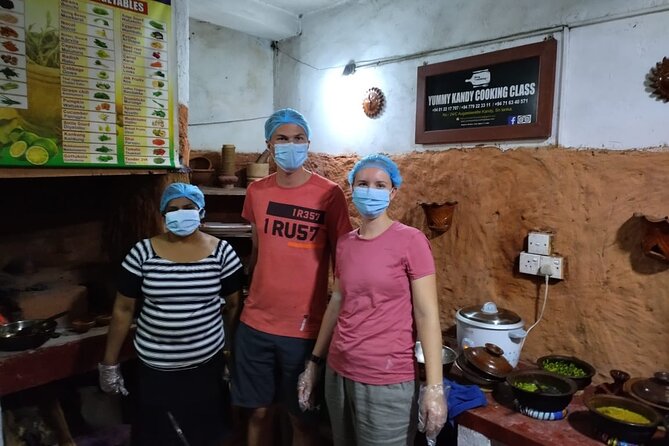
- You cook your own curry, with guidance while you cut, chop, and cook
- Hotel pickup and transfers make the whole thing easy to fit into Kandy
- Chitra teaches the spice logic, not just a list of ingredients
- Options for vegan and gluten-free keep the class flexible for different diets
- You eat together at the end, so your lesson turns into a real meal
Choosing Your Curry (and Taking the Knife in Hand)
The heart of this class is simple: you’re not just tasting Sri Lankan food, you’re learning how it comes together. After the welcome tea or coffee, you’ll get a discussion of the core spices and vegetables, then you get to choose what kind of curry you want to make. That choice matters because it shapes what you’ll practice—flavor building, spice handling, and cooking timing.
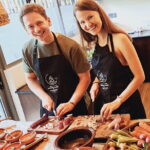
Then comes the practical part. You can expect to do the cutting and chopping yourself, not in a symbolic way, but as part of the actual workflow of cooking a curry. The instructor guides you through how to cook, which means you’re learning technique as you go: how spices change the smell and character of a dish, how vegetables respond once they hit the heat, and how lentils or other ingredients need attention.
If you like hands-on cooking or you want a better understanding of why Sri Lankan cuisine tastes the way it does, this format is a strong match. It’s also a nice option if you’re traveling with someone who learns by doing. You’ll both get real tasks in the kitchen, not separate roles where one person feels stuck waiting.
A small caution: since you’re choosing what to make, you may want to think ahead if you have a clear favorite. The class includes learning about dishes such as lentils and jackfruit curry, but your final menu is still shaped by what you select with the instructor.
You can also read our reviews of more tours and experiences in Kandy.

The Spice Lesson Before the Pot: What You’re Really Learning
Sri Lankan cooking can feel mysterious if you only ever see the final plate. Here, you get the missing step: understanding how spices and vegetables work together. The class starts with an introduction to spices and vegetables, so when you later smell and stir the ingredients, you have a framework for what you’re noticing.
This matters for two reasons. First, it turns the experience from food entertainment into actual cooking knowledge. Second, it helps you remember what you learn. If all you take home is the taste, it fades fast. But if you know why a spice mix behaves a certain way—or what role a vegetable plays—you’ll be more confident cooking at home.
You can also ask questions along the way. The overall vibe is hands-on and friendly, and the instruction style is described as fun, informative, and rooted in authentic cooking. That combination is what makes the spice lesson useful rather than overwhelming. You’re not handed a lecture. You’re given context and then guided into cooking.
Ingredient Gathering and the Hanthana Mountain Range Area Stop
The experience includes a first stop at the Hanthana Mountain Range. Even without turning it into a long excursion, this kind of stop helps break up the day so it doesn’t feel like a straight shot from hotel to kitchen. You get a small sense of place—Kandy isn’t just a dot on a map, it’s a city surrounded by mountain terrain—before you shift into food mode.
Also, the class experience can include an ingredient-focused start, where you get to see and work with what you’ll cook with. That’s a big deal for learning. When you can connect the spice or vegetable in your hand to the dish it becomes, the technique sticks.
If you’re sensitive to timing, keep in mind the start time is 10:00 am and the class runs about 3 hours. That means the pacing is designed to fit cooking steps efficiently. Plan to arrive on time so you get the full flow, from spice talk to chopping to cooking.
In the Kitchen: How the Cooking Actually Unfolds
Once you’re in the kitchen, you’ll follow a clear progression: prep, cook, then finish. The structure is what makes it work for a short 3-hour class. You’re not waiting through long stretches where nothing changes.
Here’s what you can expect in a typical flow based on how the class is described:
- You’ll start with a spice and vegetable overview, so you know what’s coming
- You’ll choose what curry you want to cook
- You’ll do hands-on prep, including cutting and chopping
- You’ll cook with step-by-step guidance from the instructor
- You’ll eat the finished meal at the end
What I like about this setup is that it keeps you engaged. You’re always either learning a step or actively doing one. There’s also room for personal pace. If you’re comfortable with chopping, you’ll get plenty of cutting time. If you’re new to curry cooking, the instructor can guide you through technique and timing.
And because it’s a small group, it doesn’t turn into a chaotic cooking class where one person gets all the attention. The goal here is personal guidance while still keeping the session lively and social.
The Meal at the End: Why You Eat With the Instructor
This class isn’t only about learning. You also sit down and eat the meal you made, with your instructor and fellow students. That might sound like a small detail, but it’s actually one of the most satisfying parts of the experience.
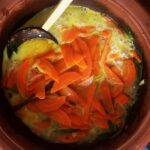
Eating together closes the loop. You taste what you cooked, so you can instantly connect technique with result. If a spice blend feels too strong, you’ll notice. If the curry thickens at the right point, you’ll recognize the texture you aimed for. If lentils or jackfruit curry came out a certain way, you can better understand what you did during cooking.
It also creates a natural moment for conversation. You can ask the instructor about flavors, substitutions, or how you’d recreate the dish later. And you get a more human side of Sri Lankan food culture—less about performance, more about sharing a meal.
Vegan and Gluten-Free: Real Options, Not a Separate Sigh
One of the strongest value points is that the class offers vegan and gluten-free recipe options. That’s important because it means the experience can stay focused on cooking and learning, rather than turning into a compromise where you get something you didn’t want or something that feels tacked on.
In practice, diet-friendly options are best when they’re planned into the dish, not treated as a last-minute adjustment. Here, you can request vegan or gluten-free options, and the overall teaching approach is described as capable of handling requests without turning it into a stressful detour.
If you travel with dietary needs, this is the kind of class that saves you energy. You can participate fully, learn the spice and cooking logic, and still end with a meal you’ll actually enjoy.
Private, Small-Group Flow: Personalized Attention Without the Big Tour Energy
This is marketed as a private tour/activity, meaning only your group participates. It’s also described as a small-group class, which usually translates to more time with the instructor and less waiting around.
That matters because cooking classes fail when the group is too large. In a big crowd, you can end up watching while your station sits idle, or you struggle to get questions answered. Here, you’re part of the action—cutting, chopping, cooking—while you can still get help.
It’s also a good fit for couples and small groups who want a shared activity without strangers floating in and out. If you’re traveling with a friend, sibling, or partner, you’ll probably appreciate the fact that the attention stays on your learning.
Hotel Transfers and Getting There Stress-Free
One of the most practical selling points is pickup from your hotel with hotel transfers included. Kandy can be busy and a bit uneven in terms of transport flow, so anything that reduces logistics friction is a quality-of-life upgrade.
You’ll start at 10:00 am, and you’re given a mobile ticket, with confirmation received at the time of booking. The tour is also noted as near public transportation, which gives you a fallback if your hotel pickup doesn’t fit your exact situation.
If you’re the type who likes to keep your schedule tight and not waste time figuring out routes, the transfer inclusion adds real value. It turns the class from a possible hassle into a clean, book-and-go plan.
Price and Value: What $120 Buys You in the Real World
At $120, this class isn’t a budget impulse buy—but it also isn’t just a meal or a casual cooking demo. You’re paying for a private small-group setup with an experienced instructor (Chitra), practical prep time (cutting and chopping), and the included meal at the end.
The value gets stronger when you factor in transfers. Private cooking classes that include both instruction and pickup often cost more because the logistics take time and staff. Here, hotel transfers are part of the package, and you’re also getting welcome tea or coffee plus diet-friendly recipe options.
In short, the price makes sense if you want:
- real hands-on instruction, not passive watching
- a meal that feels earned, because you cooked it
- help fitting the activity into your Kandy day
If you’re trying to minimize costs and you only want to taste Sri Lankan food, you might prefer a cheaper food-focused experience. But if you want skills, techniques, and a meal tied to what you learned, the $120 price tag is easier to justify.
Who This Cooking Class Is Best For
This is a great match for:
- food lovers who want to cook curry at home, not just taste it
- travelers who learn best by doing
- couples and friends who want a small, friendly class in Kandy
- anyone needing vegan or gluten-free options
It may be less ideal if:
- you hate chopping prep work
- you only want a quick snack and don’t care about cooking technique
- you’re expecting a full-day culinary tour with lots of stops
Remember, it’s about the kitchen and the meal. You’re learning how Sri Lankan dishes come together in a compressed, efficient session.
Should You Book This Kandy Cooking Class?
If your goal is to leave Kandy with more than photos, I’d book it. The combination of hands-on cooking, a structured spice-and-vegetable lesson, and the sit-down meal you make is exactly the kind of travel day that pays you back later when you recreate flavors at home.
Even better, the format supports real dietary needs and stays private and small-group, so you get attention rather than crowd management. The only reason to hesitate would be if 3 hours feels too short for your expectations or if you’re not into cutting and chopping.
If that sounds like your style, Yummy Kandy Cooking Class is a solid choice.
FAQ
How long is the cooking class?
The class lasts about 3 hours.
What time does the class start?
The start time is 10:00 am.
Is hotel pickup included?
Yes. The experience offers pickup from your hotel, with hotel transfers included.
What will I cook during the class?
You’ll learn to make Sri Lankan dishes and you can choose what curry you want to make, with examples including lentils and jackfruit curry.
Can I request a vegan or gluten-free meal?
Yes. Vegan and gluten-free recipe options are available.
Is this a private class?
Yes. It’s described as a private tour/activity, and only your group will participate.
Can I cancel for a full refund?
Yes. You can cancel up to 24 hours in advance for a full refund. If you cancel less than 24 hours before the start time, the amount paid is not refunded.