REVIEW · KYOTO
Ramen Gyoza Onigiri Japanese Cooking Class in Kyoto
Book on Viator →Operated by Friendship Adventures · Bookable on Viator
Ramen tastes better when you make it. In Kyoto, this 1.5-hour class teaches ramen broth, gyoza, and onigiri in one session, guided by friendly English-speaking instructors like Chef Nori. I like the way the session centers on ramen broth (not just noodles), and I like the small group size that means you can ask questions without waiting.
One thing to flag: there are tight diet limits—no vegan, gluten-free, or other special diets, and only two menus (regular, or vegetarian with pork swapped for tofu).
In This Review
- Key highlights you’ll feel right away
- Why This Kyoto Cooking Class Feels Like a Skill Lesson
- Getting to Manryo and Knowing the Clock
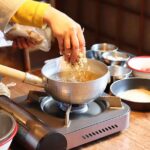
- Ramen Broth First: What You’re Really Learning
- Perfect Gyoza Wrappers with Chef Nori and Team
- Onigiri Rice Balls: Shape, Season, and Eat Immediately
- Vegetarian Menu and Dietary Boundaries
- Price, Portions, and Value for $92.47
- Should You Book This Kyoto Ramen, Gyoza, and Onigiri Class?
- FAQ
- What dishes will I learn to make in this class?
- Do you make ramen noodles during the class?
- Is there a vegetarian option?
- What dietary requirements can the class accommodate?
- How long is the cooking class?
- Is lunch included?
Key highlights you’ll feel right away
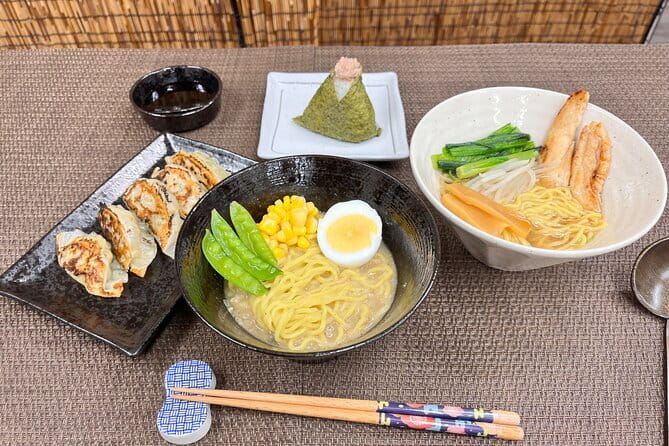
- Three classic dishes, one tight session: ramen broth, gyoza, and onigiri
- Broth-first ramen skills: the part most people skip when they cook at home
- Small groups of up to 8: better access to the instructor and helpers
- Lunch included: you eat what you make, not a sad afterthought
- Two menu choices only: vegetarian is tofu-based, otherwise ingredients stay the same
Why This Kyoto Cooking Class Feels Like a Skill Lesson
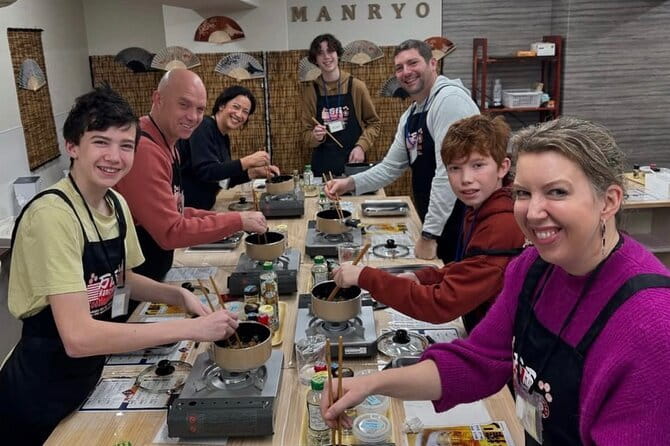
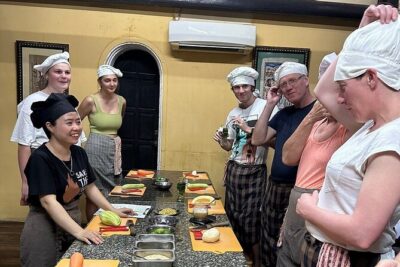
This isn’t the kind of cooking class where you watch and hope things turn out. The format is built for hands-on results: you’ll make ramen broth, wrap gyoza, and shape onigiri in the same class. That combo is great for travelers who want more than one Japanese flavor in a single afternoon.
I also like the focus. Since the class teaches ramen broth (and not ramen noodles), it gives you something practical you can recreate later. Many people can buy noodles anywhere, but broth is where the real know-how lives—timing, seasoning balance, and technique.
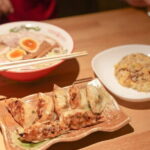
And yes, you’ll eat what you make. The end meal is a big part of the value here. The class is designed to keep you moving so you don’t spend 90 minutes standing around, waiting to finally taste.
You can also read our reviews of more tours and experiences in Kyoto.
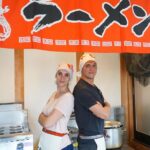
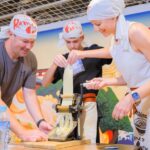
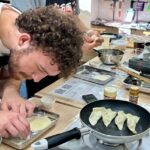
Getting to Manryo and Knowing the Clock
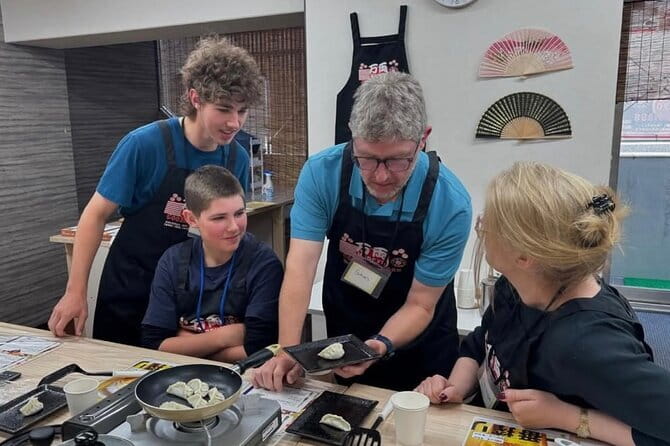
You’ll meet at Manryo Japanese Cooking Class in Kyoto (Sakyo Ward, Chōshōji Monzenchō, Life Building B1). The area is near public transportation, which matters in Kyoto, where getting across town can eat up your energy.
Plan for about 1 hour 30 minutes. That’s short enough to fit into a busy day, but long enough for real cooking progress—especially with a maximum group size of 8 travelers. In a small class, you’re less likely to get stuck because someone else is asking a question first.
Also worth noting: you’ll use a mobile ticket, and the activity ends back at the meeting point. Private transportation isn’t included, so you’ll want to arrive on your own by subway/bus/taxi based on your hotel location.
If you’re the type who likes clear instructions and quick feedback, this class should match your travel style well.
Ramen Broth First: What You’re Really Learning
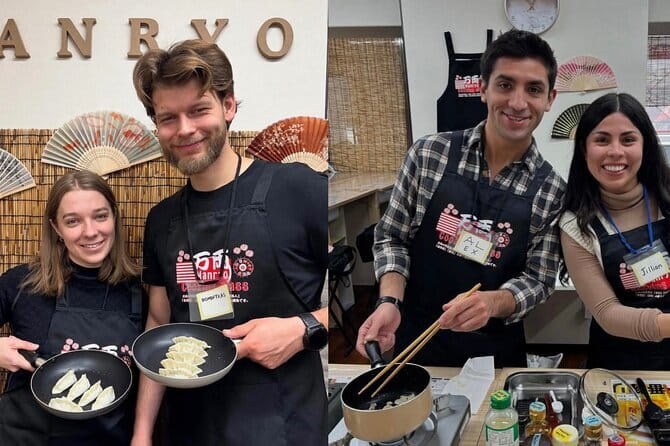
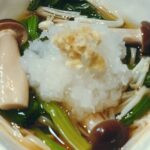
The ramen part centers on broth, not noodles. The class specifically sets you up to learn the soup technique you won’t find just by buying packaged seasoning at home.
Here’s what that means for you: once you understand how to build the broth and season it, you can swap in different noodles, toppings, and side dishes later. Even if you never make ramen noodles yourself, you’ll still be able to make the thing that makes ramen taste like ramen.
The broth focus also keeps the class doable in 1.5 hours. Ramen can sprawl into a whole day if everything is made from scratch. By teaching broth with ingredients and seasonings you could prepare at home, you get the core skill without turning the class into a marathon.
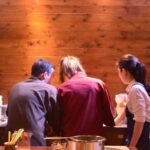
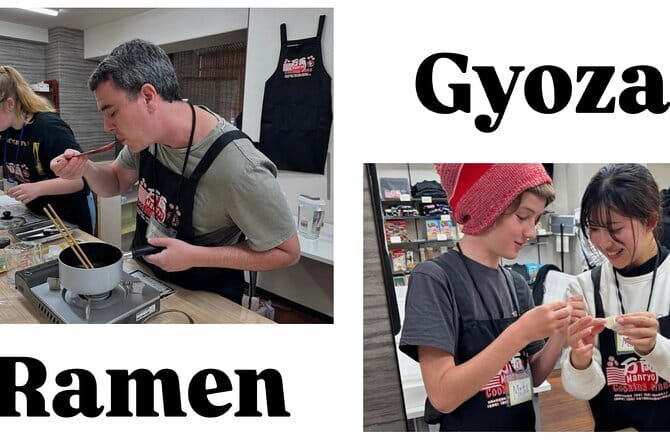
Chef Nori and the team run it with a steady pace. In the experience, it feels organized and well paced, with clear English instruction and plenty of chances to ask what you need as you cook. You’re not just collecting recipes—you’re learning why the steps matter.
Perfect Gyoza Wrappers with Chef Nori and Team
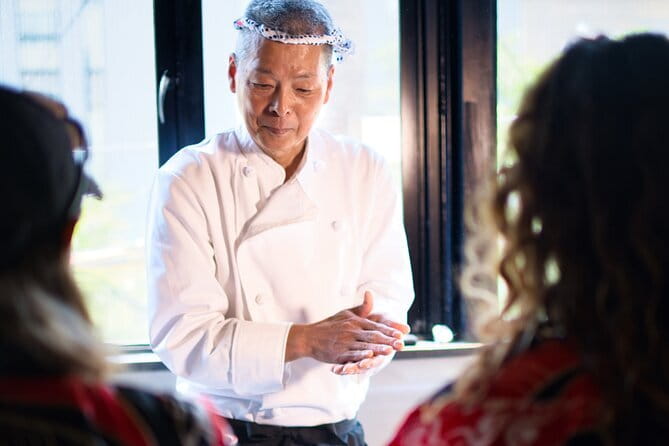
Gyoza is where you’ll feel the most hands-on progress. The class teaches the technique of wrapping—so you’re not simply assembling a pre-made format.
You’ll learn to work the dough and fill process efficiently, then wrap in a way that holds. That sounds simple, but gyoza depends on small details: how much filling you use, how the edges seal, and how you handle the wrapper so it doesn’t tear or loosen.
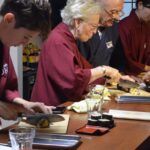
Because the group is small, the instructors can correct your form before you’ve made a whole tray of similar mistakes. That’s the big advantage of an 8-person max class: you’re not competing for attention.
Chef Nori’s style shows up here too—friendly, patient, and focused on making sure you can actually repeat the steps later. The team helpers also play a role in keeping everything moving. You’ll likely notice the class feels choreographed in a good way: you’re guided from one step to the next, so you don’t feel lost.
When you finish the gyoza, you’ll be ready for the best part: eating them soon after, while everything is at its peak.
Onigiri Rice Balls: Shape, Season, and Eat Immediately
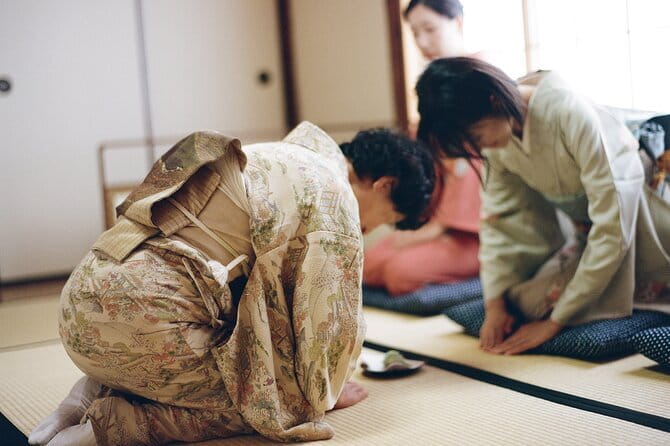
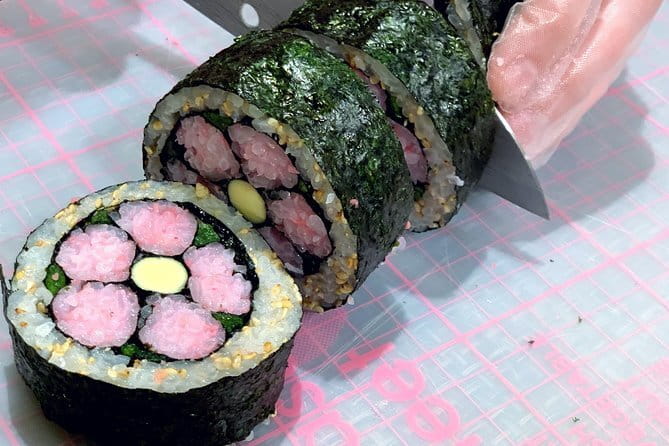
Onigiri is the final hands-on win. Rice balls are one of those foods people think are tricky until they see the technique and realize it’s mostly about method: shaping, holding, and getting the seasoning and texture right.
In this class, onigiri comes after ramen broth and gyoza, which works well. By then, you’ve already warmed up your Japanese cooking skills—so the onigiri steps land faster.
The class also gives you a practical takeaway. Once you know the shaping approach, you can recreate onigiri for packed lunches or quick meals back home. It’s also a great dish to serve alongside other Japanese favorites.
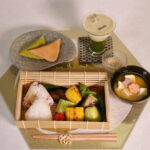
And again, the timing matters. You don’t leave with only a recipe card. You cook, then you taste what you made at the end, so you get an immediate sense of what success looks like.

Vegetarian Menu and Dietary Boundaries
This is a two-menu class: Regular Menu or Vegetarian Menu. The vegetarian option replaces pork with tofu, while other ingredients remain the same. That’s helpful if you eat vegetarian but still want the dish structure to stay familiar.
It also means you need to plan ahead. The class cannot accommodate multiple special diets, including vegan, pescatarian, gluten-free, halal, kosher, and others. It also can’t accommodate children under 13.
So, who should book? If your needs fit one of the two menus (regular or tofu-based vegetarian) and you’re comfortable with the ingredient approach, you’ll be fine. If you need a stricter dietary setup, you’ll likely need to choose a different class.
The upside of the menu simplicity is that the class stays efficient and organized. You get a smoother experience because there aren’t ten different ingredient paths to manage mid-session.
Price, Portions, and Value for $92.47
At $92.47 per person, this class isn’t the cheapest thing you’ll do in Kyoto. But it also isn’t trying to be. The value comes from three dishes in one session plus lunch included—so you’re paying for instruction, ingredients, and the ability to eat a full meal you made yourself.
The short duration helps too. You’re not spending half your day on transportation and setup. In 1.5 hours, you’ll leave with ramen broth know-how, gyoza-wrapping technique, and onigiri shaping skills—plus a plate of food at the end.
Group size also plays a quiet role in value. With up to 8 travelers, you’re less likely to feel like a number. That’s hard to price directly, but it shows in how quickly you can correct mistakes and how much time you have to ask questions.
If you’re the type who likes bringing a “I can cook this at home” memory back from Japan, this class is a good match. If you’re simply looking for a light snack experience, you might feel it’s more than you need—because you’ll definitely be eating.
Should You Book This Kyoto Ramen, Gyoza, and Onigiri Class?
I’d book it if you want a focused, hands-on Japanese cooking experience that results in a real meal. This is especially worth it when you care about learning technique—not just tasting—and you like the idea of making ramen broth plus two other comfort foods in one go.
Skip it if your diet doesn’t match the two menu options, or if you need gluten-free/vegan/pescatarian/other accommodations. Also, if you’re hoping to leave with homemade ramen noodles, note that the class teaches broth and flavor construction, not noodles.
If you’re deciding between “one dish” classes and “multiple dishes” classes, this one hits a strong balance. You get variety without the time cost of separate workshops.
FAQ
What dishes will I learn to make in this class?
You’ll learn to make ramen broth, gyoza, and onigiri (Japanese rice balls).
Do you make ramen noodles during the class?
No. This class focuses on preparing the broth. The noodles are not made in the session.
Is there a vegetarian option?
Yes. There are two menus: regular, and vegetarian. In the vegetarian menu, pork is replaced with tofu while other ingredients stay the same.
What dietary requirements can the class accommodate?
The class cannot accommodate vegan, pescatarian, gluten-free, halal, kosher, or other special diets. It also cannot accommodate under 13 years old.
How long is the cooking class?
The class runs about 1 hour 30 minutes.
Is lunch included?
Yes. After cooking, you’ll enjoy what you made.