REVIEW · CHIANG MAI
Evening Cooking Class in Traditional Pavilion with Beautiful Garden – Chiang Mai
Book on Viator →Operated by Oh-Hoo · Bookable on Viator
Thai cooking class, in a real garden. You start with an organic farm walk and end with a shared meal you cooked yourself. What I love most is the small group size (up to 8) with your own cooking station, and the hands-on curry paste step that turns curry from mystery into a method you can repeat. One thing to consider: the class depends on good weather, since it runs in an open pavilion.
You’ll meet at Tha Phae Gate around 4:00 pm, then get picked up and brought to Grandma’s Home Cooking School, set just outside Chiang Mai. The evening format works well here because you’re learning during the cooler hours, not fighting the midday heat.
In This Review
- Key Things That Make This Chiang Mai Cooking Class Worth Your Time
- Tha Phae Gate to the Farm: How the Evening Gets Rolling
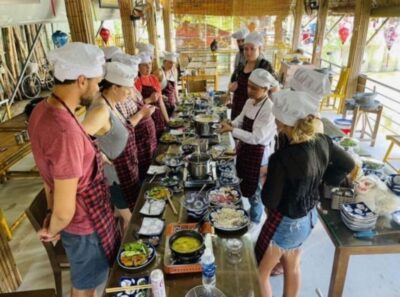
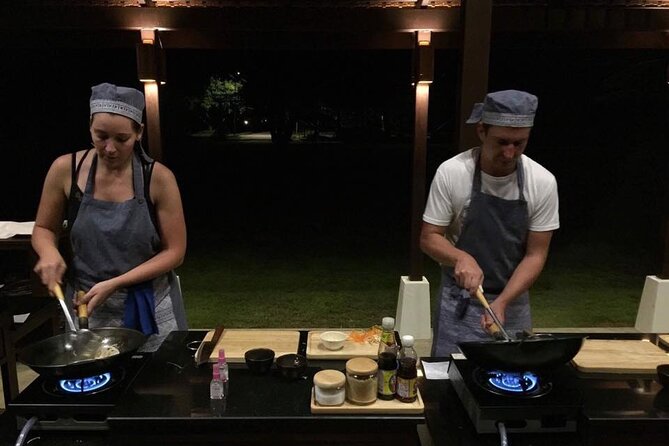
- Grandma’s Garden Pavilion: Small Group Comfort, Open-Air Cooking
- Walking the Organic Farm: Herbs, Veggies, and Egg Collecting
- The Curry Paste Moment: The Skill That Sticks
- Your 4-Dish Thai Dinner: Soup, Stir-Fry, Curry, Dessert
- Hot and Sour Soup (Tom Yam)
- Coconut Soup (Tom Kha)
- Thai Stir-Fried Rice Noodles (Pad Thai-style)
- Green Curry or Red Curry + Mango Sticky Rice (Khao Niao Mamuang)
- Eating Together in the Pavilion: More Than Just Cooking
- Price and Value: What $51.46 Really Buys You
- Who Should Book This Cooking Class (and Who Might Skip It)
- Should You Book This Evening Cooking Class in Chiang Mai?
- FAQ
- What time does the Chiang Mai evening cooking class start?
- How long is the cooking class?
- How many dishes will you cook?
- Is pickup included?
- How large is the group?
- Does the menu always stay the same?
- What happens if the weather is bad?
Key Things That Make This Chiang Mai Cooking Class Worth Your Time
- Up to 8 participants, your own station for less waiting and more cooking
- Organic farm ingredient gathering, including eggs and fresh produce
- Make curry paste from scratch, guided by an English-speaking instructor
- A full meal you cooked, with tasting and sharing at the end
- A 4-dish Thai menu designed to cover soup, stir-fry, curry, and dessert
Tha Phae Gate to the Farm: How the Evening Gets Rolling
This experience starts in the late afternoon, with a meeting point at Tha Phae Gate around 4:00 pm. From there, pickup is offered, and you’ll connect with the rest of the group before heading out to the school on an organic farm just outside Chiang Mai.
Why that timing matters: Thai cooking rewards attention. If you rush, you miss details like herb aromas, how curry paste thickens, or how to balance sour, salty, and creamy in soups. The 4-hour pacing gives you enough time to learn without feeling like a race.
The “easy to arrive” setup also helps. Tha Phae Gate is a central landmark, and the activity is noted as being near public transportation. So even if you plan to get around on your own part of the time, you should be able to get to the meeting point without stress.
You can also read our reviews of more tours and experiences in Chiang Mai.
Grandma’s Garden Pavilion: Small Group Comfort, Open-Air Cooking
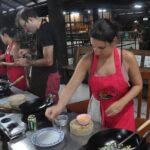
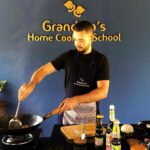
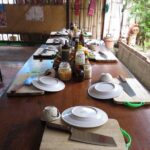
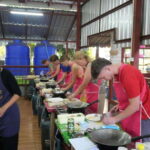
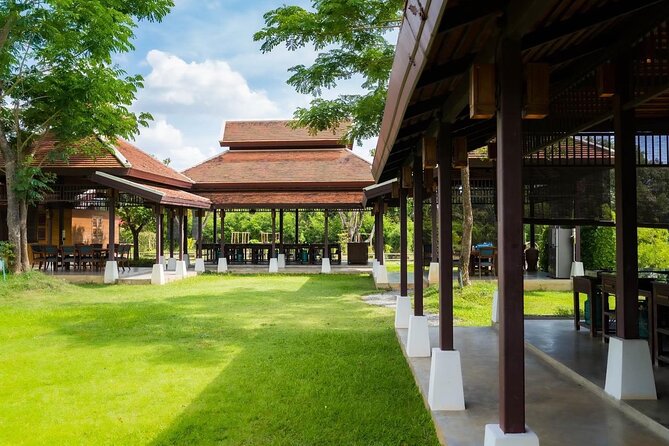
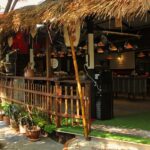
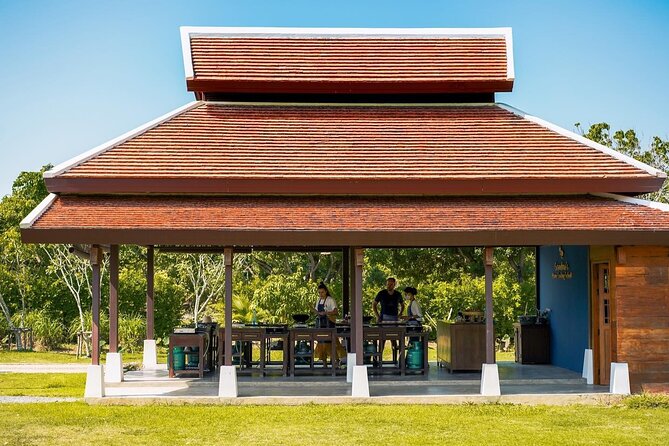
The cooking happens in a traditional pavilion in the farm’s gardens—set up for a relaxed evening, with a laid-back feel but real instruction. The pavilion matters because it changes the mood of the class. You’re not trapped in a windowless kitchen. You’re in the space where the ingredients grow and the evening air cools down.
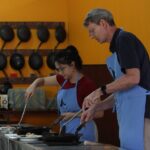
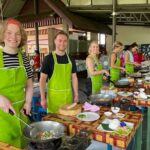
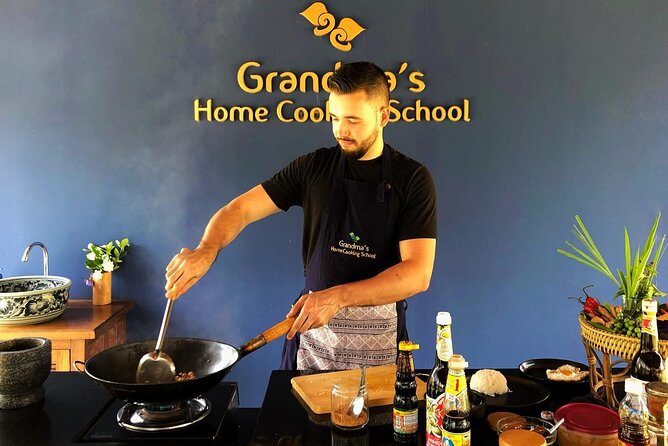
The small group size is the other big reason this works. With a maximum of 8 participants and an individual cooking station, you avoid the most common cooking-class problem: standing around while someone else chops, stirs, or measures.
The menu is taught as a set of four dishes, and you’ll move through them with your instructor’s guidance. That structure is practical. You’re not just learning random recipes—you’re building a Thai cooking toolkit: soup techniques, stir-fry timing, curry paste-to-curry flow, and a dessert finish.
Walking the Organic Farm: Herbs, Veggies, and Egg Collecting
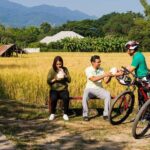
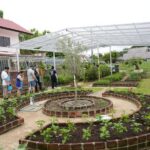
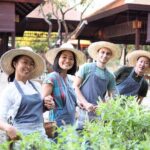
Before the stove work begins, you tour the organic farm and learn what Thai cooks actually mean when they say herbs and vegetables are the backbone of flavor. You’ll walk through the farm while the instructors explain ingredients and how they show up in Thai cooking.
You also get to collect eggs and other fresh inputs. That sounds simple, but it’s one of those small experiences that makes dinner feel earned. When you later taste something you made from ingredients you picked yourself, you start noticing flavor details you’d normally skip—like how fresh aromatics change the whole pot.
What I’d watch for during the farm walk is the lesson behind the ingredients. The class focuses on how herbs and vegetables are used, not just what they are. If you take mental notes on what looks similar (and what smells different), you’ll be able to shop smarter at home.
Also, keep in mind the menu can change with season and ingredient availability. That doesn’t mean you lose value. It means you cook with what’s fresh, and you learn the logic of the dish instead of memorizing a list that’s only true in one month.
The Curry Paste Moment: The Skill That Sticks
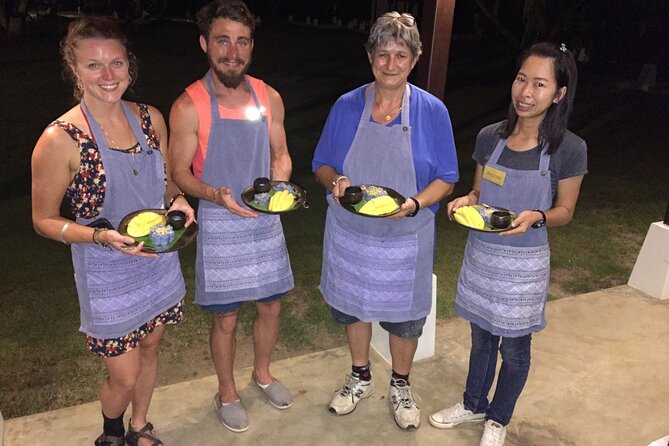
If you care about making Thai food at home later, the curry paste part is the main event. You’ll create your own curry paste with guidance from an English-speaking instructor. This is the step that turns curry from a bottled shortcut into something you can control.
One reason this class earns strong praise is that it teaches curry paste in a way that’s easy to translate. People don’t just leave with full plates—they leave with notes and the desire to buy the right ingredients to recreate the flavors later. One participant even highlighted starting to take notes specifically to make curry at home, including a curry style like Panang. That’s a tell: the instruction isn’t only about following steps. It’s about understanding the base.
Here’s what makes curry paste training valuable for you:
- You learn how paste forms flavor, not just how to follow a recipe.
- You get a repeatable method—so if you can source ingredients at home, you can recreate the dish.
- You start tasting the difference between components as you cook, which helps you adjust.
And yes, curries in Thailand often taste like they’re balanced by instinct. Training your tongue with a curry paste process helps you get closer to that balance.
Your 4-Dish Thai Dinner: Soup, Stir-Fry, Curry, Dessert
The class is built around four dishes, covering the core categories you’ll want to master for authentic Thai home cooking. The exact menu can shift with season, but these are the main items you’ll expect to cook:


Hot and Sour Soup (Tom Yam)
Tom Yam—or a hot and sour style soup—is a classic starting point because it teaches you to balance sharp, salty, and fragrant flavors. In a cooking class, soup is also a good “learning dish” since the results show quickly. If your seasoning is off, you’ll notice fast.
Coconut Soup (Tom Kha)
Tom Kha brings the creamy side to the table. It teaches you how coconut mellows heat and makes herbs taste rounder instead of just sharp. Practically, it helps you understand Thai flavor layering: sour and aromatic notes get softened by richness.
Thai Stir-Fried Rice Noodles (Pad Thai-style)
You’ll also learn a stir-fried rice noodle dish, built for speed and timing. This is where you’ll feel the benefit of having an individual cooking station. Stir-fry is unforgiving, but if you’re actively cooking, you can catch what works for you—heat level, timing, and how long to stir before things overcook.
Green Curry or Red Curry + Mango Sticky Rice (Khao Niao Mamuang)
For the curry, you’ll follow the curry paste-to-curry path, then finish with either green curry or red curry depending on what’s taught and what ingredients are available. Either way, you’re practicing the method that makes Thai curry taste like Thai curry.
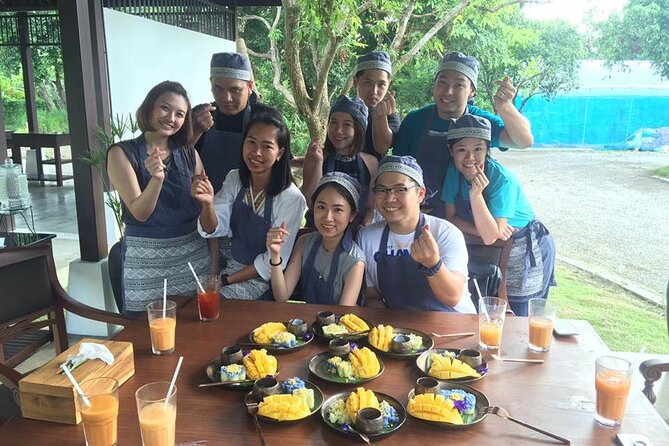
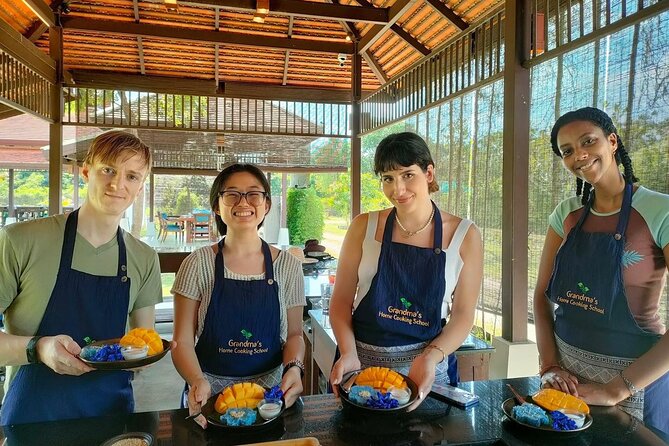
Dessert closes things out with Mango Sticky Rice. It’s the perfect ending dish because it gives you a completely different flavor world: sweet, fragrant, and comforting. It also gives you a full meal experience rather than a half-cooked class that ends with you still hungry.
Eating Together in the Pavilion: More Than Just Cooking
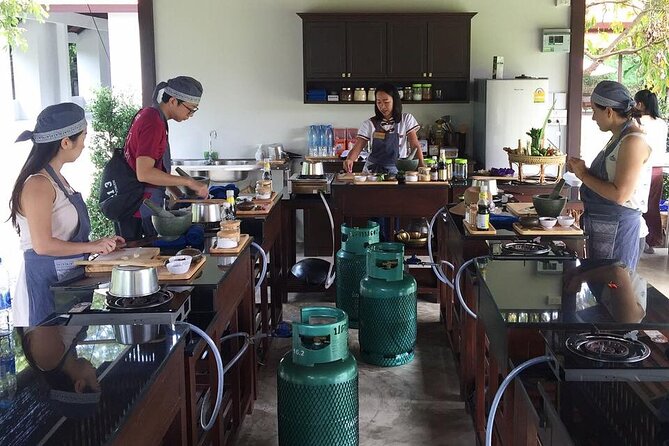
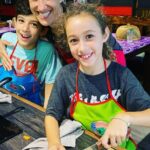
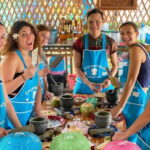
The best part of many cooking classes is eating what you made—but this one leans into the social side too. After you cook, you share the meal with your group, exchange stories, and sample each other’s food.
That tasting moment is quietly useful. When you taste someone else’s version of the same dish, you can spot differences—like how spicy one pot feels or how thick another curry got. You don’t need to become a food scientist. You just learn what to aim for next time.
This is especially valuable with curry paste-based dishes. Small variations in paste texture or cooking time can shift the final curry. Tasting lets you calibrate your own instincts.
Also, the fact that it’s a family-style evening setup in the garden makes it feel like a real local activity rather than a rushed show. The group exchanges stories, then you head back to your accommodation with full stomachs and a shopping list forming in your head.
Price and Value: What $51.46 Really Buys You
At $51.46 per person for about 4 hours, the value depends on what you want from the class. If you want a quick meal, you could always eat out for less. But if you want a skill you can use later, this pricing starts to make sense.
Here’s what you’re paying for that typical street-food stops don’t include:
- Instruction through a full menu (four dishes, not one)
- Hands-on cooking at your own station
- Curry paste creation with guidance
- Organic farm experience that includes ingredient gathering like eggs
- Pickup offered plus return transport back to the meeting point area
Small-group classes cost more than big bus tours because they require more hands-on space and more teaching effort. Here, the max 8 participant size makes the lesson feel personalized enough that you can ask questions and keep moving.
So if you’ve ever come home from Thailand with great photos and zero cooking confidence, this is the kind of evening that can actually change your next grocery run.
Who Should Book This Cooking Class (and Who Might Skip It)
This fits best if you:
- Want to learn Thai cooking through real steps, not just watching
- Like the idea of cooking a full meal: soup, stir-fry, curry, and dessert
- Prefer smaller groups where you don’t lose time waiting
- Enjoy food experiences that start on a farm and end at the table
It may be less ideal if you:
- Don’t want an outdoor component, since the session requires good weather
- Prefer ultra-flexible menus, since the dish lineup can change based on season and ingredient availability
If you’re comfortable with a structured 4-hour activity and you want the curry paste method in your back pocket, you’ll likely get a lot out of it.
Should You Book This Evening Cooking Class in Chiang Mai?
Yes, I think this is a smart booking for most people who care about food. It’s not just a dinner. It’s an evening where you walk through an organic farm, cook multiple classic Thai dishes, and learn the curry paste technique that makes the flavors make sense later at home.
Book it if you want value in skills, not only a tasty meal. The small group size and individual cooking station are the kind of details that change the whole experience. And if curry is your thing, the paste-making focus is what you’ll remember when you start cooking again.
Just go in with the right mindset: it’s hands-on, it’s guided, and it runs in an open-air setup. If you keep that in mind, you’ll leave with both a full plate and a real plan for your next curry night.
FAQ
What time does the Chiang Mai evening cooking class start?
The class starts at 4:00 pm.
How long is the cooking class?
It runs about 4 hours (approx.).
How many dishes will you cook?
You’ll cook four dishes, including soup(s), a stir-fried rice noodle dish, a green curry or red curry, and mango sticky rice.
Is pickup included?
Pickup is offered, and the experience ends back at the meeting point.
How large is the group?
The maximum group size is 8 participants.
Does the menu always stay the same?
The menu is subject to change depending on the season and the availability of ingredients.
What happens if the weather is bad?
This experience requires good weather. If it’s canceled due to poor weather, you’ll be offered a different date or a full refund.