REVIEW · TOKYO
Ramen Making from Scratch +Akihabara Tour –Cooking Class
Book on GetYourGuide →Operated by Patia's Japanese Cooking Class · Bookable on GetYourGuide
Fresh noodles beat restaurant ramen any day. I love the chance to make noodles from flour and then learn Jiro-style ramen with an English-speaking instructor in a small group.
Go in with clear logistics: the class ends at the kitchen studio, not back at Akihabara, and if you arrive more than 10 minutes late the group departs ahead of you.
In This Review
- Key things I’d circle before you book
- Akihabara First: Where Pop Culture Meets Food Reality
- The Supermarket Stop That Teaches Ingredients, Not Recipes
- The Train Ride to Patia Kitchen Studios (And Why It’s Part of the Deal)
- Jiro-Style Ramen From Scratch: The 90 Minutes That Actually Matter
- Making noodles from flour
- Broth and toppings
- Chashu preference (a nice touch)
- What You Eat at the End (And Why It’s More Than a Reward)
- Price and Value: Is $120 Reasonable for Tokyo Ramen Cooking?
- Who This Class Suits (And Who Should Skip It)
- Timing and Day-Plan Tips That Save Stress
- Should You Book Ramen Making from Scratch + Akihabara Tour?
- FAQ
- Where do I meet for the tour?
- How long is the experience?
- Is the instructor English-speaking?
- What do I make during the class?
- Is there a grocery store stop included?
- Is the group small?
- Are vegan or vegetarian options available?
- Is transportation from Suehirocho Station to the studio included?
- Can children or wheelchair users join?
Key things I’d circle before you book
- Flour to noodles: you don’t just assemble ramen, you make fresh noodles from scratch.
- Akihabara + real shopping: a supermarket walk helps you understand the ingredients behind the bowl.
- Jiro-style in English: this is the only class where you can learn Jiro-style ramen in English.
- Small group feel: limited to 6 participants, so you’re not shouting over a crowd.
- Patia Kitchen Studios: a central, relaxing studio near a train stop (and a place popular with Japanese TV programs).
- You eat what you make: broth, toppings, and noodles come together into your own final ramen bowl.
Akihabara First: Where Pop Culture Meets Food Reality
You start in Akihabara, Tokyo’s electric town for gadgets, anime, and pop culture. Before anyone starts cooking, you get a quick street-level orientation that keeps the day from feeling like a straight class and nothing else.
The walk is short, around 20 minutes. You’ll pass popular spots along the way and get pointed toward the kinds of neighborhood businesses you’ll actually see day to day, not just the “tourist photo” corners. It’s a nice way to get your bearings fast in a place that can feel loud and chaotic if you’re not sure where you are.
What I like here is the pacing. You’re not cramming five things before the cooking. You’re getting a light introduction to the area so the supermarket stop later feels purposeful, not random.
Practical tip: arrive a little early at JR Akihabara Station. The meeting point is at the outside central ticket gate, and you don’t want to test that 10-minute buffer.
You can also read our reviews of more tours and experiences in Tokyo.


The Supermarket Stop That Teaches Ingredients, Not Recipes
Next comes the heart of the experience’s food education: a supermarket walk in Akihabara. This part lasts about 20 minutes, and it’s one of the best uses of time in a cooking class like this.
Your guide explains what you’ll use for ramen that day and how those ingredients fit together. You’ll see Japanese staples and learn to connect what you buy with what you eat. Even if you’ve made ramen at home before, the supermarket lesson helps you think differently: less about vague “ramen ingredients” and more about the role each item plays.
This is also where the class starts feeling like Japanese food culture today, not some museum-style cooking demo. You’re looking at real products in a real store, in a neighborhood that keeps moving. That matters because ramen flavor is built through details, and you’ll feel those details later when you assemble your bowl.
And if you’re the type who likes buying souvenirs that you can actually cook with later, this stop is a solid way to spot what to look for.
The Train Ride to Patia Kitchen Studios (And Why It’s Part of the Deal)
After the food shopping, you hop on a train to Patia Kitchen Studios. The ride is usually around 15 to 30 minutes, depending on the route.
Here’s the practical part: transportation from Suehirocho Station to the studio is not included. You’ll want your own Suica or other IC card for the train segment. If you don’t have one, the guide can help you buy a ticket.
Why include this detail in a review? Because it changes how you plan the rest of your Tokyo day. This class is built around using public transit, so you’ll need at least a basic comfort level with trains and station transfers.
On arrival, you’re at a stylish studio in central Tokyo. It’s described as spacious and relaxing, and it’s just a few minutes from the nearest train station. That’s a welcome contrast to the long queues and cramped spaces that can happen in city cooking experiences.
Jiro-Style Ramen From Scratch: The 90 Minutes That Actually Matter
Now you get to the main event: the ramen making portion, about 90 minutes. This is where you earn the right to brag about your ramen in a very quiet, confident way.
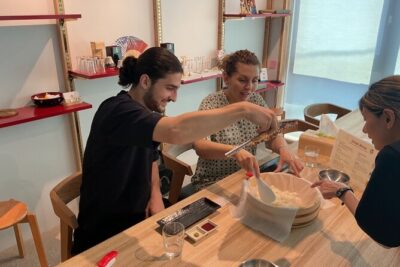
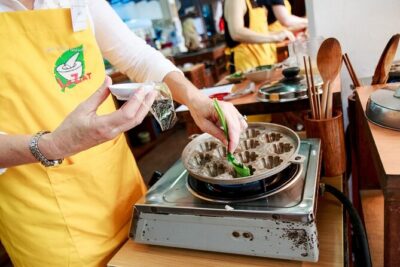
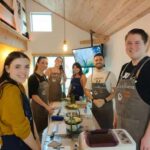
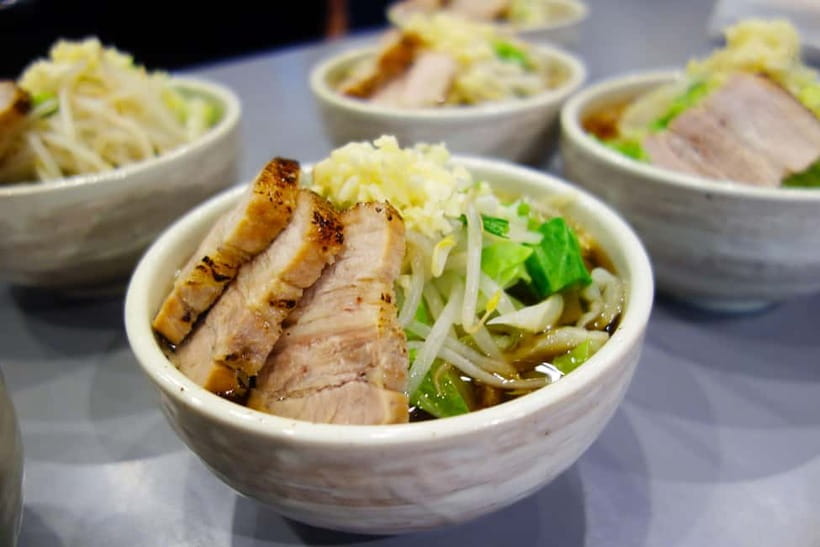
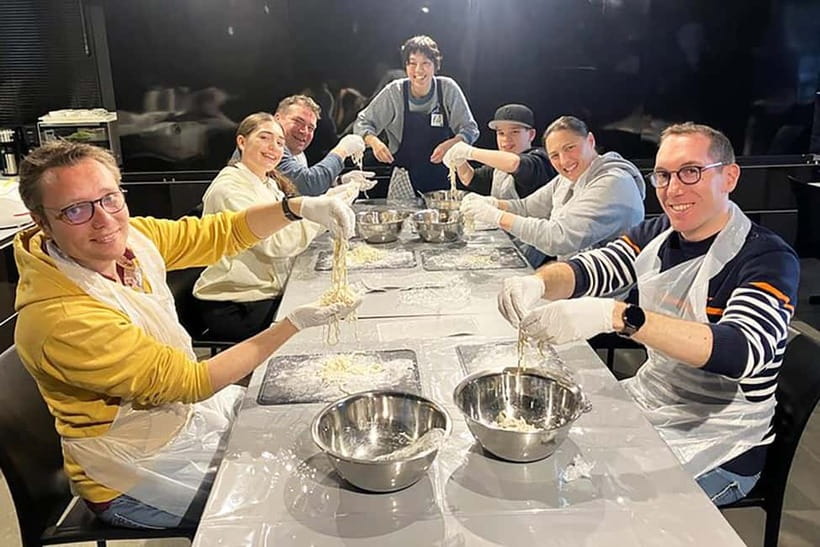
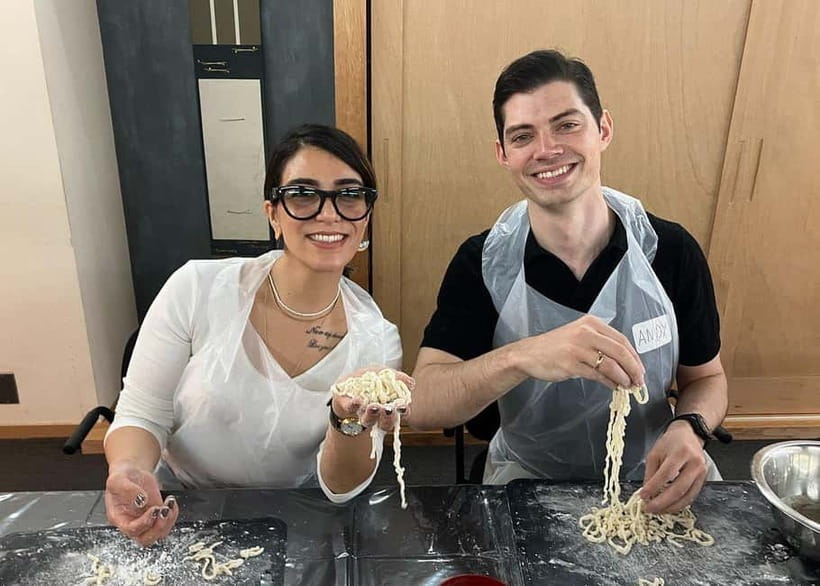
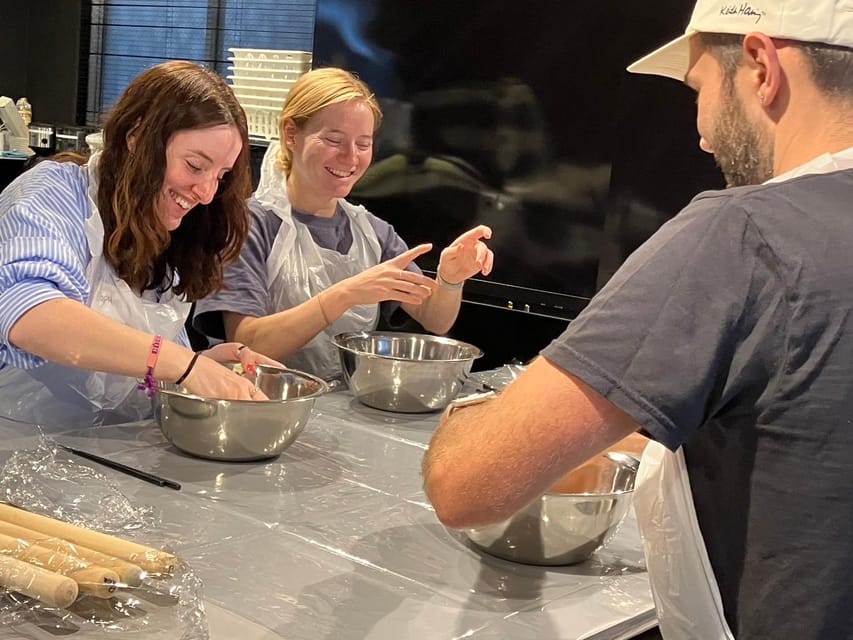
The class is small—up to 6 participants—so the English-speaking instructor can guide you while you work. The focus is hands-on: you’ll prepare the broth, make fresh noodles, and build the toppings. In other words, you’re not just watching a chef do the hard parts while you hope things don’t go wrong.
Making noodles from flour
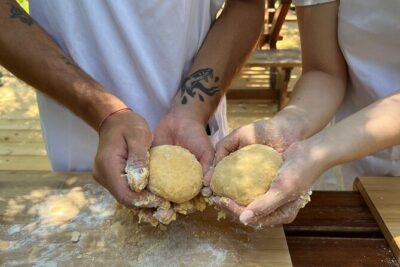
You’ll start from flour and end with noodles. That’s a big deal, because noodle making isn’t “hard” in a dramatic Hollywood way. It’s hard in a skill-building way: timing, texture, and how dough behaves. Getting coached in real time helps a lot.

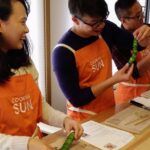




Broth and toppings
The broth and toppings are prepared with your class workflow, guided step-by-step. Even if you’re not planning to recreate Jiro-style ramen perfectly at home, you’ll walk away knowing what order things happen in and how the flavor comes together.
Chashu preference (a nice touch)
One detail I appreciate: if you tell them at least 48 hours in advance, you can change the chashu from pork to chicken. If you eat pork normally, this might not matter. If you don’t, it’s a simple way to make sure the class fits you.
This is also where you’ll taste the payoff. The experience ends with the bowl you made.
What You Eat at the End (And Why It’s More Than a Reward)
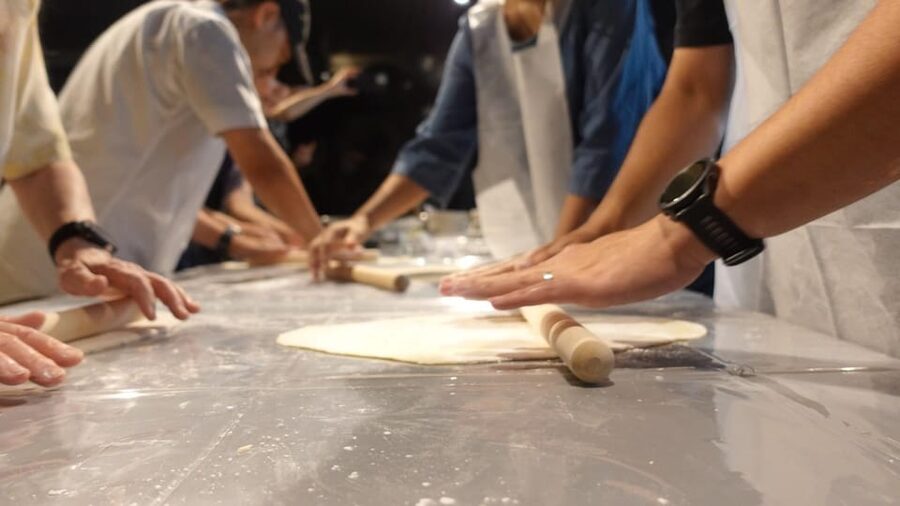
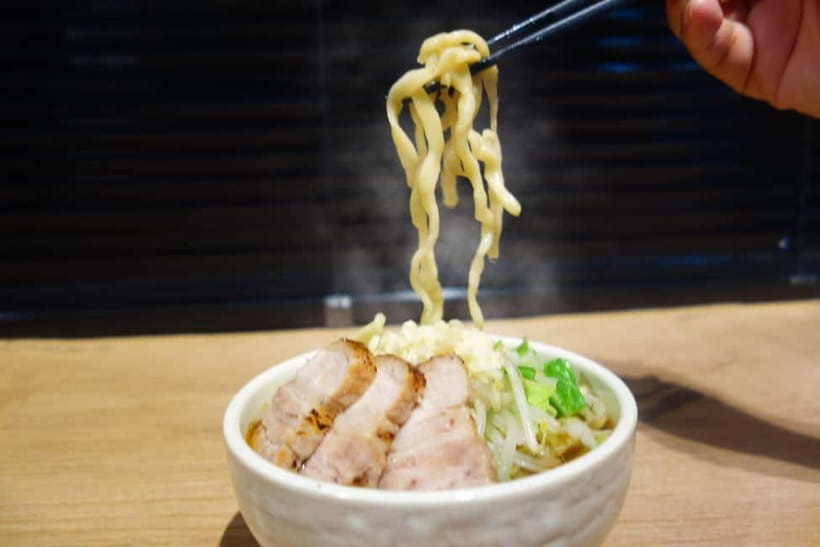
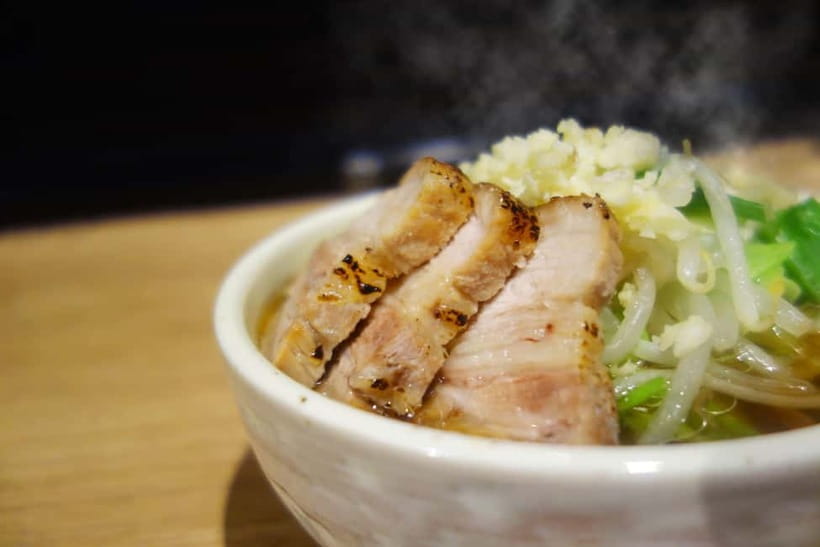
At the end, you enjoy the Jiro-style ramen you created: broth plus toppings plus the fresh noodles you made. Food and beverages are included, so you don’t have to estimate dinner plans during your cooking window.
This meal matters for two reasons.
First, you’ll understand what you did while you’re tasting it. When you mix, cut, or build something yourself, flavors stop being abstract.
Second, it’s a check on your technique. If your noodles feel off, you’ll notice. If the broth is too mild for your liking, you’ll learn what the process was aiming for. That kind of feedback is hard to get from a restaurant meal.
You’ll also get later-downloadable photographs taken during the experience. That’s useful because ramen cooking can get messy, and it’s nice to have documentation without worrying about grabbing photos mid-dough.
Price and Value: Is $120 Reasonable for Tokyo Ramen Cooking?
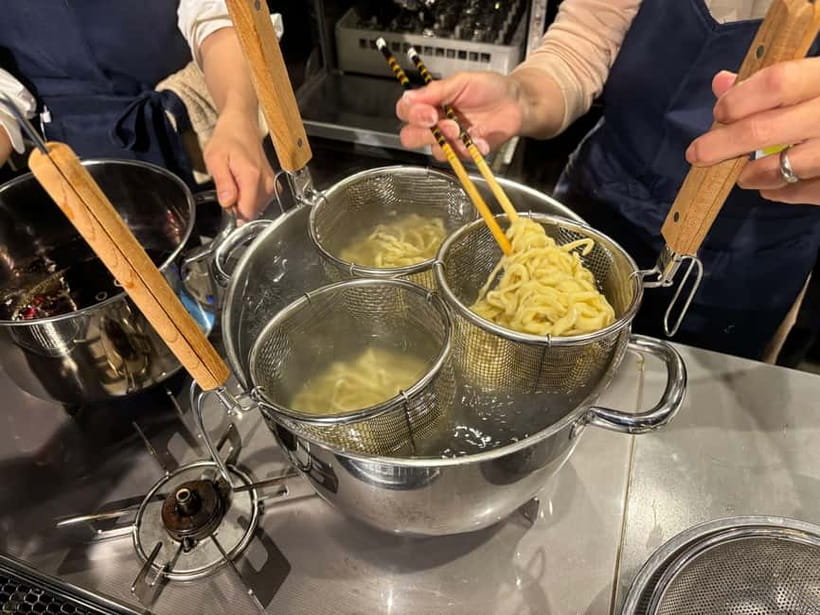
$120 per person for a 3-hour, small-group class in central Tokyo might sound pricey at first—until you break down what’s actually included.
You’re paying for:
- A grocery store walk with ingredient explanation
- A guided cooking class in English with hands-on instruction
- Fresh noodles from scratch, not a pre-made shortcut
- Broth and toppings preparation
- Food and beverages
- Later-downloadable photos
In Tokyo, buying ramen is easy. Getting a structured, English-led practice session that includes ingredient shopping is less common, especially one that specifically teaches Jiro-style ramen in English.
Where the value can feel even better is if you’re a food person who wants skills, not just a one-time meal. If you’ve ever tried making ramen at home and struggled with noodles or ingredient choices, this kind of guided class can save you trial-and-error time.
Who This Class Suits (And Who Should Skip It)
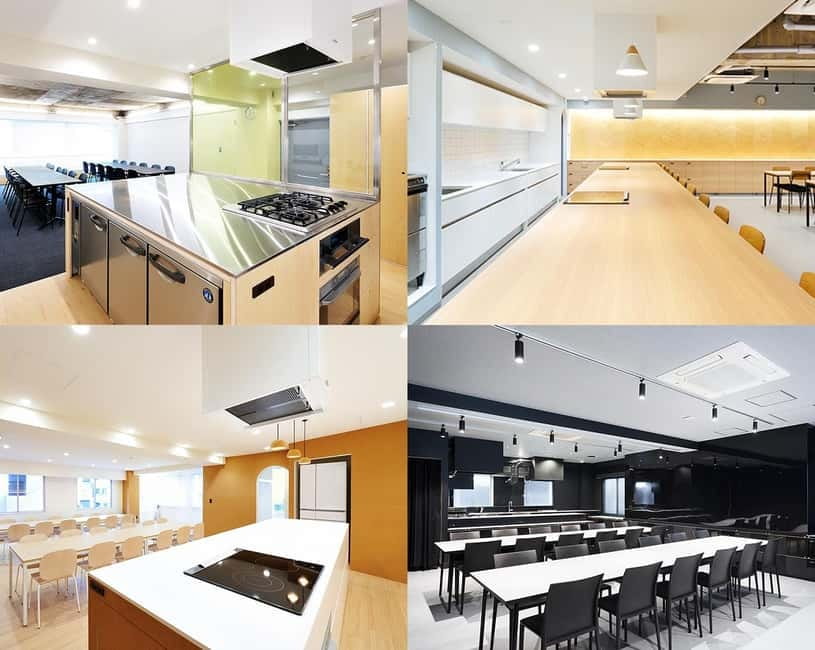
This experience is best for adults and older kids who like food learning-by-doing. It’s listed as not suitable for children under 5, and it also isn’t set up for wheelchair users.
It can also be tough for people with back problems, since cooking stations and noodle work often require standing and leaning. If you’re sensitive to that kind of movement, check first before booking.
Food-style note: vegan and vegetarian options are not available. The class includes meat-based elements (including chashu), so plan accordingly.
If you’re a serious ramen fan, the Jiro-style angle is a strong reason to choose this class over a generic ramen workshop. If you simply want a fun food activity and you like the idea of Akihabara for atmosphere, the neighborhood walk adds a real layer beyond cooking.
Timing and Day-Plan Tips That Save Stress
This is where people accidentally sabotage themselves with good intentions.
- Arrive at 11AM on time at JR Akihabara Station, outside the central ticket gate. If you’re more than 10 minutes late, the group leaves ahead of you, and you’re asked to go directly to the kitchen studio (no refund if you delay).
- Bring an IC card (Suica or similar). You’ll use public transit during the day.
- Wear comfortable clothes. Noodle work and kitchen handling can be unforgiving if you’re dressed for sightseeing.
- Eat with timing in mind. You’ll have food and beverages included, and the main meal comes after cooking. If you start the day with a huge lunch, you may feel less excited about the final bowl.
- If you want chicken chashu instead of pork, tell the provider more than 48 hours in advance so they can adjust.
These aren’t “admin” details. They affect whether your day feels smooth or frantic.
Should You Book Ramen Making from Scratch + Akihabara Tour?
I’d book this if you want a Tokyo food experience that does three things well: you learn technique, you understand ingredients, and you finish by eating a bowl made by your own hands.
Choose it especially if:
- you’re excited about making noodles from flour
- you care about learning a specific ramen style and want Jiro-style ramen in English
- you like the idea of combining cooking with an Akihabara walk and real shopping
Skip it if:
- you need vegan/vegetarian options
- mobility limits make cooking stations difficult
- you want a low-structure experience with no scheduling pressure (this one has a clear meeting point and a timed flow)
If you’re the kind of traveler who comes home wanting to cook the memory, this class gives you the best kind of souvenir: a skill, plus one excellent bowl.
FAQ

Where do I meet for the tour?
You meet at 11AM at JR Akihabara Station, outside the central ticket gate.
How long is the experience?
The experience lasts about 3 hours.
Is the instructor English-speaking?
Yes, the instructor for the cooking class is English.
What do I make during the class?
You make ramen from scratch, including preparing the broth, making fresh noodles, and assembling toppings.
Is there a grocery store stop included?
Yes. The tour includes a supermarket walk in Akihabara to look at and learn about the ingredients used for that day’s ramen.
Is the group small?
Yes, it’s a small group limited to 6 participants.
Are vegan or vegetarian options available?
No, vegan and vegetarian options are not available.
Is transportation from Suehirocho Station to the studio included?
No. Transportation from Suehirocho Station to the studio is not included, and you’ll need an IC card like Suica or another IC card. If you don’t have one, the guide helps with buying a ticket.
Can children or wheelchair users join?
Children under 5 are not suitable, and it is not suitable for wheelchair users. People with back problems may also find it difficult.