REVIEW · HOI AN
Hoi An: Vegetarian Cooking Class w Local Family and transfer
Book on GetYourGuide →Operated by Viet Nam Happy Travel · Bookable on GetYourGuide
Vegetarian Vietnamese cooking in a coconut village is calm. You’ll cook with real Hoi An energy in a coconut village setting, guided by an English-speaking chef who keeps things clear and hands-on.
I love how the food is taught step by step, not just watched. You’ll get practical technique for Hoi An rice pancake and papaya salad, and guides like Ha and Nhung bring a lively, relaxed vibe to a small group.
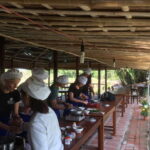
One thing to plan for: the cooking/dining area is outdoors near water. Bring bug spray and wear light clothing, especially in the evening.
In This Review
- Key things to know before you go
- Getting to Cam Thanh: why the transfer is part of the experience
- Inside the coconut village kitchen with an English-speaking chef
- The heart of the class: 4 Vietnamese dishes you’ll cook for real
- Hoi An rice pancake: texture and timing practice
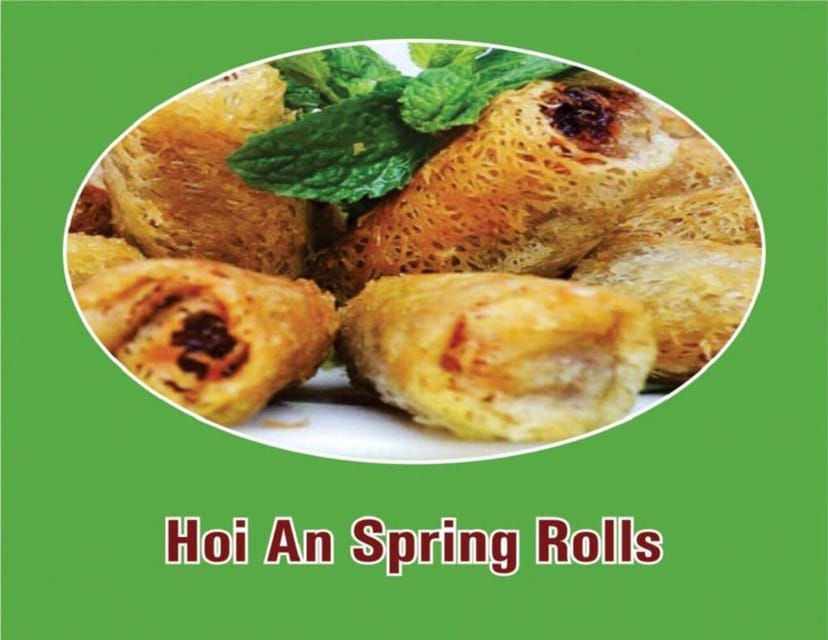
- Hoi An spring rolls: building flavor in the filling
- Papaya salad: sweet, sour, and crunch
- The fourth dish: your chance to specialize
- Meal time: eating together after you cook
- Optional basket boat ride: a calm break in Cam Thanh
- Vegetarian-friendly without feeling like a compromise
- Price and value: why $23 can actually make sense
- Timing, what the day feels like, and small-group expectations
- Practical tips: how to show up and enjoy it
- Where this class fits best in your Hoi An itinerary
- Should you book this Hoi An vegetarian cooking class?
- FAQ
- What dishes are included in the cooking class?
- Is the class vegetarian only?
- Does the class include hotel pickup and drop-off?
- Where is the meeting point if I’m going on my own?
- How long is the experience?
- Is lunch or dinner included?
- Is a basket boat ride included?
- What language is the chef instruction?
- Are drinks included?
- Is the class suitable for children?
- Is the class wheelchair accessible?
Key things to know before you go
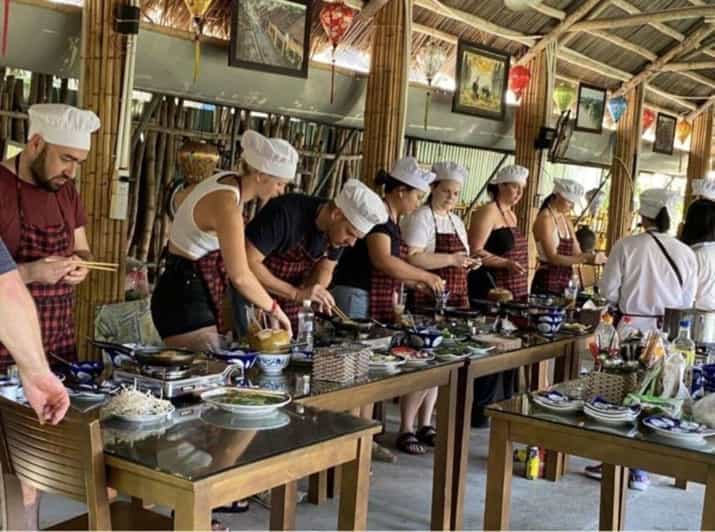
- Hands-on vegetarian focus: You learn Vietnamese cooking by doing, with an effort to group vegetarian participants together.
- English instruction in a small group: The chef guides you step by step so you’re not just standing around.
- Learn iconic dishes you can remake: Expect recipes like Hoi An rice pancake, Hoi An spring rolls, and papaya salad.
- Eat your results together: After cooking, you share a meal and taste what everyone made.
- Coconut village transfer setup: Optional hotel pickup helps you reach Cam Thanh easily.
- Plan for bugs and heat: Outdoor setting by the river means bug spray is a smart move.
Getting to Cam Thanh: why the transfer is part of the experience
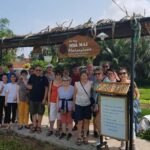
Most cooking classes in Hoi An stay trapped inside a busy schedule. This one starts by moving you out to the Cam Thanh coconut village area. If you choose hotel pickup, you’re collected from the Hoi An old town center and driven to the Cam Thanh side of things. The payoff is simple: you arrive in the right mood for slower food time.
Once you’re in the coconut village area, you don’t jump straight into recipes. There’s a welcome drink and a chance to reset at the on-site restaurant. That buffer matters if you’ve been walking around Hoi An all day, eating street food, and taking photos nonstop.
If you’re not using pickup, your meeting point is a narrow alley next to Villa Hoa Vung in To 5 Hamlet, Vong Nhi, Cam Thanh, Hoi An. It’s exactly the kind of place where having a precise pin helps. The provider notes they share a WhatsApp number so they can send the exact location, which is very helpful once you’re on foot.
You can also read our reviews of more tours and experiences in Hoi An.
Inside the coconut village kitchen with an English-speaking chef
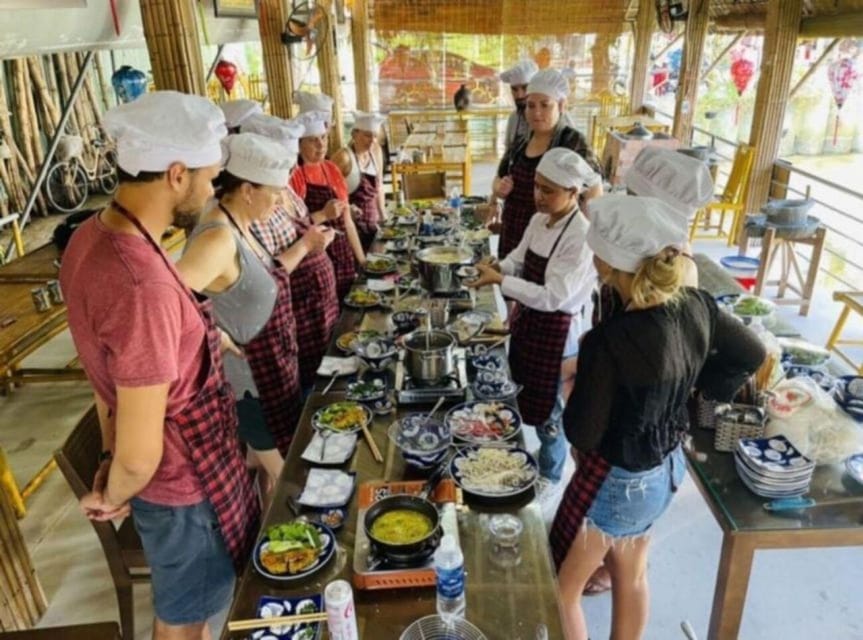
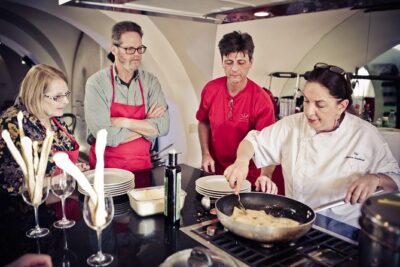
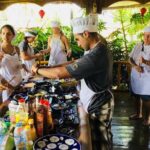
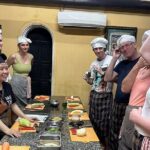
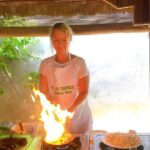
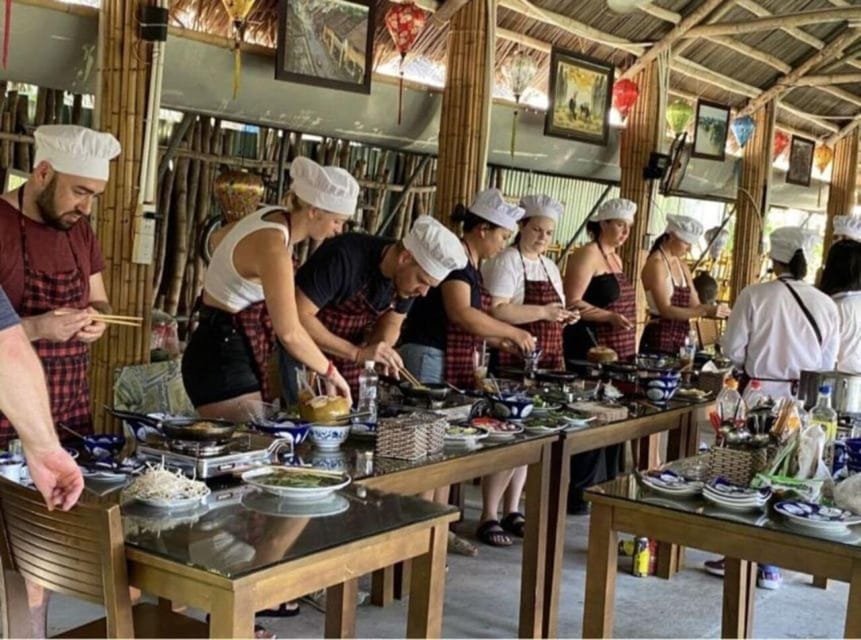
You’re learning with an English-speaking chef, and the format is designed so you can actually repeat it later. The teaching style is practical: step-by-step instructions, then you cooking your portion. In small groups, it’s easier to get help when something doesn’t look right on your pan.
What I like about this style is that you’re not expected to already know Vietnamese cooking basics. The instructions are detailed enough that you can follow even if you don’t speak the language. Also, many people end up making more than one version of something as they learn the rhythm of the recipe.
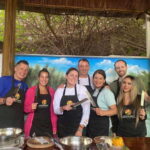
From the experience vibe described in the field, guides such as Ha and Nhung often keep the energy light and funny. That matters because cooking classes go better when you’re not stressed about time. You’ll see people chatting with each other while prepping, then the group settles into a shared pace once the cooking starts.
The heart of the class: 4 Vietnamese dishes you’ll cook for real
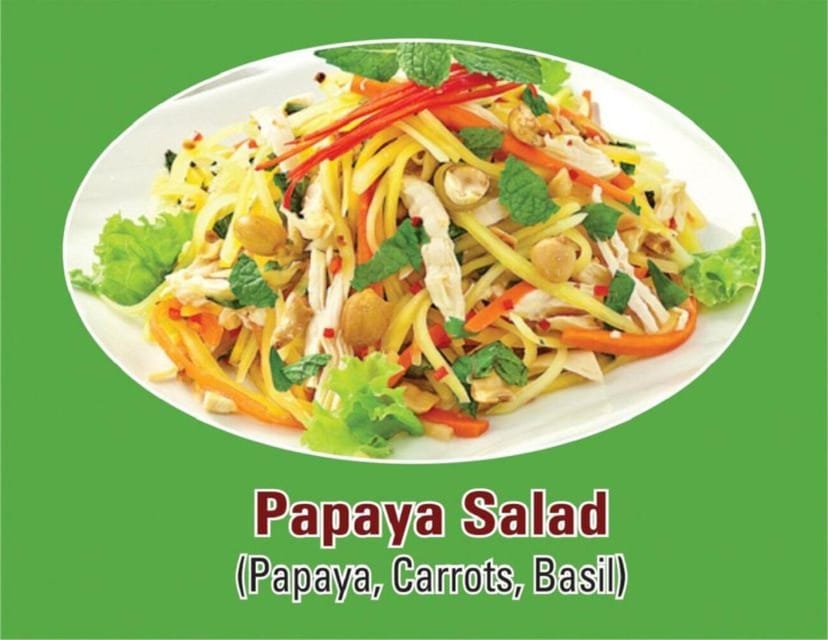
The class teaches four local dishes. The examples you’ll likely see include Hoi An rice pancake, Hoi An spring rolls, and papaya salad. Your chef will walk you through what to prep, how to season, and what textures to look for.
Here’s how these dishes help you learn Vietnamese cooking, not just collect photos:
Hoi An rice pancake: texture and timing practice
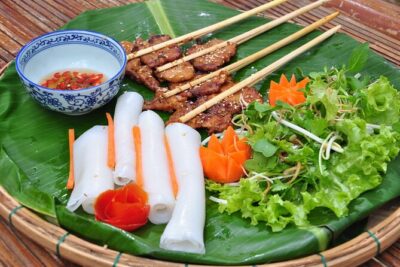
Hoi An rice pancake is a great dish to learn because it’s all about batter thickness, heat control, and timing. Once you understand how the batter should behave and how you know it’s ready, you gain a repeatable technique that shows up in other Vietnamese street foods too.
When you cook this dish, you’re practicing the logic behind Vietnamese flavors:
- balancing salt and freshness
- getting the texture right before you fold or assemble
- not overcooking once the surface sets
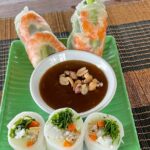
Hoi An spring rolls: building flavor in the filling
Spring rolls feel simple until you try making them. What you learn is how filling flavors should taste before you wrap. Many cooks focus only on frying, but Vietnamese spring rolls start tasting right much earlier, while you’re mixing and seasoning.
Papaya salad: sweet, sour, and crunch
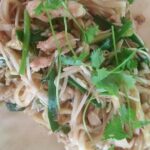
Papaya salad is where Vietnamese cuisine gets its signature punch. You’ll learn how to balance sweet, sour, salty, and fresh crunch. And because papaya salad relies on adjustment, it teaches you a key skill: taste, tweak, and keep going.
The fourth dish: your chance to specialize
The itinerary lists four dishes, but the exact fourth can vary by session and group. You may see plant-based recipes like stir-fry style dishes and tofu options in vegetarian groups. The point is that you’re building a small toolkit of techniques, not just repeating one dish.
Tip: if you’re vegetarian, speak up early about what you do and don’t eat so the chef can adjust ingredients for your preference.
Meal time: eating together after you cook
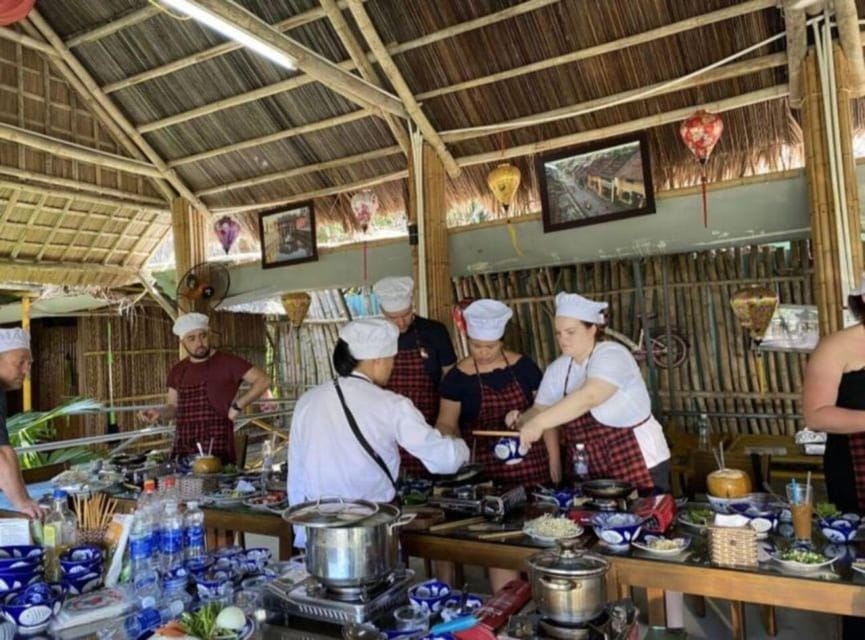
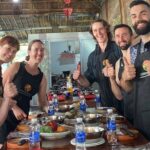
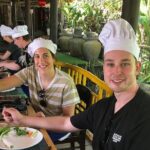
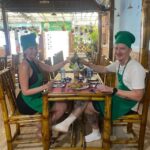
After the lesson, you’ll eat what you made. This part is more than a reward. It’s where the learning clicks.
You share a meal with the group and sample each other’s cooking. That gives you a feedback loop you can use at home. If someone else’s spring rolls look crispier or their papaya salad has brighter flavor, you can ask what they changed and why.
Also, the class atmosphere is often described as smooth and organized, with staff helping with cleanup as you go. That keeps the focus on cooking rather than managing the mess.
Optional basket boat ride: a calm break in Cam Thanh
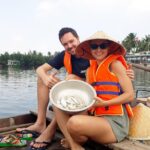
Some booking options include a basket boat ride. If you have it, it works well as a breather between travel and cooking.
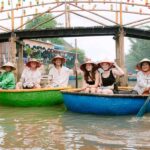
Cam Thanh’s waterways are famously peaceful compared with the main tourist streets. You get a short nature moment where you can reset your brain. If you’re traveling with someone who might not love cooking as much, this ride can be an easy win because it’s relaxing and memorable without requiring a long time commitment.
If you’re booking just the cooking class (no boat ride option), you still get enough time in the coconut village area to feel like you’re not trapped in a classroom.
Vegetarian-friendly without feeling like a compromise
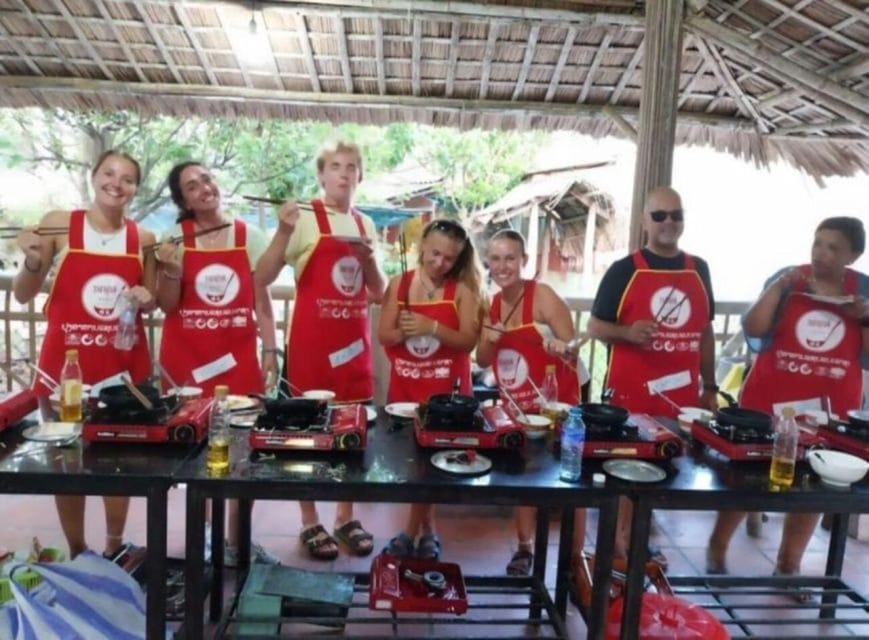
This is a vegetarian cooking class, but the group may still include meat eaters sometimes. The provider says they try to arrange vegetarian participants together, which is ideal because it keeps the cooking experience focused and stress-free.
In practice, what matters most is whether the chef adapts your menu. People have reported that vegetarian participants are catered for well, with tofu showing up as a strong option. That’s exactly what you want: familiar Vietnamese flavors, but plant-based where it makes sense.
If you’re vegetarian and you care about the details, ask before you start:
- whether any dishes share frying oil with meat items
- whether the chef uses vegetarian-friendly seasoning consistently
The good news is that the class structure is set up to handle adjustments, since the chef is actively guiding each group during prep.
Price and value: why $23 can actually make sense
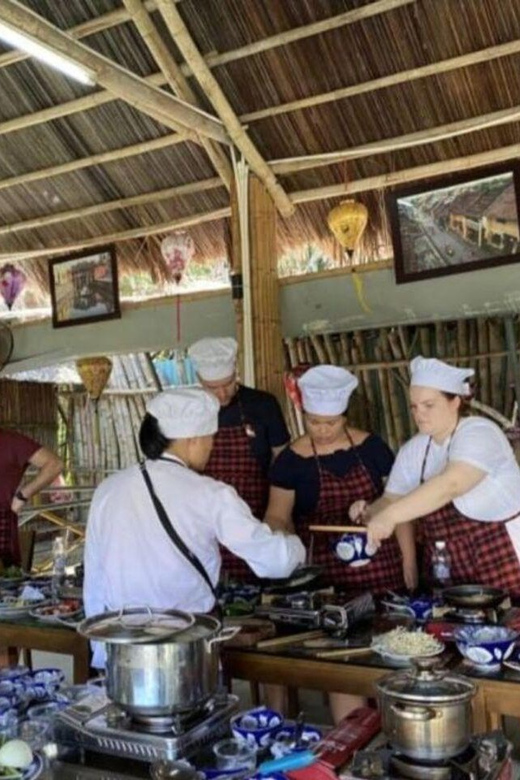
At about $23 per person for a 3–4 hour experience, this class can feel like good value in Hoi An, mostly because it includes more than instruction.
You’re typically getting:
- hotel pickup and drop-off in the old town area if you choose that option
- an English-speaking chef
- all ingredients for the class
- lunch (morning slot) or dinner (afternoon slot)
- and possibly a basket boat ride if you select it
That’s the real math: cooking classes that cost more sometimes only cover the chef’s time. Here, you’re also getting ingredients and a full meal tied to your cooking. When you factor in transport, it tends to compare well with other organized food experiences in town.
One small caution: drinks aren’t included, so if you tend to drink bottled water or soda with meals, budget a little extra.
Timing, what the day feels like, and small-group expectations
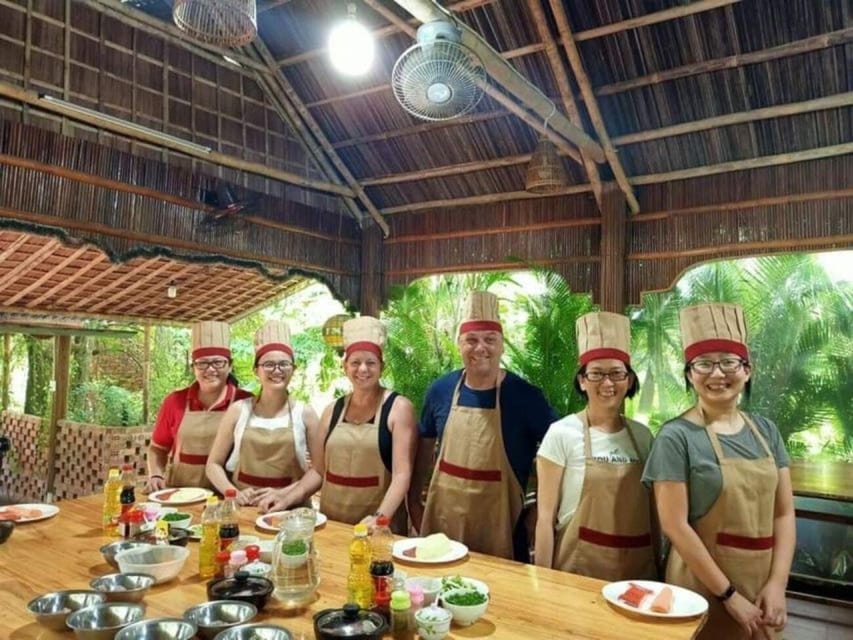
This is not a rushed sprint. The flow goes:
1) pickup/transfer to Cam Thanh coconut village area
2) welcome drink and rest time at the restaurant
3) move into the cooking class
4) cook four dishes with step-by-step guidance
5) eat what you made
6) finish and return to the hotel
Because it’s a small group, it tends to feel interactive instead of performative. In one described session, the group size was small enough that people felt they had individual attention. Even if your group varies, the format is designed to keep you actively cooking rather than watching.
Duration is listed as 3–4 hours, so it fits well on a day when you still want to explore Hoi An after. It’s also a good way to break up a schedule heavy on walking and shopping.
Practical tips: how to show up and enjoy it
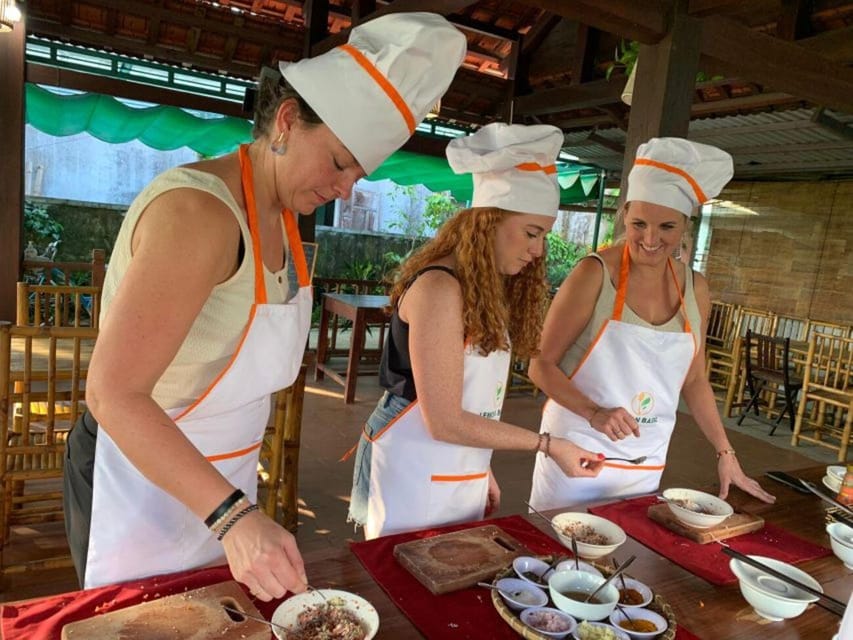
This is where you can make the experience smoother fast.
- Bring bug spray. The cooking/dining area can be outdoors near a river, and bugs are part of the night-time reality.
- Wear light clothing. Some people note the space can get hot, and fans may not always help if there are open flames being used.
- Expect a little walking. The meeting point can involve narrow paths in the area.
- Bring a camera plan. Many instructors take photos/videos during the class, and slow-motion-style cooking moments have been described. Still, you should plan to take your own photos too.
- If you booked transfers, confirm you’re included in the return plan. One person described a mismatch on drop-off timing, even though it worked out using Grab.
Where this class fits best in your Hoi An itinerary
I’d slot this class on a day when you want a hands-on food experience instead of another round of restaurant hopping. It works especially well if you’re:
- vegetarian and want authentic Vietnamese cooking you can reproduce
- curious about how dishes like rice pancakes and papaya salad are built
- trying to learn techniques (texture, seasoning, balance), not just recipes
It also works well if you’re traveling with a friend who eats meat, because the class can be mixed. The provider tries to keep vegetarian participants together, but either way, your chef’s guidance is the key.
Should you book this Hoi An vegetarian cooking class?
Book it if you want a real cooking lesson in Hoi An, not a show. The biggest wins are the step-by-step teaching, the chance to cook four local dishes, and eating together right after you make them. With English guidance and vegetarian adjustments, it’s one of the easier ways to take Vietnamese cooking skills home.
Skip it if you have trouble with outdoor, evening settings near water (bugs and heat can be real). Also note it is not suitable for wheelchair users.
If you’re excited by the idea of coming away able to make Hoi An rice pancake, spring rolls, and papaya salad in your own kitchen, this is a strong choice for your time in Central Vietnam.
FAQ
What dishes are included in the cooking class?
The class teaches four local dishes. Examples given include Hoi An rice pancake, Hoi An spring rolls, and papaya salad. Your chef will guide you through the full set for your session.
Is the class vegetarian only?
It is a vegetarian cooking class, but the group can sometimes include meat eaters. The provider says they try to arrange vegetarian participants together in the same group.
Does the class include hotel pickup and drop-off?
Pickup and drop-off from hotels in Hoi An are included if you select that option.
Where is the meeting point if I’m going on my own?
The meeting point is in a narrow alley next to Villa Hoa Vung in To 5 Hamlet, Vong Nhi, Cam Thanh, Hoi An. The provider also shares a WhatsApp number for easy sharing of the exact location.
How long is the experience?
The duration is listed as 3–4 hours.
Is lunch or dinner included?
Yes. Lunch is included for the morning slot and dinner is included for the afternoon slot.
Is a basket boat ride included?
A basket boat ride is included only if you choose the option that adds it.
What language is the chef instruction?
The class is taught in English.
Are drinks included?
Drinks are not included.
Is the class suitable for children?
Children under 3 years old are free of charge and will not join the cooking. They share services with their parents.
Is the class wheelchair accessible?
No, the activity is not suitable for wheelchair users.