REVIEW · UBUD
Ubud Cooking : All Inclusive Cooking Class
Book on GetYourGuide →Operated by Darsa Tour Indonesia · Bookable on GetYourGuide
Your stomach will start planning the next meal.
In Ubud, this all-inclusive class mixes a morning market walk with hands-on cooking guided step by step, so you’re not just watching. I also like that you make the dishes yourself using fresh local ingredients, and you taste as you go. One thing to consider: the food experience can be more about learning and variety than a full, heavy meal, so you may want to eat something extra before or after.
You’ll be picked up in the Ubud area, then taken to Pasar Pejeng for a quick look at how locals shop for produce and pantry items. After that, you head into the cooking part of the day—where you’ll work on multiple Balinese staples and learn the rhythms behind them. The goal is very practical: leave with recipes you can actually repeat at home.
If you’re the type who likes your Bali experiences hands-on, this fits. It’s also a good match for vegetarians and vegans, and the set-up is designed for you to do the work, not just stand around. The only clear no-go from the details: it isn’t suitable for people with altitude sickness.
In This Review
- Key things you’ll notice right away
- Morning Market to Rice-Field Cooking: How the 5-Hour Day Works
- Pasar Pejeng Market Walk: Buying Ingredients Like Locals
- Cooking Class Setup: Hands-On Balinese Food, Not a Performance
- Paddy Fields and the Open-Air Feel: Why the Setting Matters
- Food You’ll Make: Expect 8 Recipes of Balinese Flavor
- Taste as You Go: The Lunch Question (And How to Handle It)
- Dietary Needs: Vegan, Vegetarian, and Allergy-Friendly Choices
- Price and Value at $24: What You’re Really Paying For
- Pickup and Practicalities: Ubud-Only Stops and What to Bring
- Who This Ubud Cooking Class Is Best For
- Should You Book This Ubud Cooking Class?
- FAQ
- How long is the Ubud Cooking All Inclusive class?
- Is hotel pickup included?
- Do you visit a market during the tour?
- How many dishes will I cook?
- Is the cooking class taught in English?
- What dietary options are available?
- What should I bring, and are there any restrictions?
Key things you’ll notice right away
- Pasar Pejeng market time: see how ingredients get chosen before the stove starts
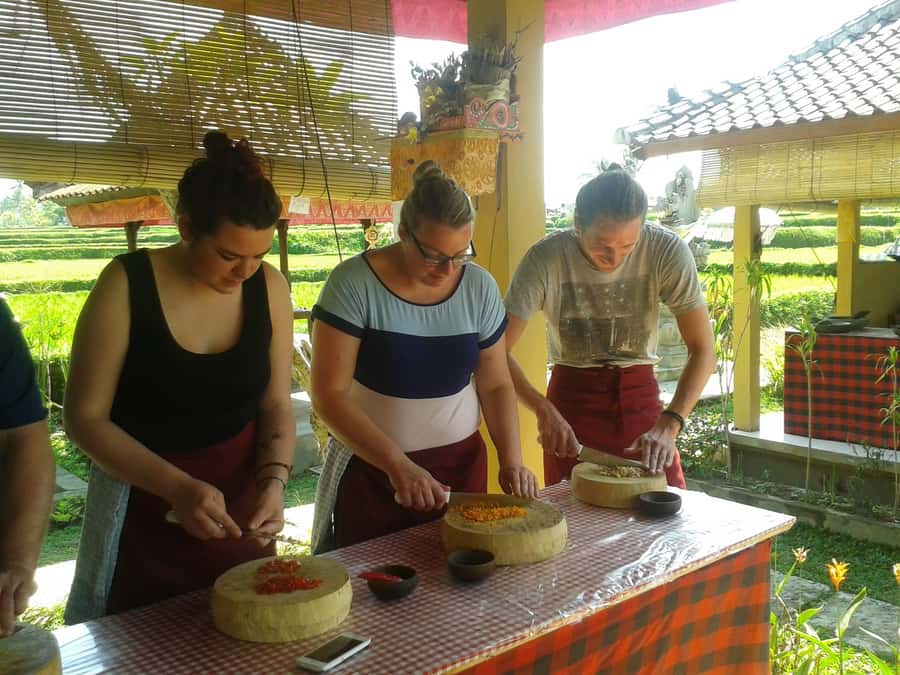
- Hands-on cooking: you make the dishes yourself, with guidance throughout
- Rice-field setting: cooking with the greenery and open-air feel of Ubud
- 8 Balinese signature recipes: learn multiple dishes, not just one hero plate
- Diet-friendly options: vegan/vegetarian cooking is supported
- Take-home recipes: you get a PDF (and it’s also treated like a keepable recipe book)
Morning Market to Rice-Field Cooking: How the 5-Hour Day Works
This is a morning-first experience, built around one simple idea: you’ll understand Balinese food better if you meet the ingredients early. The day runs about 5 hours, starting with pickup in the Ubud area and then moving into the market before the cooking station. It’s paced so you get the story of the food, then the skills to cook it.
The structure helps. Market first means you learn what to look for, and why certain ingredients matter in Balinese cooking. Then the class period turns that knowledge into muscle memory—chopping, mixing, seasoning, and assembling under a chef’s eye.
You’ll spend time at two key places: the market area (about 30 minutes) and then the class kitchen (about 2 hours). In between, you’ll also be guided through the wider compound vibe, including time connected to the rice fields. It’s not just a cooking demo; it’s a morning experience that moves.
You can also read our reviews of more tours and experiences in Ubud.

Pasar Pejeng Market Walk: Buying Ingredients Like Locals
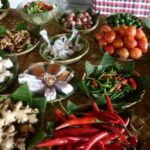
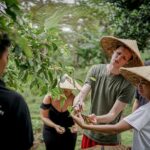
The market visit is short, but it’s aimed at impact. At Pasar Pejeng, you’ll see how people shop—what looks fresh, what goes together, and how common ingredients show up in everyday cooking. Instead of a long tour that feels like sightseeing, this portion is meant to prime you for what you’ll cook next.
You’ll also get to try some local fruit. That might sound minor, but it actually matters for Balinese cooking because fruit and fresh flavor are part of the overall balance on the plate. Plus, the fruit sampling breaks the rhythm after pickup and makes the day feel like you’re already in the local food world.
One practical note: bring cash, because cash is listed as what you should have. If you’re the kind of person who likes buying a snack during market time, you’ll be glad you packed it.
Cooking Class Setup: Hands-On Balinese Food, Not a Performance
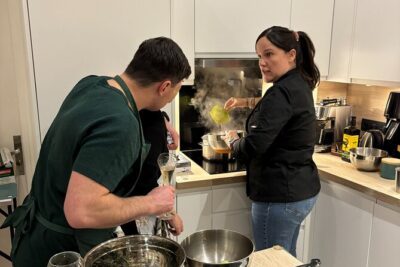
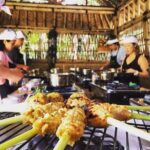
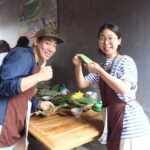
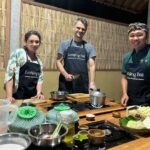
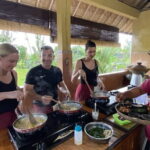
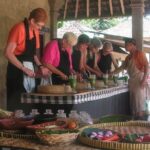
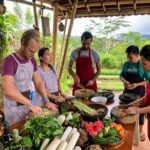
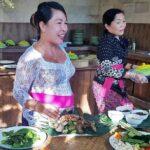
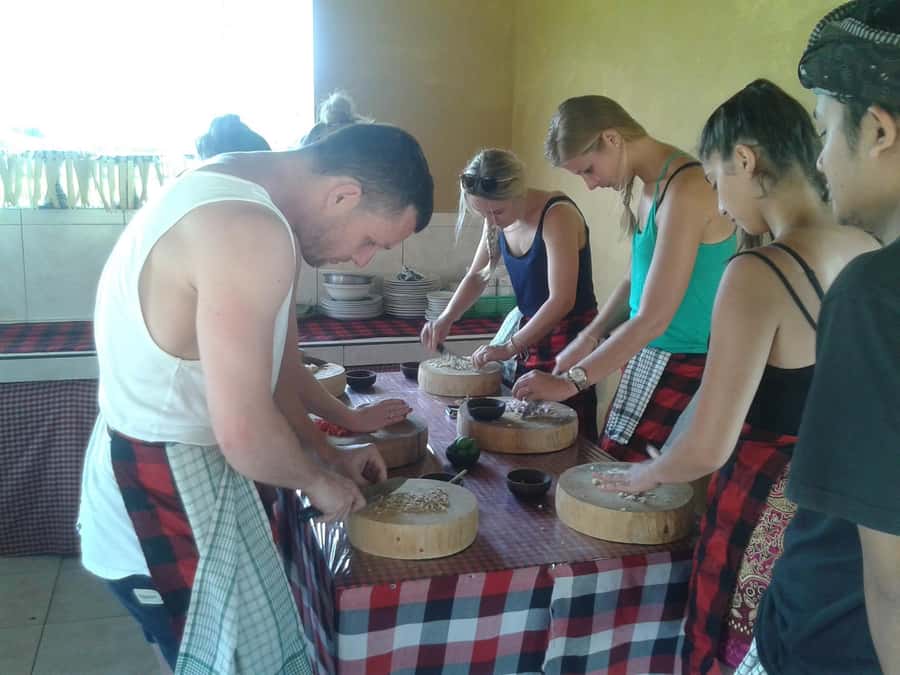
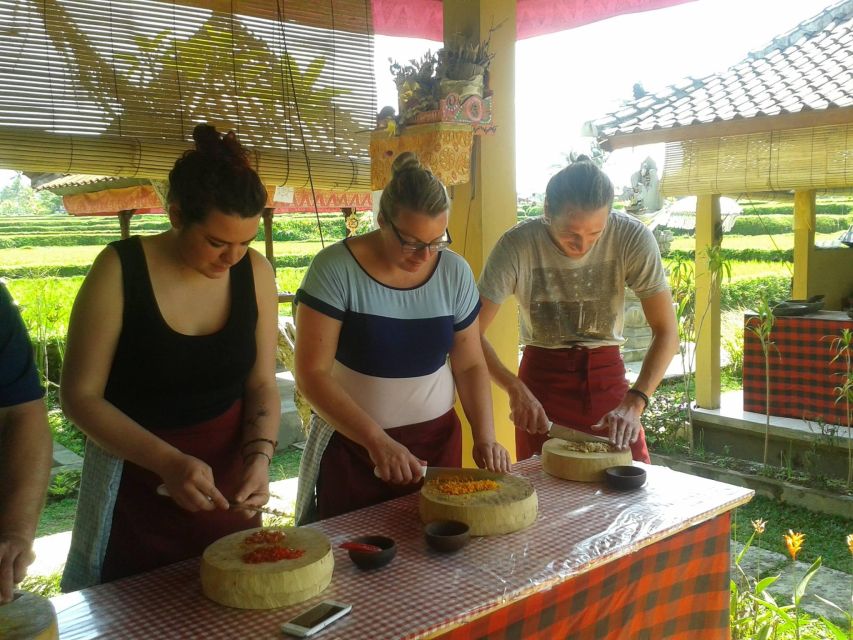
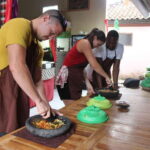
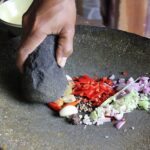
This is the part most people really care about, and it’s also where the class is designed to win. You learn to cook Balinese signature dishes with a local chef guiding you through the process. You’ll work with your hands while instruction stays clear and step-by-step.
The class pacing is meant to keep you from feeling lost. In particular, the guidance style comes up often: the chef is patient, and you’re encouraged to do the work rather than just watch. That turns the session into something you can repeat later, not just a fun morning you’ll forget by next month.
You’ll also be tasting as you cook. That’s a smart move, because Balinese flavor is layered. When you taste along the way, you can understand what the dish is aiming for—salt, heat, aromatics, and balance—rather than waiting for the final plate.
Paddy Fields and the Open-Air Feel: Why the Setting Matters
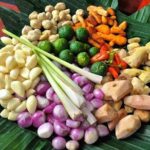
One reason this class gets recommended is the setting. You cook with the greenery and rice-field atmosphere of Ubud nearby, so the day feels more grounded than a kitchen tour in a city.
That setting changes how you experience the work. When you’re chopping and mixing while looking out at the fields, the class feels less like an activity and more like a local routine. Even if you’re not a photo person, the mood does something: it makes you slow down and pay attention to what you’re doing.
If you’re visiting Ubud on a rainy day, this kind of guided cooking plan is also a relief. It gives you Bali flavor without demanding perfect weather. Just know you’re still out and about enough to do a market walk, so sensible rain gear can help.
Food You’ll Make: Expect 8 Recipes of Balinese Flavor
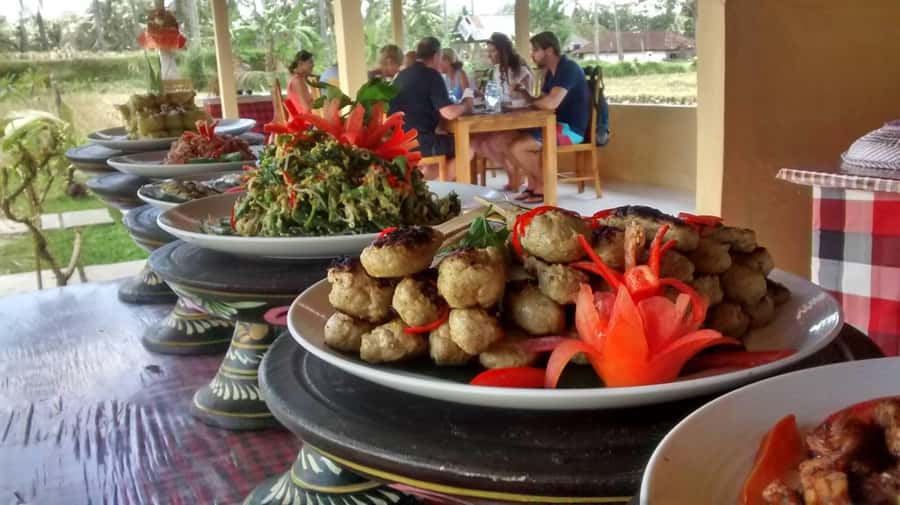
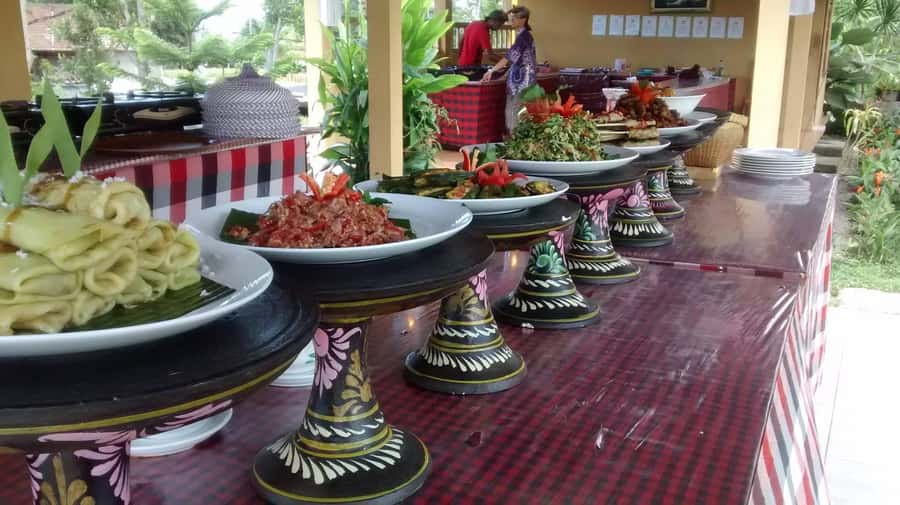
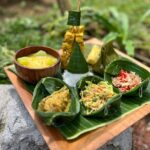
The promise here is learning at least 8 recipes—that’s the headline value. You’ll make menu items yourself, then enjoy them as part of the experience. That’s why the class isn’t just one dish and done; you’ll leave with a variety of ideas for future cooking back home.
Some people describe it as making 6–7 dishes, which makes sense if you think about how classes move in real life. The key takeaway for planning your expectations is this: it’s a multi-recipe session, and you’ll get enough variety to feel you learned more than one technique.
If you like food that’s aromatic and seasoned, this class will fit your taste. It’s not about complicated pastry skills; it’s about getting the flavors right and understanding common Balinese ingredients and how they’re used.

Taste as You Go: The Lunch Question (And How to Handle It)
You’ll taste the food along the way, and the class emphasizes enjoyment while you learn. That said, one consideration shows up clearly: the food may not be a full meal that satisfies you like a restaurant lunch would.
So here’s my practical advice: treat this as a cooking + tasting class first, and a meal second. If you’re hungry before the class, eat something light before pickup. If you know your appetite runs big, plan a proper meal afterward.
This approach keeps the day comfortable. You’ll enjoy the learning because you’re not stressed about being starving, and you won’t feel disappointed if portions are more “tasting and learning” than “big plate and done.”
Dietary Needs: Vegan, Vegetarian, and Allergy-Friendly Choices
If you’re vegetarian, vegan, or have dietary limits, you’ll want to feel encouraged by what’s supported here. The class information includes accommodations for vegetarian and vegan cooking, and the experience is described as catering for those needs.
Allergies can be trickier in many places, but one specific example comes up: a peanut allergy was accommodated. That doesn’t replace good communication, but it does suggest the kitchen is aware of the topic and can adapt.
If you have a serious allergy, this is the sort of experience where being explicit ahead of time is worth your effort. At minimum, make sure the guide understands your needs when the class starts.
Price and Value at $24: What You’re Really Paying For
At $24 per person, this is positioned as budget-friendly for Bali. But the value isn’t only the price tag; it’s what you get in one block of time: market input, a real cooking lesson, multiple recipes, and a take-home reference.
Think about what’s included:
- hotel pickup and drop-off within Ubud
- a guide plus an English-speaking chef/instructor
- market visit (morning option)
- cooking instruction for multiple dishes
- welcome drink
- time connected to the rice fields
- a recipe PDF you can use later
When you break it down, the class is basically buying you access: to local ingredient context, hands-on coaching, and a skill you can repeat. At this price, that’s hard to beat if you like learning by doing.
The one value risk is the food-size issue mentioned earlier. If you’re booking purely for a big meal, you might feel like it’s not enough. But if you’re booking to learn multiple Balinese dishes, it’s a smart use of time.
Pickup and Practicalities: Ubud-Only Stops and What to Bring
Pickup is included, but only in the Ubud area. You’ll see multiple pickup options around Ubud, and the class includes drop-off back to those same kinds of locations. If you’re staying outside the Ubud area, there may be an extra cost.
The class language is English, and that matters a lot for cooking instruction. You want to understand what the chef says, especially when you’re working with seasonings and textures.
What to bring is simple: cash. And there are clear limits: alcohol and drugs aren’t allowed. If you’re sensitive to heat, plan for morning humidity, and wear something you can move and sweat in.
Who This Ubud Cooking Class Is Best For
This class is best for people who want a real Bali food experience without needing to be a foodie expert. It’s perfect if you want the ingredient story (market first) plus the cooking skills (hands-on kitchen time).
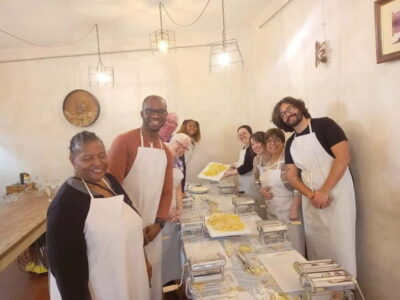
It’s also a great fit for couples or small groups who enjoy learning together. The vibe seems social and fun, and the guide style is often described as patient and amusing, which helps when you’re doing unfamiliar steps.
If you hate long tours, you might like this even more. The market segment is short, the cooking is focused, and you’re guided the whole way. And if you’re visiting with kids or teens, it could work depending on the group, but the details don’t confirm age limits—so you’d want to check before booking.
The one clear mismatch: people with altitude sickness should avoid it, based on the activity notes.
Should You Book This Ubud Cooking Class?
Book it if you want:
- hands-on cooking with a chef who guides the process
- a morning market start that makes the ingredients feel real
- multiple Balinese recipes, plus a recipe PDF to use later
- a class that supports vegan/vegetarian options and can handle at least some allergies with care
Skip it (or plan differently) if:
- you’re mainly chasing a heavy, restaurant-style meal
- you’re staying outside Ubud and don’t want possible extra pickup costs
- you need the experience to be suitable for altitude-related health concerns
My bottom line: for $24, this is a strong value when your goal is to learn Balinese cooking you can actually make again. If you’re curious about the market-to-kitchen connection, this format does that job well.
FAQ
How long is the Ubud Cooking All Inclusive class?
The duration is about 5 hours, including pickup, the morning market stop, and the cooking class time.
Is hotel pickup included?
Yes, hotel pickup and drop-off are included in the Ubud area only. Pickup outside Ubud may cost extra.
Do you visit a market during the tour?
If you choose the morning option, there is a local market visit for about 30 minutes, with ingredient viewing and fruit tasting.
How many dishes will I cook?
You will learn to cook multiple Balinese signature dishes, with the class description stating at least 8 recipes.
Is the cooking class taught in English?
Yes, the instructor guides the class in English.
What dietary options are available?
The class is described as accommodating vegan and vegetarian cooking, and it has experience with at least one peanut allergy.
What should I bring, and are there any restrictions?
Bring cash. Alcohol and drugs are not allowed.