REVIEW · NEW DELHI
Indian Cooking Class in an Authentic Local Home – Learn 6 Dishes
Book on Viator →Operated by Explore Real India · Bookable on Viator
A home cooking class in Delhi feels more personal than a studio course. You’ll learn core North-Indian techniques in a family kitchen, starting from spices and building up to a complete meal you eat together. I especially like the small size, which makes questions easy, and the clear focus on how your host’s family cooks—spice by spice, method by method. One thing to consider: this is a real home setting, so the experience depends on how the day’s group and menu come together.
Plan for about 2.5 hours and a full meal rhythm (coffee/tea, then lunch and dinner). The cap is small—advertised as max 8, with the broader limit listed as up to 10—which usually means more time at the counter and less time watching from the side.
In This Review
- Key highlights worth circling on your Delhi map
- A Family Kitchen in Greater Kailash: Finding R-142 and Settling In
- How the 2.5-Hour Class Really Works: Small Group + Real Food Flow
- The 6 Dishes You’ll Cook (Plus a Likely Bonus): Bread, Curry, Rice, Dessert
- Spices and Technique: What You Learn Beyond the Recipe Card
- Eating Together: Lunch, Dinner, and the Part Most People Underestimate
- Price and Value: Is $50.22 Fair for a Delhi Home Feast?
- Who Should Book This, and Who Might Want Another Option
- Practical Tips Before You Go (So You Get the Full Benefit)
- Should You Book This Delhi Cooking Class?
- FAQ
- What is the duration of the Indian Cooking Class?
- Where do I meet for the class in New Delhi?
- How many dishes will I learn to cook?
- Is the class suitable for vegetarians and non-veg eaters?
- What’s included in the price?
- What’s the group size?
Key highlights worth circling on your Delhi map
- R-142 Greater Kailash-1 meeting point: specific address, easy to orient once you’re there
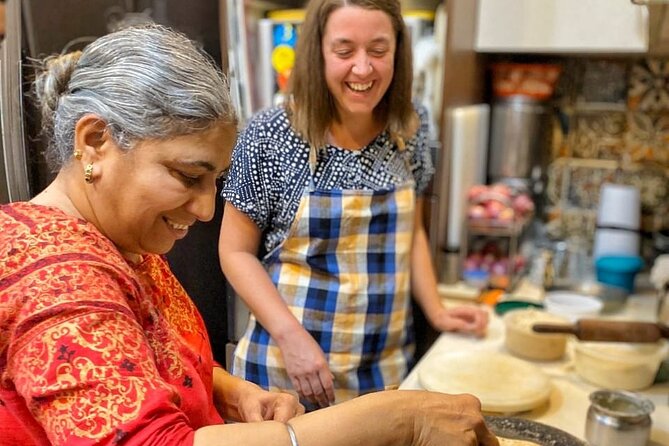
- Hands-on cooking in an actual family kitchen (not a demo studio)
- Spice-led lessons: you learn what spices do and why the method matters
- A full feast: main dish, rice dish, breads, plus dessert, often 6 dishes and sometimes a 7th item
- Small group vibe: max 8 marketed, max 10 listed, so conversations stay friendly
- Air-conditioned comfort plus restroom facilities
A Family Kitchen in Greater Kailash: Finding R-142 and Settling In
The whole experience starts with a very concrete meeting point: R-142, Greater Kailash-1, Block R (part-1), New Delhi (110048), at Bindra’s House. That matters in Delhi, where “near X” can sometimes be a scavenger hunt. Here, you’re given an address and the tour says it ends back at the same meeting point, so you’re not trying to figure out a second pickup.
Once you arrive, expect a warm start that feels like you’re being welcomed into a household routine. The kitchen setup is described as spotless and well-prepared, and the space is fully air-conditioned with restrooms available. You’ll also get coffee and/or tea and bottled water as part of the class.
This is also a neighborhood you’ll recognize if you’ve been exploring south/central Delhi—Greater Kailash-1 is the kind of area where rides don’t feel chaotic, and it’s easier to use public transportation if you prefer that route. The tour notes it’s near public transportation, which helps if you don’t want to rely on cars for everything.
You can also read our reviews of more tours and experiences in New Delhi.
How the 2.5-Hour Class Really Works: Small Group + Real Food Flow
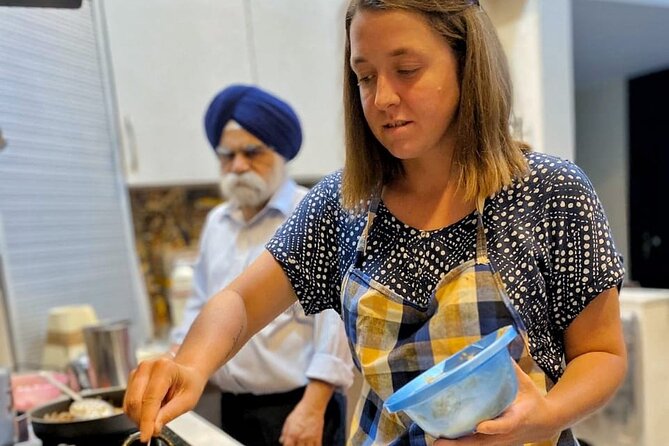
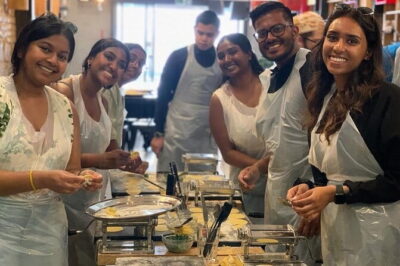
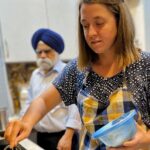
The schedule runs about 2 hours 30 minutes. In that time, you’re not just learning recipes on paper. You’re doing the work: chopping when it’s necessary, cooking when it’s time, and tasting along the way so the flavors make sense.
The group size is part of the value. The experience is marketed as an intimate class with max 8, and the broader cap is up to 10 travelers. Either way, you should expect a more interactive setting than the big-bus cooking tour model. With fewer people, hosts can correct technique without turning the class into a lecture.
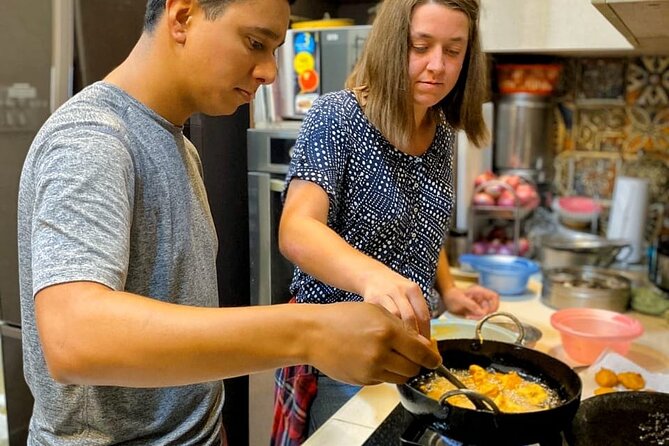
You’ll cook as a group, but also as individuals—meaning you’ll actually handle ingredients and learn the steps. One review even highlights that the host focused on spicing and techniques, including the idea that you don’t waste time doing unnecessary prep. That’s practical: if the right method is roasting spices or timing a tempering step, you’ll learn that process rather than just laboring on chopping.
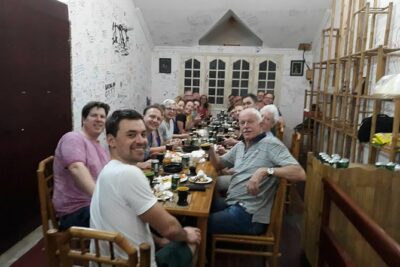
At the end, you sit down to enjoy what you made as a shared family-style meal. The tour describes a closing moment where you come together to savor the dishes and talk about traditions and cultural insights around food. That conversation piece is where the cooking turns into context, not just instructions.
The 6 Dishes You’ll Cook (Plus a Likely Bonus): Bread, Curry, Rice, Dessert
The tour is described as learning 6 dishes, but the cooking experience is often talked about as producing 7 wonderful dishes. Rather than treating that as a mistake, think of it like this: menus and portioning can vary by the day, the group, and what the family decides fits best. What stays consistent is the meal structure.
Here’s the structure the tour repeatedly points to:
- One main dish
- One rice dish
- Breads (the overview mentions three types, while one highlight list mentions two types—either way, expect multiple bread styles)
- A dessert
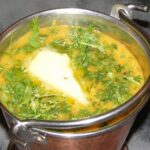
If you want examples of what’s been taught, reviews give useful clues. People specifically mention dals and pratha (so you’re likely to see a lentil curry and a stuffed or layered bread style). They also mention a dessert like rice pudding. Another review talks about learning a base for rice, roasted elements, and bread variants, which suggests you’ll come away understanding patterns you can reuse rather than memorizing one narrow recipe.
So what should you expect in your hands-on session?
- You’ll work with core North-Indian building blocks: spice mixes, tempering/timing ideas, and bread dough or bread-cooking technique.
- You’ll assemble a complete meal set, not just one impressive dish.
- You’ll leave with recipes and technique knowledge you can adapt at home.
If you’re vegetarian, there are vegetarian options listed. Non-veg is also offered, so the menu can vary. The best plan is to tell the operator your preference at booking (or follow whatever instruction you receive upon confirmation) so the family can set up the right dishes for your group.
Spices and Technique: What You Learn Beyond the Recipe Card
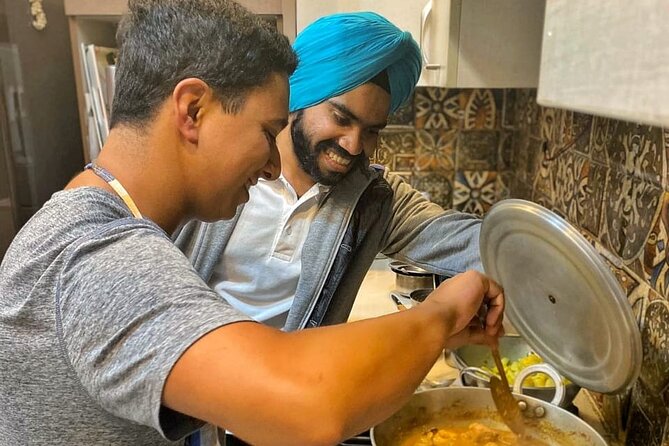
This class doesn’t treat spices as magic dust. It treats them like instruments with jobs. The tour emphasizes that you start from each ingredient and spice, and you learn how traditional methods shape flavor and aroma.
In practical terms, that usually means you’ll learn:
- how to balance spices so they don’t just taste hot, they taste layered
- why certain spices go in at certain times
- how cooking technique changes the end result (texture, aroma, and even the way food smells in the kitchen)
One review highlights how the host was patient and explained not only how to cook, but why a particular method was best. That is exactly what makes this class useful back home. Recipes are easy to copy online. Technique is harder. When you understand the purpose behind a step—roasting, blooming, tempering, resting, simmering—you can troubleshoot when your pantry, altitude, or stovetop doesn’t match the teacher’s kitchen.
There’s also a helpful learning pattern in the reviews: you’ll learn a base method and how it turns into variations. One person notes a focus on learning bases for rice, roasted components, and bread variants. That’s a huge win if you want to keep cooking after the class ends. Instead of six isolated recipes, you can think in building blocks.
Eating Together: Lunch, Dinner, and the Part Most People Underestimate
The class includes lunch, dinner, coffee and/or tea, and bottled water. That signals something important: you’re not just paying for instruction—you’re paying for the whole experience of preparing and then eating a full meal, right where it’s made.
It also keeps the learning honest. When you taste what you cooked right after finishing it, you instantly know if you nailed the spice balance, bread doneness, and rice texture. You can ask questions in real time, not hours later at home.
Expect the meal to be served family-style at the end, with lively discussion. The tour specifically describes a closing where you savor the dishes together and share cultural insights about India. That social piece is part of the “why this feels special” theme in the feedback—especially for solo travelers, who can worry about feeling awkward in a group. The class is set up to feel safe and welcoming in a home environment, and the group is small enough for you to actually talk.
Also: because the experience is in an air-conditioned home setting with restrooms, you won’t feel like you’re spending your whole day waiting outside or scrambling for comfort. Food classes often forget the basics. This one seems to cover them.


Price and Value: Is $50.22 Fair for a Delhi Home Feast?
At $50.22 per person, this is not the cheapest thing you’ll do in Delhi—but it also isn’t priced like a luxury cooking show. The value comes from what you get for that time:
- a hands-on class in a family kitchen (not a quick demo)
- a complete meal that includes lunch and dinner, plus tea/coffee and water
- small group interaction (max 8 or up to 10)
- technique and spice logic you can reuse at home
Let’s be blunt: paying for cooking instruction alone in many cities can cost more than this. Here, the instruction is paired with eating what you made, and the setting is an actual home kitchen. That combination is usually where the price feels fair.
If you’re the type who likes learning one or two standout dishes, you might not feel the full value. But if you’re excited to cook multiple parts of a meal—spice work, bread, rice, and dessert—then this price makes sense fast.
Who Should Book This, and Who Might Want Another Option
This class is a good match if you:
- want an authentic local home experience rather than a restaurant-style class
- like small groups and conversations with your hosts
- enjoy North-Indian cooking and want practical spice and technique guidance
- want vegetarian and/or non-veg options (the tour lists both)
It’s especially appealing for solo travelers. One review calls out that they felt at ease and that everything felt relaxed and hygienic. The class also helps you meet people without the pressure of sightseeing crowds.
You might choose something else if:
- you want a strict, predictable menu every single time with exact dish names listed in advance (this tour provides structure, but the detailed dish list can vary—6 dishes are typical, and some days run closer to 7)
- you prefer a fully commercial classroom vibe with lots of written materials (this is more family-kitchen and technique-led than lecture-led)
- you’re sensitive to the fact that it runs in a real home, so pacing and setup depend on the household flow
One more consideration: the tour notes it requires good weather. That’s usually about getting to the meeting point and keeping the schedule smooth, so don’t ignore forecast conditions.
Practical Tips Before You Go (So You Get the Full Benefit)
- Arrive at the meeting point on time. The meeting address is precise, so you can plan for that rather than guessing.
- Bring a curious mindset about spices. If you pay attention to the “why” behind steps, the class will stick with you.
- Be clear about dietary preference at booking. Vegetarian and non-veg options are mentioned, but the menu will need to fit your group.
- Use the included food time. Eating what you cooked helps you learn faster than just taking notes.
- Plan for a dinner ending. Since dinner is included, you likely won’t need a separate evening meal afterward.
Should You Book This Delhi Cooking Class?
If you want a real local home cooking experience in New Delhi, this is an easy yes. The reasons are simple: you get hands-on cooking, a complete meal you eat together, and spice/technique teaching that’s built for results at home—not just photos.
Book it if you like North-Indian flavors, enjoy breads and curries, and want to leave with more than a recipe list. The small group size helps a lot, and the family setting makes the experience feel welcoming rather than transactional.
Skip or compare if you’re looking for a completely fixed list of dish names and exact timings down to the minute. This is a family kitchen class with a structured meal outcome, and the day’s menu can shape the final count.
FAQ
What is the duration of the Indian Cooking Class?
The class runs for approximately 2 hours 30 minutes.
Where do I meet for the class in New Delhi?
The meeting point is R-142 Gk-1 Bindra’s House, located in Greater Kailash-1, Block R (part-1), New Delhi, Delhi 110048.
How many dishes will I learn to cook?
The experience is described as learning 6 dishes, and some participants mention preparing 7 dishes on the day. You’ll also be guided through a full meal including a main dish, a rice dish, breads, and dessert.
Is the class suitable for vegetarians and non-veg eaters?
Yes. The experience mentions that there are vegetarian and non-veg options, so there’s something for different preferences.
What’s included in the price?
Included are lunch, coffee and/or tea, bottled water, and dinner. Gratuity is not included.
What’s the group size?
It’s kept small. The overview highlights a maximum of 8 participants, and additional information lists a maximum of 10 travelers.