REVIEW · NEW DELHI
New Delhi: Indian Cooking Class in a Local Home
Book on GetYourGuide →Operated by Explore Real India · Bookable on GetYourGuide
Cooking in someone’s home teaches more than recipes. This small-group Delhi class turns spices, timing, and bread-making into real skills you can use at home. You’ll work in a family kitchen with JD and Bindra, not a big production line.
Two things I really like: you cook a full meal (curries/rice/breads/dessert) and you learn the why behind the flavors, especially spice timing and finishing steps. The format is also friendly and un-rushed, with a warm welcome and a proper sit-down to eat what you made. One thing to consider is that it’s in a private home with a specific meeting address, so you’ll want to arrive on time and be comfortable in a casual, local setting.
In This Review
- Quick Hits Before You Go
- Entering The GK-1 Home Kitchen: Meeting JD and Bindra
- The Menu You’ll Cook: Curry, Rice, Breads, and Dessert
- Main dish: curry that’s built in steps
- Rice: more than a side
- Breads: multiple versions, real hands-on practice
- Dessert: the sweet finish
- Spices and Timing: How Flavor Actually Gets Built
- How the Class Works Moment by Moment (Without the Studio Feel)
- Bread and Curry Skills You Can Actually Repeat at Home
- Price and Value for $47: What You Get for Your Money
- Who This Class Suits Best in New Delhi
- A Few Logistics You’ll Want to Plan For
- Should You Book This Delhi Home Cooking Class?
- FAQ
- What dishes will I cook in the class?
- How long is the cooking class?
- What language is the guide teaching in?
- Is the group size small?
- Is food and drink included?
- What should I know about what’s included versus not included?
Quick Hits Before You Go
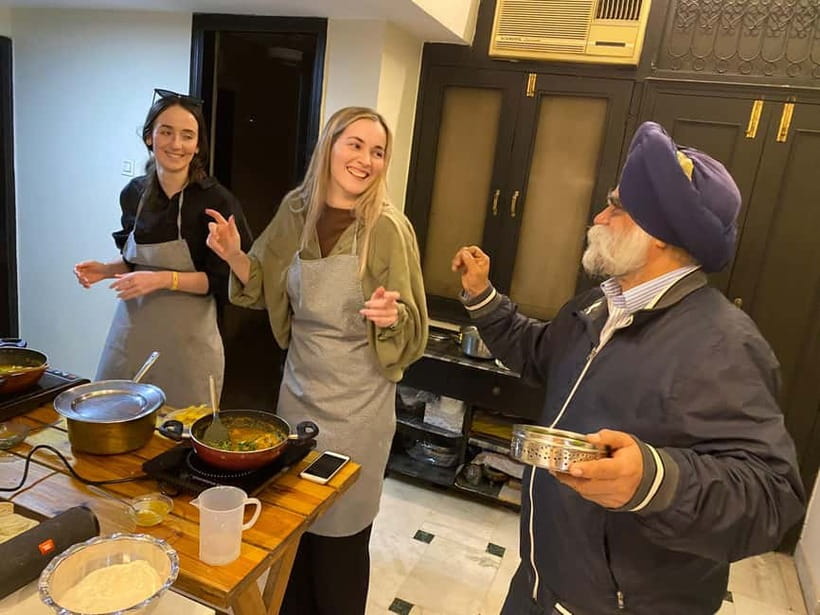
- A full home meal in 2.5 hours: main dish, rice, multiple breads (often several versions), plus dessert.
- Spice lessons that match what you’re cooking: you learn what changes flavor and aroma, and when to add key spices.
- JD and Bindra teach like a family: English support (plus Hindi/Punjabi) and clear step-by-step guidance.
- You eat together at the end: conversation and cultural context are part of the experience, not an afterthought.
- Comfort basics covered: the space is air-conditioned with restroom facilities.
- Small group size: limited to 10 participants, so you’re not shouting over a crowd.
Entering The GK-1 Home Kitchen: Meeting JD and Bindra
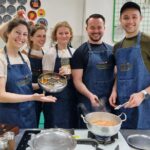
This class is set up around one idea: real cooking happens in a lived-in kitchen with family rhythms. You’ll meet at R-142 GK-1, Bindra’s House, then get settled before you start cooking. The vibe is welcoming and informal, and that matters because it makes questions feel normal.
JD is the main guide in English, and his father Bindra is part of the teaching and hospitality. From the way they run the session, you can tell they’re comfortable with mixed skill levels. Even if you cook a lot at home, you’ll still pick up technique and pacing from how they explain each step.
One practical note: because it’s a home, there’s less “tourist structure” than in a culinary studio. You’ll want to treat it like a visit—be ready to roll up sleeves, follow instructions, and keep things moving so everyone gets hands-on time.
You can also read our reviews of more tours and experiences in New Delhi.
The Menu You’ll Cook: Curry, Rice, Breads, and Dessert
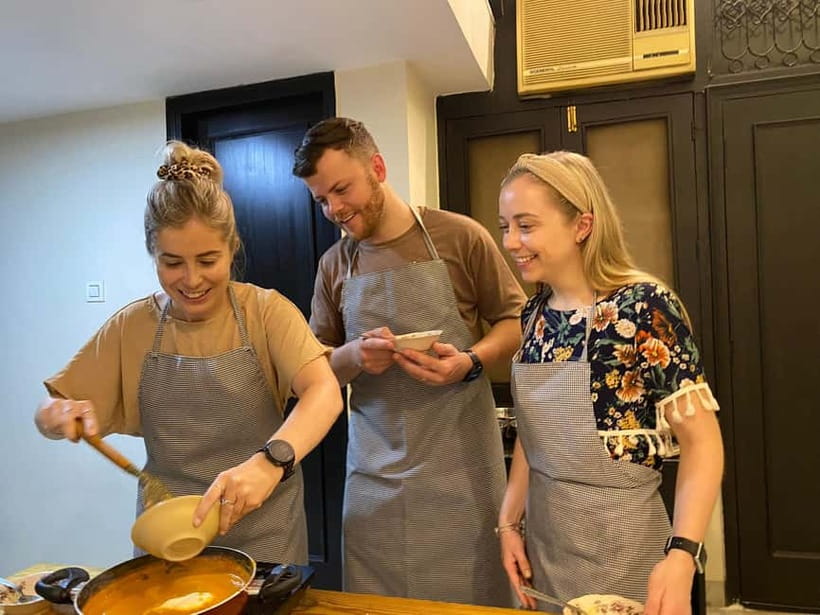
The goal is straightforward: you leave having cooked a full Indian meal, not just a single dish for photos. The session centers on one main dish, one rice dish, several breads, and a dessert. In practice, different days may shift the exact set of dishes, but the pattern stays the same.
Main dish: curry that’s built in steps
A curry is usually the centerpiece. You may work on a chicken curry or a vegetarian curry, and the class often includes more than one curry option depending on the group. What stands out is that the cooking is done in stages, with instruction at each stage so you understand what each phase is supposed to do.
One of the clearest examples from the class flow is the final flavor boost—adding two finishing spices at the end. That’s the kind of detail that changes everything at home, because it explains why restaurant curry tastes more layered than “just spices cooked in.” You don’t have to memorize jargon; you learn what the finishing step is supposed to accomplish.
Rice: more than a side
The rice dish isn’t treated as filler. You’ll learn how the rice is cooked so it tastes distinct, not like plain filler. Several sessions include dishes like lemon rice, or a richer rice dessert depending on the menu that evening.
Breads: multiple versions, real hands-on practice
Bread-making is a big part of the experience. Expect to work on dough and learn techniques for typical Indian breads—often multiple versions. If you’re used to flatbreads from a package or a pan, this is where the class changes your expectations. The bread session tends to feel practical and satisfying because you’re shaping and working with dough, not just watching.


Dessert: the sweet finish
Dessert is part of the cooking and the final meal. One common pairing is a rice pudding style dessert, which fits neatly after the rice lessons you already practiced.
Spices and Timing: How Flavor Actually Gets Built
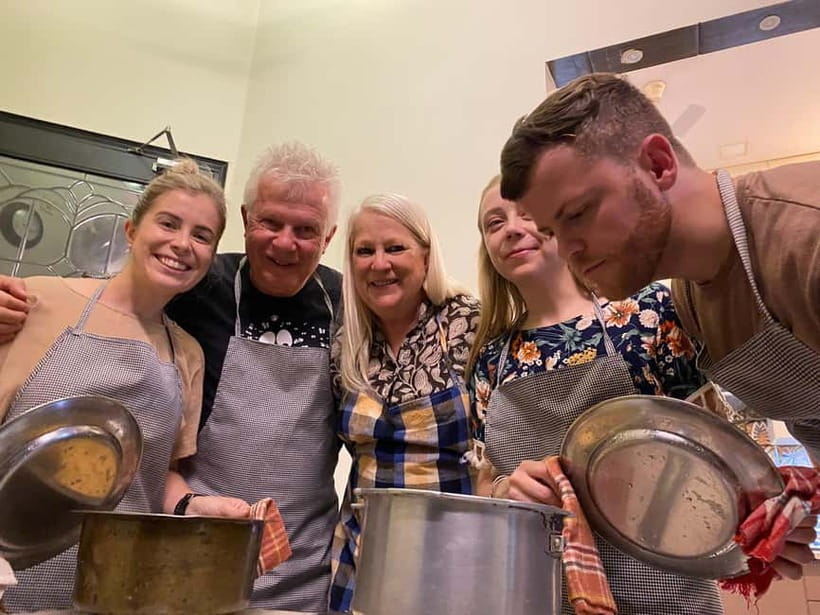
If you’re hoping to learn Indian cooking as a skill, this class focuses on spices in context. Not just what’s in a spice mix, but what each phase is doing while the dish cooks. The biggest value is that spices are explained as tools for flavor and aroma, with clear timing.
Here’s what that looks like in real life:
- You learn how spices behave when heated versus when added later.
- You get instruction on small choices that add depth rather than forcing heat.
- You taste along the way so the lesson is connected to reality.
A major theme in the class style is explanation plus tasting. Instead of telling you to trust a recipe blindly, JD and Bindra walk you through why a step matters, then you sample the result before the final adjustments.
This is also where the class feels unusually “usable.” At home, the hardest part isn’t finding spices. It’s knowing what to do when, and why the final flavor might taste flat if you skip a late-stage addition. That’s exactly what this session teaches.
How the Class Works Moment by Moment (Without the Studio Feel)
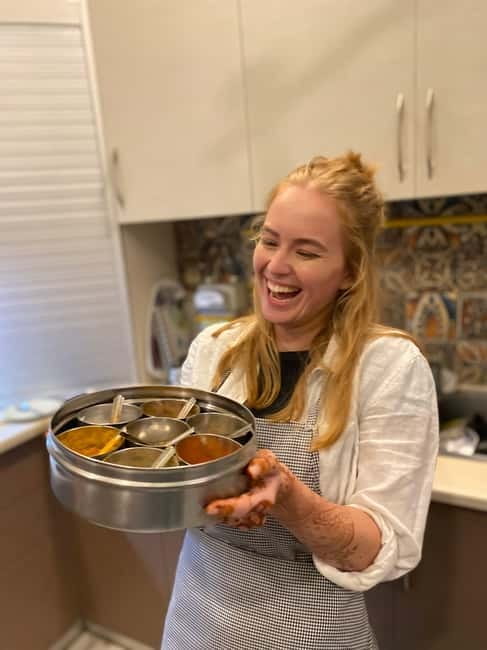
You won’t spend the 2.5 hours doing trivia. The structure is built around short teaching moments followed by hands-on cooking. When you arrive, you typically start with introductions and a drink—often masala chai, plus tea or water throughout.
In some sessions, you might also be offered a small snack with the chai. The takeaway isn’t the snack itself—it’s the welcome process, which sets the tone for the rest of the class. After that, spices are set up in advance so you can focus on learning the method rather than measuring from scratch.
Then it becomes a coordinated kitchen workflow. Different ingredients move at different speeds, so you’ll likely cook multiple components at once: curry steps here, rice timing there, and bread dough work as needed. The lesson pacing is built so you’re not waiting around for someone to finish everything first.
One detail I appreciate is that you’re not just “doing chores.” Even when tasks are simple—like handling dough or managing rice—you get reasoning. That makes the skills stick.
Bread and Curry Skills You Can Actually Repeat at Home
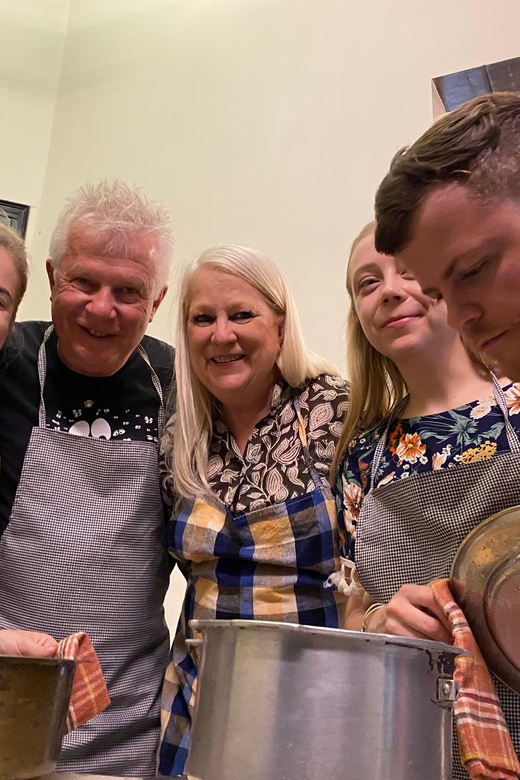
A lot of cooking classes teach you to follow instructions. This one aims to teach you to recreate outcomes.
For curry, the transferable skill is the build: how the base develops, how spice phases work, and what the finishing spices do to the end result. You also learn how to read the cooking flow so you can stay on track at home without constantly hovering.
For bread, the repeatable skill is handling and timing—working the dough and shaping it in a way that turns into the right texture when cooked. Even if your home kitchen isn’t identical to Delhi, learning the method helps you adapt without guessing.
At the end, you don’t just walk out with a meal you paid for. You walk out with confidence and a set of recipes. Multiple participants note that recipes are provided, which turns the class from a one-off event into a future cooking plan.
Price and Value for $47: What You Get for Your Money
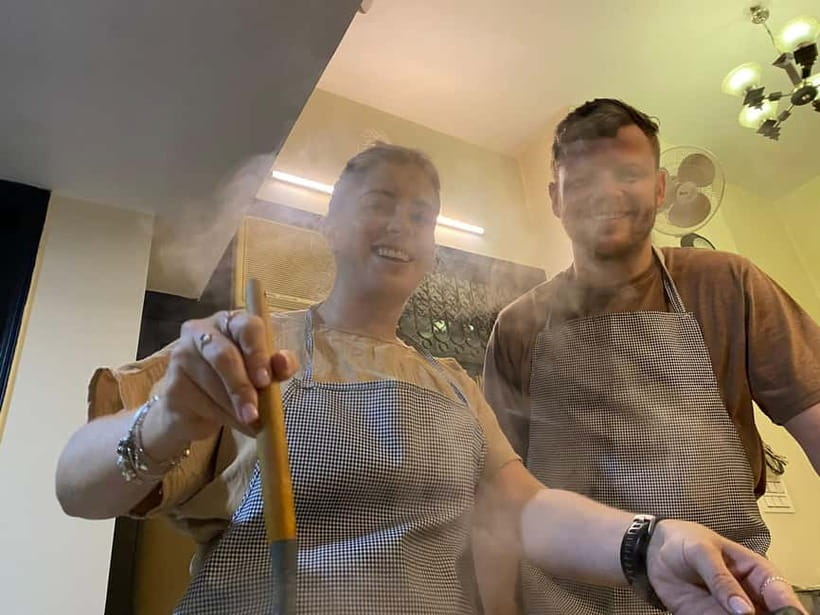
$47 for 2.5 hours in a private home sounds simple until you list what’s included. You’re paying for:
- The host and live instruction
- Ingredients
- All the food you cook and eat
- Tea or water
That’s already strong value. But the better way to judge it is by what you leave able to do. With a class like this, you’re not paying to taste one dish—you’re learning how to make several parts of a complete Indian meal. One curry plus rice plus breads plus dessert gives you more than a single “dinner outcome.” It gives you a repeatable framework.
Also, the small group size matters here. With up to 10 participants, you’re more likely to get the kind of hands-on coaching that prevents mistakes. In cooking, the difference between average and great is often one timing call. This setup gives you more chances to get those calls right.
Who This Class Suits Best in New Delhi
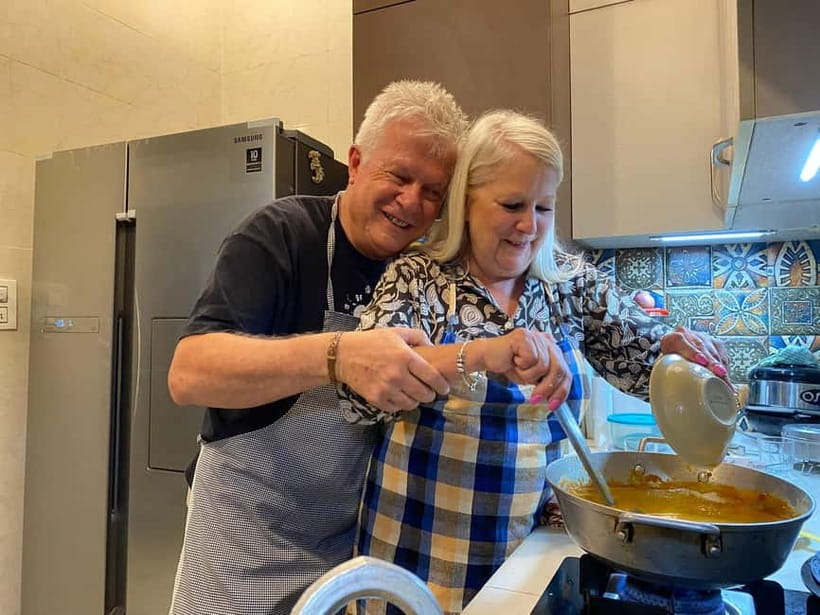
This is a great fit if you want food learning with a social heart. If you’ve already eaten your way through Delhi’s street food and casual restaurants, this gives you something new: how the flavors are built and why they taste the way they do.
It’s also good for:
- Beginners who want simple explanations and tasting feedback
- Intermediate cooks who want spices and technique explained clearly
- Solo travelers who like meeting people in a relaxed setting
- Couples or small friend groups who want a shared activity
If you’re the type who gets nervous in very “hands-on” settings, this class might still work because JD teaches in a step-by-step way. Just be ready to participate, not spectate.
A Few Logistics You’ll Want to Plan For
Because the meeting point is a private home, you’ll want to find R-142 GK-1 Bindra’s House carefully and arrive on time. Comfortable shoes help—kitchens can be active spaces even when the session is well managed.
If you’re thinking about transport, know that personal expenses like metro tickets or Uber are not included. Plan your ride so you can focus on cooking rather than rushing at the end.
The good news: the space is air-conditioned with restroom facilities, so you’re not battling Delhi heat while you learn.
Should You Book This Delhi Home Cooking Class?
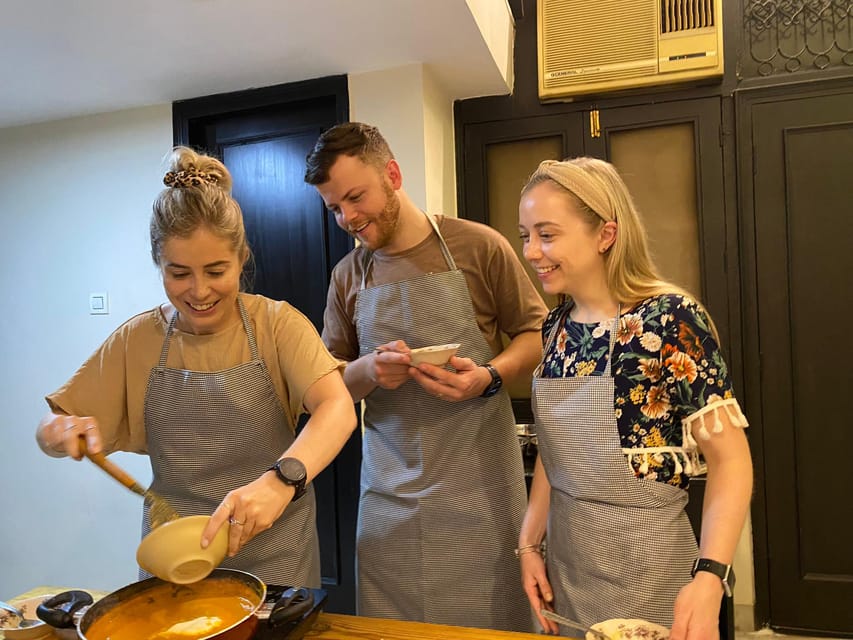
I’d book it if your goal is to learn more than one recipe. The real win here is the combination of hands-on meal cooking and the explanations that connect spice choices to flavor results. You’ll come away with techniques you can repeat, plus a friendly relationship with the people behind the food.
I’d skip it only if you strongly prefer restaurant-style dining over participating in cooking. This class is active by design. If you want to watch from a chair and do minimal work, you won’t get the full value.
FAQ
What dishes will I cook in the class?
You’ll prepare a complete Indian meal that includes a main dish, a rice dish, breads (often multiple versions), and a dessert.
How long is the cooking class?
The experience runs for 2.5 hours.
What language is the guide teaching in?
The live guide can teach in English, Hindi, and Punjabi.
Is the group size small?
Yes. It’s limited to 10 participants.
Is food and drink included?
Yes. The meal you cook and eat is included, along with ingredients and all drinks like tea and water.
What should I know about what’s included versus not included?
Included is the host, the meal you cook, ingredients, all food, and drinks like tea and water. Not included are personal expenses like metro or Uber, and your travel and medical insurance.