REVIEW · NEW DELHI
New Delhi: Traditional Indian Cooking Class & Market Visit
Book on GetYourGuide →Operated by Curry Craft Kitchen Studio · Bookable on GetYourGuide
Spices here explain the whole menu. You start with a local market visit and then cook a full meal with Lubna’s spice-mixing lessons.
What I love most is the relaxed home vibe: you cook in Lubna’s kitchen, then sit at the family table, sometimes with Sheikh joining in. One thing to watch is that there’s no hotel pickup, so you’ll plan your own way to the house near Ashram metro.
In This Review
- Key highlights at a glance
- Why this Delhi cooking class feels different
- Finding the home fast: Ashram metro to the HP petrol pump
- The market visit: how you shop for flavor in 90 minutes of real life
- What to keep in mind during the market stop
- Chai welcome and the haveli kitchen setup
- What you’ll cook: your menu includes mains, breads, and rice
- The real value: you learn the techniques behind the dishes
- Spice lessons you can actually use at home
- Bread, rice, and the learning curve that’s worth it
- Eating together: the family table part that makes it memorable
- Customization and dietary needs: Lubna adapts, not just substitutes
- Timing, start times, and the breakfast option trade-off
- Logistics and what you might pay for yourself
- Price and value: what $43 buys you in real skill, not just food
- Is it worth booking? A clear decision guide
- FAQ
- How long is the New Delhi Traditional Indian Cooking Class & Market Visit?
- What time does the class start?
- Is the local market visit included?
- What is included in the price?
- Do I need hotel pickup or drop-off?
- Where is the meeting point, and how do I find the home?
- Can I request vegetarian options or specific dishes?
- Can the host adapt for dietary restrictions?
- Is the class taught in English, and is it a private group?
- Is the activity wheelchair accessible?
Key highlights at a glance
- A real local market run just 10 minutes from the usual tourist drag, with stalls for produce and spices
- Spice education tied to your menu so you understand aroma, heat, and balance—not just memorizing recipes
- Hands-on cooking across a full plate: 3 main dishes, 3 bread types, and 1 rice dish, plus chai and tea/water
- Menu customization based on what you want to cook, including vegetarian options and specific dish requests
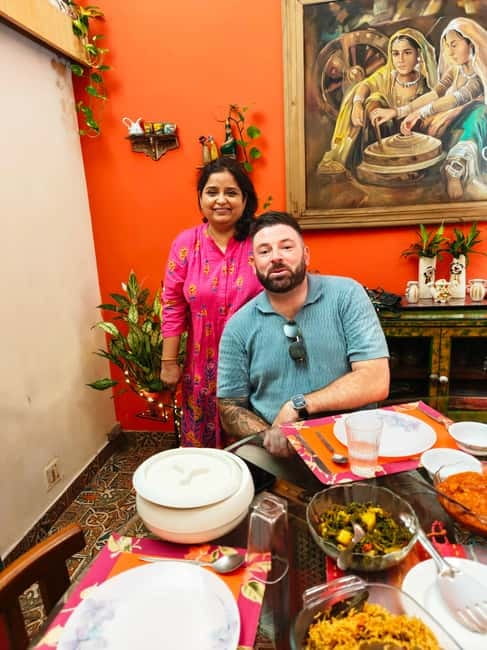
- A warm family-style meal setup where you eat what you made and can chat with the household
- Two class start times (11 am or 4 pm) and only one class per day
Why this Delhi cooking class feels different
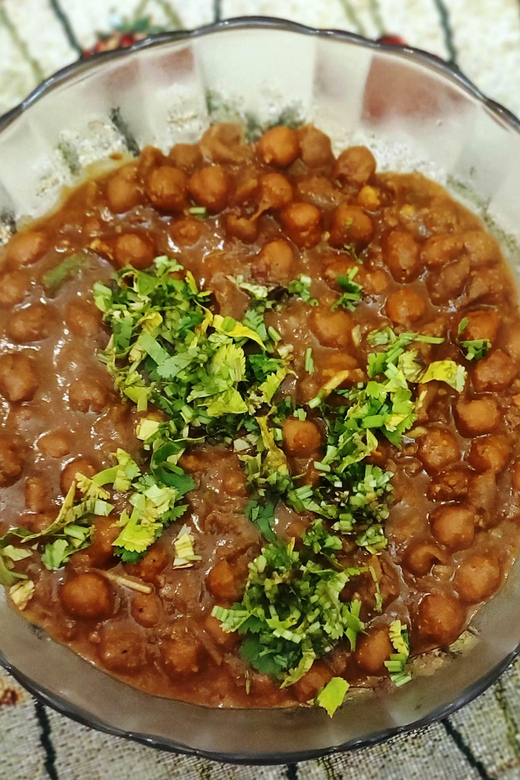
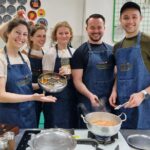
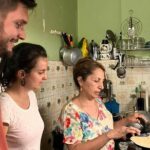
This isn’t a rushed demo where you watch someone else cook. With Lubna, you’re shopping, chopping, seasoning, and tasting in a real Delhi home setting.
You’re paying for more than a meal. You’re buying the kind of guidance that helps you repeat dishes at home, especially the part most cooking classes skip: why spices work the way they do.
You can also read our reviews of more tours and experiences in New Delhi.
Finding the home fast: Ashram metro to the HP petrol pump
Meeting point directions are clear, and that matters in Delhi. You’ll search your maps app for Delhi Bed and Breakfast and confirm the address shows A-6 Friends Colony East, New Delhi 110065.
From there, go behind the HP petrol pump. The house is about a 3-minute walk from Ashram metro station (Gate No. 3), on a quiet dead-end street.
Look for a house with a red slanting roof and white walls. In my view, that’s the kind of detail that prevents the usual first-15-minutes panic.
The market visit: how you shop for flavor in 90 minutes of real life
Your experience starts with a trip to a local market that’s close enough to be practical, but far enough from the tourist circuit to feel like daily life. It’s a short ride (often described as about 10 minutes), and you may travel by tuk tuk depending on the day and group.
In the market, you’re not just strolling. You’re learning what to look for: fresh produce, aromatic spices, and those bright ingredients that make Indian dishes look and smell the way you expect.
If the shop situation lines up, some people have been able to grab street food during market time. One day may also include festive shoppers—think Diwali crowds—which adds energy and helps you understand what this food means in real schedules, not in a restaurant menu.
What to keep in mind during the market stop
- Budget a little for any snacks you choose to buy on your own.
- Don’t expect hotel-style convenience; you’re at a real market with real vendors. That’s the point.
Chai welcome and the haveli kitchen setup
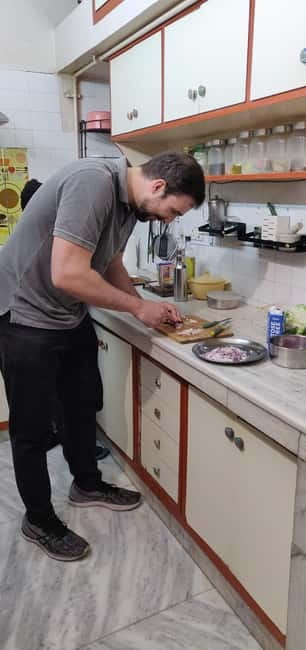
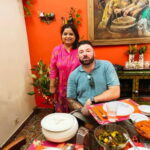
Back at Lubna’s home, you’ll be greeted with a warm cup of chai. That simple start sets the tone: you’re not being herded through stations. You’re being welcomed into a household kitchen.
Lubna’s place is a traditional haveli, built in 1974, with greenery around it. The setting isn’t just decoration. It makes the class feel calm and personal, even though you’re cooking several dishes in a short time.
Also, the class is taught in English, and it runs as a private group, which usually means better attention when you get stuck on a spice mix or bread technique.



What you’ll cook: your menu includes mains, breads, and rice
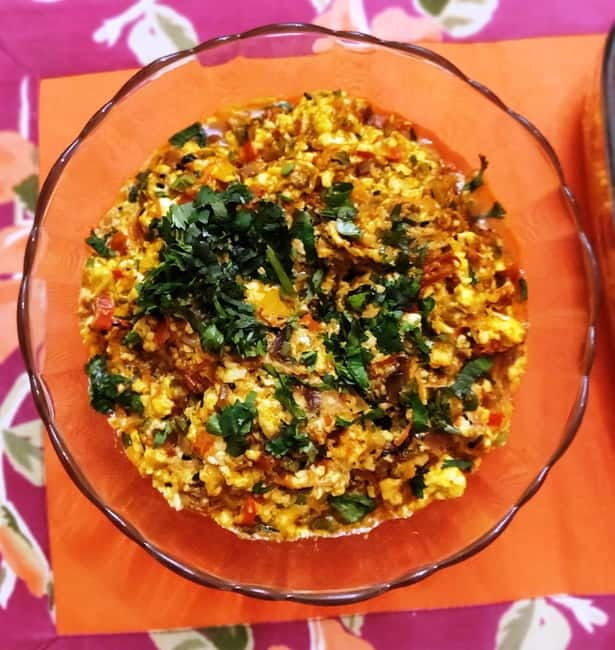
You’ll cook a traditional Indian meal that typically spans multiple courses, from snacks and starters to richer dishes. The included meal components are clear: 3 main dishes, 3 bread types, and 1 rice dish—plus you get to eat what you make.
The exact menu can vary based on your preferences, but common examples include:
- Rogan Josh (often listed as a traditional main option)
- Kebabs (veg and chicken appear in the dish suggestions)
- Bread pakora and samosas (snacks people commonly make in this class style)
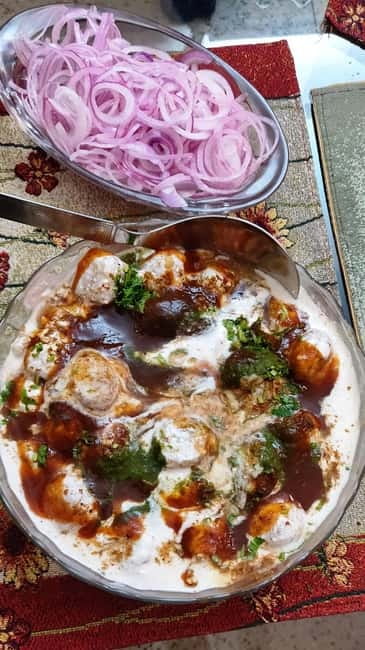
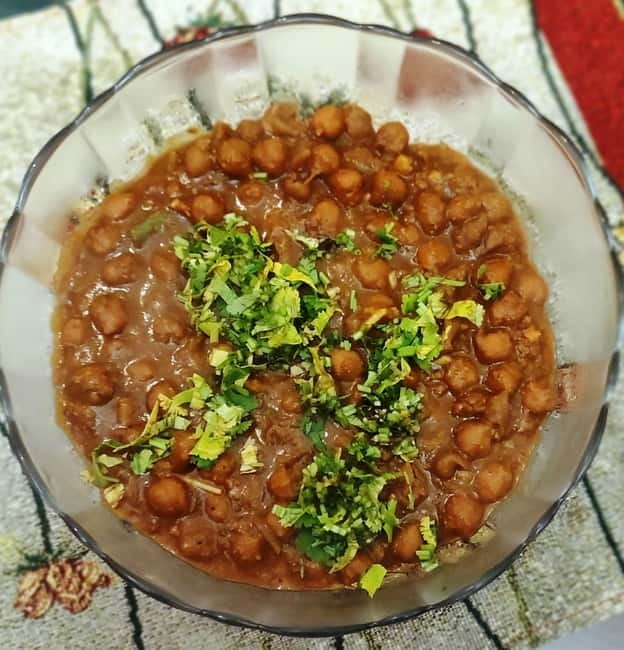
- Options people have cooked from her menu list include poora and aloo chaat, lentil dhal and potato patties, chicken biriani, paneer masala, and various chutneys or raitas depending on the day
The real value: you learn the techniques behind the dishes
The best part is that you’re not only following a recipe card. You’re getting guidance on techniques that change the outcome:
- how spice blends behave when heated (and why that affects aroma)
- how to balance flavor layers so your dish doesn’t taste flat
- how bread and dough steps link to texture later on
A lot of classes teach ingredients. This one leans into method, which is what makes your food taste like Indian food and not like your kitchen experiments.
Spice lessons you can actually use at home
If you care about cooking, spices are the star here. Lubna focuses on how spices shape flavor and aroma, and you learn by doing, not by hearing a lecture.
In practice, that means you’ll handle spices as you build dishes, and you’ll get the reasoning behind what you’re adding. People come hoping to learn Indian cooking basics, but the ones who already cook still enjoy it because the class touches on details—like how spice mixes are used for different dishes and how subtle adjustments shift results.
And because you can discuss your interests ahead of time, the menu can match what you want to get better at, not just what’s convenient for the kitchen.
Bread, rice, and the learning curve that’s worth it
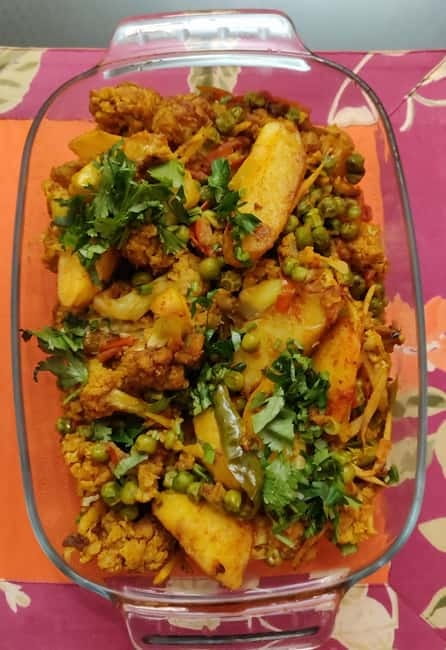
Many visitors want to make curry, but the bread work is what turns this into a real skill-building session. You’re included for three bread types, plus a rice dish.
That’s a lot for a 3-hour experience, and yes, beginners may feel busy. But that pressure also helps you learn faster. You’ll pick up the basics of timing and handling, which is what usually trips people up at home.
If bread isn’t your priority, you can still get a lot out of the class. One of the joys of Lubna’s setup is that she talks through what you’re doing, so you can focus on your strengths and ask questions where you need them.
Eating together: the family table part that makes it memorable
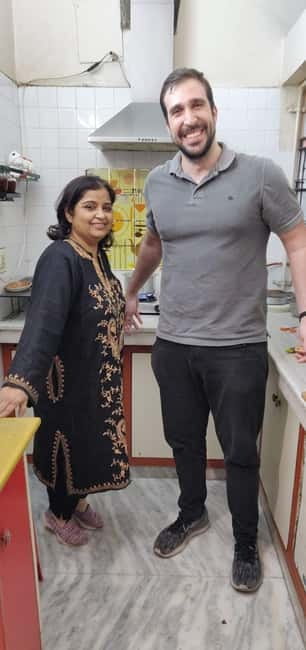
When your dishes are ready, you gather around the family dining table and eat the meal you made. This is the moment most cooking classes rush past. Here, it’s treated like a real finish to the day.
Sometimes Lubna’s family may join the meal. In at least some sessions, Sheikh (Lubna’s husband) is part of the conversation too, which adds a personal touch beyond the cooking.
I like this part because it turns cooking from a class activity into a shared experience. You get to taste, talk, and compare notes—like what you’d do differently next time.
Customization and dietary needs: Lubna adapts, not just substitutes
One reason this experience earns repeat bookings is Lubna’s willingness to tailor cooking to the group. After booking, she encourages interaction on WhatsApp so you can discuss what you want to learn and adjust based on dietary needs.
You can specify vegetarian preferences or a particular dish you’d like. And Lubna has shown she’ll work with tough restrictions. One example shared from a stay describes a guest who couldn’t consume wheat, dairy, or citrus, and Lubna created dishes using oats as a main ingredient. The guest was so impressed they wrote down the recipes.
That tells you something important: this isn’t “we’ll swap the sauce.” It’s cooking in a way that respects limitations while still aiming for flavor.
Timing, start times, and the breakfast option trade-off
Classes start either at 11 am or at 4 pm, and it’s best to tell Lubna your preference in advance. The experience runs for 3 hours, and only one class happens per day, which keeps the setup intimate and focused.
There’s also a possible breakfast-making angle. You can join for breakfast at the 11 am time slot, but the market visit isn’t possible with this option. If you want snacks-only learning instead, you can message to ask whether your 11 am plan can be converted.
So here’s the practical choice:
- If you want the full flavor journey (market + cooking), pick the standard class.
- If you mainly want breakfast or snack techniques, ask about switching your session—and accept that the market stop won’t be part of that version.
Logistics and what you might pay for yourself
The tour price is $43 per person for 3 hours. What you get is substantial: hostess service, all ingredients, and a full meal with multiple dishes plus tea/water.
What you should expect to pay separately:
- hotel pickup and drop-off (none provided)
- out-of-pocket costs like shopping, metro fares, ride-hailing, and snacks
Also, travel and health insurance isn’t included. If you’re coming from another part of Delhi, plan your route so you arrive on time.
One more small detail worth noting: past participants rate the transport aspect very well, with 93% giving it a perfect score. That’s a good sign that the day-of movement is usually handled smoothly once you’re at the meeting point.
Price and value: what $43 buys you in real skill, not just food
Let’s talk value without hype. In this session, your $43 isn’t mainly paying for someone to cook. It’s paying for:
- a guided market experience for ingredients and spice understanding
- all ingredients for multiple dishes
- cooking instruction in an English-speaking home setting
- a meal that includes the foods you made
- bread and rice work, which most short classes don’t fully cover
In my view, the real value is the transfer. You’re leaving with practical recipes and enough technique understanding to cook again. If you’ve ever made one Indian dish at home and felt like everything else was a mystery, this is the right kind of lesson to fix that.
Is it worth booking? A clear decision guide
I’d book this if:
- you want Indian cooking that starts with spices, not just finished plated dishes
- you’re excited by the market stop and want to see ingredients where they’re actually bought
- you like home-style hospitality and want to eat with the people teaching you
- you’re vegetarian or you have specific preferences and want a host who can adapt
I’d think twice if:
- you strongly prefer full service logistics like hotel pickup and a perfectly scheduled, zero-walking day
- you want only one signature dish rather than a multi-dish cooking session
If you book, send your preferences ahead so Lubna can shape the menu around what you care about. And if plans are uncertain, note that free cancellation is available up to 24 hours in advance.
If the idea of learning spice logic plus making an entire meal appeals to you, this is one of the more practical “worth it” cooking experiences in Delhi.
FAQ
How long is the New Delhi Traditional Indian Cooking Class & Market Visit?
It lasts 3 hours.
What time does the class start?
The class starts either at 11 am or at 4 pm.
Is the local market visit included?
Yes. The market visit is part of the standard experience. If you choose breakfast-making, the market visit is not possible with that option.
What is included in the price?
All ingredients are included, along with cooking instruction. You’ll prepare 3 main dishes, 3 bread types, and 1 rice dish, and then eat the meal you prepare. Tea and water are also included.
Do I need hotel pickup or drop-off?
No, hotel pickup and drop-off are not included.
Where is the meeting point, and how do I find the home?
Meet at Delhi Bed and Breakfast at A-6 Friends Colony East, New Delhi 110065. The home is behind the HP petrol pump, about a 3-minute walk from Ashram metro station (Gate No. 3). Look for a house with a red slanting roof and white walls on a quiet dead-end street.
Can I request vegetarian options or specific dishes?
Yes. You should specify your requirements (like vegetarian) and any dishes you want to learn.
Can the host adapt for dietary restrictions?
She adapts dishes to suit dietary needs. One example given involved using oats as a main ingredient for a guest who couldn’t consume wheat, dairy, or citrus.
Is the class taught in English, and is it a private group?
Yes. The instructor is English-speaking, and it’s a private group experience.
Is the activity wheelchair accessible?
Yes, it is wheelchair accessible.
Would you like me to tailor a suggested menu strategy (what to ask for in WhatsApp) based on what you want most: curry depth, bread technique, or spice-blend skills?