REVIEW · JAIPUR
Pink City Cooking Class
Book on Viator →Operated by Pink City Cooking Class · Bookable on Viator
Cooking in a Jaipur home feels personal fast. This Pink City Cooking Class turns a typical market-and-meal day into a real lesson with chef Dimple and Bunty, plus farm-fresh vegetarian ingredients and step-by-step guidance. I love the hands-on format (you actually cook, not just watch) and the way spice levels are adjusted to the group, and I like that you get an e-recipe e-book afterward. One thing to keep in mind: it depends on good weather.
You’ll meet at 17-A, Manu Marg, Amer Rd, Govind Nagar West, Brahampuri, Jaipur, and spend about 2–3 hours in their kitchen setup. It’s capped at a small group size (15 max), and you’ll leave with more than dinner—you’ll leave with repeatable technique for Indian vegetarian cooking at home.
In This Review
- Key Highlights Worth Planning Around
- Why This Jaipur Cooking Class Feels Like a Real Local Meal
- Meet Chef Dimple and Bunty in a Home-Kitchen Setting
- What You’ll Cook: A Vegetarian Menu You Can Actually Recreate
- The Class Flow: From Welcome to Your Final Plate
- Ingredients That Taste Like They Came From Someone’s Garden
- Spice Level Control: A Small Detail That Changes Everything
- Price and Value: What $27.90 Gets You in Real Terms
- Where to Go on Amer Road (Manu Marg) Without Stress
- Who This Cooking Class Suits Best
- A Couple of Things to Consider Before You Book
- Practical Tips to Make Your Class Smoother
- FAQ
- What kind of food will I learn to cook?
- How long is the Pink City Cooking Class?
- How much does it cost?
- Who will teach the cooking?
- Do I just watch, or do I cook?
- Will I get recipes to use at home?
- What dishes are included?
- What drinks and water are provided?
- Where do I meet for the class?
- What if the weather is bad?
- Should You Book Pink City Cooking Class?
Key Highlights Worth Planning Around
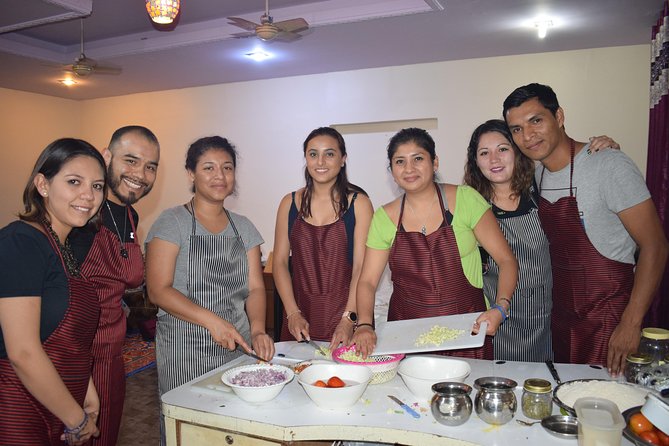
- Chef Dimple’s home-style kitchen: a real household setup, not a show kitchen
- Farm-fresh vegetables and masala: ingredients come from their own farm
- Hands-on cooking with clear steps: you’ll follow along and cook your own dishes
- Spice level control: they adjust to what your group likes
- Take-home recipe e-doc: an e-book so you can recreate what you made
- A small group vibe: maximum 15 people, so it’s more personal
Why This Jaipur Cooking Class Feels Like a Real Local Meal
If you’re tired of only eating in restaurants, this class gives you the next best thing: understanding how the food gets built. In Jaipur, it’s easy to collect photos and call it a day. Here, you learn how key flavors are made—masala, spice balance, and the basic structure behind common dishes.
I especially like how the experience stays practical. You’re shown how to do things with your hands, then you do it. That’s what makes it worth the time: you’re not just tasting; you’re learning a workflow you can repeat later.
There’s also a cultural layer built in. You’ll hear about Indian food culture and daily life in Jaipur as part of the conversation at the table. It’s not a lecture. It’s more like being invited into someone’s rhythm for a few hours.
You can also read our reviews of more tours and experiences in Jaipur.

Meet Chef Dimple and Bunty in a Home-Kitchen Setting
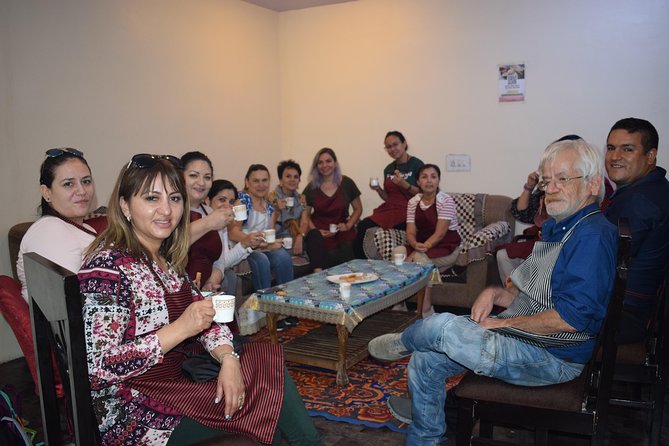
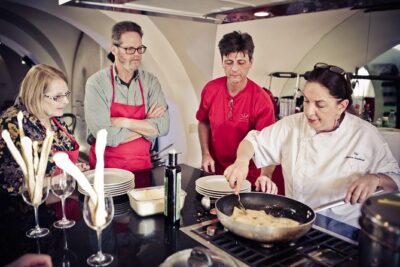
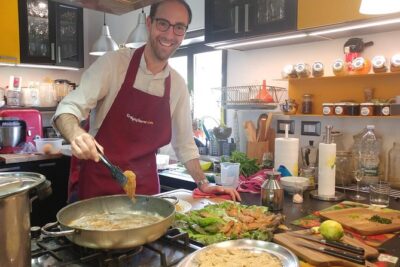
This is hosted by chef Dimple, with Bunty taking a teaching role in the kitchen. Reviews consistently point to a warm, family-style welcome. That matters because cooking classes can feel stiff when the mood is cold. Here, the teaching tone is patient and clear, and you’re encouraged to ask questions.
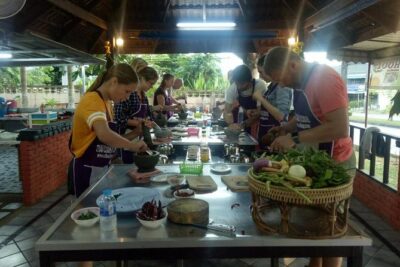
The kitchen environment also feels thoughtfully prepared. People mention it stays clean throughout, and the hosts keep the cooking area organized. That’s important when you’re handling spices and hot tools—nobody wants to fight the setup while learning new techniques.
Also, this isn’t a one-size-fits-all course. They offer different classes for different levels of cooking experience. So if you’re a total beginner, you’ll still find it approachable. If you’ve cooked Indian food before, you’ll likely appreciate the basics and fundamentals they build from.
What You’ll Cook: A Vegetarian Menu You Can Actually Recreate
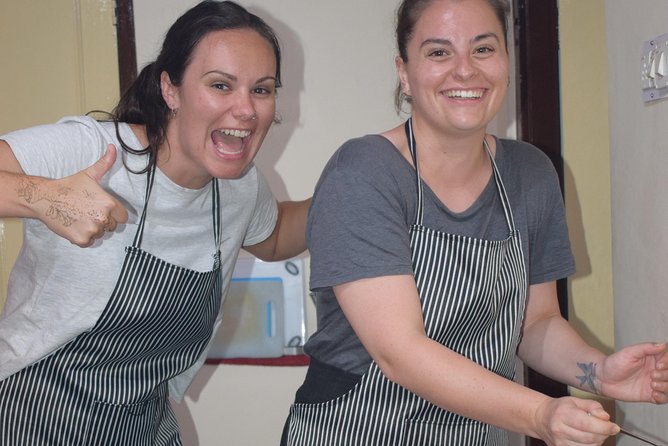
The class focuses on vegetarian Indian cuisine, with multiple recipes taught in an interactive style. Exact dishes can vary by class, but the menu themes are very clear from what people have made.
Common favorites include:
- Chapati/roti (the foundational flatbread technique)
- Dal (lentils cooked with spice and seasoning)
- Pakoras (a fried snack, taught as a technique-oriented dish)
- Jeera rice (cumin-forward rice you can learn without stress)
- Paneer curry (a creamy, spice-based curry structure)
- Masala chai (tea with warming spice notes)
You’ll get guidance for each dish step-by-step, and you’ll do the cooking. That matters because Indian home cooking is about timing and balance. Once you’ve cooked it yourself, the flavors make more sense.
At the end, you also receive the recipe material in an e-doc format. That’s huge for value: you can check steps later when you’re not standing in a Jaipur kitchen.
The Class Flow: From Welcome to Your Final Plate
Here’s what the rhythm feels like, based on how the experience is described and what people highlight most.
First, you’re welcomed into the home kitchen setup. Then you start with a quick introduction—what ingredients you’re working with and what you’ll be making. From there, Bunty and chef Dimple guide you through technique in a clear order.
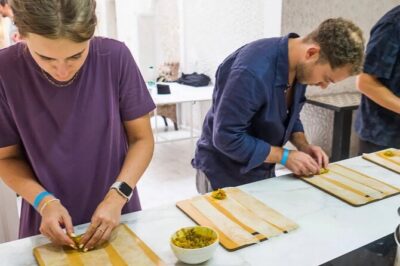
You’ll typically cook several dishes during the session, not just one. Expect to rotate between tasks: mixing, seasoning, shaping bread, and handling cooking steps that come at different speeds. It’s not rushed, but it moves along so you stay involved.
You also do tea (masala chai) as part of the class. That’s a fun payoff because chai is everywhere in India, but it’s rarely taught with this level of clarity in tourist settings. When you understand how the tea gets spiced and combined, you can reproduce it at home without guesswork.
Finally, you eat what you helped make. And then you get the recipe e-book/e-doc so you can rebuild the meal later.
Ingredients That Taste Like They Came From Someone’s Garden
A major plus here is sourcing. The class uses fresh produce and masala and vegetables from their own farm. That means your cooking isn’t starting with mystery packets or long-traveled ingredients. It tastes like someone prepared it for daily use.
They also cook with filtered water and provide bottled water for guests. If you’re sensitive about water when you’re traveling, that’s reassuring and practical.
One more ingredient-related detail: you’re learning Indian cooking with the kinds of herbs and spices you’ll actually find in Indian grocery stores (and increasingly in specialty shops elsewhere). The technique matters more than owning the perfect pantry, and the farm-fresh starting point helps you notice how flavors build when ingredients are not tired.
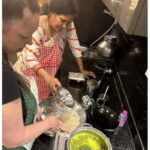
Spice Level Control: A Small Detail That Changes Everything
Indian cooking can be intimidating if you only associate it with heavy heat. The hosts handle this in a way that makes the class comfortable: they adjust the spice level to the group taste.
That’s not just a nice gesture. It changes your learning experience. If the spice is too strong, you can’t judge technique or flavor balance—you’re just reacting to heat. When the spice level matches your comfort, you can actually understand what each spice is doing.
So if you’re spice-curious but cautious, this is a smart pick. And if you already like heat, you won’t feel stuck eating a watered-down version either. It’s guided, not fixed.
Price and Value: What $27.90 Gets You in Real Terms
At $27.90 per person for about 2–3 hours, this class is priced like a serious local experience, not a luxury workshop. The value comes from three things you actually care about:
1) You cook multiple dishes, including staples like chapati/roti and dishes such as dal, paneer curry, and pakoras (plus jeera rice and chai in many sessions).
2) You get take-home recipes in an e-doc/e-book format, so the learning doesn’t end when you leave the kitchen.
3) The sourcing is specific: farm-fresh vegetables and masala, plus filtered water and bottled water for guests.
In other words, you’re not paying just for a meal. You’re paying for a practical skill session with food you helped make and instructions you can reuse. For Jaipur, where food experiences can vary a lot, that combination is a solid deal.
Where to Go on Amer Road (Manu Marg) Without Stress
The meeting point is listed as: 17-A, Manu Marg, Amer Rd, Govind Nagar West, Brahampuri, Jaipur, Rajasthan 302002.
It’s also noted as being near public transportation, which helps if you don’t want to rely on rides every time you move around the city. And you’ll have a mobile ticket, which makes check-in easier once you’re there.
Practical tip: Jaipur streets can be confusing for first-timers. Give yourself a little buffer time, especially if you’re arriving during busier parts of the day. If you’re using a navigation app, double-check you’re getting the right road name (Manu Marg) and that you’re aligned on Amer Rd.
Who This Cooking Class Suits Best
This experience is a good match if you:
- Want a vegetarian Indian cooking class in Jaipur that teaches fundamentals
- Learn best by doing, not by watching
- Like home-style cooking and family-run hospitality
- Want to take techniques home with you via recipe instructions
It’s also a nice break from the “always on” pace of sightseeing. Two or three hours in a kitchen can reset your energy, and you’ll eat something you made with your own hands.
If you prefer very formal, hotel-style classes with printed materials only, you might find this home setting simpler than you expect. But if you’re after authenticity and real teaching, that home-kitchen feel is exactly the point.
A Couple of Things to Consider Before You Book
First, plan around good weather. The experience notes weather dependence, and that can affect the schedule.
Second, know that it has a minimum number of travelers to run. If the group doesn’t reach that minimum, you may be offered another date or a refund. If you’re visiting Jaipur during peak holiday weeks, it’s less likely to be a problem, but it’s still worth checking right before you go.
Finally, since it’s a small group (up to 15), it’s usually easy to get attention and adjust questions. Still, if your cooking style is extremely specialized, you might not get a fully tailored lesson for every technique. The goal is to teach a set menu clearly for all levels.
Practical Tips to Make Your Class Smoother
These are small moves that pay off fast:
- Wear something comfortable for cooking. You may be standing, mixing, and moving around.
- Expect spice handling. If you’re sensitive, tell the hosts early so adjustments can happen from the start.
- Come a bit hungry. You’ll cook and eat what you make, and it’s best when you can fully enjoy it.
- Take the e-doc seriously. After you’re back home, recreate one dish first (usually chapati/roti or dal). Those basics make the rest easier.
Also, if you’re traveling solo or as a couple, this class size usually feels friendly. A group of 15 or fewer in a home kitchen tends to create natural conversation, especially around food and Jaipur life.
FAQ
What kind of food will I learn to cook?
The class is focused on vegetarian Indian cuisine, with multiple recipes made in a home-style kitchen.
How long is the Pink City Cooking Class?
It runs for about 2–3 hours (approximately 3 hours).
How much does it cost?
The price is $27.90 per person.
Who will teach the cooking?
Chef Dimple leads the cooking instruction, and Bunty is also a key teacher/host in the class.
Do I just watch, or do I cook?
You get step-by-step guidance and do hands-on cooking during the class.
Will I get recipes to use at home?
Yes. You receive a recipe e-book/e-doc after the class.
What dishes are included?
Dishes can vary, but common examples include chapati/roti, dal, pakoras, jeera rice, paneer curry, and masala chai.
What drinks and water are provided?
They use filtered water for cooking and provide bottled water for guests. You’ll also learn how to make masala chai.
Where do I meet for the class?
The start location is 17-A, Manu Marg, Amer Rd, Govind Nagar West, Brahampuri, Jaipur, Rajasthan 302002, India.
What if the weather is bad?
The experience requires good weather. If it’s canceled due to poor weather, you’ll be offered a different date or a full refund.
Should You Book Pink City Cooking Class?
If you want a Jaipur experience that turns food into a skill, I’d book it. The small group size, hands-on cooking, and warm teaching from Chef Dimple and Bunty make it feel personal. Add in farm-fresh ingredients, spice adjustment, and take-home recipes, and it’s one of those classes that can actually change how you cook after your trip.
Skip it only if you strongly dislike home-kitchen setups or you’re in a tight schedule where weather dependence would be risky. Otherwise, this is a practical, memorable way to taste the Pink City from the inside out.