REVIEW · JAIPUR
Cooking class & meal (Indian Food) with local family in Jaipur.
Book on Viator →Operated by Sunshine India Tours · Bookable on Viator
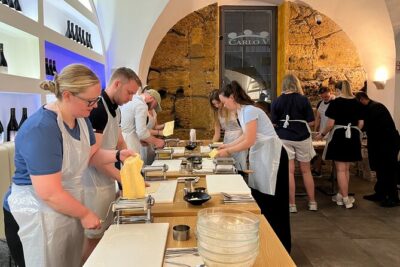
A home kitchen makes the lesson click. I really like the small-group setup (max 10) and the fact you cook and eat in the same place, with the family involved. The best part is how hands-on it feels as you learn classics like dal and aloo gobi, roll chapattis, and make chai. One possible drawback: it’s a short, focused 2-hour experience, so you’ll learn a lot but you won’t have time for a super slow, step-by-step pace.
You’ll meet hosts such as Ravi and Suman, and you may even chat with older family members during the welcome break. That family warmth is part of the value here, because you’re not just collecting recipes, you’re picking up how people actually live and celebrate in Jaipur. Just note the experience is described as vegetarian and North Indian in style, so it’s not aimed at meat-focused cooking.
In This Review
- Key Points Worth Planning Around
- Step Into a Jaipur Household Kitchen
- What You’ll Cook: Dal, Aloo Gobi, Curries, Chai, and Chapattis
- The Welcome Moment: Chai Chat and Family Context
- The “Secrets of Spices” Part: What Actually Makes It Click
- Dinner at the End: Unlimited Home-Style Eating
- Pickup and Timing: How the 2 Hours Will Feel
- Price and Value: Why $23 Is Surprisingly Fair
- Where It Fits in Your Jaipur Days
- Who Should Book This Cooking Class
- Should You Book It?
- FAQ
- What dishes will I learn to cook?
- How long is the cooking class?
- Is the meal included?
- Is pickup available?
- How big is the group?
- What’s the cancellation policy?
Key Points Worth Planning Around
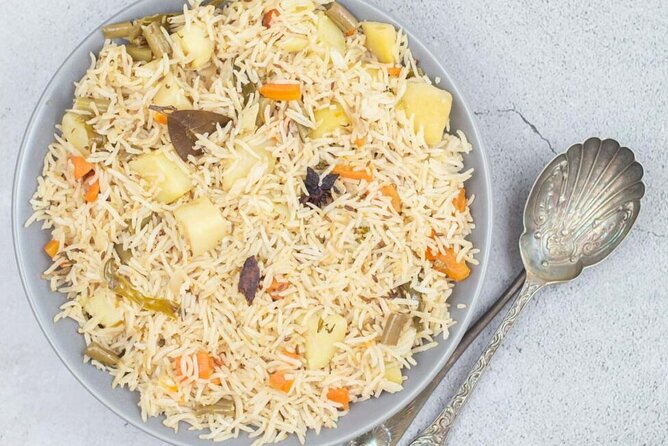
- Max 10 people means you get real attention while you cook
- North Indian vegetarian focus on dal, aloo gobi, and curries
- Chai + chapattis are part of the lesson, not just the meal
- Eat what you make at the end, with an unlimited home-style spread
- Family stories include daily routine and traditions, not only recipes
- Pickup from select hotels is available if you request it
Step Into a Jaipur Household Kitchen
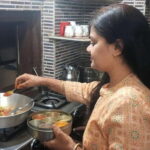
This cooking class works because it’s built around a local home rhythm. You go where the food is made for real, not where it’s staged for tourists. That changes the whole tone of the lesson: you’re watching and doing, side-by-side, like a guest who’s been invited into the kitchen.
The North Indian dishes are the core of the experience, and that’s a smart choice if you want the “why” behind Indian flavors. The class specifically highlights learning spices and household cooking methods straight from the people who cook every day. You’ll likely hear how spices get used and why certain curries taste the way they do, which is the difference between memorizing steps and understanding the food.
You can also read our reviews of more tours and experiences in Jaipur.

What You’ll Cook: Dal, Aloo Gobi, Curries, Chai, and Chapattis
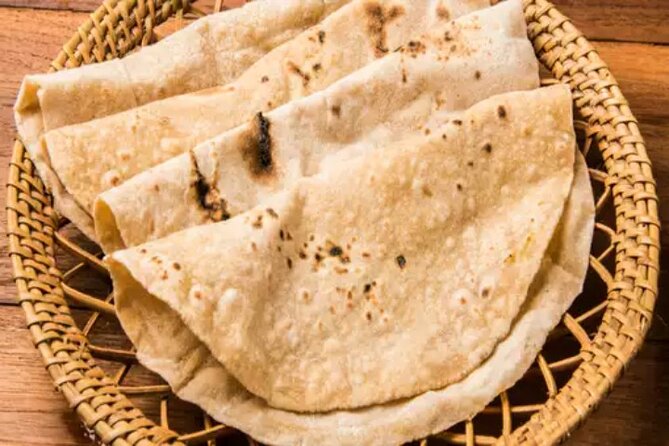
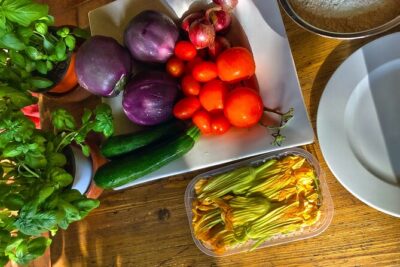
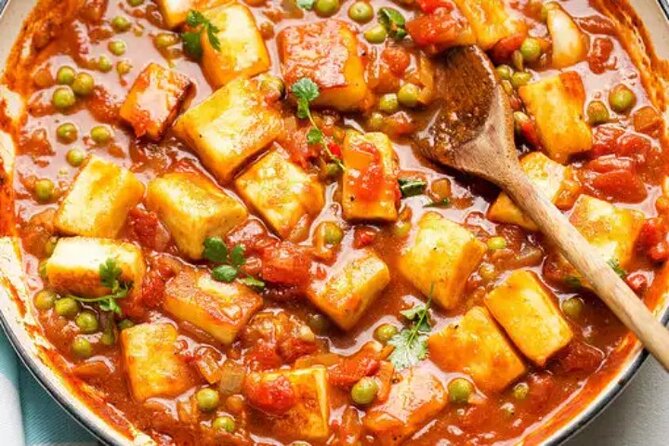
Think of the menu as a complete starter-to-satisfying meal. The class commonly includes classic vegetarian dishes such as dal and aloo gobi, plus chapattis and chai. You’re not just tasting at the end—you’re actively building the flavors through the cooking process.
Here’s the flow you can expect based on how the experience is described:
- You’ll start with cooking basics and ingredient work that leads into the curries.
- You’ll make a dal-style dish and additional North Indian curries, with a focus on spice handling.
- You’ll roll and cook chapattis, so you get practice beyond curry-only cooking.
- You’ll also make masala chai, which adds a sweet-spiced break to the lesson.
One thing I like about cooking chai and chapattis as part of the class: it rounds out your Indian cooking knowledge. Many classes cover curries but skip the breads and tea. Here, you get a more complete picture of the meal structure people eat at home.
The Welcome Moment: Chai Chat and Family Context
Before the stove gets serious, you’re set up for a warm welcome. Reviews describe being welcomed into the home with chai and conversation, including time to chat with family members (one example includes the grandfather). That early pause matters because it puts you in the right mindset: you’re learning food in the context of family life.
The experience also frames Indian culture through everyday topics. You can expect interaction around family traditions, weddings, gods, and the household routine. The class mentions the joint family system, which is a key part of how many Indian families organize daily life. Even if you only catch bits of conversation, you’ll leave with a clearer sense of how these households function beyond the food.
The “Secrets of Spices” Part: What Actually Makes It Click
Spices can feel mysterious on a menu. In a home kitchen, spices become practical. The class description calls out learning the secrets of Indian spices directly from household chefs, which is where this experience earns its money.
Instead of just tasting spice blends, you’re learning how they fit into real cooking steps for curries. You’ll be working with the spice combinations that give North Indian dishes their character—warm, layered, and built through cooking rather than sprinkled on at the end.
A simple way to think about it: you’re not only learning dishes; you’re learning technique. Curry cooking is about timing, heat control, and how spices release flavor. When you cook in a home kitchen, you get small cues that are hard to copy from a recipe card alone.
Dinner at the End: Unlimited Home-Style Eating
The best “wow” moment is what happens after you finish cooking. The format is clear: you dine on your creations at the end of your lesson, and the meal is described as unlimited and delicious.
That means you don’t just sample one plate. You get to eat what your group cooked, likely with the sides that go with North Indian vegetarian meals—curries, dal, chapattis, and chai as the finish. For many people, this is what turns a cooking class into a full experience rather than a short demo.
Practical tip: go hungry. With a 2-hour timeline, you’ll do the work first and eat right after, so your appetite becomes part of the plan.


Pickup and Timing: How the 2 Hours Will Feel
This experience runs about 2 hours (approx.), and that duration is a big part of its value. It’s long enough to cook several components—dal, curries, chapattis, and chai—but short enough that it fits easily into a sightseeing day in Jaipur.
Pickup is available from select hotels on request. If you’re staying in an area where pickup is offered, it can save time and reduce hassle. If not, you’ll start at a specific meeting point in Vaishali Nagar (Smart N Shiny | Best Salon in Vaishali Nagar, 6-A, Star Apartment near SBBJ Bank, Chitrakoot, Akruti Apartments area). The good news: the meeting point is described as near public transportation, so you’re not stuck relying on a single option.
Group size matters here. With a maximum of 10 travelers, you’re less likely to stand on the sidelines. In a short lesson, that personal attention is the difference between watching and actually cooking.
Price and Value: Why $23 Is Surprisingly Fair

At $23, this is priced like a budget activity, but it offers the elements people usually pay more for: a home-cooked meal, a hands-on lesson, and a cultural interaction component. You’re not only buying recipes—you’re buying time with a family kitchen and the chance to eat what you made.
Here’s where the value really comes from:
- The meal is included and described as unlimited.
- You cook multiple dishes, not just one.
- The class includes bread and tea (chai and chapattis), which turns it into a full meal experience.
- Small-group size keeps it personal.
Is it perfect value for everyone? If you want a deep, multi-session cooking journey, you might find 2 hours a bit tight. But for a first taste of North Indian vegetarian cooking in Jaipur, the price-to-experience ratio looks strong.
Where It Fits in Your Jaipur Days
This is the kind of activity that blends nicely with a Jaipur itinerary because it gives you a break from sightseeing without feeling like “just another tour.” You get a meal, a lesson, and family stories all in one block.
It also works well if you’re pairing it with markets and landmarks. After hours of walking, a hands-on cooking class gives your day a different rhythm. Plus, you’ll have a practical takeaway: you’ll know how these dishes are built, so they’re easier to repeat at home.
Who Should Book This Cooking Class
This class is a great fit if you:
- Want authentic North Indian vegetarian cooking in a real home kitchen
- Like small groups and direct instruction
- Enjoy cultural conversation as much as food
- Want a complete meal outcome, not just a tasting
It may not be the best match if you prefer a high-tech, professionally produced cooking studio style. The value here is the household feel, including family interaction and day-to-day cooking logic.
Should You Book It?
If you want a Jaipur experience that’s practical, warm, and genuinely food-centered, I’d book it. The biggest reasons are the combination of small group size, hands-on cooking (dal, aloo gobi, chapattis, chai), and eating your own meal right at the end.
The only reason to hesitate is the time limit. Two hours means you’ll learn a lot quickly, not slowly. If you’re the type who wants step-by-step detail and lots of repetition, you may wish you had more time. For most people, though, this format hits the sweet spot between learning and actually enjoying the food.
FAQ
What dishes will I learn to cook?
You’ll learn North Indian vegetarian dishes such as dal and aloo gobi, and you’ll also make chapattis and chai as part of the lesson.
How long is the cooking class?
The class runs about 2 hours (approx.).
Is the meal included?
Yes. You dine on what you cook at the end of the lesson, and the meal is described as unlimited.
Is pickup available?
Pickup is offered from select hotels if you request it. If not, you’ll meet at the listed meeting point in Vaishali Nagar, Jaipur.
How big is the group?
The experience has a maximum of 10 travelers.
What’s the cancellation policy?
Cancellation is free, and you can cancel up to 24 hours in advance for a full refund.