REVIEW · JAIPUR
Private 3-Hour Cooking Lesson and Meal in a Local Home in Jaipur
Book on Viator →Bookable on Viator
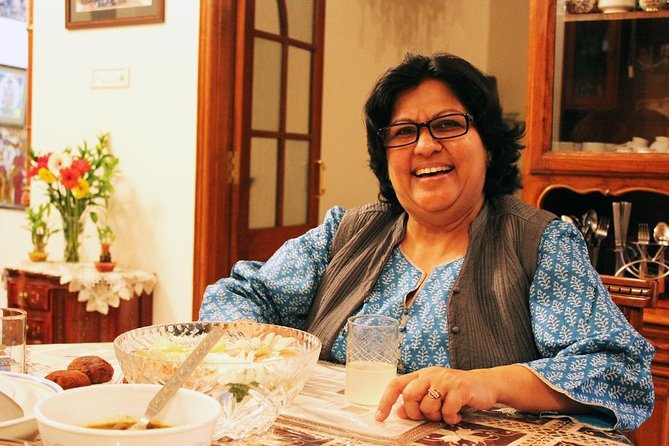
Cooking at a real Jaipur family table beats classes. This private 3-hour lesson in Shveta’s home teaches North Indian flavors the practical way: you cook, then you eat what you make. You’ll spend the time in a lived-in space, with music playing and your hosts moving around like you’re part of the evening.
What I really liked: the warm, personal welcome from Shveta and Kul makes the whole thing feel human, not scripted. And the hands-on instruction is specific enough that you actually come away knowing how to shape breads, balance curry flavors, and tackle dishes like aloo gobhi, chicken curry, and daal.
One thing to consider: there’s no hotel pickup, so you’ll want to plan your own ride to the meeting point and back.
In This Review
- Key Highlights You’ll Care About
- Why a Jaipur Home Kitchen Changes the Whole Experience
- Meeting Shveta and Kul: Welcome, Atmosphere, and How the Lesson Starts
- The vibe that matters
- What You’ll Cook in 3 Hours: North Indian Dishes That Teach Core Skills
- A good example: why roti is the star lesson
- If you’re vegetarian
- Dessert is not an afterthought
- The Meal You Cook: Eating in the Same Home, Not After a Performance
- What you learn from eating what you cooked
- Timing and Your Realistic Expectations in a 3-Hour Class
- Practical mindset: don’t aim for perfection
- Price and Value: Is $80 Worth It?
- Who this is best for
- What to Bring (and What to Do) So You Get More From the Class
- A tip that pays off: taste and adjust
- How to Recreate Your Meal Later: Focus on the Core Techniques
- Should You Book This Private Jaipur Cooking Lesson?
- FAQ
- How long is the cooking lesson and meal?
- Is it a private tour or will I be with other people?
- What dishes will I help cook?
- Is there a vegetarian option?
- What’s included in the price?
- Is hotel pickup and drop-off included?
- Is there a minimum number of people required?
- What is the cancellation policy for a refund?
Key Highlights You’ll Care About
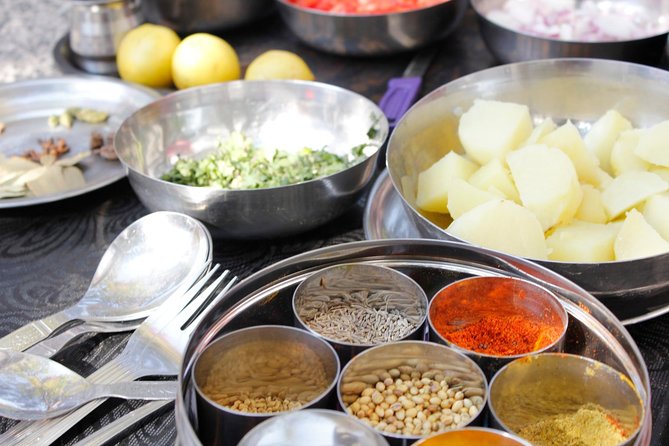
- Private, home-based setup: you’re in Shveta’s space, not a classroom, and your group stays together.
- You cook several dishes (often 3–5, up to 4–6 depending on the flow) before sitting down.
- North Indian comfort food with real technique: aloo gobhi, daal, curries, and Indian breads like roti.
- Meal + conversation built in: after cooking, you share the table and talk with your host and family.
- Vegetarian option available if you tell them at booking.
- Value includes essentials: class, meal, bottled water, beverages, taxes/fees, and gratuities are included.
Why a Jaipur Home Kitchen Changes the Whole Experience
A cooking class can be fun and still feel a little distant. This one doesn’t. You’re invited into a contemporary home in Jaipur where the lesson happens in the same kitchen you’d find in everyday family life, not behind a glass door.
The payoff is simple: you’re learning the rhythm of North Indian cooking. That includes timing, the order of steps, and why certain dishes feel better when you don’t rush them. You’re also eating in the same home where you cooked, which makes the meal taste different because you remember every step you did.
And yes, it’s practical. This isn’t just about tasting spices. You’ll be working with real ingredients and real tools, with Shveta leading you through the process and answering questions as you go.
You can also read our reviews of more tours and experiences in Jaipur.

Meeting Shveta and Kul: Welcome, Atmosphere, and How the Lesson Starts
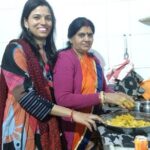
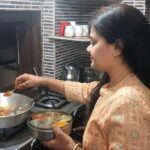
Your experience begins when you’re welcomed into Shveta’s home. The first impression is that it feels settled and comfortable, with Indian music playing in the background and the kitchen organized for cooking.
Shveta and Kul guide you through what’s happening next, then you jump into the lesson. In past experiences, people described feeling relaxed and at ease right away, even when it was their first time trying Northern Indian dishes like roti and curry from scratch.
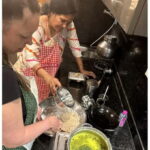
You’ll likely start with a quick orientation—what ingredients you’ll be using and what each dish needs. Then Shveta walks you through steps while you cook. The key is that she’s not just narrating. You’re doing the work: chopping, mixing, forming breads, and learning the logic behind each dish.
The vibe that matters
This is one of those activities where the warmth changes your focus. When the host and family treat you like a real visitor, you ask more questions. That’s how you leave with more than a meal—you leave with knowledge you can actually repeat later.
What You’ll Cook in 3 Hours: North Indian Dishes That Teach Core Skills
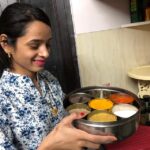
The class is designed around making a handful of dishes typical of North India. You can expect help making 3–5 dishes in the flow, and the broader plan is 4–6 dishes total depending on what’s chosen that day and how the kitchen schedule runs.
Common dishes you might prepare include:
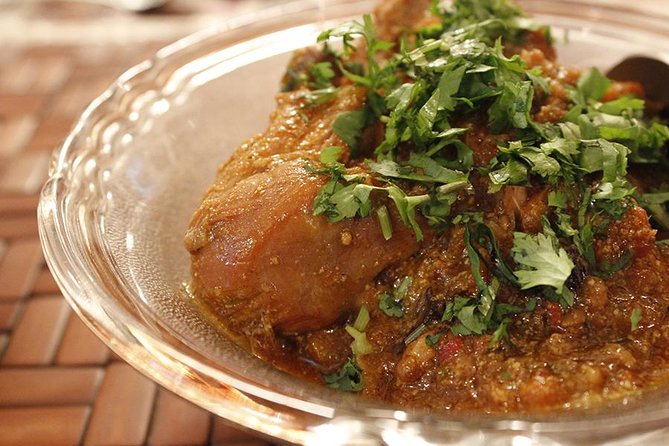
- Aloo gobhi (cauliflower and potatoes)
- Chicken curry (if non-vegetarian)
- Daal (lentils)
- Indian breads like roti
- A dessert such as kheer
You won’t just “assemble” dishes. You’ll learn foundational skills that show up across North Indian cooking:
- How to build flavor in a curry base (using spices and aromatics in the right order)
- How to cook potatoes/cauliflower so they turn tender without going mushy
- How to manage lentils so they thicken and taste balanced
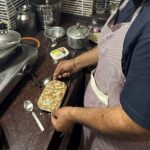
- How to handle roti dough and cook the bread properly so it stays soft
A good example: why roti is the star lesson
Roti sounds simple until you try it. What you learn here is less about perfection and more about technique: dough feel, rolling, heat control, and timing. People in similar experiences often mention feeling especially excited about making roti again at home because it’s the one skill that changes how you understand Indian meals.


If you’re vegetarian
A vegetarian option is available, and you should mention it at booking. Since North Indian food often includes lentil dishes, spiced vegetables, and breads, the vegetarian menu usually still hits the same “full meal” feeling—just without the meat curry.
Dessert is not an afterthought
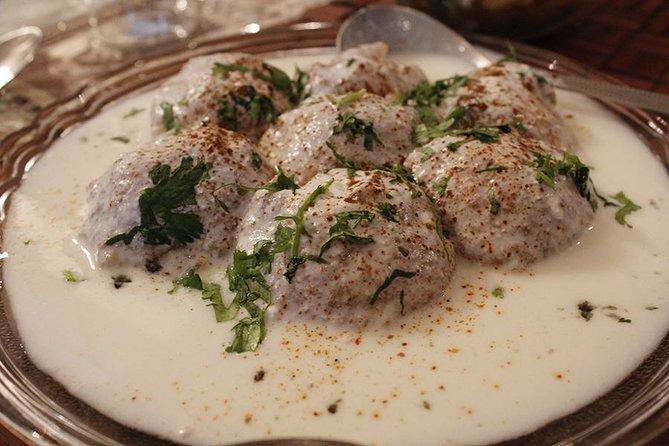
Kheer (rice pudding) shows up often in this kind of menu, and it’s a smart teaching move. Dessert gives you a chance to taste how Indian cooking balances warmth, sweetness, and texture, not just spice heat.
The Meal You Cook: Eating in the Same Home, Not After a Performance
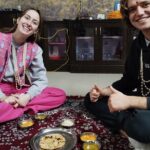
After your dishes are prepared, you sit down to eat the meal you helped make. This is where the experience clicks. You’re not waiting for food to arrive while someone else finishes cooking in another room.
Instead, the meal becomes a shared moment. You’ll eat with your host Shveta and Kul, and depending on the evening, you may also spend time chatting with their family. Past experiences mentioned that it was fascinating to watch the cooking up close and then enjoy the results together.
What you learn from eating what you cooked
You’ll notice how small changes you made—how you timed a step, how you tasted, how you adjusted seasoning—show up on the plate. That feedback loop is why you’ll remember the process instead of just the flavors.
And it’s just more satisfying. There’s no split between the “work part” and the “fun part.” You do the work, then you get the reward immediately, in the same room.
Timing and Your Realistic Expectations in a 3-Hour Class
Three hours sounds short, but this setup uses your time effectively. You’ll likely spend part of the session prepping and cooking multiple dishes at once—because kitchens don’t work like single-track cooking shows.
A typical flow is:
- Early cooking steps and bread preparation
- Mid-session cooking for curries and vegetable dishes
- Daal and other dishes coming together while breads and sides are handled
- Dessert finishing around the end
- Then eating the full spread
This means you should come in ready to move. Even if you’re not an experienced cook, you’ll be hands-on the whole time. It’s not a sit-and-watch lesson.
Practical mindset: don’t aim for perfection
Your goal is to learn process. If a roti isn’t flawless the first time, it’s still a win because you’ll understand why and what to fix next time.
Price and Value: Is $80 Worth It?
At $80 per person, the price isn’t cheap like a quick street snack. But it’s also not just “watching someone cook” with a small meal at the end.
Here’s what you’re paying for:
- Private class in a local home (your group only)
- Hands-on instruction led by Shveta
- Cooking of multiple dishes (up to 4–6 depending on the day)
- Lunch or dinner you helped prepare
- Bottled water and beverages
- Taxes, fees, and handling charges
- Gratuities included
The biggest value factor is that it’s private and in a real home. That usually means you get more time with the host and more personalized guidance. You’re also not forced into an assembly-line format.
The only real downside in the value math: since there’s no hotel pickup, you’ll want to budget time and transport on your side. Still, if you’re already moving around Jaipur, getting to a meeting point shouldn’t be a dealbreaker.
Who this is best for
This experience is ideal if you want:
- A deeper taste of Jaipur beyond food stalls
- A practical cooking skill you can use later
- A cultural evening that feels less touristy and more family-like
If your goal is only to eat and not cook, you may still enjoy it—but you’ll get more out of it if you like rolling up your sleeves.
What to Bring (and What to Do) So You Get More From the Class
You don’t need fancy gear. But a little preparation helps.
- Wear comfortable clothes you don’t mind getting a bit spicy or messy.
- Be ready to wash hands often. Cooking is hands-on.
- Come hungry, but not so ravenous that you rush steps. The timing matters.
Also, don’t be shy about questions. Shveta’s teaching style (as described in past experiences) is detailed enough that you can ask about ingredients, spice levels, or how to recreate dishes later.
A tip that pays off: taste and adjust
In Indian cooking, people often adjust seasoning as they go. If something seems too mild or too spicy, ask how to correct it. That’s how you learn, not just follow directions.
How to Recreate Your Meal Later: Focus on the Core Techniques
You’ll probably leave with a sense of excitement about cooking at home again—especially around roti. But for best results later, focus on technique, not just memorizing a list of ingredients.
Here are the skill areas that translate well:
- Spice order: how aromatics and spices are added to start flavor
- Consistency: how daal should thicken (so it coats, not just soups)
- Vegetable timing: how to keep cauliflower tender but not watery
- Roti control: heat management and dough handling
Dessert also translates well because it teaches how to balance textures and sweetness.
If you want the best chance of success, take note of the feel of dough and the aroma changes in the curry base. Those are the signals cooks use, and they don’t show up on a recipe card.
Should You Book This Private Jaipur Cooking Lesson?
If you want a Jaipur experience that’s truly hands-on and human, this is a great choice. The private home setting, the chance to cook multiple North Indian dishes, and the meal you eat with Shveta and Kul make it more than a one-off activity.
Book it if:
- You like learning by doing
- You want a relaxed cultural evening at a real home
- You’re interested in North Indian staples like aloo gobhi, daal, curries, roti, and kheer
Skip it if:
- You hate getting around without pickup help
- You’re looking for a quick taste only, with no intention to cook
- You’re uncomfortable being fully involved for the whole 3 hours
FAQ
How long is the cooking lesson and meal?
The experience lasts about 3 hours.
Is it a private tour or will I be with other people?
It’s private. Only your group participates.
What dishes will I help cook?
You’ll help prepare multiple North Indian dishes, typically 3–5 dishes such as aloo gobhi, chicken curry, daal, and Indian breads, and there may also be dessert. The broader plan is 4–6 dishes depending on the flow.
Is there a vegetarian option?
Yes. A vegetarian option is available—tell the provider at booking.
What’s included in the price?
The class and meal with your host Shveta, bottled water, beverages, a local host, all taxes/fees/handling charges, and gratuities are included.
Is hotel pickup and drop-off included?
No, hotel pickup and drop-off are not included. The activity starts and ends back at the meeting point.
Is there a minimum number of people required?
Yes, the booking requires a minimum of 2 people.
What is the cancellation policy for a refund?
You can cancel up to 2 days in advance for a full refund. If you cancel less than 2 days before the experience start time, the amount paid is not refundable.