REVIEW · ALICANTE
Paella & Sangria Class with Tapas and Market Visit
Book on Viator →Operated by Free Walking Tours Alicante · Bookable on Viator
Paella begins at the market, not in class. In Alicante, this workshop takes you from Mercado Central stalls to a real local kitchen, with guide Federico talking you through Spanish food traditions in English. I love that you start by picking ingredients, then you actually cook them into a paella that’s built on the right rice and stock.
Two things I especially like: you choose your paella style (seafood, meat, or vegetarian), and the class stays hands-on with turn-taking prep and cooking. One thing to consider is that the sangria is made in the traditional mixed style (wine cut with orange juice and soda), so it won’t taste like straight wine.
The vibe is friendly and practical, helped by small group size (up to 16; some days are much smaller). The alcohol part is also worth noting: you must be 18+ to drink sangria.
Key highlights you’ll feel right away
- Mercado Central shopping with a guide who points out what matters in local produce and seafood
- A working kitchen, not a show kitchen, where locals actually eat
- Salmorreta (sofrito base) + broth focus for real flavor, not a pile of toppings
- Paella choice: seafood, meat, or vegetarian
- Sangria and tapas served with your meal, with traditional sangria ingredients
In This Review
- Mercado Central d’Alacant: where your paella starts (and how to shop like locals)
- From stalls to the kitchen: salmorreta, stock, and the Alicante paella method
- Paella choice: seafood, meat, or vegetarian without losing the core idea
- Sangria and tapas: what you’ll drink, what you’ll snack, and when
- Group size (up to 16): why it feels personal instead of rushed
- Price and value: is $59.26 worth it?
- Who should book this Alicante cooking class?
- Quick practical tips before you go
- Should you book? The decision in plain terms
- FAQ
- Where does the class start?
- How long is the paella and sangria class?
- Is the tour offered in English?
- Can I choose the paella type?
- Is sangria included, and is there an age limit?
- What’s the maximum group size?
- Do I need a printed ticket?
Mercado Central d’Alacant: where your paella starts (and how to shop like locals)
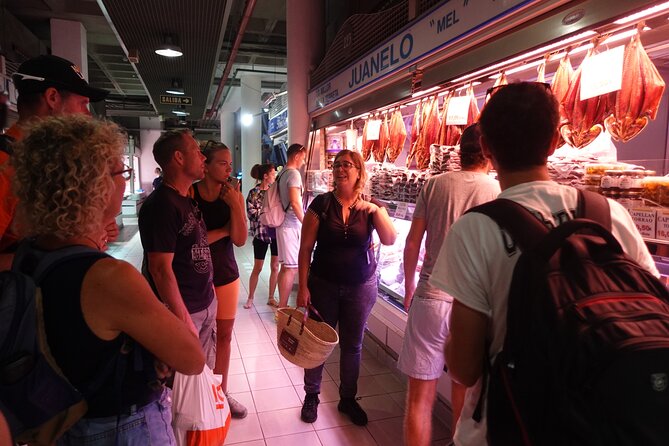
Your experience kicks off at Plaza 25 de Mayo (Pl. 25 de Mayo, 03004 Alicante). From there, you walk into the heart of Mercat Central d’Alacant, a huge indoor market where vendors run their stalls day-to-day, not for staged photo ops. The guide leads you through the market aisles and shows you how Mediterranean ingredients are chosen and matched.
This part matters because paella isn’t just a dish you assemble. It’s built from ingredients that make sense together: seafood from the local area, cured meats, briny olives, good tomatoes for the salad side, and pantry staples that affect taste. You don’t need to be a cooking expert. You just need to know what to look for when the guide points it out.
One of the best signals that this tour is built for real understanding is how much time you spend asking questions at the stalls. You’ll learn the why behind choices, like differences in seafood size versus freshness, and how cured ham fits into the whole Alicante eating style.
And yes, you’ll likely notice Iberian ham being discussed—this is the kind of meal culture where ham isn’t an accessory. It’s part of the main event.
From stalls to the kitchen: salmorreta, stock, and the Alicante paella method
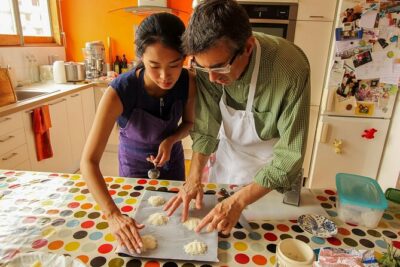
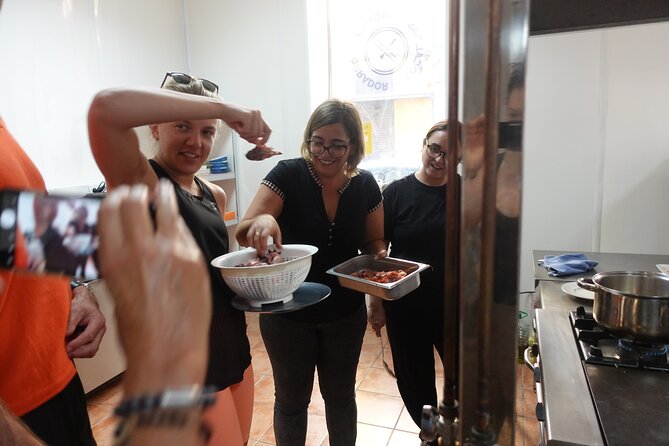
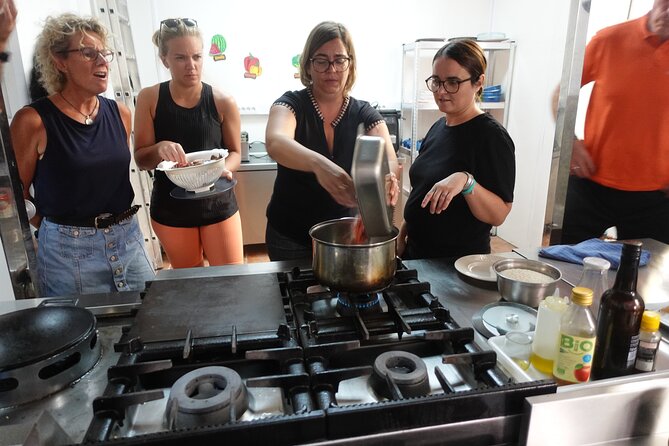
After the market, you head to a working restaurant kitchen where locals eat. This is where the class earns its keep. Instead of watching someone else do everything, you help with prep, and you take turns cooking.
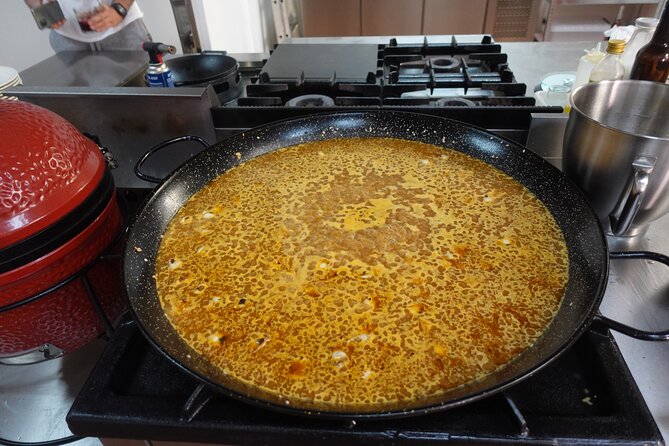
Your instructor and chef walk you through making paella from scratch. The key steps include:
- preparing the broth (the base of flavor)
- building the salmorreta (the sofrito base)
- balancing the rice and cooking process so the paella comes out right
I like that the teaching focuses on the fundamentals. One recurring theme in how the class is explained is that the flavor comes primarily from the stock and base, not from tossing in a huge mix of random chunks. That approach is also why different paella styles work even when the add-ins change.
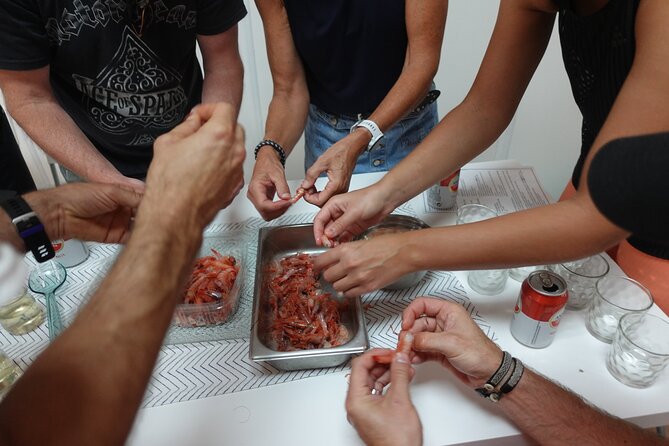
You’ll be handling ingredients, not just standing nearby. In past groups, people have prepped components like dried fish, and then helped with cooking steps. One person even mentioned using a blow torch during cooking—so come ready for the fact that this is a hands-on workshop, not a sit-and-watch show.
You can choose your paella style—seafood, meat, or vegetarian—so you’re not stuck with a single option. That flexibility makes it easier to enjoy the class even if your tastes don’t match the classic seafood direction.
You can also read our reviews of more tours and experiences in Alicante.
Paella choice: seafood, meat, or vegetarian without losing the core idea
A lot of paella classes feel interchangeable: you all start the same way and you all end up eating the same thing. Here, you pick your path. That’s a real plus, especially for groups with different preferences.
If you choose seafood, the emphasis stays on building the right base and respecting the rice. If you choose meat, you’ll follow the same core method but with different ingredient choices. And if you pick vegetarian, the workshop still aims for the same paella approach—flavor through stock and base, not through heavy add-ons.
A practical note: you may hear the guide explain why ingredients available in Alicante can differ from what you imagine. For example, local Mediterranean shrimp may be smaller than ocean shrimp, but the point is freshness and quality from the bay. In other words, the goal here isn’t to impress you with big seafood. It’s to teach you how Alicante makes paella taste like Alicante.
Sangria and tapas: what you’ll drink, what you’ll snack, and when
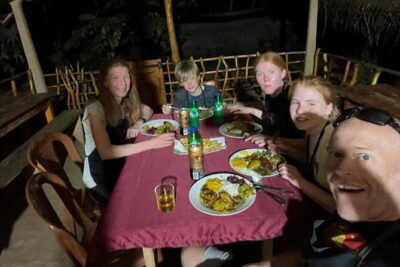
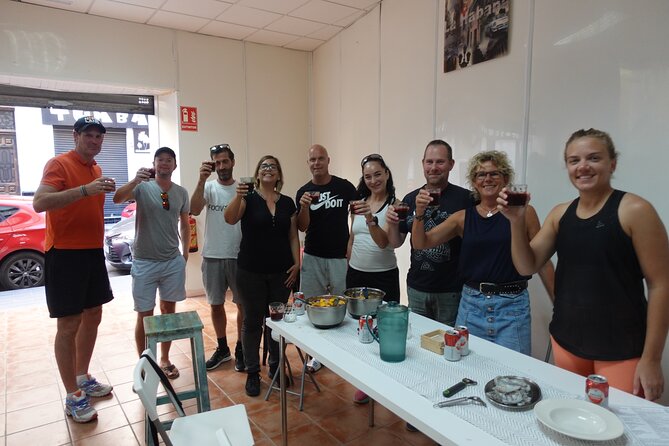
While your paella cooks, you enjoy tapas and you make sangria. It’s not an afterthought. It’s part of the rhythm of the meal: prep, cook, sip, snack, then sit down together.
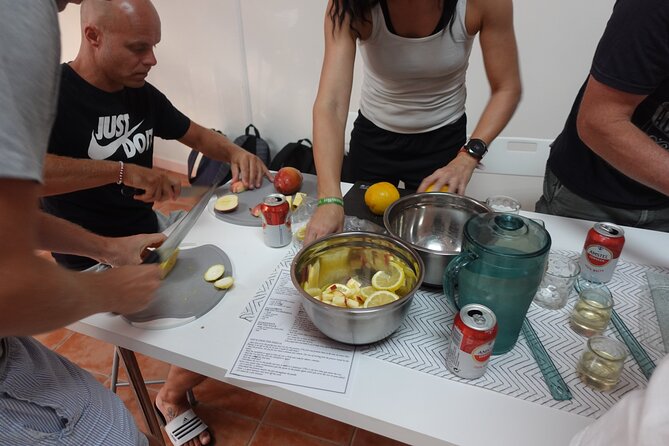
Sangria follows a traditional mixed formula. The class style is wine cut with orange juice and soda, plus additional flavor elements like syrup, liqueur, and fruit. If you’re expecting a wine-forward drink, it won’t feel that way. If you like sangria as a fruit-and-bubbles punch, this will fit right in.
Tapas during the process also help you understand the broader meal culture. From the menu side, you’re likely to see things like:
- tomato salad (including a salted fish version)
- crisps and olives
- cured meats such as Iberian ham
- and other Spanish snack-style sides
The big value is that you don’t just eat paella and go. You get the small plates that give Alicante its flavor habits—salty, briny, citrusy, cured-meat rich, and designed for sharing.
Group size (up to 16): why it feels personal instead of rushed
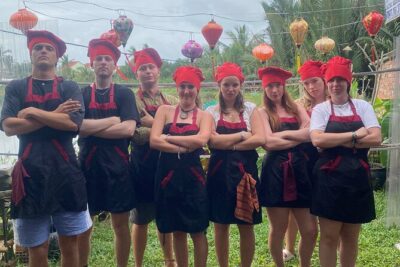
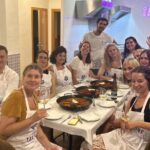
This workshop caps at 16 travelers, and the experience is described as a more personalized class with a maximum of 15 participants. That isn’t a throwaway detail. In cooking classes, the number of people decides everything: how much you can touch, how fast the host can correct mistakes, and whether you actually get a turn.
Smaller group days have happened too, with reports of groups around 7 or 8 people. When that happens, the whole thing feels like a chef-teaching-a-small-room setup—less waiting, more individual attention, and quicker confidence in what to do next.
Also, the guide experience helps. Federico is specifically noted for excellent English and for switching to Spanish when needed without losing clarity. That matters in a hands-on kitchen where timing and directions are part of the learning.
Price and value: is $59.26 worth it?
At $59.26 per person for about 3 hours 30 minutes, this sits in the midrange for a serious food workshop. The question is what you actually get for that price.
You’re paying for:
- market time with a guide who explains ingredients and choices
- hands-on cooking in a real kitchen
- paella made from scratch (with an option for seafood, meat, or vegetarian)
- sangria and tapas included with your meal
- a small-group format with guide + chef support
If you compare it to doing a paella dinner plus a separate market visit, it often won’t feel like the same value. A market stop can be free or cheap, but instruction on what to buy and how to use it isn’t. And a cooking class where you actively participate costs more than a simple meal, even in cities with lots of culinary tours.
Now the balanced part. One critical note you should factor in is that paella quality can’t be judged only by how huge the seafood pieces are, and sangria won’t taste like plain wine. The class is designed around authentic Alicante ratios and authentic local ingredients. If you come in expecting a seafood-heavy, chunk-forward paella and wine-only sangria, you might feel disappointed.
Who should book this Alicante cooking class?
Book it if you want a market-to-table experience with actual cooking steps, not just tasting. It’s great for:
- couples and small groups who want something more social than a museum day
- food lovers who like learning ingredient logic
- beginners who want clear, step-by-step direction
- anyone visiting Alicante who wants to eat like the city does, not like a generic tourist plate
Skip it if your top priority is eating with minimal effort. This is interactive. You’ll prep and cook. Also, be aware of the alcohol angle—18+ is required for alcohol consumption.
Quick practical tips before you go
- Wear comfy shoes for standing and walking through the market.
- Plan to stay present; the cooking rhythm moves through prep, cooking, and tasting.
- If you have dietary needs, paella choice (seafood/meat/vegetarian) helps, but you should still confirm anything specific when booking since ingredients are chosen from the market.
Also, you can cancel for a full refund if you cancel at least 24 hours in advance of the experience start time.
Should you book? The decision in plain terms
I’d book this if you want to understand paella in the Alicante way—through the base, the stock, the rice, and the ingredient choices you make at the Mercado Central. The small group size and real working kitchen make it feel like learning, not just entertainment.
I wouldn’t book it if you only want a big, showy seafood display or you dislike traditional sangria made with orange juice and soda. This class is authentic by design. Come with that mindset, and you’ll likely walk away with both a full belly and a clearer picture of how Alicante cooks.
FAQ
Where does the class start?
It starts at Plaza 25 de Mayo (Pl. 25 de Mayo, 03004 Alicante, Spain). The experience ends back at the same meeting point.
How long is the paella and sangria class?
It lasts about 3 hours 30 minutes.
Is the tour offered in English?
Yes. The experience is offered in English, and your guide will explain the process throughout.
Can I choose the paella type?
Yes. You can choose between seafood, meat, or vegetarian paella.
Is sangria included, and is there an age limit?
Sangria is included. The minimum age for alcohol consumption is 18 years old.
What’s the maximum group size?
It’s capped at a maximum of 16 travelers.
Do I need a printed ticket?
No. You’ll receive a mobile ticket, and confirmation is received at the time of booking.