REVIEW · UBUD
Bali : Experiences of Ubud Paon Cooking Class
Book on GetYourGuide →Operated by PT. Bintang Savaya Trans · Bookable on GetYourGuide
Spice shopping starts the story, and you’ll keep moving from fresh market ingredients to hands-on cooking. I love the Ubud market ingredient hunt and the host-led village kitchen guidance from Puspa that keeps things practical. One thing to consider: the class prioritizes spicy food, so you’ll want to be ready for real heat.
At $40 per person for 3–4 hours, this is one of those tours that fits into a Bali day without turning it into a full-time project. You cook, you eat what you make, and you get a feel for daily Balinese food culture through the process—not just a talk about it.
In This Review
- Key things that make this Ubud cooking class worth your time
- Ubud Market Meet-Up: choosing herbs, spices, and meat (8 am option)
- Paon Kitchen cooking class: learn by doing, not by watching
- Laplapan village return and the Puspa welcome
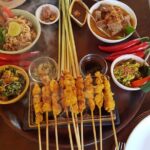
- The food you make: lunch that closes the loop
- What you’ll learn about Balinese food culture (and why it feels different)
- Small group format: why it improves the learning
- Timing and logistics: transfers, meeting point, and fitting it into your day
- Price and value: what $40 buys you in Bali terms
- Who this Bali cooking class is best for
- Should you book the Ubud Paon Cooking Class?
- FAQ
- Where is the meeting point?
- What time should I arrive?
- How long is the cooking class?
- Is lunch included?
- Is hotel pickup available?
- What language is the host or greeter?
- Does the class include admission and transfers?
- Is this a small group experience?
- What is the cancellation policy?
Key things that make this Ubud cooking class worth your time
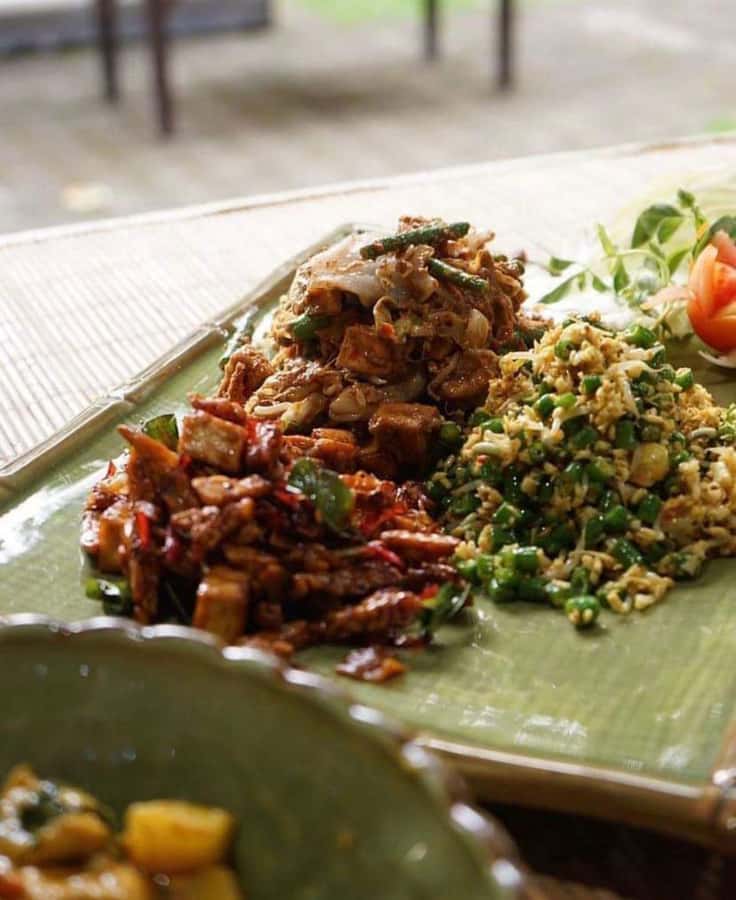
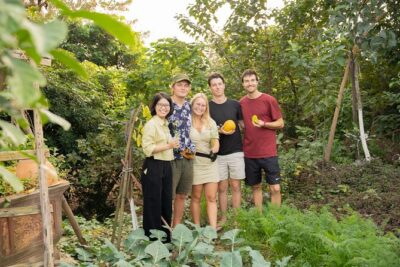
- Ubud markets as your first stop, where you pick herbs, spices, vegetables, and meat
- A real community village kitchen, not a staged demo
- Hands-on cooking with station rotation, so you don’t just watch
- Host guidance from Puspa, in English, with clear step-by-step help
- Lunch included, served from your own dishes
- A take-home recipe book, so your Bali flavors don’t end at the table
Ubud Market Meet-Up: choosing herbs, spices, and meat (8 am option)
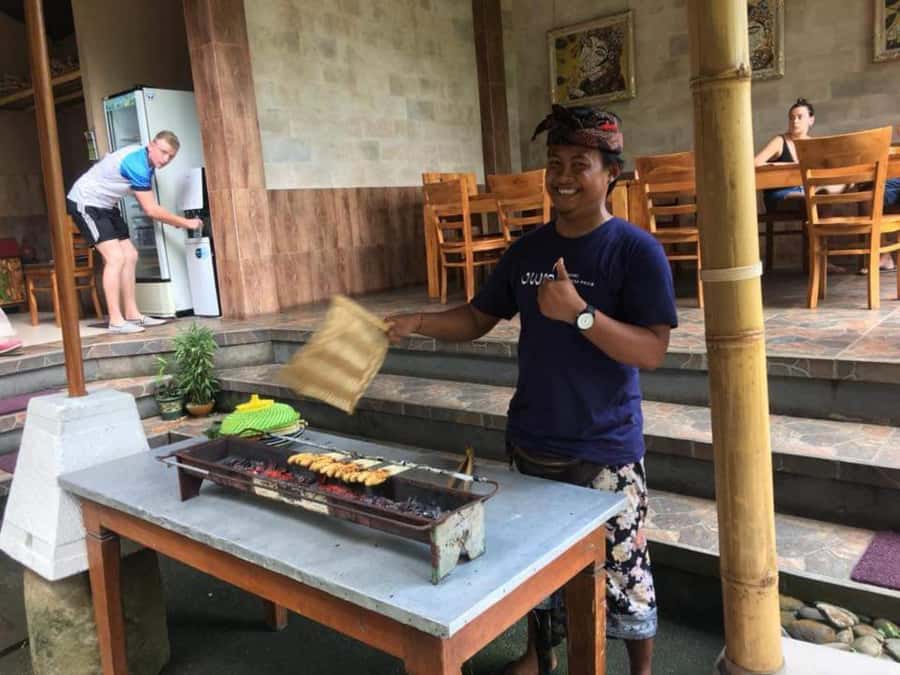
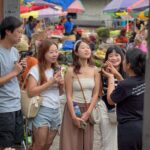
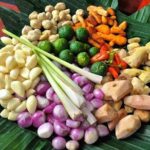
If you choose the morning option (around 8 am), you’ll meet at the Ubud markets. This is where the cooking class starts to feel real, because you’re not just learning recipes—you’re learning how Balinese cooking begins with ingredients you can actually recognize.
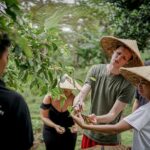
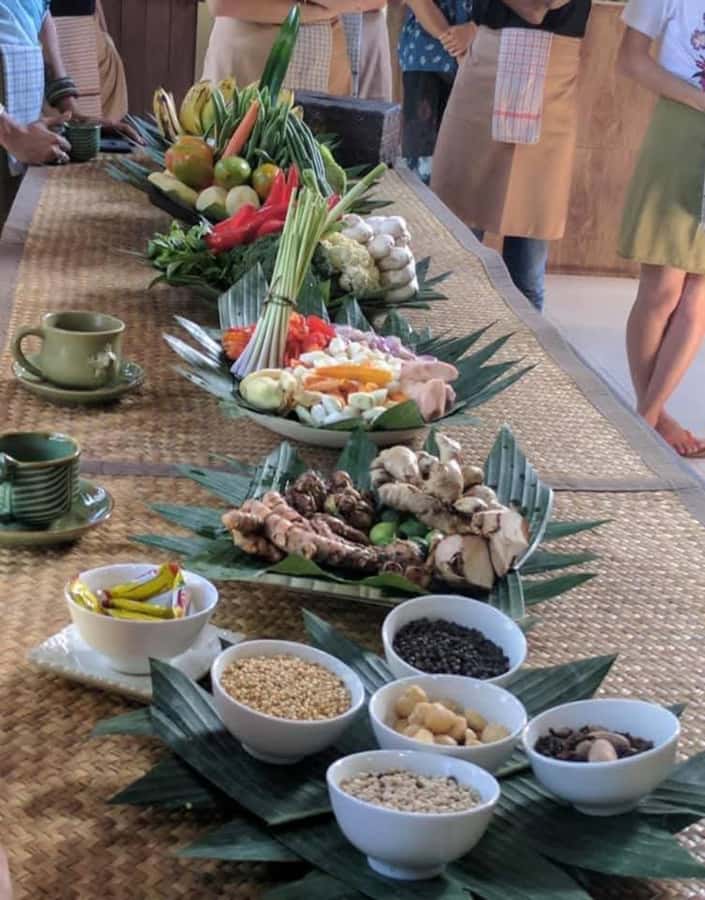
You’ll pick fresh herbs and spices, crisp vegetables, and choice cuts of meat before heading to the cooking kitchen. That first phase matters more than people expect. When you’ve smelled and selected the aromatics yourself, the later steps make more sense, and you can recreate flavors at home with less guesswork.
One practical tip: markets are busy and scents move fast. Arrive early enough to shop at a comfortable pace, and don’t be shy about asking what each ingredient does in the dish.
You can also read our reviews of more tours and experiences in Ubud.
Paon Kitchen cooking class: learn by doing, not by watching
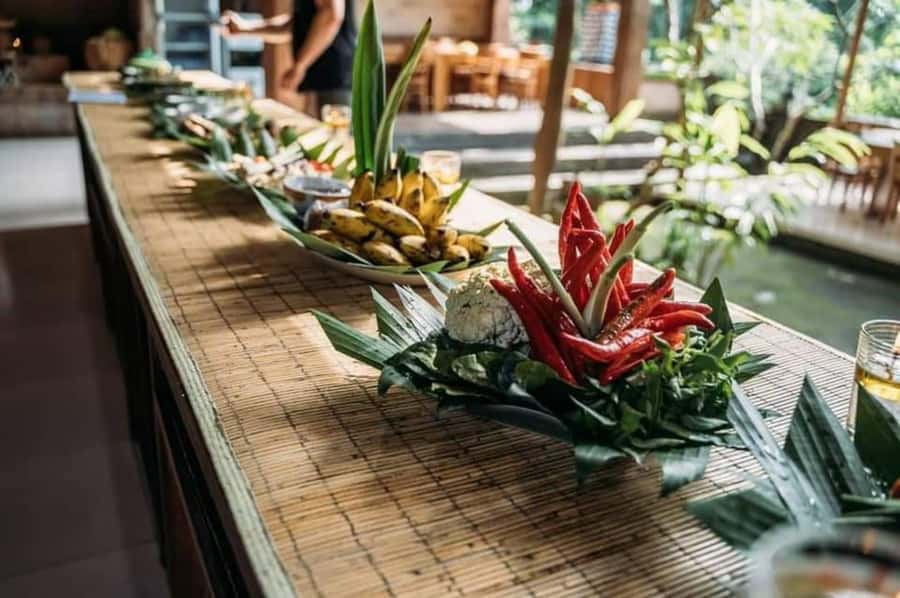
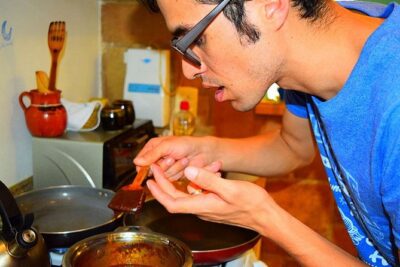
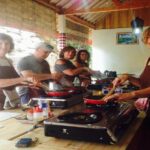
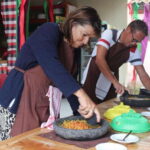
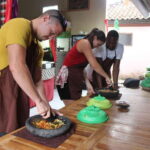
After the market stop, you head to the Paon Kitchen for the cooking part. This is a location cooking class in a fully equipped community village kitchen, so you’re working at a setup meant for cooking, not for taking photos.
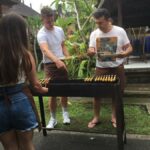
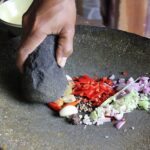
The class is built around making traditional Balinese dishes using traditional ingredients and preparation methods. In other words, you’re not only learning a list of steps. You’re learning the rhythm: prep, mixing, cooking, and tasting as you go.
A big reason people walk away happy is that the format supports real participation. You’ll have chances to work through different stations, so you’re not stuck doing one tiny task the whole time. You also get instruction in English, which keeps the details clear when it comes to spice handling and getting flavors right.
The focus is also on spicy food. If you like heat, you’ll probably feel like you’re in the right place. If you’re sensitive to spice, pay attention during the spice steps and ask your host how ingredients function so you can adjust later when you cook at home.
Laplapan village return and the Puspa welcome
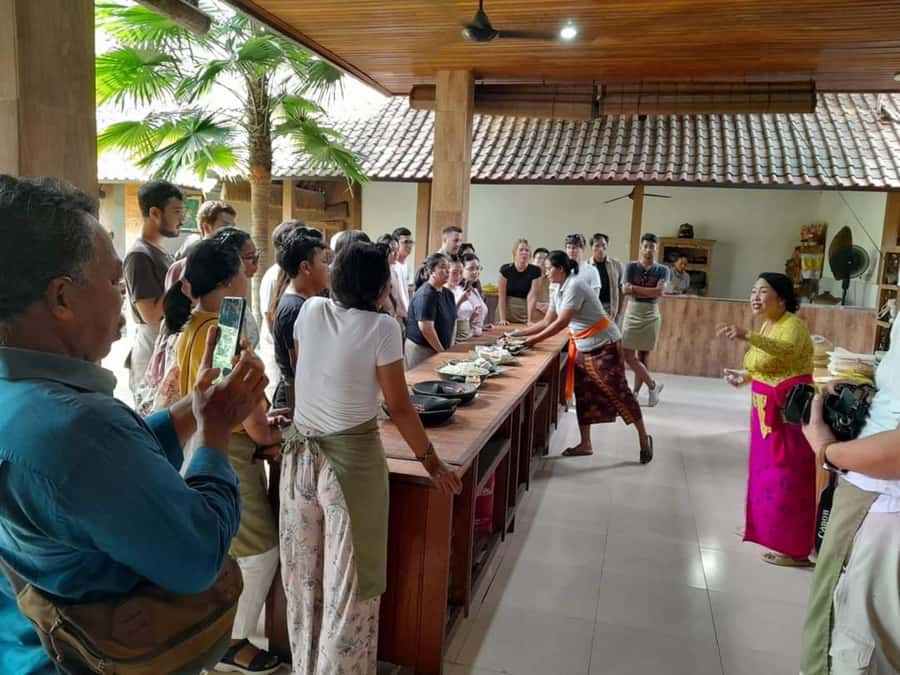
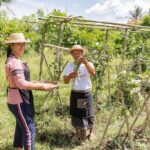
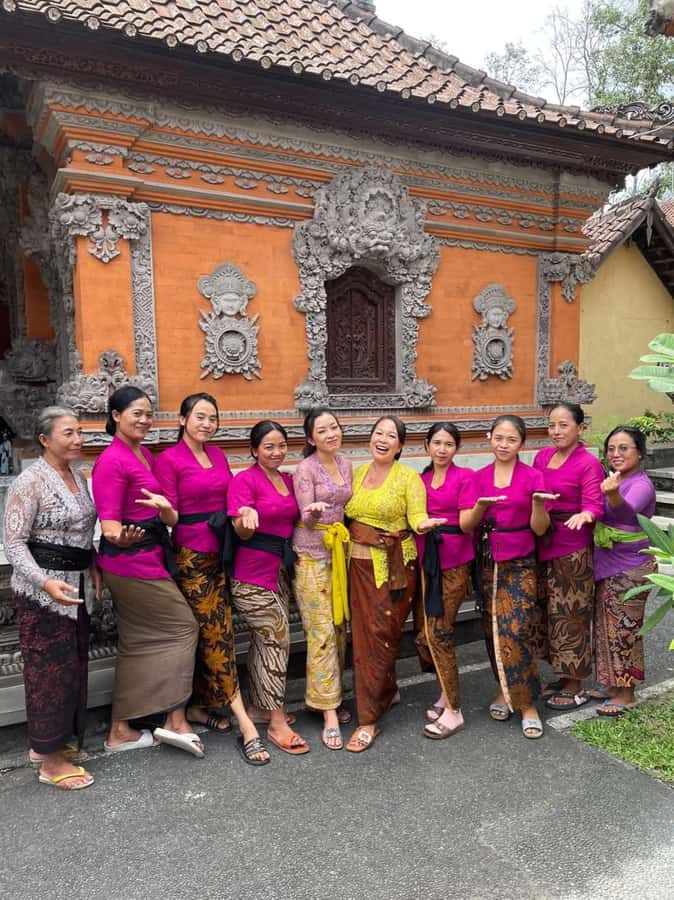
Once your cooking time is done, you return to Laplapan village. That’s where the day shifts from cooking mechanics to culture and hospitality, with a warm welcome and continued guidance from your host, Puspa.
This part matters because it turns the class into a more complete day. You’re not rushing from one stop to another like a checklist. Instead, you’re in a village setting where Balinese food culture is part of everyday life, not a performance for visitors.
Puspa’s role is to guide you in creating dishes that feel authentic, based on local tradition. You’ll learn how the finished flavors come together and why the method matters—especially when working with spices, aromatics, and the ingredient style common in Bali.
The food you make: lunch that closes the loop
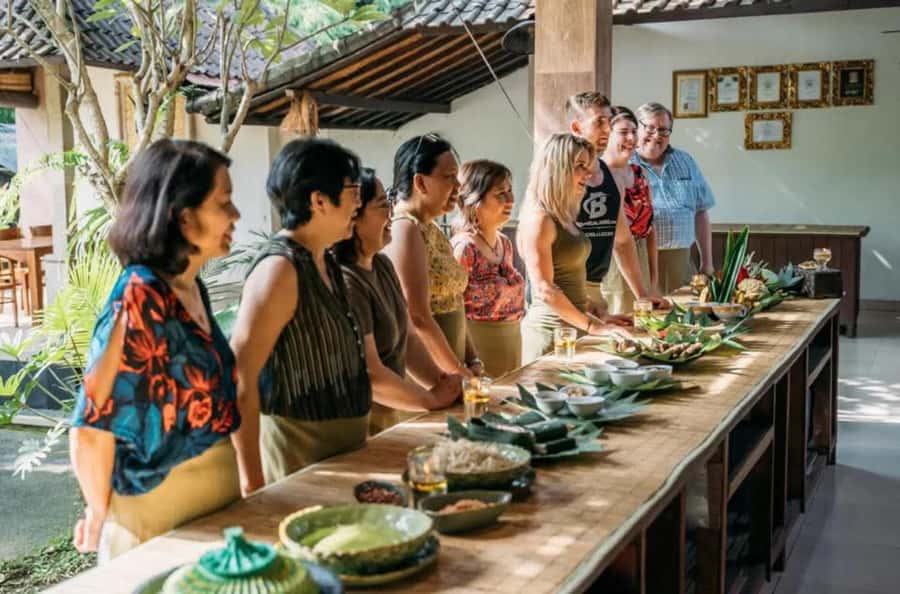
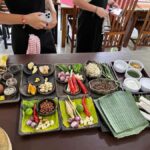
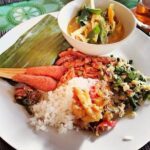
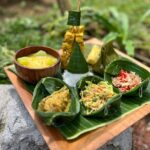
Lunch is included, and the key detail is that it’s not random. You enjoy your own cooking after the class, which makes the learning stick.
This is one of those underrated tour features. If you only cook the food and never taste it in a finished form, the experience can feel incomplete. Here, you get to see whether the spice choices and prep steps worked—then you can connect the dots in your head right away.
If you’re the type who likes to understand what changes flavor, lunch is where you’ll notice the results. You may also get tips on how to recreate the dishes later, including ingredient alternatives for home cooking.
What you’ll learn about Balinese food culture (and why it feels different)
This class is about more than recipes. It’s about the food culture and spirit behind Balinese life, taught through cooking itself.
Here’s what that usually means in practice:
- You see how everyday ingredients become a meal.
- You learn how spices are used as more than decoration.
- You understand why specific preparation methods are part of the final taste.
The “spirit” piece is hard to measure, but you can feel it when the host keeps the tone practical and warm instead of formal. And when you cook in a community kitchen, you tend to pick up the idea that this is normal life, not a staged show.
One practical bonus from the class format: you’ll learn how to think about ingredients. The experience includes tips and alternatives for ingredients so you’re not stuck trying to buy exact Bali products when you’re back home.

Small group format: why it improves the learning
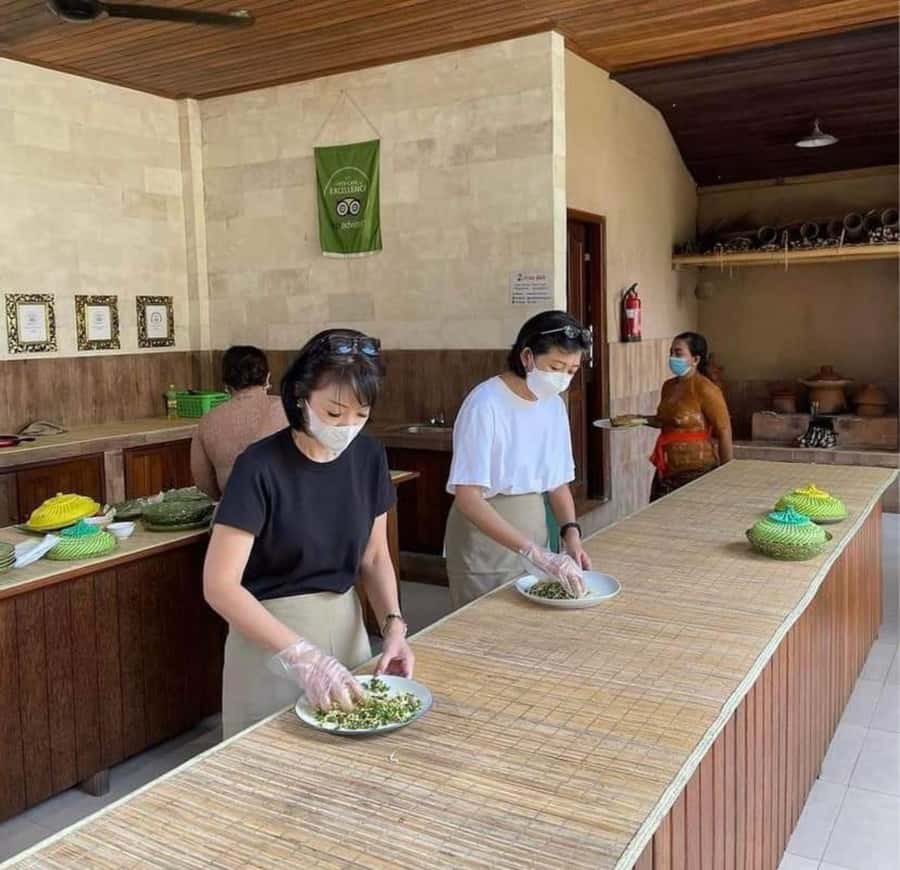
This is a small group available experience. That matters, because cooking classes can go two ways: you either get support, or you get left behind.
With a smaller group, it’s easier for the host to notice what you’re doing, adjust your technique, and help with questions as they come up. It also makes it more comfortable to work with spicy ingredients, because you’re more likely to get guidance quickly if something feels off.
If you’re traveling solo or with friends and you want a hands-on class without the chaos of a big crowd, this size fits well. You also get a more personal vibe during the village welcome at the end.
Timing and logistics: transfers, meeting point, and fitting it into your day
The total duration is 3–4 hours. That’s long enough to shop for ingredients (if you choose the morning 8 am option) and still keep your afternoon open.
Meeting point details are simple: you meet at the location, and you should arrive 10 minutes before starting activity. If you’re doing the morning option, that meeting point is at the Ubud markets.
Transport is included if you select it. The tour includes transfer and return from your hotel (option selected). If you don’t select hotel pickup and want pickup instead, it’s available in the Ubud area, Canggu, and Sanur. Pickup outside those areas applies a $5 USD per person charge.
Why this matters: Bali traffic and distances can quietly ruin a schedule. A short, structured cooking window plus optional pickup gives you a better chance to keep the rest of your day stress-free.
Price and value: what $40 buys you in Bali terms
$40 per person sounds straightforward, but the value comes from what’s included. You get:
- Transfer and return from your hotel if you choose that option
- Admission for the cooking class
- Lunch
- A hands-on class centered on traditional preparation methods
When food tours are expensive, it’s often because you’re paying for a meal you didn’t cook. Here, your $40 goes toward a skill-based experience: you shop for ingredients, cook multiple steps, and then eat what you made.
For me, the biggest “value” signal is that it’s not only about watching. You get support in English, you work through the cooking process, and you leave with tools to recreate at home, like ingredient alternatives and a recipe resource.
Who this Bali cooking class is best for
This experience is a strong match if you:
- Want a hands-on Ubud cooking class with real ingredients
- Like learning why recipes work, not only what to do
- Prefer a small group format where you can ask questions
- Want lunch included in a short, well-timed half-day activity
- Enjoy spice and want to learn Balinese recipes at their core flavor level
It’s also a good option for people who are curious about daily Balinese food culture. You’re not just collecting photos; you’re participating in the process that shapes everyday meals.
If you’re avoiding spice completely, the tour’s stated priority on spicy food is worth taking seriously. You might still enjoy the experience, but go in expecting heat and focus on learning the ingredient logic so you can adapt later.
Should you book the Ubud Paon Cooking Class?
I think it’s worth booking if you want a half-day that actually teaches you something you can use after Bali. The combination of market ingredient selection, a village kitchen cooking setup, and lunch you make is a clean recipe for a satisfying day.
Book it if you like interactive classes, want guidance from Puspa in English, and care about getting ingredient tips you can apply at home. Skip it only if spicy flavors would make the experience uncomfortable for you.
If you’re unsure, use this quick filter: you’ll enjoy it most when you’re excited to cook, not just to eat.
FAQ
Where is the meeting point?
The meeting point is at the activity location. If you choose the morning option (8 am), you meet at the Ubud markets.
What time should I arrive?
Please arrive about 10 minutes before the activity starts.
How long is the cooking class?
The duration is 3–4 hours.
Is lunch included?
Yes. Lunch is included with the class.
Is hotel pickup available?
Pickup is optional in the Ubud area, Canggu, and Sanur. If you’re outside those areas, a $5 USD per person charge applies. Hotel transfer is included when you select the option.
What language is the host or greeter?
The host or greeter speaks English.
Does the class include admission and transfers?
Admission for the cooking class is included. Transfer and return from your hotel are included if you select that option.
Is this a small group experience?
Yes, small group availability is offered.
What is the cancellation policy?
You can cancel up to 24 hours in advance for a full refund.