REVIEW · CHENNAI
Traditional Cooking Class in Chennai in a Local Home with Sundari
Book on Viator →Operated by Traveling Spoon · Bookable on Viator
Cooking at home in Chennai feels like visiting family. I love Sundari’s welcome in her converted in-laws’ house, surrounded by fruit trees and traditional art, because it immediately feels personal instead of staged.
You’ll also love the hands-on Tamil Brahmin vegetarian focus. You cook about 4–5 dishes (think sambar, rasam, vegetable curry, and dosas), then eat in the traditional way—either on banana leaves or on stainless steel plates.
One possible drawback: the menu can vary by season, so you need a little flexibility. And since it’s a real home-kitchen cooking class, you should be ready for a practical, hands-on pace rather than a sit-and-watch demo.
In This Review
- Key things that make this class worth your time
- A Tamil Brahmin Kitchen, in a Converted In-Laws’ House
- Before You Cook: Meeting in Adyar With Traveling Spoon
- The Cooking Session: 4–5 Tamil Vegetarian Dishes, Real Technique Time
- What you’ll do (and what it feels like)
- Lunch or Dinner Choice: Eating What You Cook, Tamil Style
- Nonalcoholic beverages are included
- Sundari and Krishna: Why the Family Tone Changes Everything
- Price and Value: Is $78 Worth a 3-Hour Private Class?
- Practical Tips So You Enjoy It From Start to Finish
- Who Should Book This Chennai Cooking Class?
- Should You Book It?
- FAQ
- How long is the cooking class?
- What does the class include?
- Is it private or shared?
- Where does the experience start?
- How many dishes will I cook?
- Can I choose between lunch and dinner?
- What food might be on the menu?
- Do I eat on banana leaves?
Key things that make this class worth your time
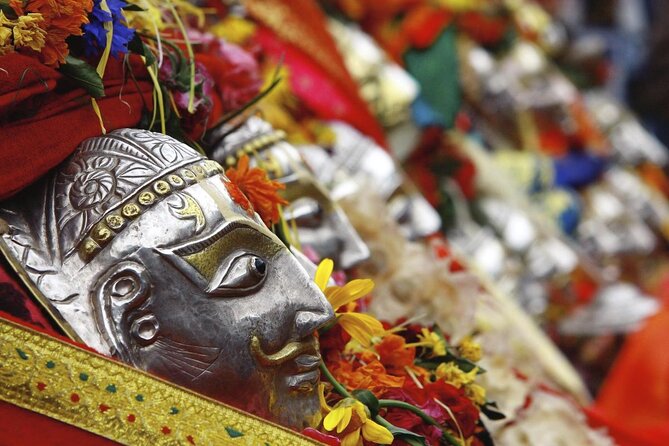
- A home setting, not a restaurant: fruit trees, traditional decor, and a converted in-laws’ space that feels lived-in.
- Tamil Brahmin vegetarian cooking: a clear, focused cuisine with deep family tradition behind it.
- 4–5 dishes in about 3 hours: enough variety to learn techniques, not just recipes.
- Banana leaf dining: you eat your food the traditional way, not just receive a plate.
- Dinner or lunch, with nonalcoholic drinks included: you can pick the meal that fits your day.
- Family atmosphere: if you go for dinner or a weekend session, you may meet Sundari’s husband, Krishna.
A Tamil Brahmin Kitchen, in a Converted In-Laws’ House
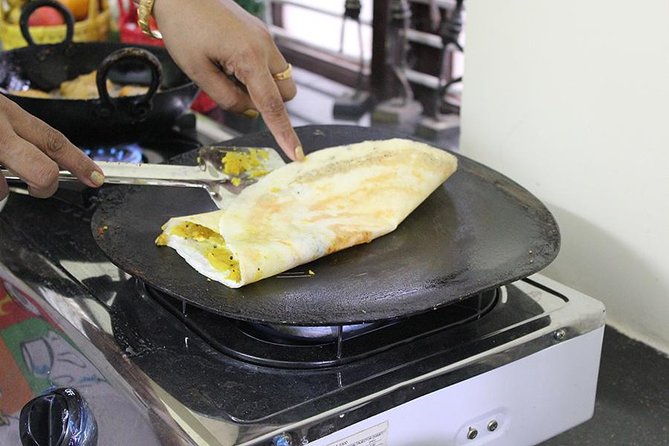
This is the kind of meal experience that starts before the stove. You’re meeting Sundari in a home that has been thoughtfully adapted from family space—one of those places where you can tell people live a normal life here, not a performance life. The fruit trees and traditional art and decor matter because they set expectations: you’re not just learning recipes. You’re stepping into how a South Indian household talks about food.
Sundari comes across as warm and cheerful, and she’s passionate about what she cooks. She’s been a cook since she was eight, and that shows in the way she teaches—confident, but friendly. You’ll feel like you’re being taught by someone who actually cares that you understand what you’re doing.
You can also read our reviews of more tours and experiences in Chennai.
Before You Cook: Meeting in Adyar With Traveling Spoon
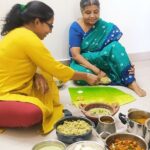
The experience starts in Adyar, Chennai, and Traveling Spoon is the point of contact. Practically, this is helpful because you’re not trying to hunt down a random address on your own. Once you meet up, you’ll head to Sundari’s home setup where the rest of the class takes place.
This is also a private, personalized experience—only your group. That matters more than it sounds. In a home kitchen, space is limited. A private format means you can ask questions without everyone else hovering, and Sundari can pace the lesson for your group rather than rushing through a big class.
You’ll have a mobile ticket for the experience, so plan to keep it handy on your phone the day of.
The Cooking Session: 4–5 Tamil Vegetarian Dishes, Real Technique Time
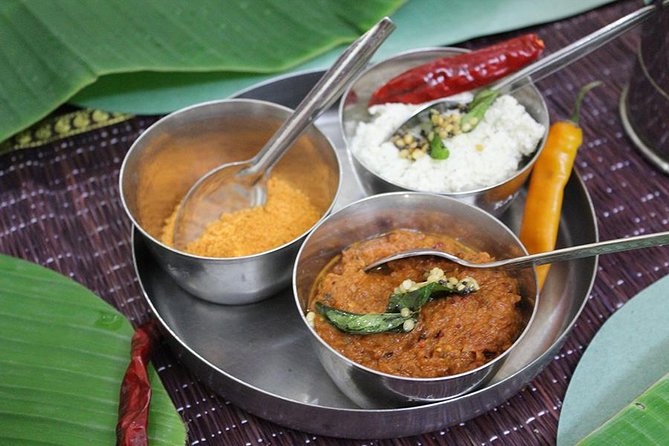
The heart of this class is the cooking. First, Sundari introduces the dishes you’ll prepare, so you understand what you’re aiming for. Then you roll up your sleeves and get hands-on in the kitchen.
You’ll work on a typical meal made the Tamil Brahmin way, and you’ll usually cook 4–5 dishes. The exact menu changes with the season, but you can expect South Indian vegetarian staples such as:
- vegetable curry
- sambar
- rasam
- dosas
Here’s why that matters for your learning. If you only ate these dishes in a restaurant, you might remember flavors but miss the logic. In the kitchen, you see how components connect—how sour, spice, and aromatics balance each other, and how each dish has its own rhythm. Cooking several dishes in one sitting teaches you patterns, like how the base flavors relate across dishes even when the final taste differs.
What you’ll do (and what it feels like)
It’s not a slow, lecture-only class. It’s practical cooking in a home setting. That means expect steps that take coordination—mixing, prepping, and timing parts so everything finishes around the same time.
Because the host is using her family’s traditional methods, you also pick up the “why” behind how things are done, even when you’re just focused on getting through the motions. That’s the real value: you don’t just leave with a list of dishes—you leave with a sense of process.
Lunch or Dinner Choice: Eating What You Cook, Tamil Style
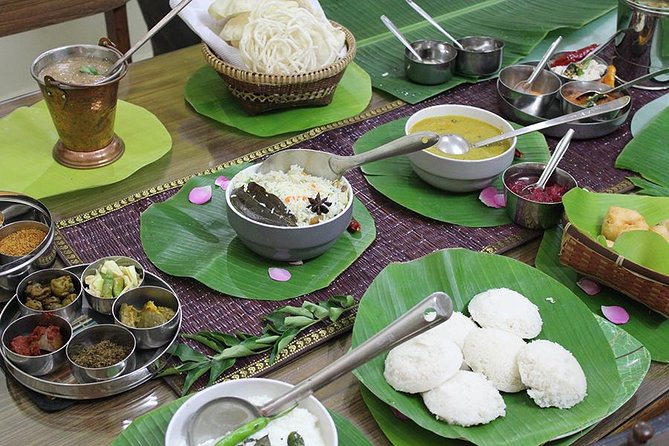
After cooking, you sit down to enjoy what you made. This is where the experience turns from skill-building into culture.
You’ll eat your meal in the traditional way, either:
- on banana leaves, or
- on stainless steel plates
Eating with your hands is part of the tradition, and using banana leaves in particular makes it feel special—because it’s how the meal is normally served in households. Stainless steel is the practical alternative, and your host will guide you on what works best.
The lesson doesn’t end at the last bite. This is a meal experience, not just a workshop. Sundari’s approach makes space for conversation, so you’re not just tasting food in silence—you’re learning how people talk about food at the table.
Nonalcoholic beverages are included
You also get nonalcoholic beverages included with the meal. For planning, that’s one less thing to think about during your day. You can focus on eating comfortably without having to coordinate drinks separately.
Sundari and Krishna: Why the Family Tone Changes Everything
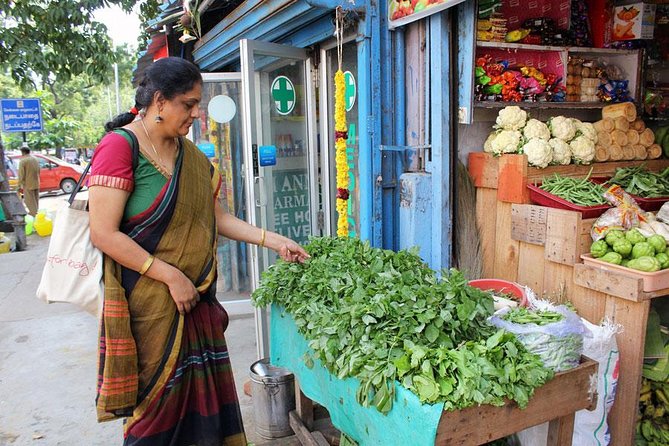
Sundari isn’t just teaching a recipe. She’s sharing a family food culture. She’s been cooking for years, and her knowledge shows in the way she keeps the mood friendly. You’ll feel welcomed in her home, which is exactly what makes this kind of class memorable.
Another big reason people love this experience is the family aspect. If you join for dinner or a weekend session, you may meet her husband, Krishna. The data here points to him as a true foodie who enjoys meeting new people and adding lively conversations to the meal.
That matters because it turns the night into an exchange, not a transaction. You’ll likely ask questions you wouldn’t ask in a restaurant—about ingredients, about why certain dishes show up in certain meals, and about how vegetarian cooking works in real households.
And yes, that home setting can also make the experience feel more forgiving. If something takes longer than expected in a kitchen, a warm host can smooth things out without making you feel like you’re failing at cooking.
Price and Value: Is $78 Worth a 3-Hour Private Class?
At $78 per person for an experience that runs about 3 hours, you’re paying for more than recipes. You’re paying for:
- a private setting in someone’s real home
- hands-on instruction focused on Tamil Brahmin vegetarian cooking
- cooking and eating a full traditional meal you helped prepare
- nonalcoholic beverages included
- a guided experience that saves you the stress of figuring out how to do all this on your own
If you’ve taken cooking classes before, you might know the range: some are very formulaic, some feel like a show, and some are basic tastings with little real cooking. This one leans toward the practical side. You cook multiple dishes, you eat them immediately afterward, and the banana leaf dining gives it a cultural “finish” that restaurants rarely replicate.
The one trade-off is that it’s a seasonal menu. You’re not guaranteed a single fixed lineup of dishes every time. But for most people, that flexibility is part of the charm. It keeps the class tied to what’s actually available and what makes sense to cook when.
Practical Tips So You Enjoy It From Start to Finish
Here’s how to get the most out of your time in Sundari’s home kitchen:
First, come ready to participate. This isn’t a sit back and watch class. You’ll be cooking, and that’s where the learning happens.
Second, plan for a traditional meal format. Eating on banana leaves with your hands can feel new if you’ve never done it before, but you’re not on your own. Your host will guide you, and the whole point is to make it understandable and comfortable.
Third, tell the host ahead of time about restrictions. The experience data specifically asks you to advise at booking if anyone in your group has allergies, dietary restrictions, or specific cooking preferences. Don’t wait until you arrive to sort it out.
Fourth, keep your day flexible. The lesson is about 3 hours, but home-based cooking can naturally take a little time. It’s not a train schedule—expect a real kitchen rhythm.
And finally, if your schedule is tight, remember you can choose dinner or lunch options. Picking the timing that fits your day can make the whole experience feel smoother.
Who Should Book This Chennai Cooking Class?
This class is a great fit if you want any of the following:
- Hands-on cooking rather than a restaurant meal
- Tamil Brahmin vegetarian fare, with a clear cultural context
- a private experience in a real home setting
- a chance to learn how dishes connect as a full South Indian vegetarian meal
It also works well for food-first travelers who enjoy asking questions and chatting at the table.
You might think twice if:
- you’re very uncomfortable with hands-on cooking in a home kitchen environment
- you need a perfectly fixed menu (since it may vary by season)
- you strongly dislike vegetarian food as a concept (the focus here is vegetarian by design)
Should You Book It?
If your idea of a great travel day is learning how food is made, then eating it immediately—this is a strong choice. Sundari’s teaching style and the warm home atmosphere are the standout reasons to go, and the banana leaf dining adds a “real life” finish that you don’t get from a typical meal out.
I’d book it if you’re excited by South Indian vegetarian cooking and you want a personal, private setting. I’d also book it if you like experiences where conversation matters as much as the food.
One last decision helper: if you have dietary needs, communicate them early. The experience is designed to handle allergies and restrictions when you share them at booking, so doing that upfront protects your comfort and your confidence at the table.
FAQ
How long is the cooking class?
It runs for about 3 hours.
What does the class include?
You’ll cook several South Indian vegetarian dishes with Sundari and then enjoy the meal with nonalcoholic beverages.
Is it private or shared?
It’s private. Only your group participates.
Where does the experience start?
It starts in Adyar, Chennai, Tamil Nadu, India.
How many dishes will I cook?
You’ll cook about 4–5 dishes.
Can I choose between lunch and dinner?
Yes. You can choose dinner or lunch options.
What food might be on the menu?
Dishes may include vegetable curry, sambar, rasam, or dosas, and the menu may vary depending on the season.
Do I eat on banana leaves?
You may eat on fresh banana leaves for an authentic experience, or you can eat on stainless steel plates.