REVIEW · BANGKOK
Thai Spices Hands On by Mahanakorn Thai Cooking class
Book on GetYourGuide →Operated by Mahanakorn · Bookable on GetYourGuide
Spices meet patience at a Bangkok temple. In Thai Spices Hands On, I love the small-group pace and the English-led chef guidance, with Wat Pak Nam setting a calm, focused mood. One heads-up: it’s a structured 3-hour experience, so it’s more cooking than wandering.
You’ll meet at Wat Pak Nam (main entrance or by the Big Buddha statue), then get to work with fresh, local ingredients. Expect a spice-and-flavor intro, hands-on cooking of Thai classics (often Tom Yum and Pad Thai), and a shared sit-down meal at the end.
In This Review
- Key highlights you’ll feel fast
- Wat Pak Nam: why the temple meeting point is more than scenery
- Getting there from Bangkok: BTS and river options that actually work
- The 3-hour flow: spice intro, hands-on cooking, shared meal
- Hands-on cooking: what you learn beyond the recipe
- Meeting your instructor: warm, personal coaching in English
- The food you’ll make: classics you can recreate at home
- Price and value: why $33 feels fair for what you get
- What to bring (and the small choices that make it easier)
- Who should book this Thai spices cooking class?
- Should you book Thai Spices Hands On by Mahanakorn?
- FAQ
- Where is the meeting point?
- How long is the Thai Spices Hands On class?
- What does the class cost and what does it include?
- Is the instructor English-speaking?
- How large is the group?
- Is transportation included from your hotel?
- Is alcohol included with the meal?
- What should I bring?
- Is there free cancellation?
Key highlights you’ll feel fast
- Wat Pak Nam as the start point: you begin at a real temple setting instead of an anonymous classroom.
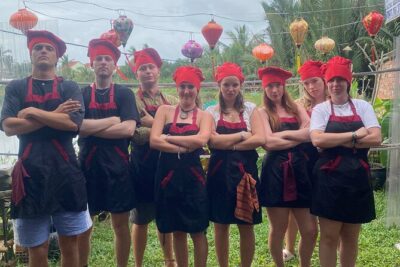
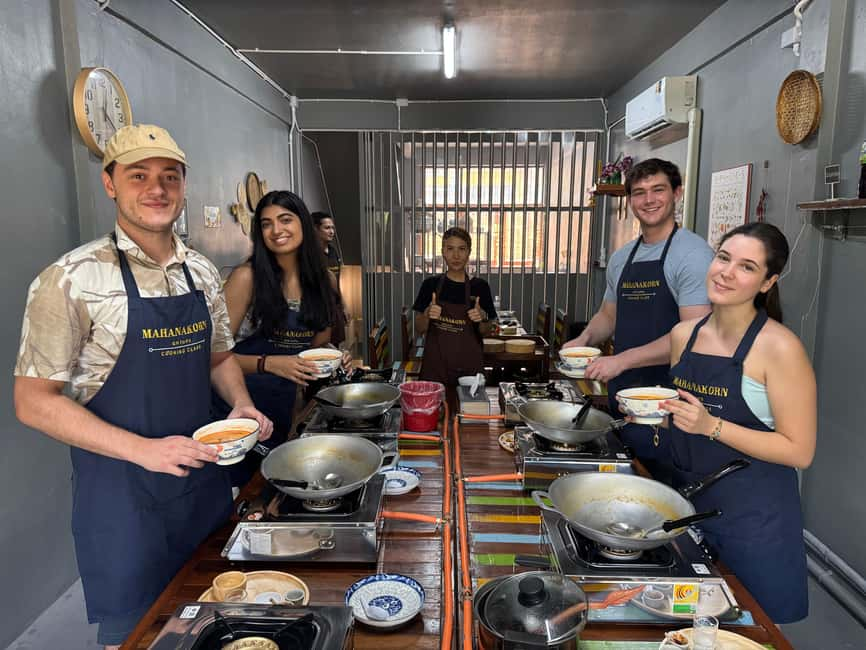
- Small group of up to 10: more personal coaching while you chop, stir, and taste.
- Hands-on spice learning: you don’t just hear about Thai flavors—you practice them.
- Classic dishes, not just one course: a full lineup that often includes soup, curry, Pad Thai, and sticky rice.
- English instruction: clear steps and explanations without the language guessing game.
- You eat what you cook: the meal is part of the class, not an afterthought.
Wat Pak Nam: why the temple meeting point is more than scenery
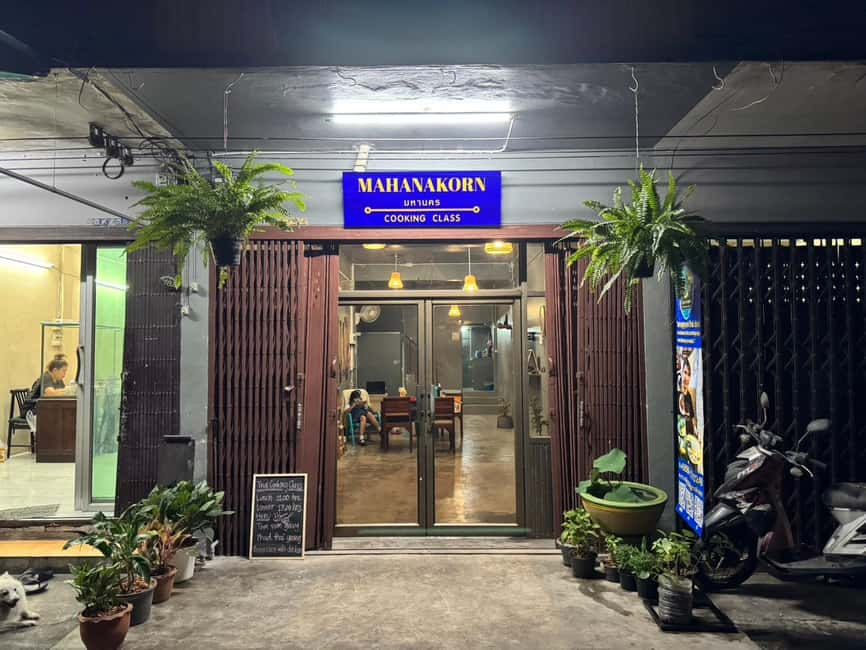
This class starts where it should: at Wat Pak Nam, with the main entrance as a clear meeting point (or by the Big Buddha statue). That matters because it shifts the vibe. You’re not just “signing up for cooking.” You’re stepping into Thai food culture in the real place where people live, pray, and hang out.
The best part is that the temple setting supports what the class is actually teaching: how Thai cooking is built. Thai food is all about balance—spicy, salty, sour, sweet—plus aromatics that arrive early (garlic, ginger, lemongrass) and flavor that grows as you cook (curry paste, simmered sauces). Being at Wat Pak Nam helps you pay attention. You’re calmer. You’re more present. And when you’re focused, the cooking instructions stick.
You also skip the ticket line, so you’re not stuck waiting while everyone else gets hungry. It keeps the morning or afternoon moving.
You can also read our reviews of more tours and experiences in Bangkok.
Getting there from Bangkok: BTS and river options that actually work
The meeting area is easy to reach, but it’s not on top of the BTS station. Plan for a short last-mile ride.
Option 1: BTS
- Take the BTS to Wutthakat Station (Exit 2)
- Then take a 5–10 minute taxi or motorbike ride to Wat Pak Nam
Option 2: River Express
- Take the Chao Phraya River Express to Phasi Charoen Pier
- Then take a short tuk-tuk ride to the temple
I like these options because they let you avoid a full taxi trip across town. Still, treat the last-mile hop as part of the plan. Don’t show up at the meeting point with zero buffer time—Thai traffic and ride waits happen.
If you’re sensitive to rushing, give yourself extra time before the class starts. Shoes you can walk in will help too, since you may do a little moving around the meeting area and cooking space.
The 3-hour flow: spice intro, hands-on cooking, shared meal
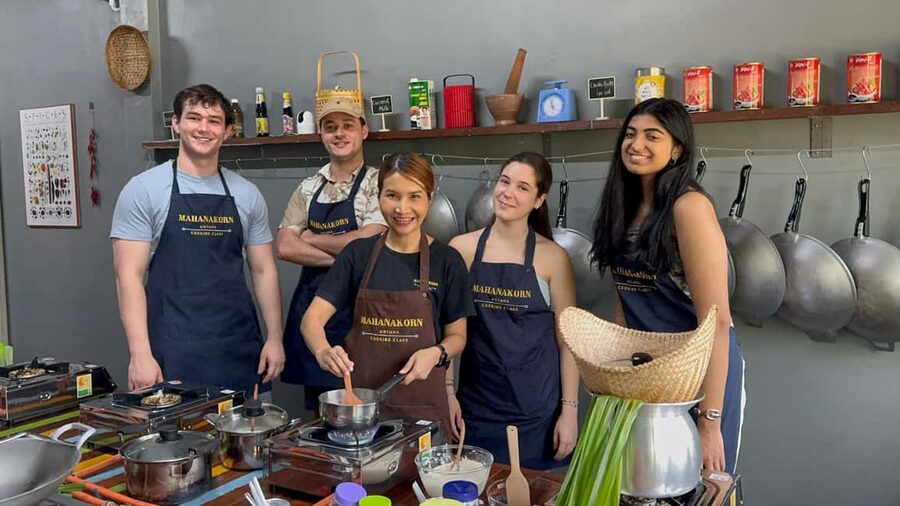
The class runs about 3 hours, and the structure is simple: spice learning, cooking practice, then eating the results together.
Here’s what that looks like in real life:
- Start with Thai spices and flavors
You get an introduction to how Thai dishes build flavor—what spices are doing the work, and how different ingredients change the final taste.
- Hands-on cooking with a local chef
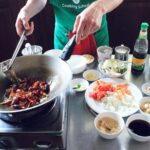
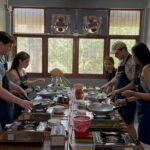
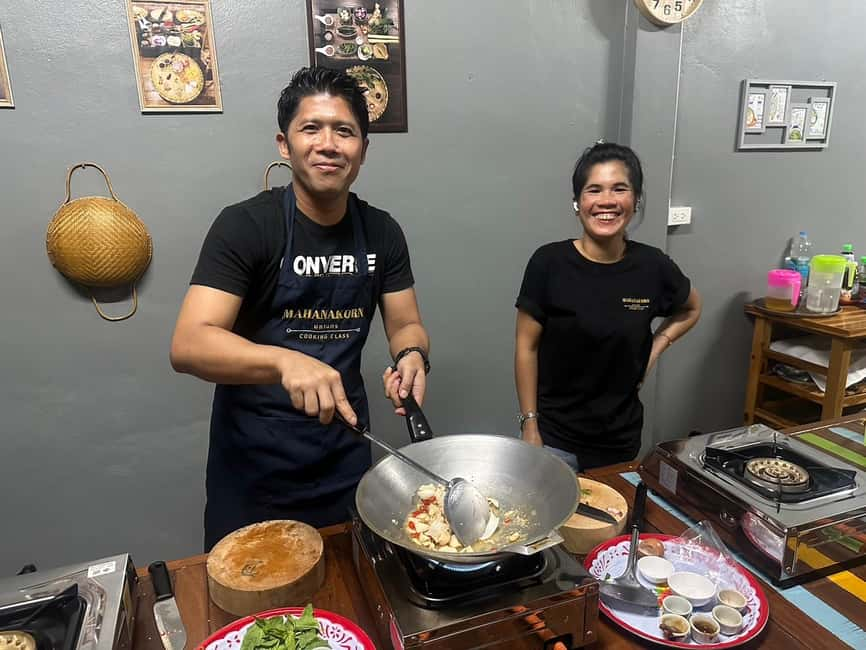
You cook Thai staples using fresh, local ingredients. You’re not just watching. You’re following steps and making decisions—how long to stir, when to add paste, and how to balance the flavors.
- Sit down and enjoy the meal you made
This part is a big deal. You can taste what your choices did, then compare notes with your group.
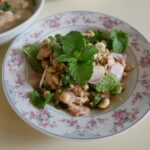
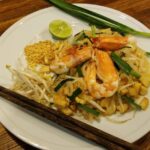
The menu isn’t a mystery. Based on what’s commonly made in this class, you can expect dishes in the Thai “greatest hits” category—often Tom Yum soup, Pad Thai, a green curry, and a mango sticky rice-style dessert. You may also see a rich curry sauce and coconut-style sticky rice depending on the exact batch that day.
That’s why I think this is good value. A lot of classes teach one dish and call it a day. Here, you typically cook multiple courses, then eat them while the food is still hot and the lesson is fresh in your head.
Hands-on cooking: what you learn beyond the recipe
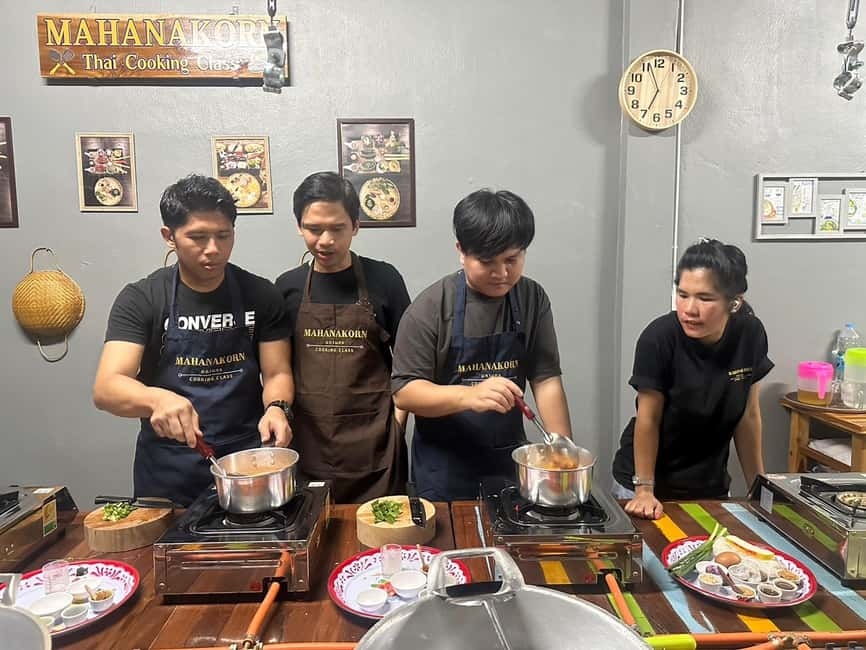
Thai cooking isn’t only about having the right ingredients. It’s about timing and balance—when heat hits, when aromatics bloom, and how sour and sweet land on your palate.
In this class, you’ll practice the fundamentals in a way that’s hard to replicate from a YouTube video:
- How to recognize flavor directions: sour vs. spicy vs. salty doesn’t always taste strong, but it steers the whole dish.
- How Thai sauces and pastes behave: curry paste and stir-fry seasoning don’t just “add taste.” They build a base.
- How to adjust as you go: you’ll learn what to tweak so the dish tastes right, not just “close enough.”
And yes, the class covers more than curry. The focus is broad—curries, stir-fries, and classic Thai dishes—so you’re building a toolkit rather than memorizing one workflow.
If you’re a beginner, this matters. You can go home knowing you actually learned technique, not just a list of ingredients. If you’re an experienced cook, you’ll probably like how the instruction explains the why behind flavor, not just the what.
Meeting your instructor: warm, personal coaching in English
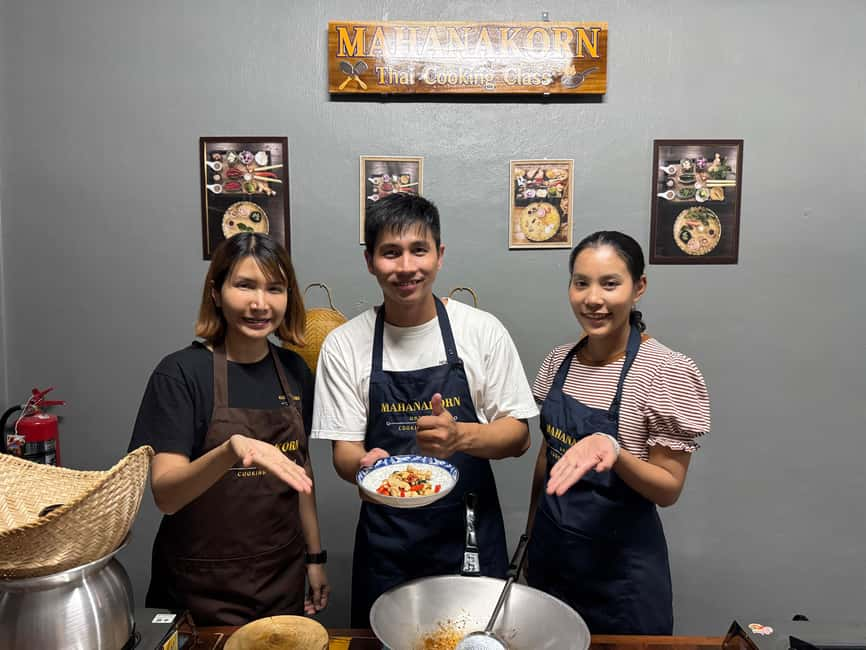
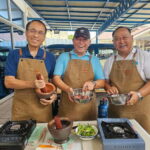
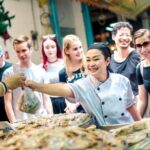
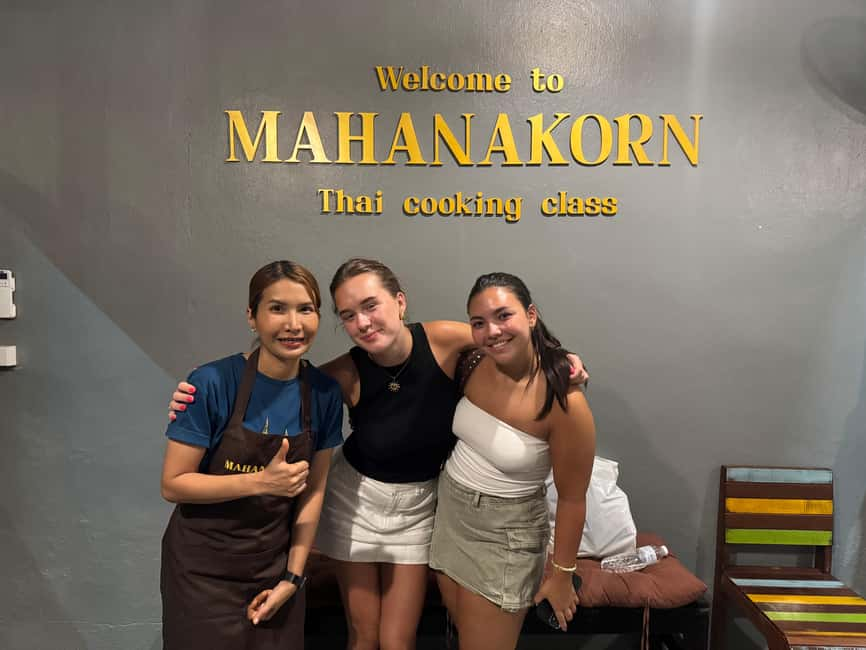
One reason this class gets consistently high marks is the people running it. The instruction is in English, and you’re guided by a local chef in a small setting.
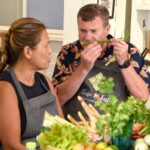
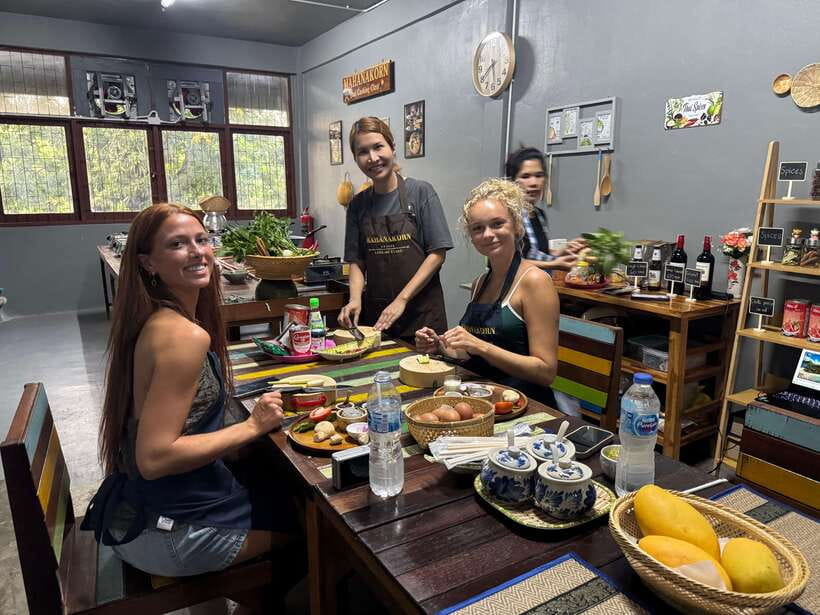
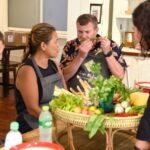
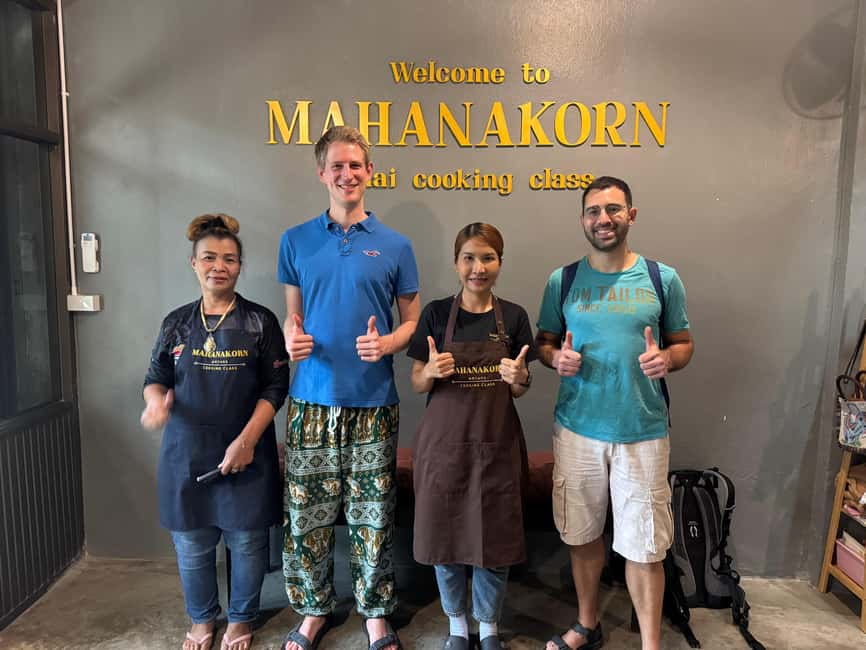
In particular, multiple participants highlight Joyce and her family for being welcoming and organized—like you’re invited to cook with someone, not herded through a production schedule. That personal tone shows up in the pacing too. You get chances to ask questions while you cook, and you’re not stuck guessing what went wrong when a sauce tastes off.
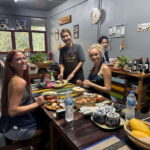
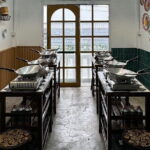
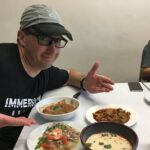
You may also notice that the class is comfortable and calm. Ingredients are described as fresh, and the studio setup includes a table where you can sit down and eat together.
This is the rare cooking class where the social side doesn’t overpower the cooking. It’s helpful because Thai cooking rewards attention. You want to see your guide’s hands and hear the instructions clearly.
The food you’ll make: classics you can recreate at home
Let’s talk about the dishes, because that’s what you’ll remember after you get home.
While the exact list can vary by session, what you’re most likely to cook includes:
- Tom Yum soup (often noted as a fragrant soup)
- Pad Thai (the classic stir-fried noodle dish)
- Green curry or another curry featuring a rich sauce
- Mango sticky rice or coconut-style sticky rice dessert
What you should take away isn’t just the names. It’s how the dishes demonstrate Thai flavor logic:
- Soup teaches you how sour and aromatic notes work together.
- Pad Thai teaches you how sweetness and salt balance in a stir-fry sauce.
- Curry teaches you how curry paste transforms when heated and simmered.
- Sticky rice dessert teaches you that Thai “sweet” isn’t just sugar—it’s texture and aroma.
By the end, you’ll sit down and eat the meal you cooked. Then you’ll leave with a recipe book/cookbook mentioned in the experience details from participants, plus a small souvenir. That makes it easier to keep practicing at home instead of letting the whole lesson fade after one good meal.
Price and value: why $33 feels fair for what you get
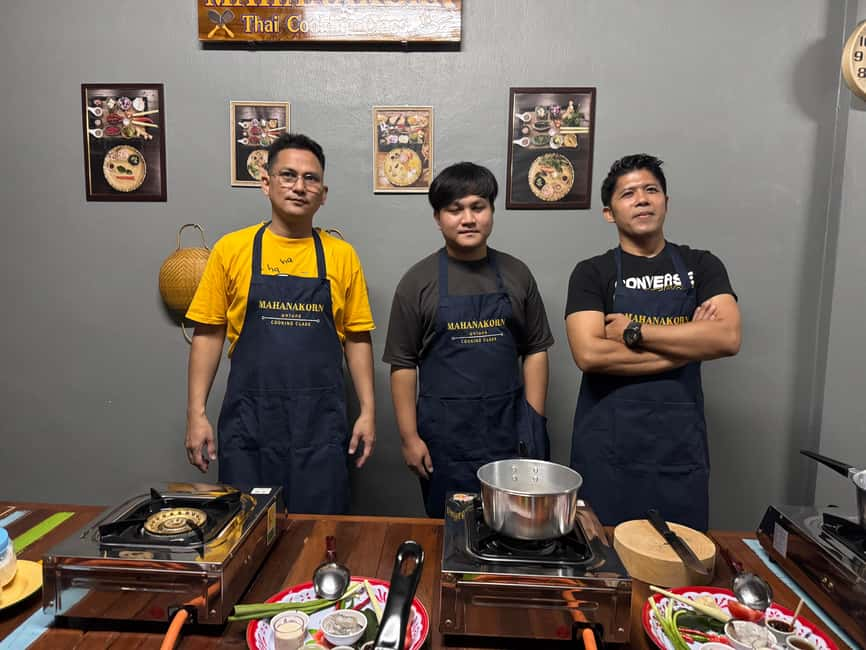
At $33 per person for about 3 hours, this isn’t a fancy, restaurant-style tasting. It’s hands-on instruction plus food.
Here’s what you’re really paying for:
- Chef-led coaching instead of self-guided cooking
- A small group capped at 10, which means you’re more likely to get help when you need it
- Multiple courses, so you cook more than one dish
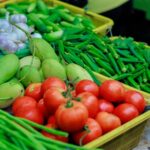
- Fresh ingredients ready for use during class
- The meal included, meaning you’re not paying extra to eat afterward
Transportation isn’t included, so add that cost if you’re starting far from the meeting point. Alcohol also isn’t included, so don’t plan on drinks being part of the experience.
Even with those realities, the format offers solid value because you’re leaving full and informed. A good cooking class does two things: you learn, then you can cook again later. This one is built for both.
What to bring (and the small choices that make it easier)
This class gives you a clear, practical checklist:
- Comfortable shoes (you’ll be moving a bit)
- Camera (it’s a social moment, plus you’ll want food photos)
- Water
- Comfortable clothes
I’d also suggest you dress for comfort over “perfect.” You’re cooking. Even clean kitchens get busy. If you’ve got grip-friendly shoes, wear them. You want stability while stirring and chopping.
If you hate dry throats, bring your water early. You’ll likely spend time focused on cooking and tasting, so staying hydrated helps.
Also keep your day plan flexible. The class is structured, and your time is best protected if you don’t schedule a tight appointment right after.
Who should book this Thai spices cooking class?
This is a great fit if you want:
- A beginner-friendly cooking experience with clear instruction
- A fun cultural activity that’s actually practical (not just sightseeing)
- Real Thai classics like Pad Thai, Tom Yum, and curry, cooked by someone who knows the flavor system
You’ll also enjoy it if you’re traveling solo and like meeting people in a small group. The small size and warm hosts make solo participation feel normal.
I’d be a little more cautious if you’re hoping for a long temple tour, a market wandering session, or a super slow, chat-heavy pace. This is a cooking class first. The “temple” part is mainly the setting and context, while the instruction time is focused on cooking.
Should you book Thai Spices Hands On by Mahanakorn?
If you like Thai food and want to learn it with your hands instead of your screen, I think you should book. The combination of small group size, English guidance, and a class format that includes hands-on cooking plus a shared meal is exactly what makes cooking classes worth your time.
Book it if:
- You want to cook multiple Thai dishes in one go
- You like structured teaching with room for questions
- You want a recipe book/cookbook to help you repeat the results later
Consider skipping or swapping to another option if:
- You want a full guided sightseeing day beyond the cooking
- You don’t want a set 3-hour block
- You’re not comfortable paying extra for getting to the meeting point
My bottom line: for $33, a 3-hour session that teaches spices and lets you cook and eat Thai classics is a smart way to spend time in Bangkok—especially when the teaching is in English and the atmosphere is welcoming.
FAQ
Where is the meeting point?
You meet at the main entrance of Wat Pak Nam or in front of the Big Buddha statue.
How long is the Thai Spices Hands On class?
It lasts about 3 hours.
What does the class cost and what does it include?
The price is $33 per person. It includes an introduction to Thai spices and flavors, hands-on cooking, guidance from a local chef, and you get to enjoy the meal you prepare.
Is the instructor English-speaking?
Yes. The instructor provides instruction in English.
How large is the group?
The group is small, limited to 10 participants.
Is transportation included from your hotel?
No. Transportation to and from the activity location is not included.
Is alcohol included with the meal?
No. Alcoholic beverages are not included.
What should I bring?
Bring comfortable shoes, a camera, water, and comfortable clothes.
Is there free cancellation?
Yes. You can cancel up to 24 hours in advance for a full refund.