REVIEW · MARRAKESH
Moroccan Food Cooking Class with a Local Chef in Marrakech
Book on GetYourGuide →Operated by Discover Atlas Mountain · Bookable on GetYourGuide
Moroccan food lessons beat the usual tourist-food detour. I love the market-to-kitchen flow, and I especially like learning Moroccan mint tea the old-fashioned way. One thing to watch: timing can shift, so you’ll want a flexible afternoon if your schedule is tight.
This class is built for real practice, not just watching. You’ll work with a live guide in Arabic, English, or French (Morad and Yassine come up often), cook with step-by-step methods, and eat what you make. The one drawback is that the “half-day” format means you should plan around a lesson that can run a bit longer than you expect.
In This Review
- Key things that make this Marrakech class worth your time
- Why This Marrakech Cooking Class Feels Local from Minute One
- The Market Run: Shopping Like a Native (Even If It’s Just Nearby)
- Moroccan Mint Tea: The Hospitality Lesson You’ll Remember
- Tagine Skills, Knife Work, and Spice Lessons That Actually Stick
- What You’ll Cook: 3 to 4 Dishes in One 210-Minute Session
- A timing note that can affect your day
- Moroccan Culture on the Side of the Stove
- Price and Value: Is $40 a Good Deal for This Class?
- Timing Tips: How to Avoid Pickup and Schedule Headaches
- Recipes for Home: The Real Reason Cooking Classes Beat Souvenirs
- Who This Class Is Best For (And Who Might Skip It)
- Should You Book This Marrakech Cooking Class?
- FAQ
- What is the duration of the Moroccan food cooking class in Marrakech?
- How much does the class cost?
- Is there a market visit included?
- Do I learn how to make Moroccan mint tea?
- What will I cook during the class?
- Is the meal included?
- Does the class accommodate dietary restrictions?
- What languages are available for the live guide?
- How do I get the recipes after the class?
- Is this experience wheelchair accessible?
Key things that make this Marrakech class worth your time
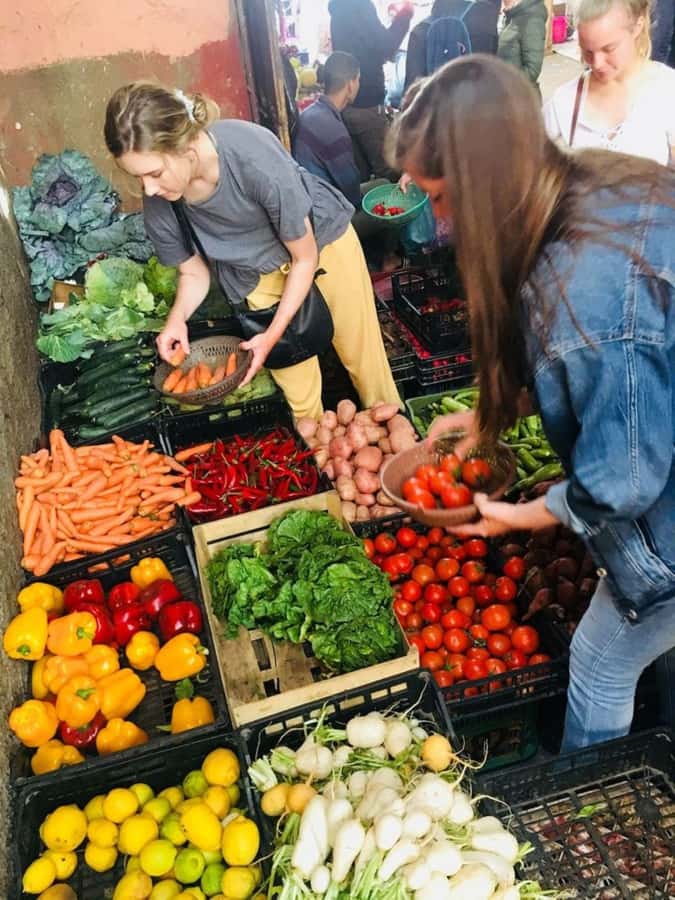
- Market shopping with a guide: you’ll grab vegetables and supplies so the cooking starts with real ingredients
- Mint tea gets taught properly: not just served—made and explained as part of Moroccan hospitality
- Knife work and spice timing: chopping, peeling, and seasoning tagines the way local families do
- 3 to 4 dishes in one session: enough variety to learn techniques, not just make one thing
- Dietary flexibility: vegan, vegetarian, and gluten-free options are part of the class setup
- Recipes after the lesson: you’ll get a link later to help you cook again at home
Why This Marrakech Cooking Class Feels Local from Minute One
If you’re visiting Marrakech, it’s easy to eat Moroccan food without learning it. This experience is different. You’re not only tasting dishes—you’re learning the hands-on methods behind them, from chopping and seasoning to how tea and bread fit into the meal.
I like how the class starts with context before the stove. You get a quick local market visit, then you head back to cook. Along the way, your guide talks about Moroccan culinary customs and history, so you understand what you’re doing and why it matters. That turns cooking into something more personal than a simple food stop.
And for $40, the value is in what’s included: the cooking class, the meal and bread, plus water and tea. You’re paying for instruction and a proper sit-down meal, not just a snack and a photo.
You can also read our reviews of more tours and experiences in Marrakesh.
The Market Run: Shopping Like a Native (Even If It’s Just Nearby)
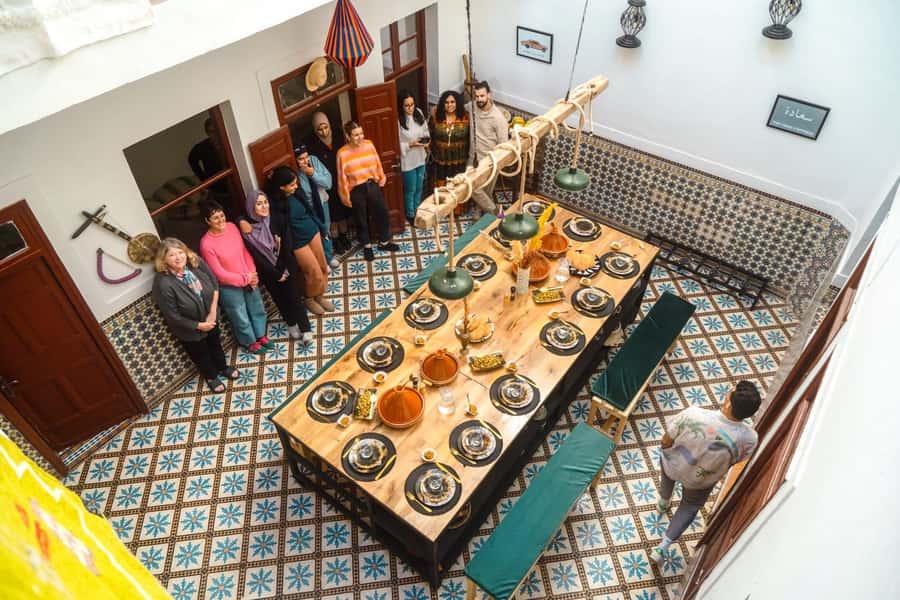
The plan typically includes pickup, then a quick stop at a nearby local market to gather vegetables and the other cooking supplies you’ll need. This matters more than people think.
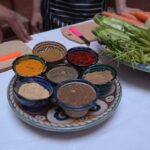
When you shop with a local guide, you learn what to look for. You start connecting ingredients to techniques—like knowing which produce works best in tagines or salads, and which spices get used in what context. Even if you’re not turning into a market expert, you’ll leave with a better sense of how Moroccan home cooking is built.
There’s also a hidden benefit: you learn how locals move through the market and talk about food. If you’ve ever tried to buy spices at home without understanding what they’re for, this kind of guided shopping can save you money later.
Moroccan Mint Tea: The Hospitality Lesson You’ll Remember
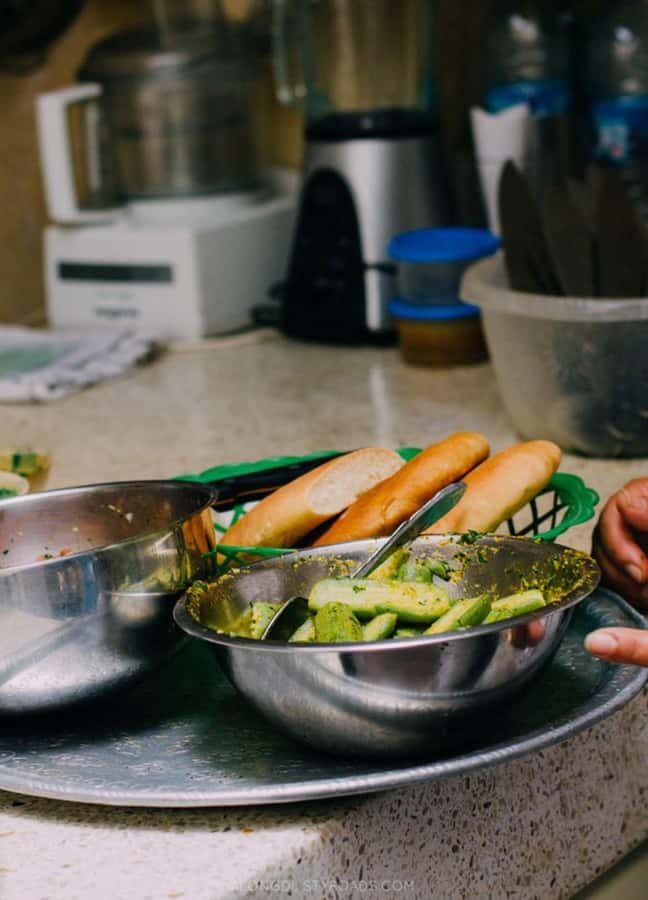
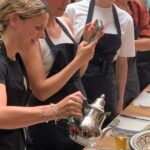
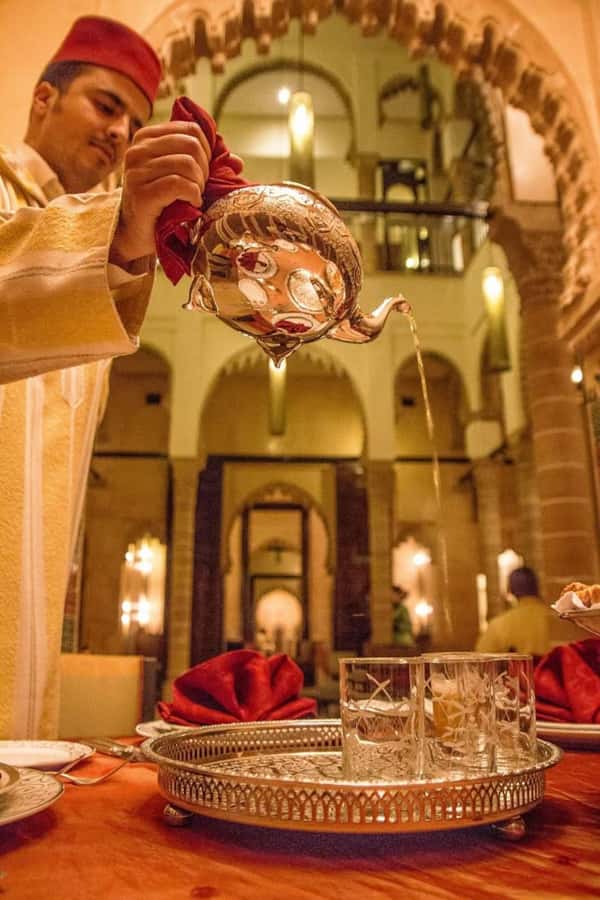
Before the cooking gets serious, you’ll make Moroccan mint tea the old-fashioned way, then sip it together while you get to know your host and the other participants.
Tea in Morocco isn’t just a drink; it’s a social ritual. In this class, tea sets the tone. You get an introduction to customs through an activity that feels calm and everyday, rather than a lecture. And once you learn the basic method, you can recreate the vibe at home: the drink, the pacing, and the way tea brings people together.
If you’re the type who worries you won’t use cooking classes later, tea is your backup win. You can use that skill right away, even before you tackle the tagines.
Tagine Skills, Knife Work, and Spice Lessons That Actually Stick
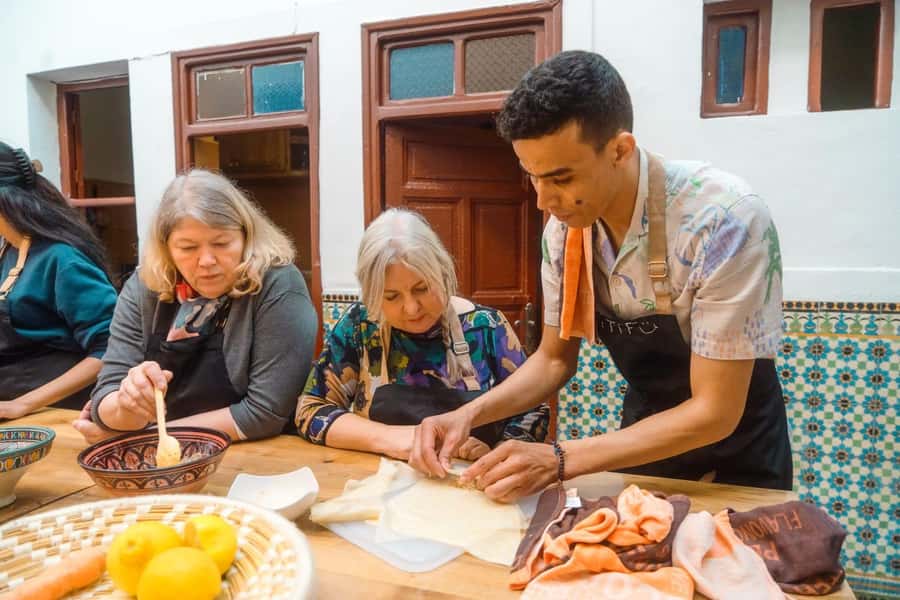
Once you’re back, the cooking stage is where your confidence grows.
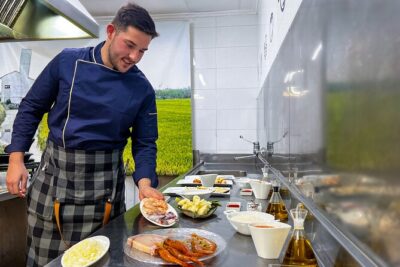
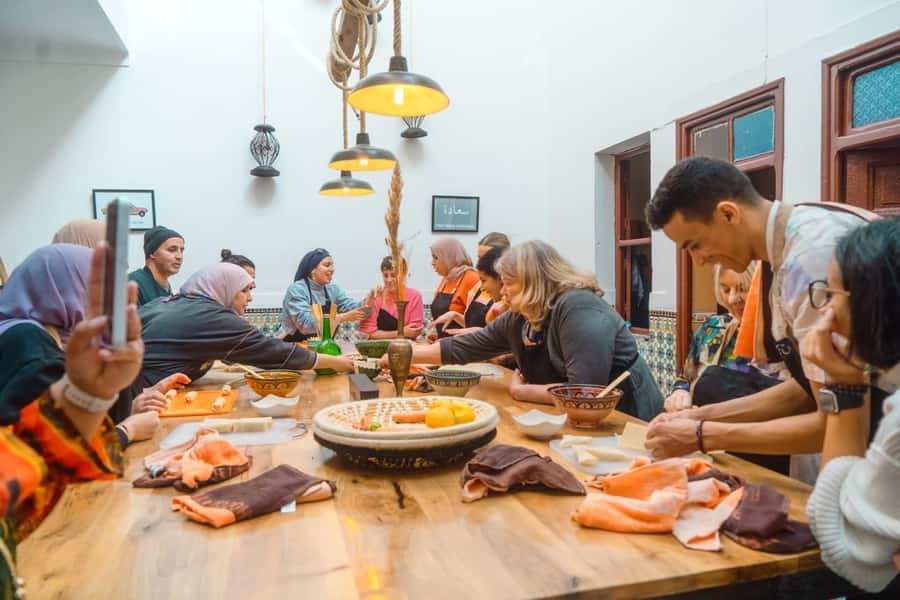
You’ll be taught basic prep techniques like chopping and peeling, then how to season tagines with the right spices. The class is designed to feel like family cooking—your guide explains methods “like our moms and grandparents” did at home—so it doesn’t feel like a high-pressure culinary school.
This is the part you’ll likely enjoy most if you like doing, not just listening. You’re working side-by-side, learning the small steps that add up: seasoning in the right stage, building flavor through spices, and keeping ingredients prepared so they cook correctly.
And the class doesn’t pretend Moroccan food is one single style. You’ll get instruction on using a variety of spices, and the menu setup can include vegan, vegetarian, and gluten-free choices. That’s a big deal because you don’t have to sit out or eat a simplified version while everyone else cooks.
What You’ll Cook: 3 to 4 Dishes in One 210-Minute Session
A key promise here is variety: you typically prepare three to four distinct dishes during the class. That’s how you get real learning value.
One dish teaches you one rhythm. Multiple dishes teach you how the rhythm changes:
- tagines tend to reward thoughtful seasoning and timing
- salads help you practice freshness and balance
- breads and accompaniments help you understand how meals are served, not just how ingredients are cooked
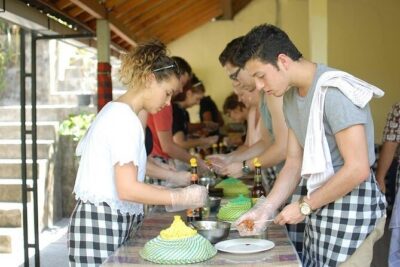
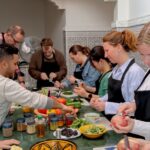
You’ll also cook as a team. That matters if you’re traveling solo or nervous in group settings. It’s not you alone at a cutting board wondering what you’re doing wrong. Instead, you’re supported while you contribute.
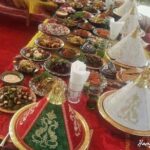
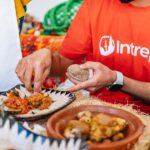
When the class ends, the best part arrives: you sample and eat everything you prepared. There’s no awkward “watch other people eat” moment. You’ll also have bread and tea with the meal, so it feels like an actual Moroccan table, not a tasting exercise.

A timing note that can affect your day
The experience is 210 minutes, and the style is relaxed about the clock. That sounds great—until you’ve got a hard reservation right after. Build in buffer time, especially for your afternoon plans.
Moroccan Culture on the Side of the Stove
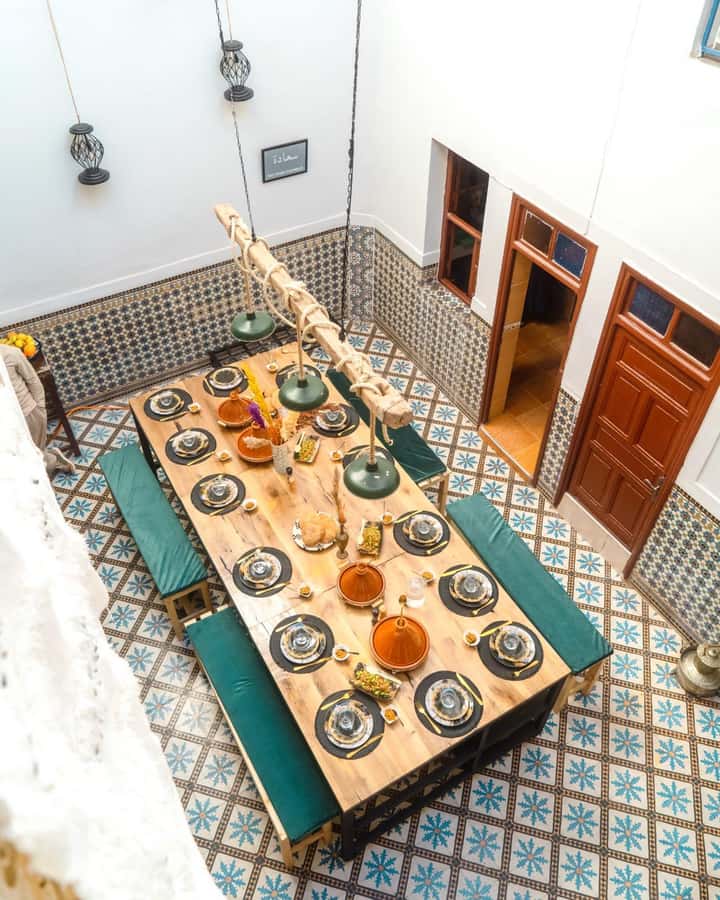
The cooking doesn’t happen in isolation. As you prepare food, your guide spends time on Moroccan culinary customs, traditions, and history.
This is where the class earns its “local” feel. You’re not memorizing recipes like they’re trivia. You’re learning how Moroccan food connects to daily life—how people shop, how they season, and how tea and meals shape social time.
If you like travel that gives you context (not just a checklist of sites), this portion will make the experience stick in your head.
Price and Value: Is $40 a Good Deal for This Class?
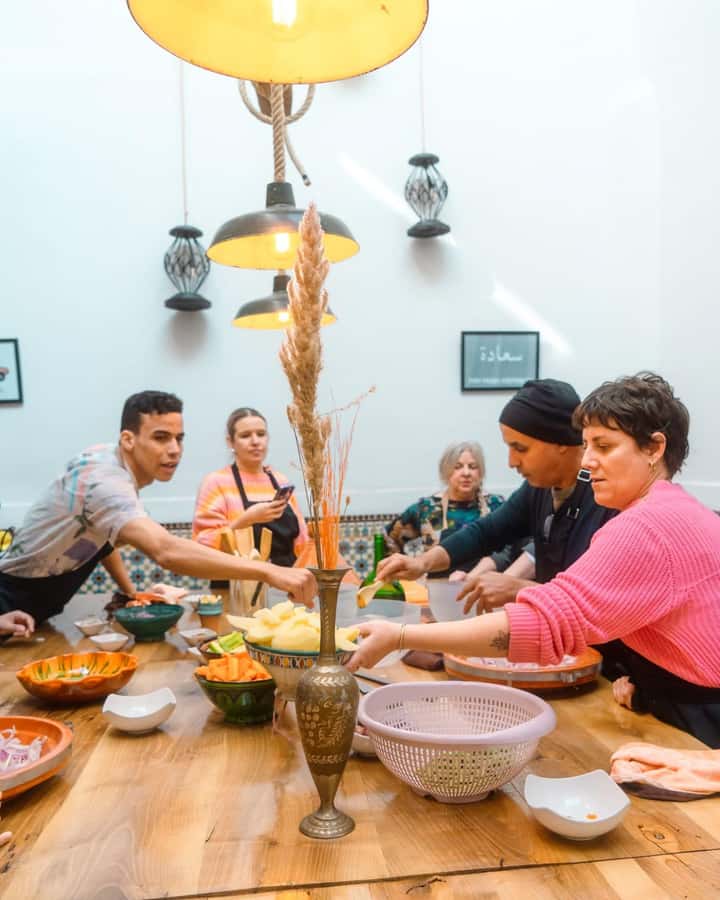
Let’s talk money plainly.
At $40 per person for a 210-minute experience, you’re getting:
- a live guide
- hands-on cooking instruction
- multiple dishes (usually 3 to 4)
- meal and bread
- water and tea
That’s strong value for Marrakech, especially if you factor in that you’re eating at the end and not paying extra for a meal elsewhere. Cooking classes can be expensive when they’re “just one dish” or when the food is mainly for show. Here, the structure is built around cooking and eating, which makes the price feel more fair.
That said, the value depends on your priorities. If you’re very short on time, the relaxed half-day pace can be frustrating. If your schedule is set and unforgiving, choose a cooking experience with a tighter timetable.
Timing Tips: How to Avoid Pickup and Schedule Headaches
This is the one area where you should be extra smart.
You’ll have a WhatsApp number and you’ll need your hotel address for pickup details. That’s a good sign because it means you can confirm. Do it. A quick message the day of the class can reduce stress.
Then, plan your day like an adult:
- schedule the class when you can keep your afternoon flexible
- don’t stack back-to-back reservations right after pickup
- assume transfers and group logistics can take longer than you hoped
Some people have run into issues when pickup and start times drift, so your best move is to keep slack in the schedule and confirm details early. If you do that, the experience is usually smooth and worth it.
Recipes for Home: The Real Reason Cooking Classes Beat Souvenirs
A lot of cooking class value shows up after you get home.
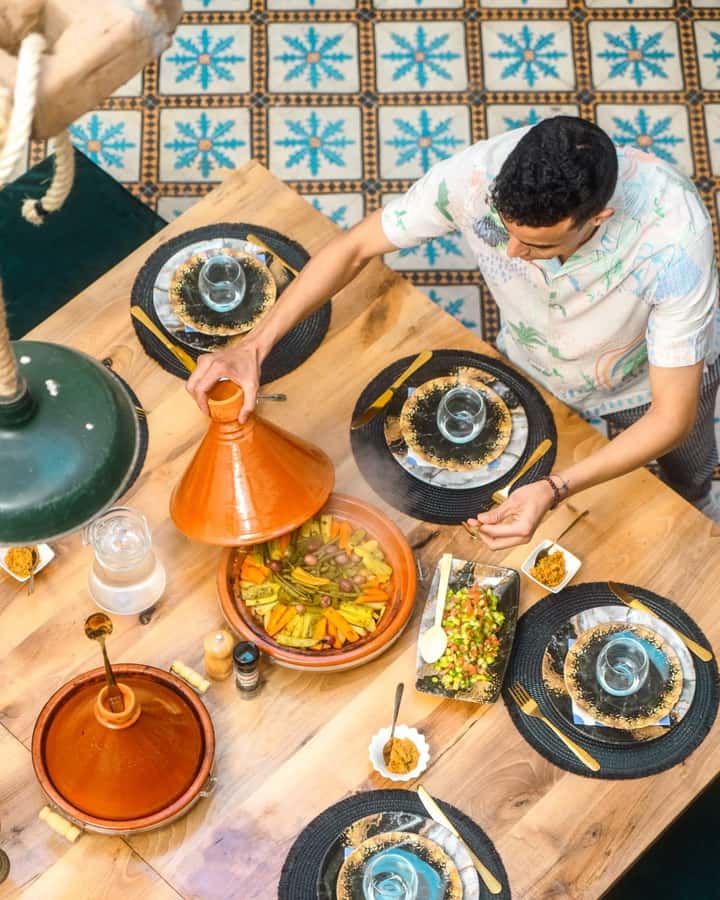
Here, you’ll typically receive a link on the evening after class. That link helps you revisit the recipes for many dishes—often including the ones you made in class.
That’s what turns this from a one-time experience into something you can repeat. You can cook Moroccan food for friends and family and actually explain what you did—because you learned the method, not just the final result.
If you’re worried you’ll forget everything after the trip, the recipe link is your safety net.
Who This Class Is Best For (And Who Might Skip It)
This experience fits you if:
- you want a hands-on food lesson, not just a meal
- you enjoy cooking basics like chopping, seasoning, and spice use
- you like learning culture through everyday activities like tea and shopping
- you want a group-friendly class with team cooking and plenty to eat
You might skip it if:
- you have zero flexibility in your schedule
- you’re expecting a strictly timed, clockwork operation
- you want only one simple dish and nothing else
Should You Book This Marrakech Cooking Class?
If you want Marrakech food that you can repeat at home, I think this is a smart booking. The mint tea, the guided market ingredients, and the tagine and spice instruction give you more than a single meal experience. Add the fact that you’ll eat what you cook, plus the recipe link later, and the $40 price starts to make sense.
Just go in with one mindset: keep your afternoon open and confirm pickup details. If you do that, you’ll walk away with practical skills, not just memories.
FAQ
What is the duration of the Moroccan food cooking class in Marrakech?
The class lasts 210 minutes.
How much does the class cost?
The price is $40 per person.
Is there a market visit included?
Yes. The experience includes a quick tour of a nearby local market to pick up vegetables and other supplies before cooking.
Do I learn how to make Moroccan mint tea?
Yes. The class includes making Moroccan mint tea the old-fashioned way, and you’ll sip tea as you get to know each other.
What will I cook during the class?
You’ll typically prepare three to four distinct dishes.
Is the meal included?
Yes. Meal and bread are included, along with water and tea.
Does the class accommodate dietary restrictions?
The class notes that it can include vegan, vegetarian, and gluten-free options.
What languages are available for the live guide?
The live guide is available in Arabic, English, and French.
How do I get the recipes after the class?
After the lesson, you’ll get a link to the website in the evening where you can find recipes.
Is this experience wheelchair accessible?
Yes, it is listed as wheelchair accessible.