REVIEW · OSAKA
Osaka Ramen Cooking Class “Learn here and make it at home”
Book on Viator →Operated by WashokuYanen · Bookable on Viator
Ramen gets real when you learn the mechanics. This Osaka cooking class puts ramen and fried gyoza in your hands with step-by-step coaching in English, Japanese, and sometimes Spanish. I like that the format is structured (prep first, then real cooking), and that you finish by eating what you make with drinks like sake or beer. One thing to plan for: it’s a small 8-person class and booking is required, so you’ll want to lock in your spot early.
The location is in central Osaka but feels calm. The kitchen is about a 5-minute walk from Shinsaibashi and Honmachi stations, and you start and end right there (so you’re not zig-zagging across town). You’ll get a mobile ticket, aprons, disposable gloves, and all ingredients and tools, which means you can travel light and focus on cooking.
You’ll learn how to make a hearty bowl with toppings like pork, chicken, egg, and vegetables, plus gyoza with a crispy finish and a dipping sauce. If you’re chasing a practical souvenir (skills you can repeat at home), this is a good use of a few hours in Osaka.
In This Review
- Key Highlights You’ll Actually Care About
- Why This Osaka Ramen Class Works So Well
- Getting There: Dea Court Semba Near Shinsaibashi and Honmachi
- The First 30 Minutes: Orientation and Prep That Saves You Later
- Cooking Ramen and Fried Gyoza for Real (1.5 Hours)
- Ramen: Toppings and the Bowl Building Mindset
- Fried Gyoza: Crisp One Side, Dipping Sauce Finish
- What “Nearly From Scratch” Means in Practice
- Tasting What You Made With Drinks for One Full Hour
- Instructors and Language Support: English, Japanese, and Spanish on Request
- What You’re Paying for: Value at $70 Per Person
- Who This Class Is Best For (and When to Skip It)
- Practical Tips to Enjoy the Class More in Osaka
- Should You Book This Osaka Ramen and Gyoza Cooking Class?
- FAQ
- What is the duration of the Osaka ramen and gyoza cooking class?
- Where is the class located, and how do I get there?
- Do I need to bring ingredients or cooking tools?
- What languages do the instructors speak?
- Are alcoholic drinks included?
- What food options are available for dietary restrictions or allergies?
Key Highlights You’ll Actually Care About
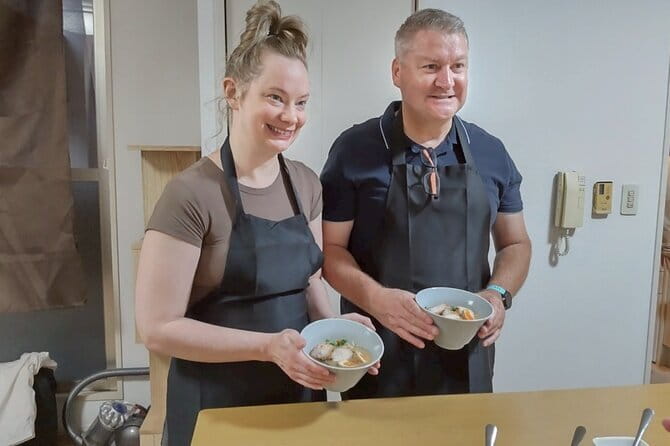
- 3-hour, small-group format: 30 minutes orientation, 1.5 hours cooking, 1 hour tasting, max 8 people.
- You cook ramen and gyoza from scratch techniques: you’re guided through the process, not watching from the sidelines.
- Multilingual instructors: English and Japanese are standard, with Spanish available upon request.
- All tools and ingredients included: you bring yourself; the class handles the shopping and equipment.
- Drinks included with age rules: sake/beer for those 20+, otherwise non-alcoholic options.
- Central Osaka meeting point: a short walk from Shinsaibashi and Honmachi, in a quiet neighborhood.
Why This Osaka Ramen Class Works So Well
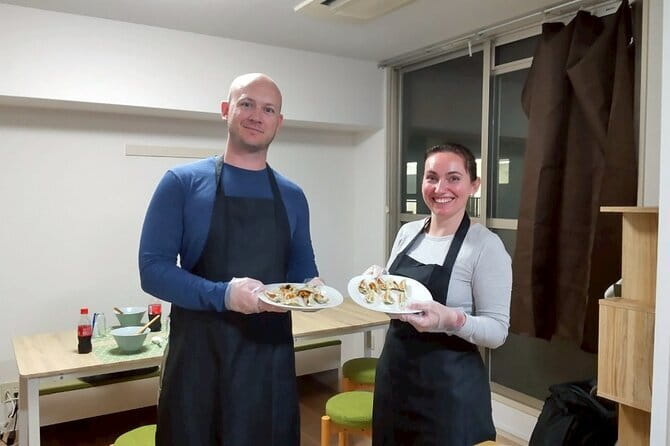
If you’ve tried to recreate Japanese recipes at home, you already know the problem. It’s rarely the ingredients. It’s timing, technique, and the little habits that turn a good bowl into a great one.
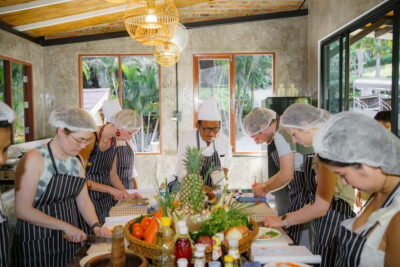
That’s why I like this setup. You’re taught in a kitchen environment where you can ask questions, adjust as you go, and follow a clear rhythm: prepare, cook, then eat together. For many people, the best part isn’t just the meal, it’s leaving with a process you can repeat—especially for ramen and gyoza, where structure matters.
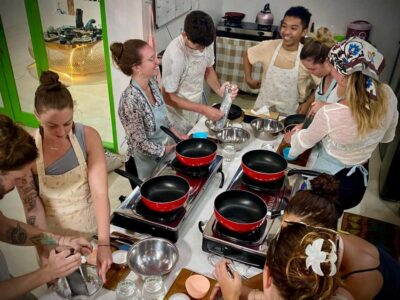
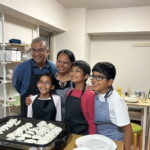
Also, the group size helps. A maximum of 8 travelers means you’re more likely to get attention when something changes at your station, like the consistency of what you’re making or how you’re handling dumpling folds.
You can also read our reviews of more tours and experiences in Osaka.
Getting There: Dea Court Semba Near Shinsaibashi and Honmachi
You’ll meet at デアコート船場3034-chōme-3-1 Bakurōmachi, Chuo Ward, Osaka, 541-0059. It’s described as being in the heart of Osaka, roughly a 5-minute walk from both Osaka Metro Shinsaibashi and Honmachi stations.
That’s practical because it keeps your day flexible. You can plan a morning sightseeing loop, then walk to the class without battling long commutes. And because it’s in a quieter residential-feeling neighborhood, you’re not walking into a loud, chaotic scene right before you cook.
You’ll also have less hassle at the start and end since the activity ends back at the meeting point. Bring comfortable shoes; you’ll be working at a cooking station for most of the class.
The First 30 Minutes: Orientation and Prep That Saves You Later
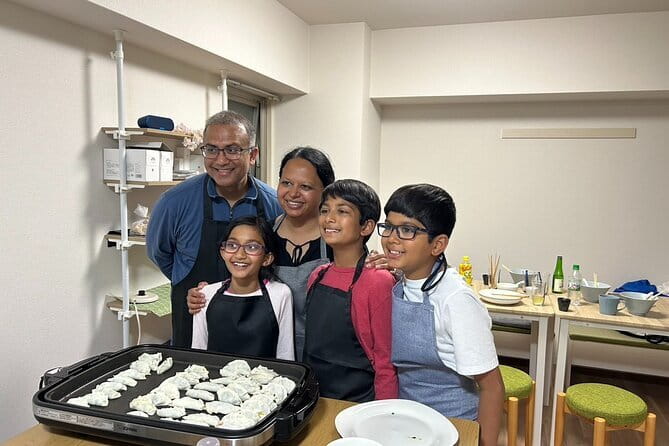
The class begins with a 30-minute orientation and preparation session. This is where you get your bearings: what tools you’ll use, how ingredients are set up, and what the kitchen workflow looks like.
They provide aprons and disposable plastic gloves, plus the cooking tools needed for the session. Even if you’ve cooked before, ramen and gyoza each have their own “rules.” This prep time is the buffer that helps you avoid the most common beginner frustration: trying to learn technique while scrambling for the next step.
You can also treat orientation like your question window. If you want your home version to taste right, this is the moment to pay attention to the sequence and the cues the instructor gives during prep—those details are the difference between guessing and cooking with confidence.
Cooking Ramen and Fried Gyoza for Real (1.5 Hours)
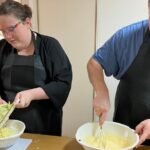
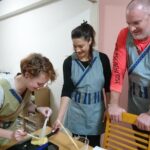
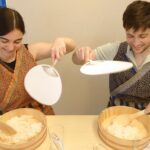
After the prep, you get about 1.5 hours of cooking. The class is built around hands-on practice, with instructors guiding you through ramen and fried gyoza production.
Ramen: Toppings and the Bowl Building Mindset
Your ramen is a Japanese noodle soup with a rich broth and toppings such as pork, chicken, egg, and vegetables. Even without getting fancy technical jargon, ramen teaches a key lesson: a bowl is a system.
You’re not just assembling noodles. You’re learning how the toppings and broth are meant to work together. The goal is balance—so you can understand what should happen when you plate your toppings and serve the soup.

Fried Gyoza: Crisp One Side, Dipping Sauce Finish
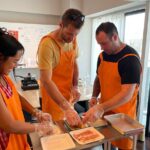
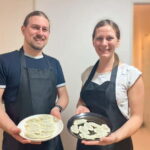
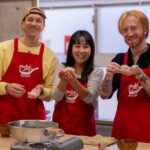
For gyoza, expect dumplings with a filling made from meat and vegetables. The style here is fried gyoza, meaning you build texture by cooking for that crispy side. Then you eat them with a dipping sauce.
This is one of the best parts for beginners because it teaches a tangible technique. Instead of only learning flavor, you also learn doneness and handling. If you’ve ever had gyoza that were soggy, you know why the “crisp finish” matters. This class aims to show you how to get that characteristic bite.
What “Nearly From Scratch” Means in Practice
The way this class is described suggests you’re doing a lot yourself, not just assembling pre-made portions. The instructors guide you through the steps so you can learn the method, even if certain components are already prepared for safety and timing.
For your at-home cooking, that’s the difference. You’re not memorizing a trick. You’re building a repeatable routine.
Tasting What You Made With Drinks for One Full Hour
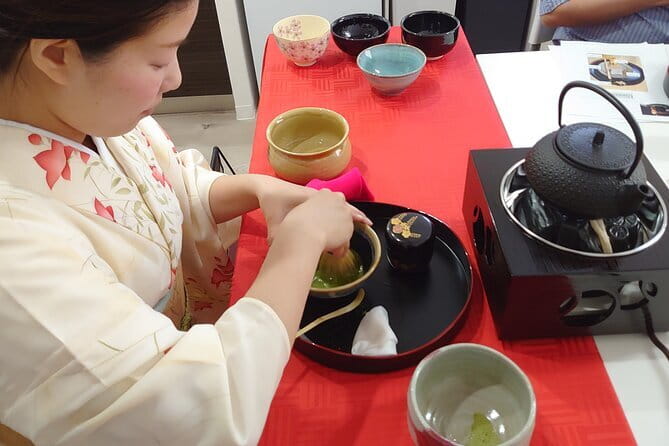
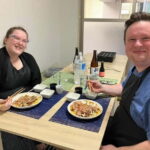
Once cooking wraps, you get a 1-hour tasting session where you relax and eat your ramen and fried gyoza.
This part matters more than it seems. Cooking classes can turn into stressful “assembly-line dinner.” Here, the schedule explicitly sets aside time to enjoy what you made. You’ll also have drinks such as sake, beer, and soft drinks.
Two practical notes:
- Alcohol is included, but only for travelers age 20 and above. If you’re under 20, you’ll be served non-alcoholic drinks instead.
- Because you’re eating something you cooked right after cooking, you’ll pick up how the finished flavor and texture should feel. That’s useful if you plan to cook again later.
Instructors and Language Support: English, Japanese, and Spanish on Request
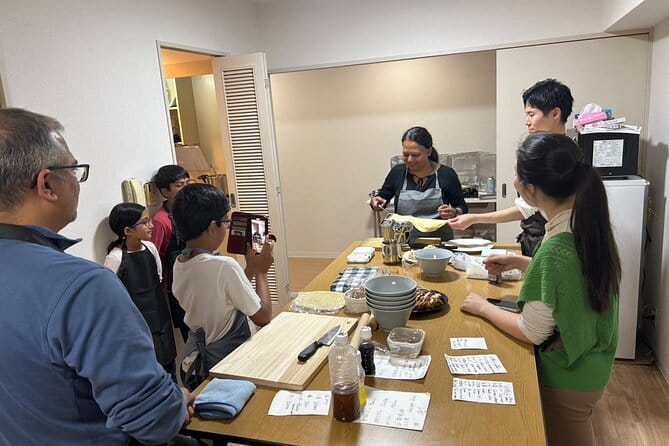
The instructors are described as fluent in English and Japanese, and there’s Spanish speaking support upon request.
That’s a real quality-of-life detail. Cooking terminology often doesn’t translate well word-for-word. When the instructor can switch languages smoothly, you get fewer misunderstandings and you can ask better questions.
So if your Japanese is limited, you’re not stuck guessing. And if you prefer Spanish (or you’re traveling with someone who does), you’ll want to request that option during booking.
What You’re Paying for: Value at $70 Per Person
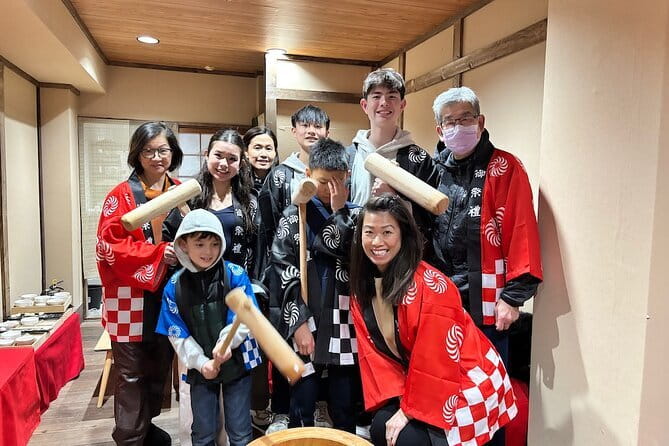
At $70 per person, this isn’t a cheap snack. But it also isn’t “you buy groceries and cook at random.” You’re paying for several things that usually cost more when you try to DIY:
- Instruction during prep and cooking
- All ingredients and cooking tools
- Aprons and disposable gloves
- A structured 3-hour class that ends with an included meal (your ramen and gyoza)
- Drinks, including sake or beer for those 20+
The small group size (max 8) is part of the value too. Larger classes can feel crowded, and you end up waiting for help. Here, the format is set up for more attention per person.
Also, this class is typically booked ahead. The average booking window is about 17 days in advance, which usually means demand is steady. If you wait until you’re already in Osaka, you may find fewer options.
Who This Class Is Best For (and When to Skip It)
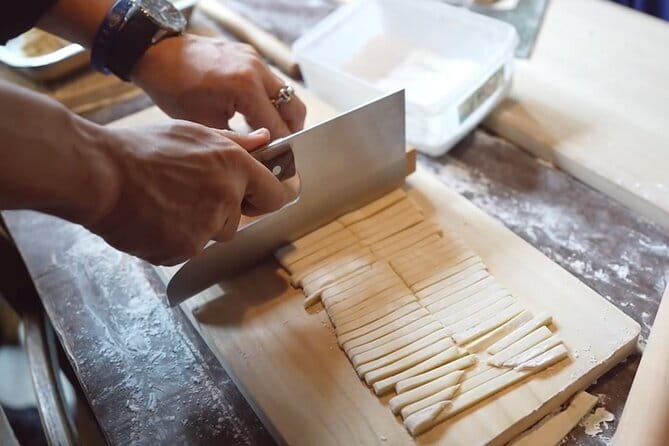
This class is ideal if you want more than a restaurant meal. If you’re the kind of traveler who loves taking a real skill home, you’ll enjoy the “make it yourself” approach.
It also fits different travel styles:
- Solo travelers: You’ll be doing active cooking with guided steps, not sitting alone waiting for a tour guide to pass time.
- Friends and couples: You get a shared experience that ends with food you can talk about while eating.
- People visiting Osaka for the food scene: you’ll get more than tasting; you’ll learn.
Consider skipping if:
- You want a quick, casual activity that doesn’t involve cooking for most of the session.
- You have strict dietary needs. The class offers vegetarian, vegan, pescatarian options and handles allergies, but it requires you to contact them after booking. Plan for that communication so they can accommodate you properly.
Practical Tips to Enjoy the Class More in Osaka
First, treat this like a cooking session, not a museum visit. Show up with the mindset to follow steps, taste and adjust, and ask questions.
Next, since it’s in a small kitchen setup, keep your bag light. You’ll be wearing an apron and gloves, but having extra items dangling around usually gets annoying.
Finally, if you care about making ramen and gyoza at home later, watch for the “why” behind each step. This kind of class is built to help you reproduce technique, so take mental notes on timing and how the final texture looks and feels.
Should You Book This Osaka Ramen and Gyoza Cooking Class?
Yes, if you want a hands-on Osaka food experience that gives you both a great meal and a practical skill set. The small group size, included ingredients and tools, multilingual instruction, and the full tasting session make it feel like a complete package rather than a brief demo.
Book it early because availability can run out, and this is a required-booking class. If you’re traveling with someone under 20, plan for the drink switch since sake/beer are only served for travelers 20+.
If you’re hoping to learn ramen and gyoza in a way you can actually repeat at home, this is a strong choice for your Osaka schedule.
FAQ
What is the duration of the Osaka ramen and gyoza cooking class?
It runs for about 3 hours total, including 30 minutes of orientation and preparation, 1.5 hours of cooking, and a 1-hour tasting session.
Where is the class located, and how do I get there?
The meeting point is at デアコート船場3034-chōme-3-1 Bakurōmachi, Chuo Ward, Osaka. It’s about a 5-minute walk from both Shinsaibashi and Honmachi stations on the Osaka Metro.
Do I need to bring ingredients or cooking tools?
No. The class provides all ingredients and tools, plus aprons and disposable gloves. You only need to bring yourself.
What languages do the instructors speak?
Instructors speak English and Japanese, and Spanish speaking support is available upon request.
Are alcoholic drinks included?
Yes. Sake and beer are included, but only for travelers 20 years old and above. Anyone under 20 will be served non-alcoholic drinks.
What food options are available for dietary restrictions or allergies?
Vegetarian, pescatarian, and vegan options are available, and allergies can be accommodated. You need to message the provider after booking to coordinate.