REVIEW · MILAN
Milan: Cooking Class for Families with Children
Book on GetYourGuide →Operated by lydiapersonalchef · Bookable on GetYourGuide
Fresh pasta in an Italian home beats a demo. In Milan, chef mom Lydia teaches kids and adults to make fresh pasta and tiramisu from scratch, in English, Italian, and Spanish, with lots of hands-on cooking time.
I also love the welcome aperitif—cheese, salami, and rotating Italian bites—because it feels like you’ve been invited, not ushered through a script. A small consideration: the meeting point is very specific (Torre Tre, intercom 185, 7th floor on the right), so build in a little extra time to find the right entrance.
In This Review
- Key things you’ll remember from this Milan family cooking class
- Why this Milan family cooking class feels different
- Meet Lydia: the chef-mom who teaches kids and adults
- Your start in the Italian home: the aperitif that sets the tone
- Fresh pasta from scratch: kneading, shaping, and tasting your work
- Tiramisu workshop: a kid-friendly dessert you can actually repeat
- Eating the meal: why sitting down is part of the lesson
- Where to meet: Torre Tre, intercom 185, and Lydia on the 7th floor
- Price in context: what $101 per person covers and whether it’s fair
- Who this Milan class is best for (and who should think twice)
- Booking wisdom: when to choose this class for your Milan plans
- Should you book Lydia’s Milan family pasta and tiramisu class?
- FAQ
- What dishes will we make in this Milan family cooking class?
- How long is the class?
- What’s included with the experience?
- What languages are available for the instructor?
- Where is the meeting point?
- Is there free cancellation?
- Is the experience wheelchair accessible?
Key things you’ll remember from this Milan family cooking class
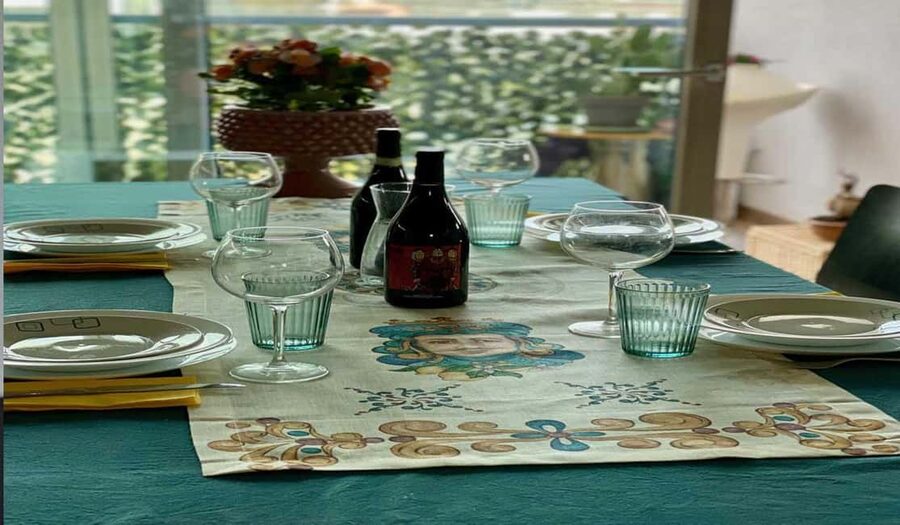
- Chef Lydia cooks with families, not around them, so kids stay involved from dough to dessert
- Fresh pasta and tiramisu from scratch in one 2.5-hour session, with practical guidance step by step
- A generous aperitif before cooking, with cheese, salami, and other specialties that vary with availability
- A real Italian-home setting where you can ask questions, trade opinions, and hear stories as you cook
- Multilingual instruction (English, Italian, Spanish) helps mixed-language families relax and follow along
Why this Milan family cooking class feels different
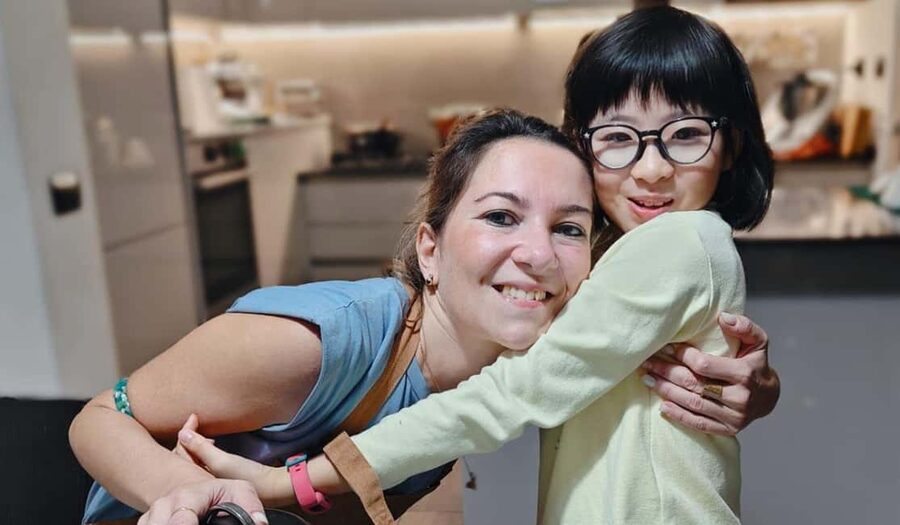
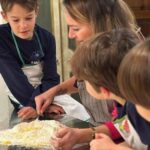
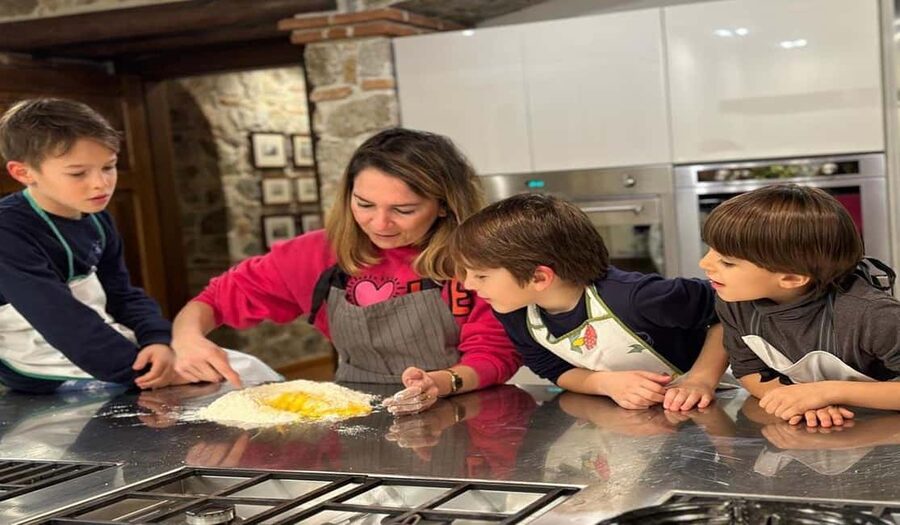
If your kids can stir sauce and roll dough at home, they’ll likely light up here. The big win is that this class is built around doing: kneading, preparing, shaping, and then eating the results. In other words, you’re not just watching flour fly.
I like that Lydia’s approach treats cooking like a shared family activity. Kids get the fun parts, parents get the skills, and everyone sits down to enjoy what they made. It’s the kind of experience that’s easy to remember because it has a clear before-and-after: wet hands and raw ingredients at the start, then full plates at the end.
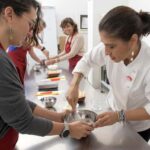
Also, Lydia leans into communication. As a chef and a mom, she’s focused on helping children understand the process, not just copy steps. You end up with a calmer class where questions are welcome, and you’re not afraid to get something slightly wrong while learning.
You can also read our reviews of more tours and experiences in Milan.
Meet Lydia: the chef-mom who teaches kids and adults
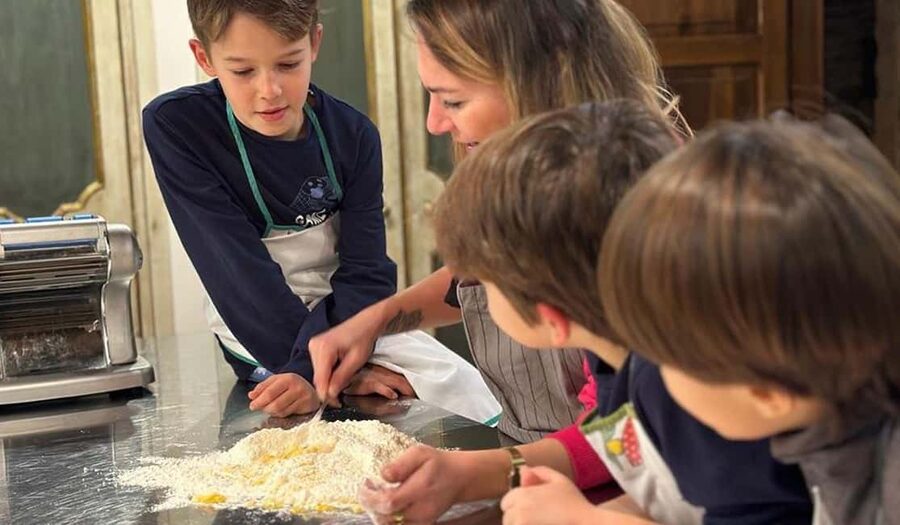
This is Lydia’s class, and she’s the one teaching and cooking with you and your children. She’s been offering the service for about four years, even if it isn’t always easy to spot online, which usually means the routine is steady and the experience doesn’t feel thrown together.
What matters for families is how well the instructor translates cooking into kid-friendly moments. Based on what’s been described, Lydia is patient and engaging, making sure children feel included and comfortable. That sounds basic, but it’s rare in hands-on classes—kids get restless fast if the pace is confusing or the teaching style is too formal.
Language support is also a real plus for international families. Instruction is available in English, Italian, and Spanish, so mixed-language households don’t have to “figure it out” on the fly. If you’ve got one parent who wants to understand everything and one who just wants the best outcome, this setup helps.
Your start in the Italian home: the aperitif that sets the tone
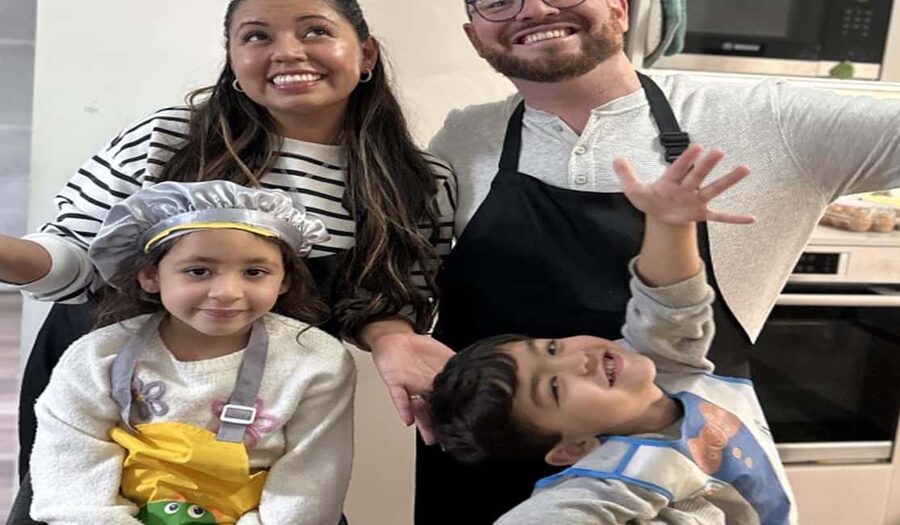
You don’t begin with aprons and flour. You start with an aperitif at Lydia’s house, described as abundant and family-warm. Expect cheese and salami as part of the welcome, along with specialties that change depending on availability and what’s on hand.
This matters because it turns the class into a slower, social experience. Kids are often less cranky when they’ve had a proper start, and adults settle in faster when you’re eating and chatting before cooking begins. It also makes the evening feel more like an Italian home visit than a timed factory lesson.
It’s also a good moment to ask practical questions. If you’re wondering how specific steps work for different ages, this is when you can get clarity before you touch dough. And since the snacks vary, you get a sense of local improvisation rather than a rigid menu.
Fresh pasta from scratch: kneading, shaping, and tasting your work
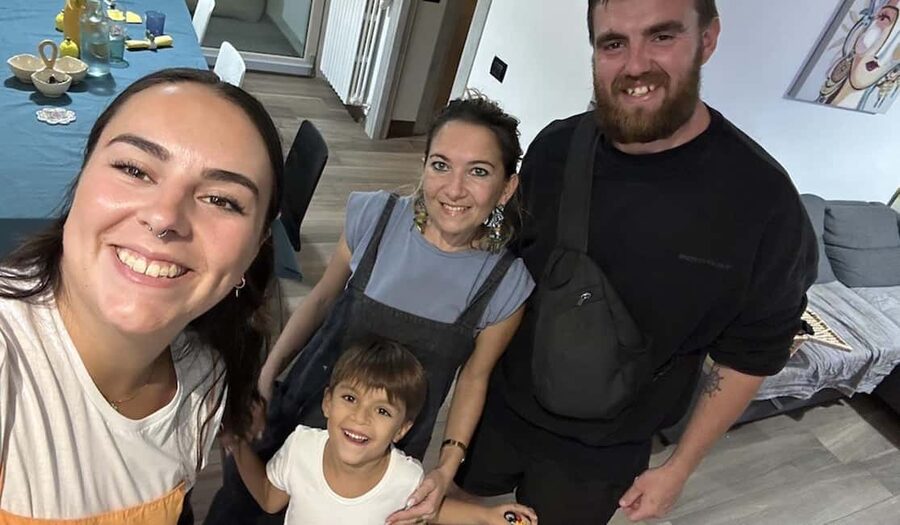
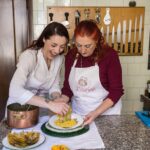
The heart of the class is making fresh pasta from scratch. You’ll learn how to knead and prepare the dough, then shape it, and finally eat what you created with Lydia and your family.
What I find especially valuable here is the emphasis on touch. Pasta-making is hard to learn from a book, and it’s even harder to learn if you never get your hands involved. In this class, kids can physically participate—kneading, pressing, and working the dough—so they understand what “fresh” really means.
You’ll also get real guidance, not just a general overview. Lydia teaches the process in a way that keeps moving, without pretending children will become pastry technicians in 10 minutes. The goal is confidence: you’ll leave knowing you can make fresh pasta at home, even if your first batch isn’t identical to an Italian nonna’s.
One more thing: the experience is designed so multiple family members can enjoy different roles. Even if one child is more interested in shaping while another wants to taste and observe, you’re still all part of the same project. That shared outcome is a big part of why this works as a family activity.
Tiramisu workshop: a kid-friendly dessert you can actually repeat
Then you turn to tiramisu, learning how to prepare it from scratch. This isn’t just assembly as a last-minute “dessert craft.” You’ll work through the steps with Lydia’s guidance so the final result isn’t a mystery.
Tiramisu is a great choice for a family class because it has clear stages and a straightforward payoff. Kids can often handle tasks like mixing, layering, and careful finishing steps. Adults get to focus on texture and balance—how the cream behaves, how the layers set, and when it’s ready.
The best part is that you’re not making it to decorate and leave. You’re learning it so you can understand it. When the tiramisu lands on the table at the end, it’s your work, not something you brought in from a shop.
And because you’re making it in the same sitting as your pasta, the meal feels complete. You’re moving from savory to sweet without the usual “end of class rush” that leaves families too tired to enjoy dessert. Here, you eat together what you made.


Eating the meal: why sitting down is part of the lesson
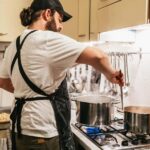
This class includes the consumption of the products you create. You’ll sit down and enjoy both the fresh pasta and the tiramisu made during the session.
That sounds obvious, but it changes the entire experience. Hands-on cooking can sometimes feel like a nonstop chore list. Here, you get the satisfaction loop: do the work, then enjoy the result right away.
For kids, this is huge. They get a real sense of accomplishment when the food they made shows up on the plate. For parents, it’s also a relief because you don’t have to manage a separate meal plan afterward. The class basically becomes the meal.
It’s also where the cooking stories and questions matter most. Lydia shares opinions and stories as you cook, but the dining time helps everything connect. You end up leaving with not just techniques, but a memory of the whole process.
Where to meet: Torre Tre, intercom 185, and Lydia on the 7th floor
Meeting points can make or break a first-time experience, especially when you’re going to someone’s home. For this class, you’ll look for a small white house of the goalkeeper, and you’ll also see four high twin towers behind it.
The key instruction is the intercom: use number 185 to open. You go to Torre Tre and then Ricitofona 185. From there, head to the 7th floor, on the right, where Lydia will be there.
Practical tip: if you arrive early, use that time to confirm you’re at the right tower and intercom. Building entrances can look similar from the street, and you don’t want to arrive flustered while kids are waiting.
Also, because it’s an apartment-building-style access pattern, families with strollers or small kids may want to plan carefully and keep close to your group. The class is listed as wheelchair accessible, but the building-style meeting point does still require attention to the access route.
Price in context: what $101 per person covers and whether it’s fair
At $101 per person for a 2.5-hour experience, this is not a budget “cook and go” activity. But it isn’t overpriced for what you actually get either—if you value instruction and a real meal.
Here’s what’s included:
- An abundant aperitif with cheese, salami, and other rotating specialties
- Fresh pasta and tiramisu course content
- You eat what you create
That means you’re paying for more than ingredients. You’re paying for a home-based chef experience, multilingual teaching (English, Italian, Spanish), and time spent coaching families through two dishes. For families, that can be better value than you’d expect because the class replaces dinner plans and gives you a skill you can use later.
The best way to judge whether it’s worth it for your family is to compare against two common costs:
1) A family dinner in Milan plus some kind of paid activity
2) A less-instructional food tour where you might eat a bit, but you don’t leave knowing how to cook
If your kids like hands-on projects and your family wants a calmer, more personal setting, the price starts to make sense quickly.
If you’re only interested in tasting, not cooking, you may feel this is more work than you need. But if you want the memories that come from doing the work yourself, this class is priced like a real experience, not just a snack stop.
Who this Milan class is best for (and who should think twice)
This is built for families with children. It’s ideal when your kids like participating—kneading dough, pressing, layering, and tasting as the lesson goes. It also suits parents who want an activity that doesn’t feel like a long lecture or a stressful production line.
It’s especially a good match if:
- You want fresh pasta and tiramisu in one session
- You’re traveling as a family and want a meal that feels like part of the experience
- You prefer learning from a chef who’s also practiced at communicating with kids
You might think twice if your family prefers purely sightseeing during evenings, or if your kids struggle with structured food steps and need very long breaks. The class is 2.5 hours, so there’s a set rhythm you’ll follow—one that works well for many families, but won’t fit every child’s energy style.
Booking wisdom: when to choose this class for your Milan plans
If you’re planning your days in Milan, pick an evening when you won’t feel rushed afterward. Because you’re eating the meal at the end, you’ll likely skip other dinner plans. That’s a good trade if you want one anchored activity rather than several small stops.
Also, if you want the best chance of smooth communication, consider confirming which language you’ll use when you reserve. The class is available in English, Italian, and Spanish, so aligning early helps everyone relax.
Finally, think about your family’s cooking comfort level. Even if none of you have made pasta before, the class is designed to teach you. The point is to leave understanding the process, not just leaving with a plate.
Should you book Lydia’s Milan family pasta and tiramisu class?
I’d book it if your family wants a hands-on, food-centered evening that feels like an Italian home experience. The combination of fresh pasta from scratch, tiramisu made from scratch, an abundant aperitif, and sitting down to eat what you made is a strong package for the time.
I wouldn’t book it if you’re looking for a low-effort tasting-only activity, or if you strongly dislike apartment-style building meeting points with specific access instructions. In that case, you might prefer something simpler to find and easier to drop into.
For families who want one memorable Milan night—one where kids participate and adults learn something real—this is a solid choice.
FAQ
What dishes will we make in this Milan family cooking class?
You’ll learn to prepare fresh pasta and tiramisu, and then you’ll eat what you made.
How long is the class?
The duration is 2.5 hours.
What’s included with the experience?
It includes an abundant aperitif with cheese and salami plus specialties that vary by availability, instruction for fresh pasta and tiramisu, and the consumption of what you create.
What languages are available for the instructor?
The instructor teaches in English, Italian, and Spanish.
Where is the meeting point?
You’ll meet at a small white house of the goalkeeper with four high twin towers behind it. Use the intercom at number 185: go to Torre Tre and Ricitofona 185, then go to the 7th floor on the right.
Is there free cancellation?
Yes. You can cancel up to 24 hours in advance for a full refund.
Is the experience wheelchair accessible?
Yes, it’s listed as wheelchair accessible.