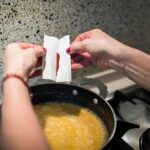
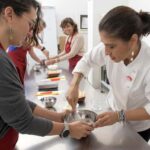
REVIEW · MILAN
Milan: Homemade Pasta, Sauce, and Tiramisu Cooking Class
Book on GetYourGuide →Operated by Valentina Imperio · Bookable on GetYourGuide
Fresh pasta starts with one simple dough. In this Milan class, I love how hands-on it is, from rolling the dough to shaping it, and I love that you choose the sauce you’ll cook. One possible drawback: it’s only 3.5 hours, so you’ll be busy the whole time.
You work with Valentina Imperio, an Italian instructor who speaks Italian, English, Spanish, and French, in a small group capped at 4 people. Expect a glass of wine, music while you cook, and a friendly dinner-party vibe instead of a stiff demonstration.
In This Review
- Key things to know before you go
- From Dough to Dinner: How the 3.5 Hours Unfold
- Meeting Valentina Imperio and Getting Set Up in Milan
- Fresh Pasta Dough: Rolling, Shaping, and the Real Skill
- Choosing Your Sauce: Pesto, Seasonal Sauce, or Cacio e Pepe
- Pesto: herb-forward, straightforward, and great to replicate
- Cacio e pepe: simple ingredients, tricky balance
- Ragù alla bolognese and seasonal options: comfort food with structure
- Tiramisu or Tortino al Cioccolato: The Sweet Finish
- Wine, Music, and the Italian Dinner-Party Feeling
- Price and Value: Is $94 Worth It in Milan?
- Who Should Book This Pasta, Sauce, and Tiramisu Class?
- The Practical Way to Get the Most Out of It
- Should You Book This Milan Cooking Class?
- FAQ
- What dishes will I make during the class?
- How long is the cooking class?
- Where do I meet the instructor?
- How big is the group and what languages are available?
- Is wine included?
- Is this class suitable for kids, and what should I wear?
Key things to know before you go
- Small group size (up to 4) means more time asking questions while you work the dough
- Meeting point by metro BANDE NERE keeps things simple if you’re moving around Milan
- Your sauce choice lets you tailor the meal to your tastes: pesto, seasonal sauce, or cacio e pepe
- Dessert is classic Italian with tiramisu, or a chocolate tortino in some sessions
- Wine plus music makes the cooking feel like an evening with friends
From Dough to Dinner: How the 3.5 Hours Unfold
This class is built around one idea: you don’t just watch pasta happen. You start at the beginning, with fresh dough, and then you keep moving—make it, roll it, shape it, cook it with your chosen sauce, and finish with a sweet Italian classic.
The timing is tight in a good way. You’ll spend your energy where it matters: learning the mechanics of dough and turning that work into food you can actually taste right there. With a 3.5-hour format, it’s ideal if you want something memorable without losing an entire evening to planning and travel.
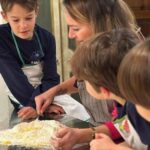
You’re also not dealing with a huge crowd. With up to 4 participants, the pace stays human. That matters because pasta-making is touch-based. If you only have time to get one step right, you want someone there to correct your rolling technique and timing.
You can also read our reviews of more tours and experiences in Milan.
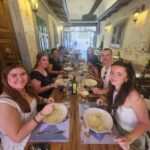


Meeting Valentina Imperio and Getting Set Up in Milan
Most people come to cooking classes expecting the food to be good. Here, what really makes it work is the hosting.
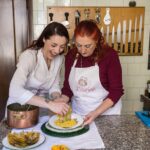
You’ll meet your instructor, Valentina Imperio, for a hands-on session that feels personal and relaxed. Since she speaks Italian, English, Spanish, and French, the class is set up so you can understand the steps clearly—no awkward gaps, no guessing what you’re doing wrong. That’s a big deal when you’re working with dough, because small adjustments change everything.
The meeting point is next to metro BANDE NERE, which is practical if you’re already using Milan’s metro system. You don’t need to wander around hunting for a place you can’t picture from a map. Once you arrive, the rest of the evening runs on a straightforward rhythm: cook, taste, adjust, and finish strong.
Fresh Pasta Dough: Rolling, Shaping, and the Real Skill
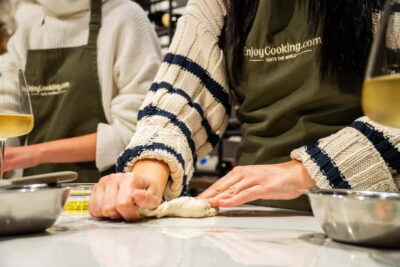
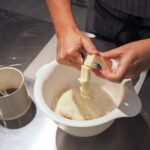
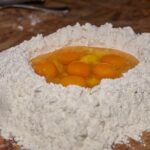
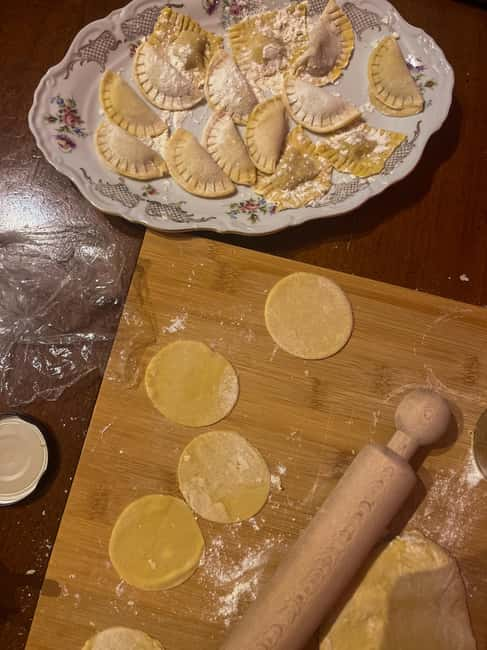
The core of the experience is fresh pasta dough made from scratch. And the class doesn’t treat that like a black box. You’ll learn the fundamentals of working the dough, then use a rolling pin to get the shape right.
Here’s why that matters for you, even if you’ve never made pasta before: rolling pasta evenly is one of the biggest barriers for home cooks. In a guided class, you get correction in real time—like when the dough is too thick in one area or when you’re not keeping the thickness consistent. That kind of feedback is hard to get from videos or even a cookbook.
You’ll also get the satisfaction of seeing your work turn into something you can eat in the same session. Fresh pasta changes texture fast. When you make it yourself, you notice the difference immediately, especially once sauce hits hot noodles.
Practical note: wear comfortable clothes. Dough work can be a little messy, and you’ll be moving around while you roll and prepare.
Choosing Your Sauce: Pesto, Seasonal Sauce, or Cacio e Pepe
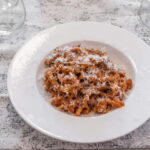
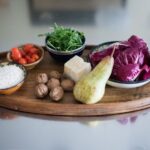
This is where you get a real say in the meal. You’ll choose your favorite sauce from options like pesto, ragù alla bolognese, or cacio e pepe (and there’s also mention of seasonal sauce). Then you’ll prepare it under Valentina’s guidance.
I like that this structure gives you two wins:
- You learn a classic Italian flavor profile, not a generic “pasta sauce.”
- You leave with a clearer idea of how the ingredients and timing work together.
Pesto: herb-forward, straightforward, and great to replicate
Pesto is a sauce you can understand quickly because the flavor is bold and recognizable. If you want something you’ll feel comfortable repeating at home, pesto is often the easiest confidence boost. You’ll also get to connect taste with technique—how the sauce should come together and how it behaves once it’s paired with fresh pasta.



Cacio e pepe: simple ingredients, tricky balance
Cacio e pepe is famously minimalist, which means you need to respect the technique. The class format helps you figure out the balance—because the whole point is that it tastes rich without being complicated. If you enjoy cooking that rewards attention, this one is satisfying.
Ragù alla bolognese and seasonal options: comfort food with structure
Ragù alla bolognese leans into slower, deeper flavor. Even if the class time is limited, you’ll get a feel for what makes a ragù taste like ragù rather than just meat sauce. Seasonal sauce options add variety too, which keeps the class from feeling like it’s running on autopilot.
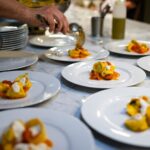
Whatever you choose, the benefit is the same: you’re making a complete Italian plate, not just assembling components.
Tiramisu or Tortino al Cioccolato: The Sweet Finish
Every good meal needs a finish, and this class delivers. You’ll end by making a classic tiramisu, or in some sessions a tortino al cioccolato (a chocolate souffle-style dessert).
Why this pairing works: tiramisu is light enough to keep the evening from turning heavy, and it complements the flavors of fresh pasta and cheese-forward sauces. If you get the chocolate version, it gives you a dramatic end without requiring you to become a pastry expert overnight.
There’s also a practical advantage here. You’re learning a dessert that you can actually recreate later. Even if your first attempt isn’t perfect, you’ll know the structure of the recipe and how it should feel during assembly—because you did it with guidance.
In at least one recent experience, participants noted Valentina also shared recipes afterward. If that happens during your session, you’ll be able to repeat the pasta and dessert steps at home with fewer gaps.
Wine, Music, and the Italian Dinner-Party Feeling
You’ll enjoy a glass of wine as you cook, and music is part of the atmosphere. That combination changes the whole mood. Cooking feels less like a task and more like an evening you’d want to repeat.
Also, some sessions include prosecco as the poured wine, which makes the start feel celebratory without getting formal. Either way, the point is the same: you get a proper Italian cadence—work together, taste together, and then sit down with what you made.
Small group matters here too. With only a few people at the table, conversation is easier and the evening stays relaxed. You’re not just there to check a box; you’re there to participate.
Price and Value: Is $94 Worth It in Milan?
At $94 per person for a 3.5-hour small-group class, the value isn’t just in the food. It’s in what you’re paying for: guided technique, hands-on practice, and ingredients that get turned into a full meal plus dessert.
What you get included:
- Cooking class and fresh pasta making
- Sauce preparation (your choice)
- Tiramisu or tortino al cioccolato
- Wine
- Music and social time
If you try to learn pasta on your own, you’ll spend money too—on ingredients, tools, and likely a few failures. Here, you buy the shortcut: expert help while you’re working, plus a finished meal you can eat immediately. That’s especially valuable in a city like Milan, where time is expensive and a class that runs only 3.5 hours gives you a big return fast.
The small group cap is also a quiet form of value. More people in a class usually means less attention. Here, the format suggests you should get more direct coaching while you roll and shape dough.
Who Should Book This Pasta, Sauce, and Tiramisu Class?
I’d point you toward this class if you want more than a casual food stop in Milan. It’s best for people who enjoy learning by doing—especially if you like the idea of making a full Italian menu in one evening.
You’ll likely enjoy it if you:
- Want hands-on pasta skills, not just tasting
- Like classic Italian flavors and want to choose your sauce
- Prefer small-group experiences over big tour groups
- Enjoy social cooking with a glass of wine and music
It also suits families in the right age range. It’s suitable for adults and children over 6 years. If you’re traveling with younger kids, this one isn’t for them.
The Practical Way to Get the Most Out of It
You don’t need fancy cooking experience. What you do need is a calm attitude and basic readiness to get your hands dirty.
A few practical tips:
- Wear comfortable clothes you don’t mind if they get a little flour on them.
- Come with your expectations set: this is 3.5 hours of active work, not a long lecture.
- Plan your evening meal timing. Since you’ll make pasta, sauce, and dessert and you’ll have wine, you’ll probably want a lighter plan before the class.
And don’t underestimate the sauce choice. Picking pesto versus cacio e pepe changes what you’ll taste and probably what you’ll learn most clearly. If you can decide ahead of time, you’ll enjoy the cooking even more once you’re in the kitchen.
Should You Book This Milan Cooking Class?
If you want a memorable Milan activity that’s both practical and genuinely fun, I think this is an easy yes. The strongest reasons to book are the hands-on pasta-making, the chance to choose a classic sauce, and the fact that the evening ends with dessert you also make yourself.
It’s especially worth it if you’re the type of traveler who likes to learn something you can repeat at home. Pasta dough technique and a classic Italian finishing dessert are the kind of skills that don’t fade after your trip.
On the other hand, if you’re looking for a tour where you mostly observe, or you want a longer, sit-down meal with minimal work, this may feel too hands-on. But for most people, that’s exactly the point.
FAQ
What dishes will I make during the class?
You’ll make fresh pasta dough and shape it, then prepare a sauce you choose (like pesto, ragù alla bolognese, or cacio e pepe, plus there may be a seasonal sauce option). You’ll also finish with tiramisu or tortino al cioccolato (chocolate souffle-style dessert), depending on the session.
How long is the cooking class?
The class lasts 3.5 hours.
Where do I meet the instructor?
You meet next to the metro BANDE NERE.
How big is the group and what languages are available?
It’s a small group limited to 4 participants. The instructor speaks Italian, English, Spanish, and French.
Is wine included?
Yes. You’ll enjoy a glass of wine during the class, along with music while you cook.
Is this class suitable for kids, and what should I wear?
It’s suitable for adults and children over 6 years (not suitable for children under 6). Wear comfortable clothes since you’ll be working with dough.