REVIEW · MARRAKESH
Marrakech: Traditional Moroccan Cooking Class & Market Visit
Book on GetYourGuide →Operated by Khmisa Workshops · Bookable on GetYourGuide
Mint tea and spices start in the souk.
I like this class because it turns you from a spectator into a cook, with market shopping led by local women and the Moroccan mint tea ritual taught in a real, step-by-step way by hosts like Kawtar (with Ilham often helping with translation). At Khmisa Workshops in the Medina, you build ingredients first, then cook as a team, and you end up eating a proper Moroccan meal, not a “show and go” dinner.
One thing to think about: there’s no hotel pickup, and the workshop is in the Medina area that isn’t set up for wheelchair users.
In This Review
- Key highlights worth planning around
- Entering the Khmisa riad in the Marrakech Medina
- Souk shopping: the difference between spices and spice blends
- Learning Moroccan mint tea properly, not just quickly
- The cooking lesson: teamwork around a real Moroccan table
- The typical Moroccan dishes you’ll make (and why the menu matters)
- What the meal feels like when you cook together
- Getting recipes you can actually use at home
- Price and value: why $40 can make sense here
- Who this class is best for (and who should be cautious)
- Should you book the Marrakech cooking class and market visit?
- FAQ
- FAQ
- What does the menu usually include?
- Do you visit the market before cooking?
- Is mint tea included, and do they teach how to make it?
- Is lunch or dinner included in the price?
- What languages are available during the class?
- What should I bring, and is hotel pickup provided?
Key highlights worth planning around
- Souk-first shopping: buy fresh produce and spices with a local guide, away from the most touristy streets
- Mint tea with real technique: learn how it’s made as a ritual, not just a quick brew
- Hands-on cooking at a family table: teamwork at Khmisa’s riad workshop, with everyone taking part
- A typical menu, not just one dish: starters plus mains, usually including chicken tagine (and vegetarian options), and dessert like Pastilla of Milk
- Take-home value: you get recipes electronically afterward, plus you can purchase fresh homemade spices
- Group size that stays workable: typically around 12 people (some sessions run smaller)
Entering the Khmisa riad in the Marrakech Medina
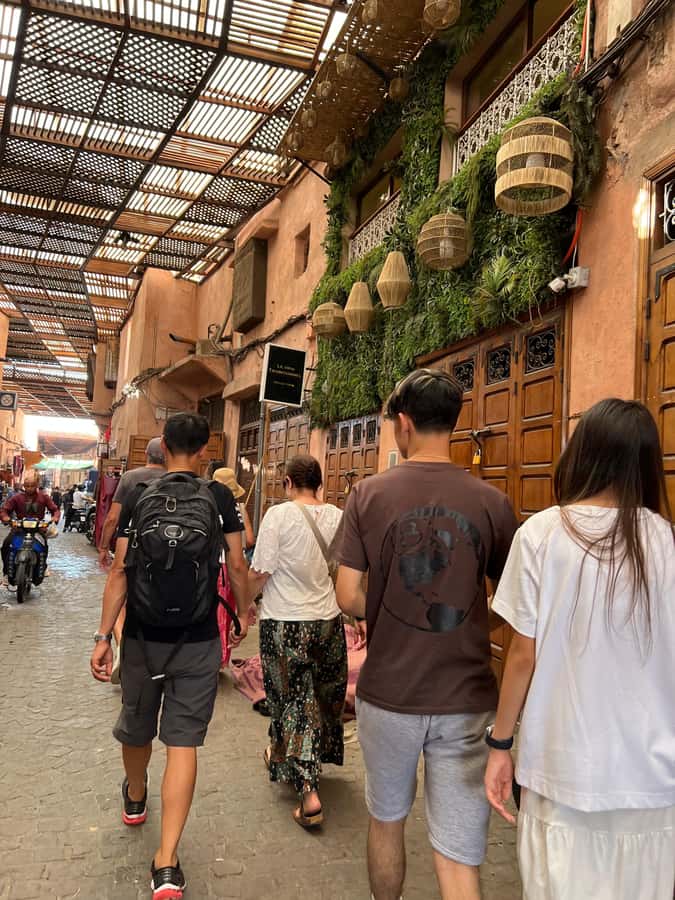
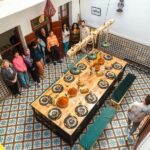
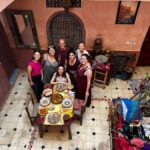
Khmisa Workshops is the kind of place that makes you slow down. You’re in a traditional Moroccan riad in the Medina, and the mood is family-warm right away. The point isn’t to watch a cooking video. It’s to learn the flow: buy ingredients, prep with guidance, cook with confidence, then sit down and eat what you made.
The hosts are Moroccan women and chefs with years of cooking and catering experience. You’ll hear that experience in the way instructions are given. People often comment on how patient and practical the teaching feels, especially when the group is mixed in age and cooking comfort. In one session, Ilham is mentioned as helping translate for the chef, which matters because Moroccan cuisine has plenty of tiny steps that you really want explained clearly.
One practical note: bring comfortable shoes. The Medina area and riad approach can involve uneven steps and surfaces. Also, bring a hair tie since cooking may involve tying hair back during prep.
You can also read our reviews of more tours and experiences in Marrakesh.
Souk shopping: the difference between spices and spice blends
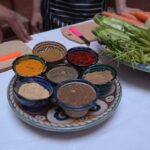
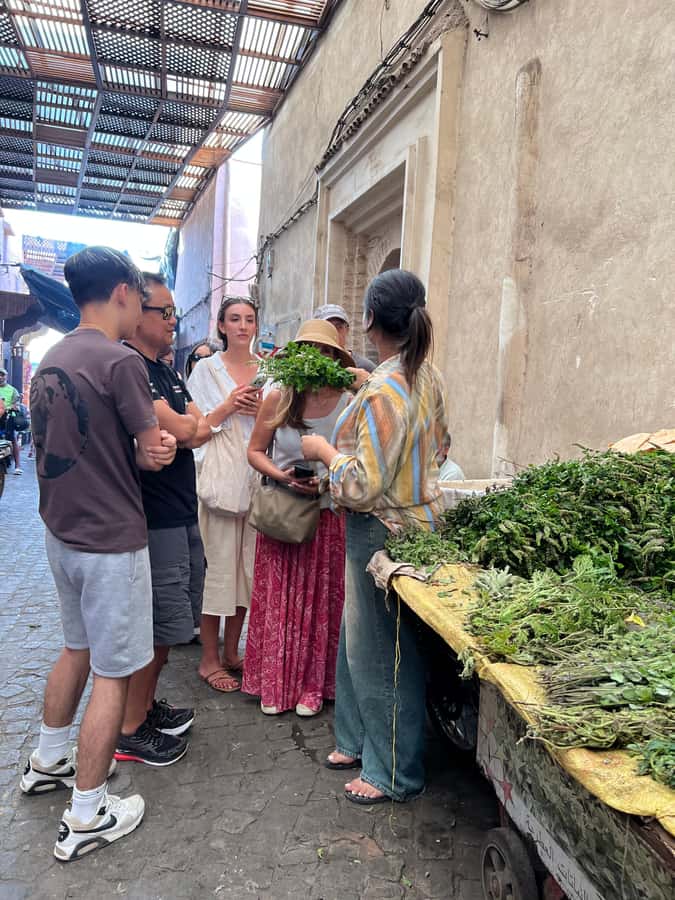
The market walk is more than a photo stop. You start with a quick plan and then head into the souk to buy what the menu needs. The focus is on fresh ingredients and on spices used the Moroccan way—ground, blended, and chosen for the dish you’re making.
A key detail I’d lean into is that you’re going with a guide and a chef, not just wandering. That helps because Moroccan cooking isn’t only about flavor. It’s about correct seasoning patterns: what goes in early, what’s better added later, and how spices behave differently depending on heat and fat. When you’re shopping in person, you also get a sense for the textures—powder, ground mixtures, and whole spices—and how those translate to the kitchen.
This is also where you’ll usually handle dietary needs. The class discusses food allergies and restrictions first, before you shop. That’s smart because it means you can avoid ingredients that don’t work for you and still make a meal that feels complete.
Also, you’ll be shopping away from the most tourist-heavy lanes. That matters if your goal is to understand Moroccan food culture in daily life rather than a polished version of it.
Learning Moroccan mint tea properly, not just quickly
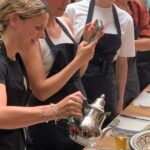
Mint tea is the star in a lot of Morocco experiences. Here, you’re taught how it’s actually done. And yes, it’s more than steep mint leaves in hot water and add sugar. The ritual includes technique and timing, and the hosts explain the steps in a way that’s easy to follow in your own kitchen later.
In practice, this part sets the tone. You get welcomed to the workshop with mint tea, then you learn the process. You’ll be paying attention to things like how it’s prepared and served. The result is that your first cup in the riad feels like part of the meal, not a separate activity.
Why this matters: if you’ve had mint tea in Morocco and it tasted different than what you tried at home, this is the missing piece. The class teaches the method so you’re not left guessing when you recreate it later.
The cooking lesson: teamwork around a real Moroccan table
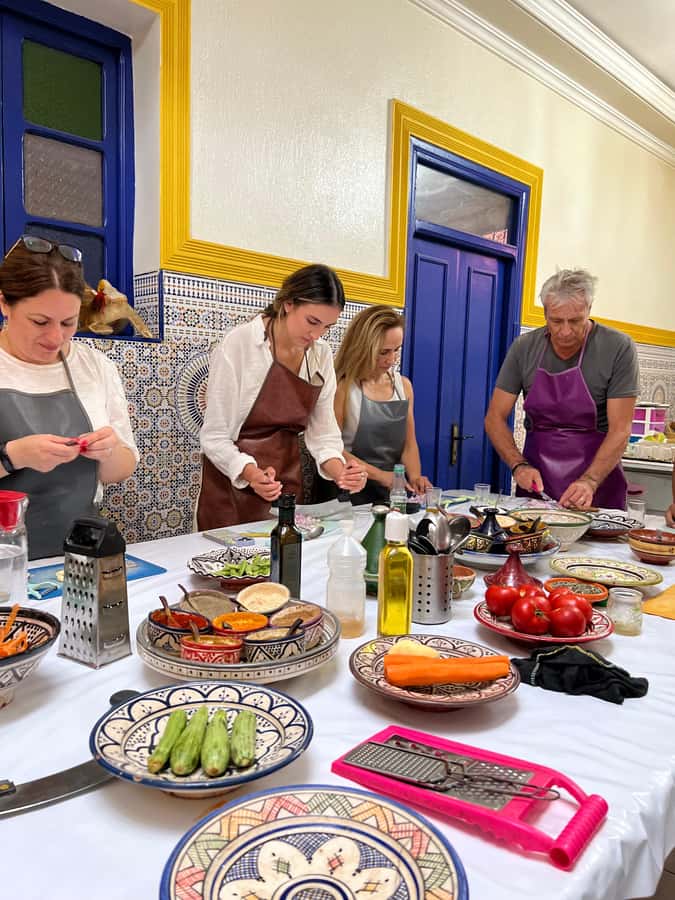
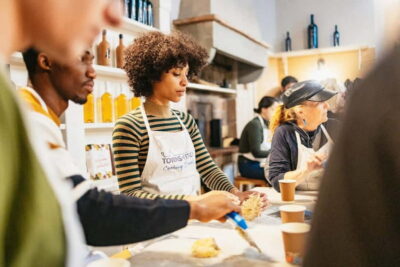
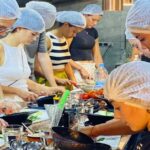
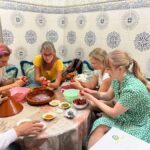
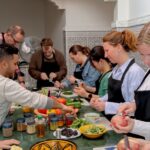
Once you’re back at the workshop, you start cooking as a team. The format is hands-on and interactive, with local women and chefs assisting you through Moroccan culinary methods and spices. Expect participation. You chop, prep, and assemble. You’re not stuck waiting for someone else to finish the work while you only watch.
The menu typically includes 3 to 6 dishes, usually with starters, main courses, and dessert. Vegetarian options show up naturally as part of the starter and tagine choices, and some groups specifically make both vegetarian and chicken tagines. If you’re traveling as a family, this interactive setup works well; I’ve seen families include kids and still get everyone involved.
Chef teaching style is a big part of why this class scores so high. Many people call out the patience and engagement. That’s important in a Moroccan kitchen context, because spices are not a one-size habit. Your coach will guide you through what to add and when—so your dish tastes like the intended version, not like “whatever you sprinkled.”
The workshop itself may be air conditioned, which helps if you’re cooking during a warmer part of the day. You still get the authentic riad setting, but with comfort that keeps the lesson enjoyable.
One more plus: there’s discussion about restrictions and allergies upfront, and the class is described as shared. Private sessions exist on demand, which could be helpful if you’re cooking for a group with specific needs or if you simply want more direct attention.
The typical Moroccan dishes you’ll make (and why the menu matters)
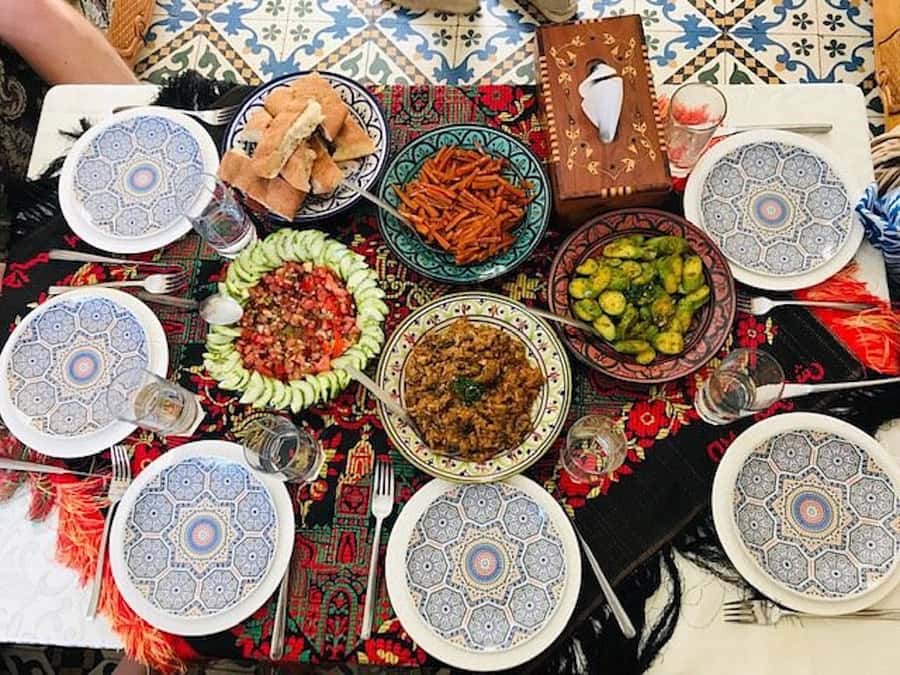
This isn’t a class that teaches one dish in isolation. It’s built to show you patterns across Moroccan cooking.
Most sessions include a mix like:
- Starters and salads (often with multiple vegetarian-friendly choices)
- Main dishes, commonly including chicken tagine and a vegetarian tagine
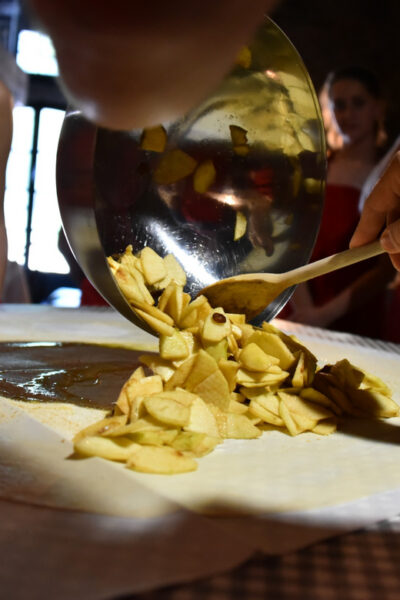
- Pastilla of Milk for dessert, mentioned as part of the typical sweet finish
Even if your menu changes slightly session to session, the structure stays the same: you learn a sequence of flavor building, you see how spices behave with different ingredients, and you end up with a full meal.
Why the “3 to 6 dishes” approach is valuable: it helps you understand what makes Moroccan food feel Moroccan. It’s not just one famous dish. It’s the balance between savory starters, spiced mains, and finishing sweets.
What the meal feels like when you cook together
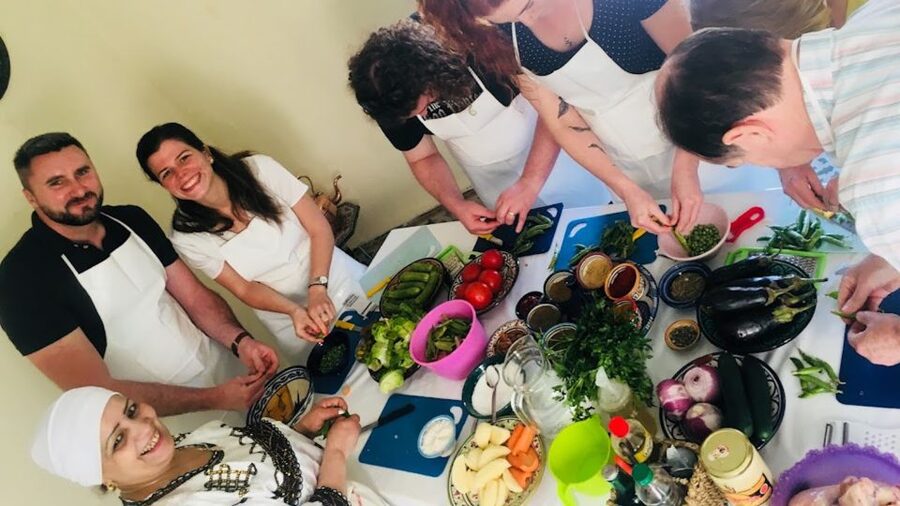
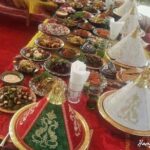
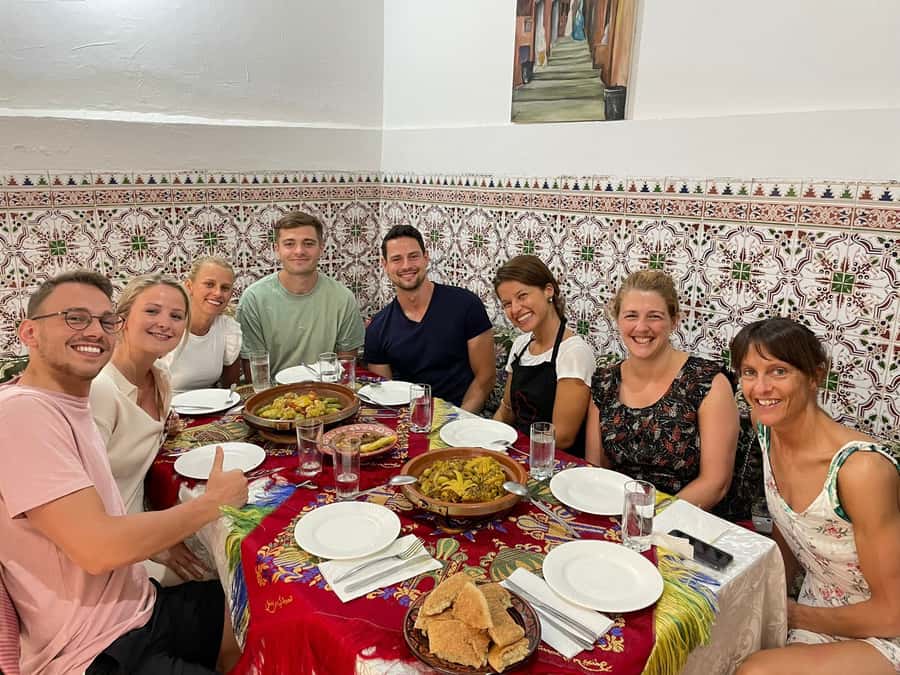
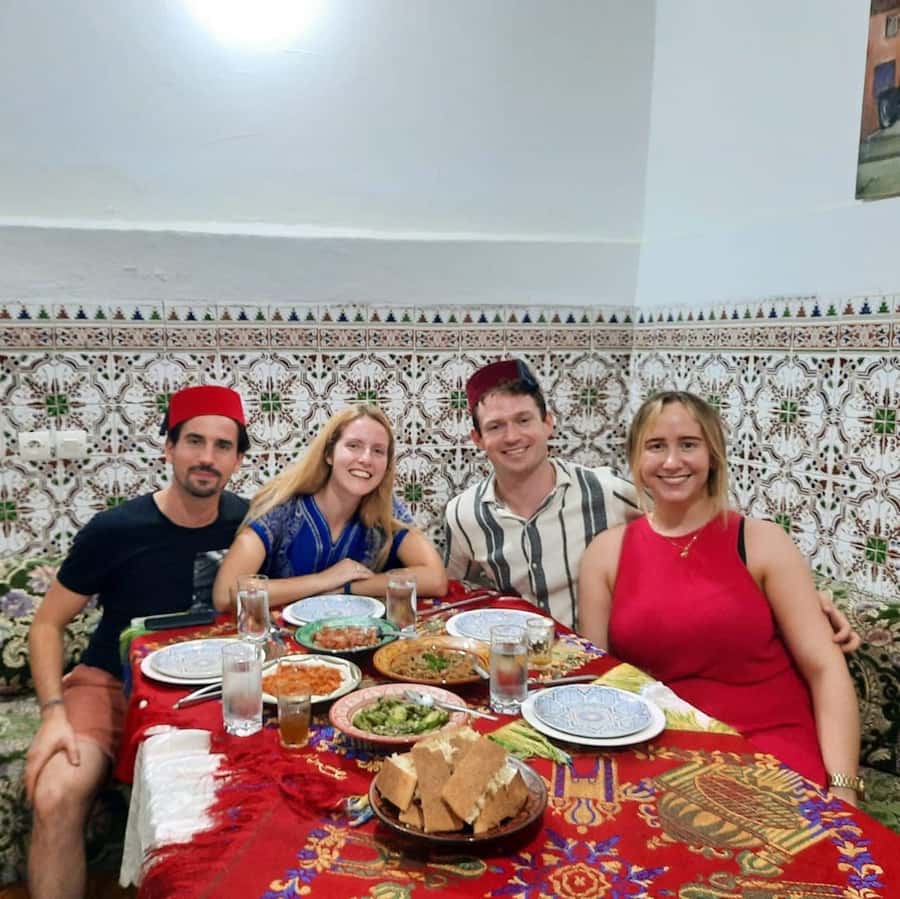
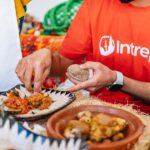
After cooking, you eat. And not in a “here’s your plate, now leave” way. You sit down with the group and taste what you made, which is part of why the experience lands as more wholesome than a typical cooking show.
The shared meal also makes the cooking make sense. When you assemble ingredients and then eat them, you can connect taste to technique. You start to notice what the spices did in the tagine, what the salad or starter adds, and how the dessert finishes the meal.
A couple of ingredients show up across sessions often enough to expect them in some form: orange blossom water and saffron are specifically mentioned as items used during cooking in at least one class. If you’re the kind of person who loves Moroccan flavor beyond cumin and cinnamon, pay attention to how these are used.
Getting recipes you can actually use at home
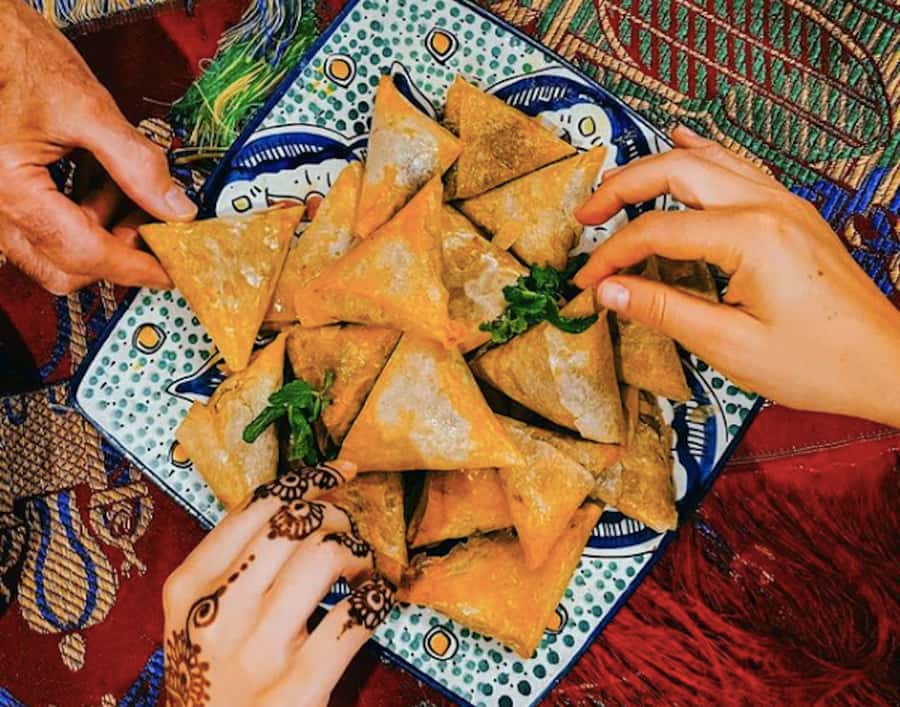
You won’t leave empty-handed. You get electronic recipes afterward. That’s a big deal for value because it means you’re not stuck trying to remember measurements from memory while you’re back in your normal grocery store life.
The recipes cover what you cooked, and some people mention they found them easier to recreate than other cooking classes they’ve tried. That aligns with the teaching style: the workshop doesn’t just show steps. It explains how to think about spices and timing.
You can also purchase fresh homemade spices before you go. That’s another practical win. Whole spice jars in your kitchen are one thing. Having the spices prepared in a style aligned with what you cooked gives you a shortcut.
If you’re traveling with a shopping bag already, plan for spice shopping after the meal. It’s often more satisfying to buy after you understand what each spice is doing.
Price and value: why $40 can make sense here
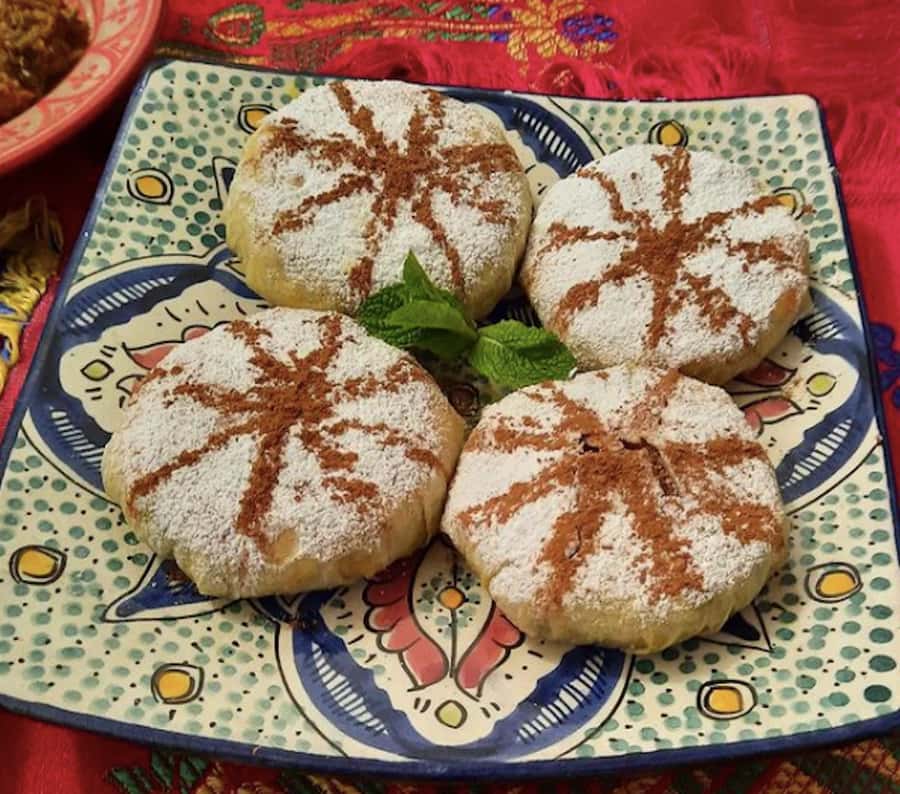
At $40 per person, this is one of the more solid “do something real” experiences in Marrakech, mainly because so much is included.
Here’s what you’re getting for that price:
- Lunch or dinner
- A local guide who speaks French/English/Arabic
- A Moroccan local chef and cooking instruction
- All ingredients
- A short market walk to shop for what you need
- Moroccan tea as part of the ritual
- A group format (typically around 12 people)
Then there are the extras that matter:
- You get electronic recipes after
- You can take home fresh homemade spices
- You cook multiple dishes, so the lesson isn’t a quick one-dish gimmick
The main “hidden cost” is logistical, not monetary: you’ll need to make your own way to the workshop since hotel pickup and drop-off aren’t included. If your hotel is far from the Medina, that means factoring in time and navigating cost.
Still, when you compare it to paying for a meal alone plus paying for a guided market experience, this often feels like good value—especially if you want something you can reproduce later.
Who this class is best for (and who should be cautious)
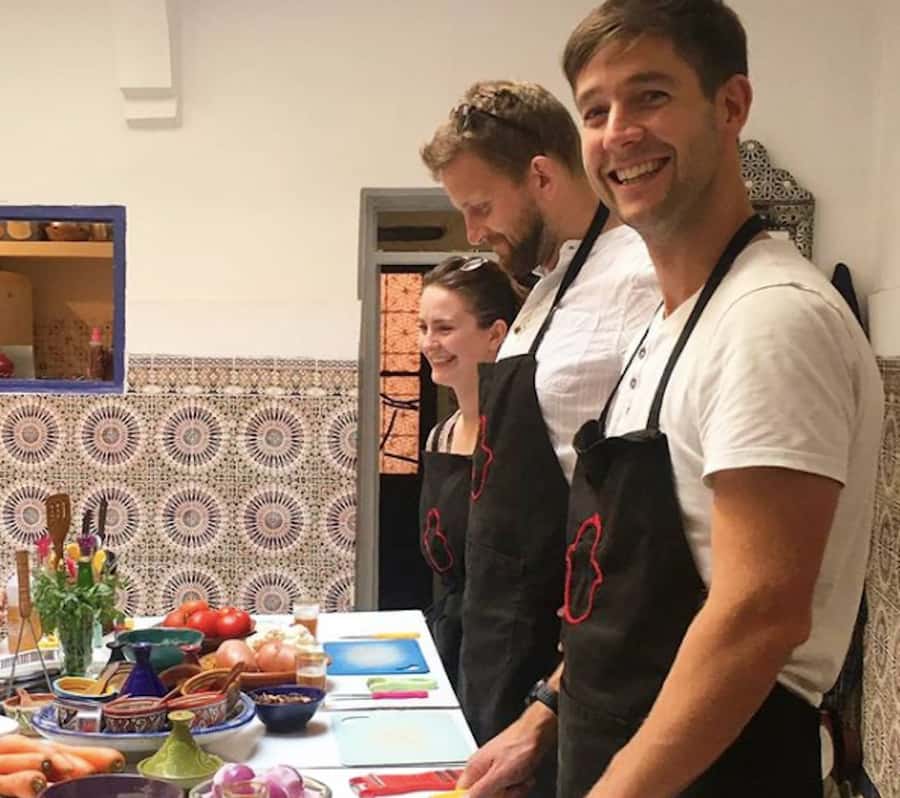
This is a great fit if you want:
- A hands-on food experience rather than a passive activity
- Cooking instruction that supports you with spices and technique
- A taste of everyday Marrakech through a Medina riad and a souk ingredient run
- A meal that feels substantial, not a light snack
It’s also a strong choice for mixed groups. The class is described as inclusive and interactive, and people mention that it works well even with teenagers and at least one young child age group.
Caution if:
- You need wheelchair accessibility. The class is stated as not suitable for wheelchair users.
- You’re expecting hotel pickup. You’ll need to handle getting there on your own.
- You want a purely food-only lesson with no cultural steps. Tea ritual and market shopping are central here.
Language support helps a lot. The class runs in English, French, and Arabic, so you’re not forced into a single language bubble.
Should you book the Marrakech cooking class and market visit?
Book it if your goal is to leave Marrakech with both flavor memories and actual kitchen tools. I especially like this choice for the combo of market shopping + mint tea ritual + cooking multiple dishes. That trio makes the learning stick, and it turns the price into something you can feel.
Skip it if your travel style is “sleep late, wander, and don’t plan.” This experience needs you to show up with the right shoes and a bit of curiosity for spices, technique, and a guided flow. If you can do that, you’ll get a real Moroccan meal and a method you can repeat.
FAQ
FAQ
What does the menu usually include?
The class menu is typically made up of 3 to 6 Moroccan dishes, including starters, main courses, and a dessert such as Pastilla of Milk.
Do you visit the market before cooking?
Yes. You go to a local food market (souq) first to buy fresh groceries and spices, usually away from the most tourist-focused areas.
Is mint tea included, and do they teach how to make it?
Moroccan tea is included, and you learn the mint tea ritual steps as part of the experience before the cooking starts.
Is lunch or dinner included in the price?
Lunch or dinner is included. (The exact meal type can vary based on your session.)
What languages are available during the class?
The local guide and chef support is listed as available in English, French, and Arabic.
What should I bring, and is hotel pickup provided?
Bring comfortable shoes and a hair tie. Hotel pickup and drop-off are not included, so you’ll need to make your own way to the workshop.