REVIEW · MONTEPULCIANO
Montepulciano: Tuscan Cooking Class Traditional Pasta Menu
Book on GetYourGuide →Operated by Tuscan Cooking Classes by le Caggiole · Bookable on GetYourGuide
Fresh pasta, family views, and hands-on teaching. This Montepulciano cooking class is interesting because it’s hosted in a local home setting, not a big tourist kitchen, and you learn the real workflow behind two fresh pastas and tiramisu. I especially loved the hands-on pasta making and the warm, family-style hospitality that makes the whole thing feel personal. You also get a guided introduction to ingredient quality and the farm side of Tuscan cooking, so you’re not just following steps—you’re learning the why.
One consideration: most of the lesson is done while standing, so if you struggle to stand for a long stretch, you may want to rethink this class.
In This Review
- Key highlights worth marking on your map
- Why This Montepulciano Pasta and Tiramisu Class Feels Different
- Finding the le Caggiole Meeting Point Near Montepulciano
- First Look at the Farm: Terrace Welcome and Giacomo’s Ingredient Focus
- Choosing Ingredients and Cooking Two Fresh Pastas
- The Tasting Table: Four Courses and the Main Tuscan Pasta Hits
- Wine Pairing With Three Selected Bottles
- Tiramisu Finish on the Terrace With What You Actually Made
- Price and Value: Is $183.52 Worth It?
- Who This Cooking Class Is For (and Who Should Skip)
- Practical Tips to Make Your 3.5 Hours Enjoyable
- Should You Book This Montepulciano Pasta and Tiramisu Class?
- FAQ
- FAQ
- How long is the Montepulciano traditional pasta and tiramisu cooking class?
- What’s included in the price?
- How large is the group?
- Who teaches the class, and what languages are offered?
- Do I need to bring anything besides myself?
- Is video or audio recording allowed?
- Can the menu be changed for allergies or intolerances?
- Is it suitable for wheelchair users or children?
- Is it suitable for gluten intolerance?
Key highlights worth marking on your map
- Small group of up to 8: you get real attention while you’re rolling, shaping, and tasting
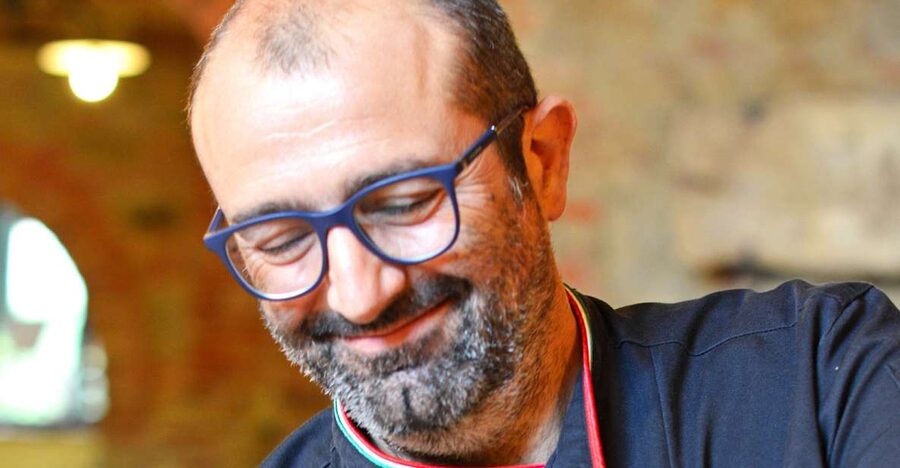
- Giacomo and Cristiano lead the class with a professional, friendly rhythm
- Organic farm + ingredient philosophy before you cook: you’ll know what to look for
- Two fresh pastas plus tiramisu: you’ll leave with skills, not just photos
- Three selected wines paired with your meal and tasting table
- Four-course menu includes a typical Tuscan appetizer, plus pappardelle and pici
Why This Montepulciano Pasta and Tiramisu Class Feels Different
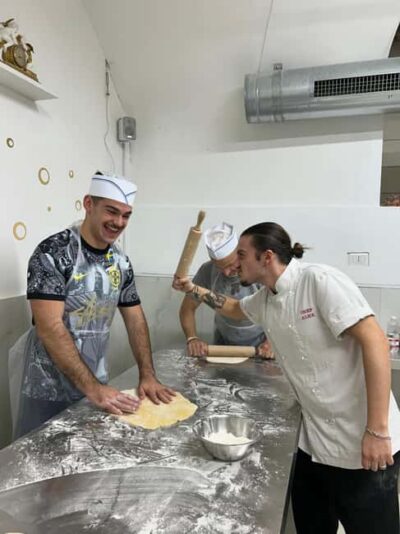
If you’ve done a cooking class where everyone sits, watches, and then tastes something plated for you, this one will feel more like learning from neighbors. You start on a terrace, then you move into the work—choosing ingredients, making dough, shaping pasta, and finishing with a dessert you actually prepared.
I like that it’s not framed as a performance. The tone is warm and practical. You’ll meet Giacomo first (and you’ll likely also work with Cristiano), hear about how the family farm operates, and then cook using the same ingredient-thinking that drives their menu. That matters because Tuscan cooking isn’t just about recipes—it’s about using high-quality basics and letting them do the heavy lifting.
You’ll also eat like you mean it. This isn’t a single-bite tasting. You sit down around a large table and go through a four-course menu, with wine included, and then you finish with the tiramisu you made yourself.
You can also read our reviews of more tours and experiences in Montepulciano.
Finding the le Caggiole Meeting Point Near Montepulciano
Logistics can make or break a tour, so here’s what helps.
You meet at Tuscan Cooking Classes by le Caggiole. If you’re driving from Montepulciano’s old town, follow signs to Ospedale. After about 2 kilometers, look on the right side of the main road for two yellow barrels under two big trees. That’s the kind of landmark that actually saves time when you’re hungry and your phone signal is doing its best.
If you prefer GPS, the coordinates are:
- Lat 43.115601
- Long 11.803996
The session ends back at the meeting point, so you’re not stuck hunting for a bus after dessert.
One more practical note: transportation is not included. If you’re relying on taxis or rideshare, plan for the full 3.5 hours plus a little extra buffer.
First Look at the Farm: Terrace Welcome and Giacomo’s Ingredient Focus
The class begins with a meeting on a panoramic terrace. You and the group gather as the course program is laid out. This part isn’t filler. It sets the tone: you’re coming to learn how a Tuscan family approaches food.
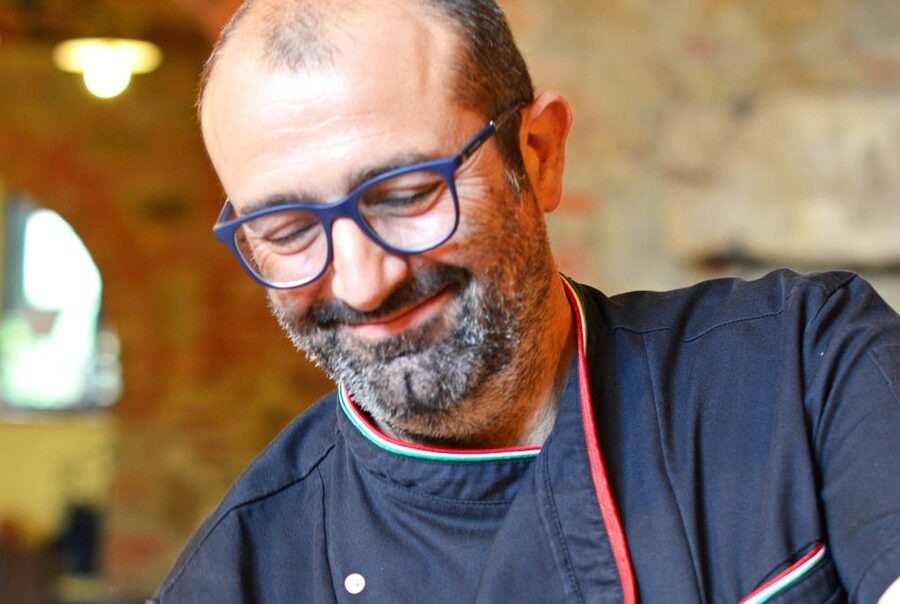
You’ll meet Giacomo and the other classmates, then hear about the family’s organic farm and sustainable production systems. The message is simple: quality ingredients are the base of the kitchen philosophy. In practical terms, that means the class doesn’t just tell you what to do—it talks about what to look for in the ingredients you choose next.
This is also where you’ll get oriented to the pace. The group is small (limited to 8 participants), so it’s easy to ask questions and get help before you start handling dough. If you learn best by doing, this structure works in your favor.
Choosing Ingredients and Cooking Two Fresh Pastas
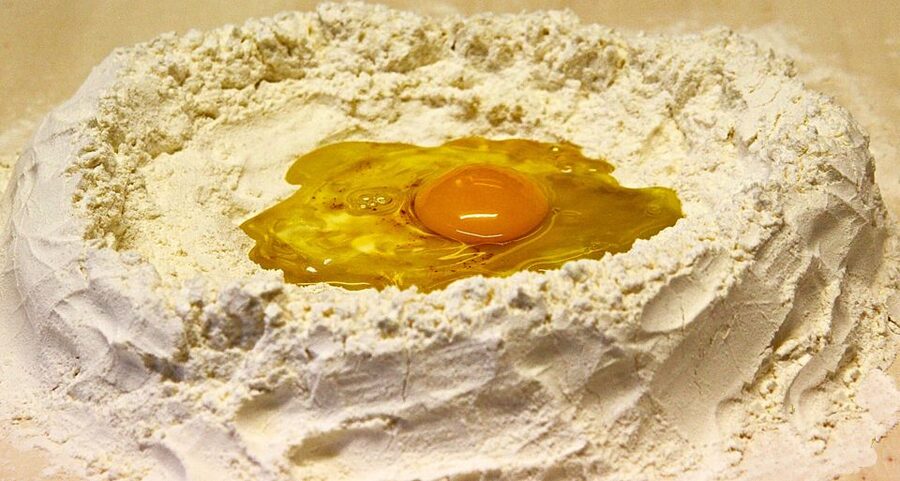
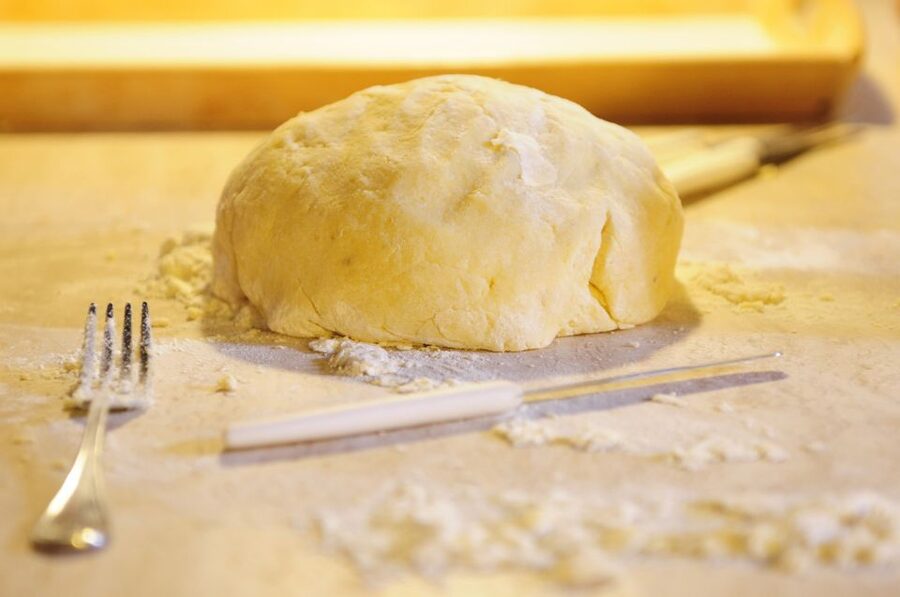
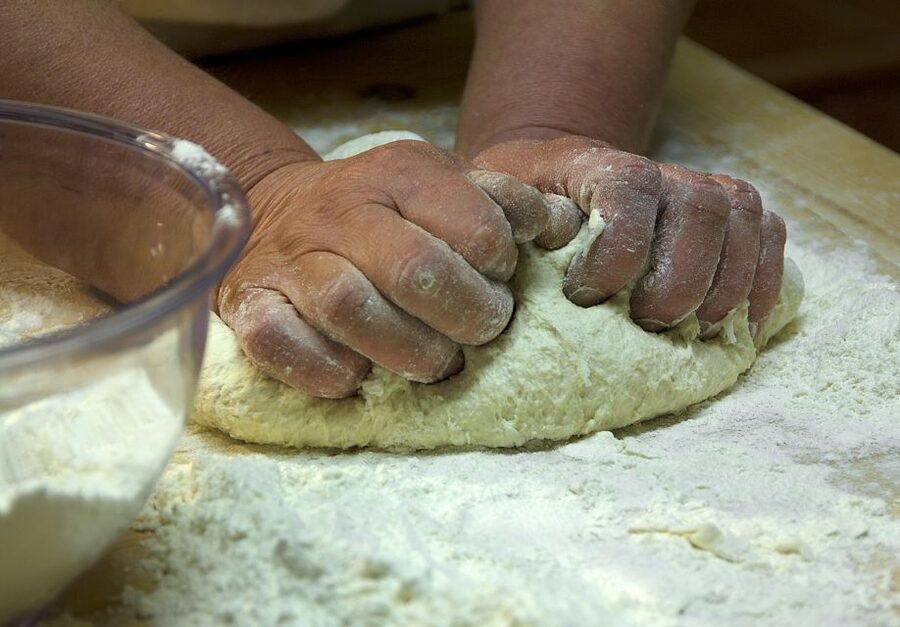
Here’s where the real value shows up: you learn to prepare two traditional fresh pastas, not one. After the terrace intro, you move into selecting the best ingredients and then cooking.
From a learner’s perspective, ingredient selection is underrated. It’s not glamorous, but it changes the whole outcome. When you learn how quality is judged, you’re more likely to recreate results later at home. The class is built to teach that part before you start cooking.
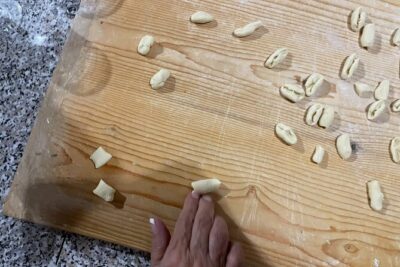
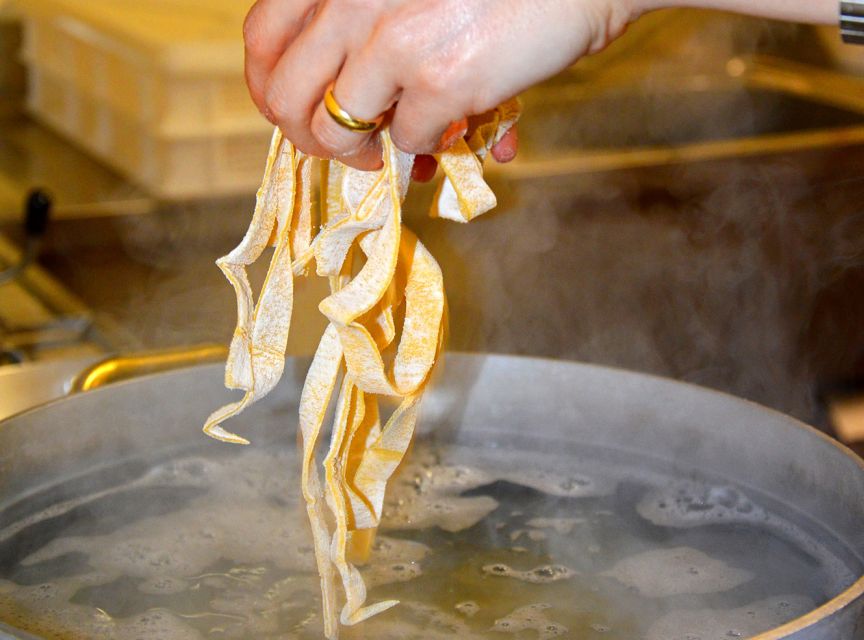
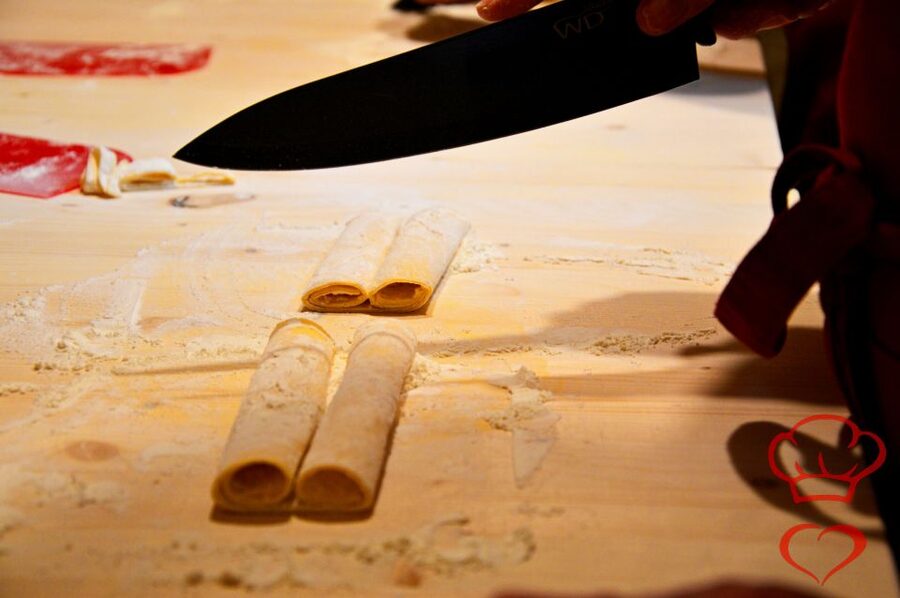
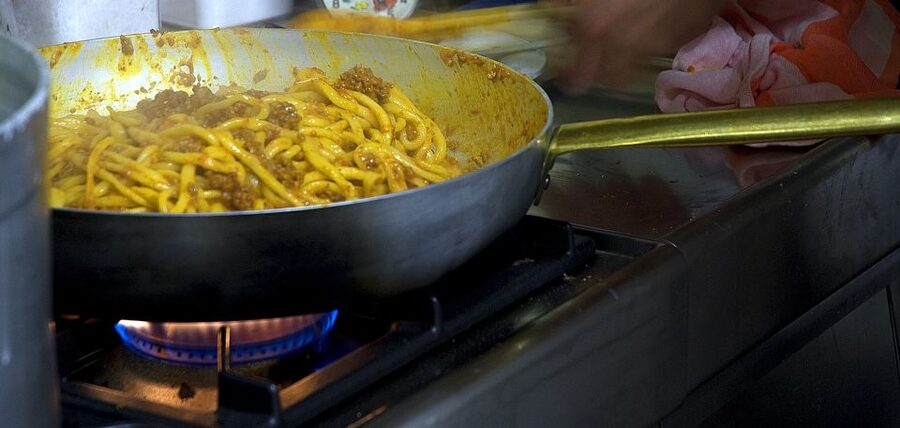
You’ll make fresh pasta and learn how to prepare it in a way that fits Tuscan tradition. The exact pasta shapes you’ll cook include pappardelle and pici (you’ll also taste these later in the meal). Getting hands-on with shaping and texture is the difference between eating a dish and understanding it.
Also, plan your clothing for work. You’ll want comfortable shoes and clothes, because the session runs with a practical, standing-heavy rhythm. Most of the lesson is done while standing, so if you have mobility issues, this may not be the best match.
If you like learning by touching and tasting in real time, this class hits a sweet spot. And because the group stays small, you’re not stuck waiting your turn while everyone else goes first.
The Tasting Table: Four Courses and the Main Tuscan Pasta Hits
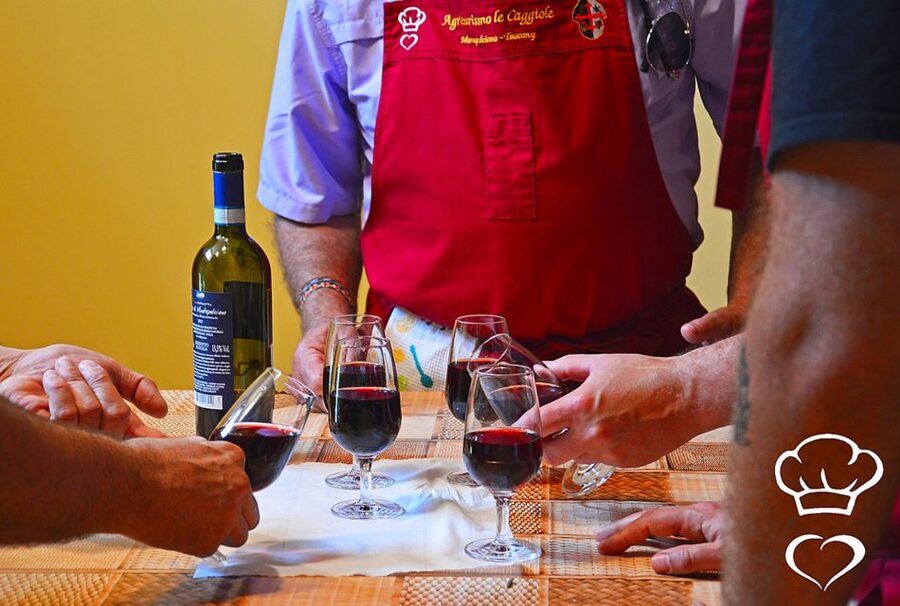
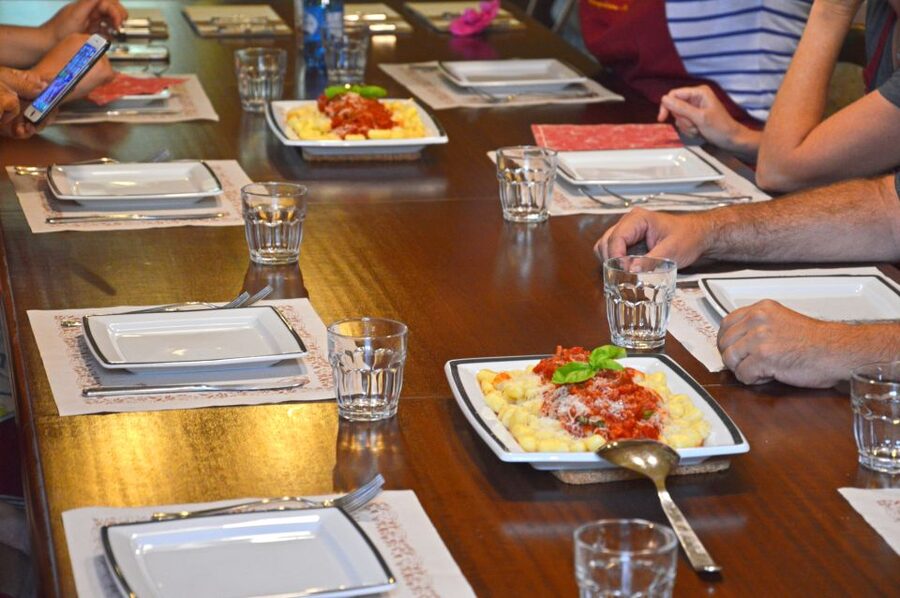
Once the cooking part is done, you sit down around a large table for a four-course menu. This is one of the most satisfying parts of the experience, because you’re eating what you learned—paired with wine and served in a home-style sequence.
The courses include:
- A typical Tuscan appetizer
- Pappardelle
- Pici
- Tiramisu (tasting ties in with what you prepared)
You’ll also have a glass of wine with the meal. This is where the ingredients and technique you practiced come together. Pappardelle tends to feel substantial and comforting, while pici offers a more rustic, handmade character. Having both on your plate makes it easier to understand how different shapes and textures reflect different regional traditions.
This part also works socially. Because it’s a small group, table conversation doesn’t feel like you’re interrupting a class—it feels like you’re joining a family meal.
Wine Pairing With Three Selected Bottles
Wine is included, and it’s not an afterthought. You’ll taste high-quality local wines that are expertly selected by a sommelier, with three selected wines included in the experience.
Why this matters: pairing teaches you how flavors shift when alcohol meets food. You’ll likely notice how the pasta and sauces respond to acidity, body, and tannins. Even if you don’t consider yourself a “wine person,” tasting in a structured way helps you learn faster than guessing on your own.
A practical tip: pace your sips. You’ll be eating multiple courses and also doing dessert-related finishing later. Sip slowly, take water breaks if offered, and keep your focus when the group moves from course to course.
And if you enjoy wine, this is a smart value add. A lot of classes might include one token glass. Here, wine is built into the experience with three selections.
Tiramisu Finish on the Terrace With What You Actually Made
Dessert is where this class sticks the landing. At the end, you taste freshly prepared tiramisu while you soak up the amazing views from the terrace.
That’s a key detail: you’re not just handed dessert. You made it. So when you take that first bite, you can tell whether your technique gave you the right texture and balance.
Tiramisu also adds variety to the lesson. Pasta teaches structure and dough handling; tiramisu teaches timing and finishing. It’s a good pairing of skills, and it makes the overall class feel complete instead of one-note.
The terrace setting matters too. Dessert tastes better when you’re not rushing out. This is a relaxed finish—use it to slow down, enjoy the setting, and ask any last questions.
Price and Value: Is $183.52 Worth It?
At $183.52 per person, this isn’t a budget cooking class. But it can be good value if you’re aiming for a full meal experience plus instruction.
Here’s what you’re getting that justifies the price tag:
- A 3.5-hour, small-group format (up to 8 people)
- Hands-on cooking for two fresh pastas plus tiramisu
- A four-course menu with a typical Tuscan appetizer and your pasta tastings
- Three selected wines, including sommelier input
- Recipes and photos, plus all necessary equipment and tools
The biggest value win is that it’s not only cooking—it’s teaching and eating the results. You’re paying for the full experience cycle: prep, instruction, and a meal that matches what you learned.
When you should think twice: if you want a quick, inexpensive activity, or if your main goal is just tasting without wanting hands-on skill building, a paid cooking class may feel like too much. This one is best for people who enjoy learning, rolling dough, and treating food as a craft.
Who This Cooking Class Is For (and Who Should Skip)
This class is a strong fit if you want:
- A small-group experience with hands-on guidance
- Traditional Tuscan cooking focused on fresh pasta and classic dessert
- Wine included, with a sommelier’s selections
- The chance to connect with a local family atmosphere in Tuscany
It’s also a nice match if you’re visiting Montepulciano for a few days and want one activity that isn’t just sightseeing.
It’s not a great fit if you:
- Struggle standing for extended periods (most of the lesson is standing)
- Need wheelchair accessibility (not suitable for wheelchair users)
- Have gluten intolerance (not suitable for gluten intolerance)
- Want a child-friendly class (not suitable for children under 12)
- Plan to record with video or audio (not allowed)
- Are bringing pets (pets not allowed)
If you’re traveling alone, there’s an extra note. For single guests, they ask that you contact before booking so they can try to welcome you into an already scheduled small group and optimize the experience. That’s worth doing if you care about group dynamics.
Practical Tips to Make Your 3.5 Hours Enjoyable
A cooking class goes smoother when you arrive ready to work.
- Wear comfortable shoes. You’ll be on your feet.
- Dress comfortably. You’re cooking and standing, not just touring.
- Think about allergies early. They need to be informed about intolerances or allergies before booking so dishes can possibly be adjusted. After booking, requests to change the menu can’t be considered.
- Come with curiosity. Questions are welcome, especially about ingredients and technique.
- Leave room to taste. You’ll eat a full four-course menu plus wine.
Also, this is an English/Italian instructor class, so you can expect help in those languages. If you only speak one of them, you’ll still be able to follow along—just don’t expect a polished lecture. It’s more work-and-learn than theory-only.
Should You Book This Montepulciano Pasta and Tiramisu Class?
If your idea of a great Tuscany day is cooking something real, eating like a local, and leaving with skills you can repeat, I’d book it. The combination of two fresh pastas, tiramisu you taste right after making, a four-course meal, and three wine selections (with sommelier involvement) makes it feel like a complete afternoon, not a short demo.
I’d also book it if you value family-style hospitality and want the ingredient philosophy that sits behind Tuscan food. Meeting Giacomo, learning from the farm approach, and getting help from Cristiano puts the class in the “learn for keeps” category.
Hold off if standing is an issue for you, if gluten intolerance affects your choices, or if you’re mainly looking for a low-effort tasting.
If you fit the sweet spot—curious cook, small-group fan, and wine-included eater—this is a memorable way to spend your time around Montepulciano.
FAQ
FAQ
How long is the Montepulciano traditional pasta and tiramisu cooking class?
The experience lasts about 3.5 hours. Starting times depend on availability.
What’s included in the price?
You get all necessary equipment and tools, recipes, pictures, a four-course menu, and three selected wines.
How large is the group?
It’s limited to a small group of up to 8 participants.
Who teaches the class, and what languages are offered?
The instructor speaks English and Italian.
Do I need to bring anything besides myself?
Yes—bring comfortable shoes and comfortable clothes. Transportation is not included.
Is video or audio recording allowed?
No. Video recording and audio recording are not allowed.
Can the menu be changed for allergies or intolerances?
You need to inform them about any intolerance and/or food allergies before booking so they can evaluate possible dish changes. After booking, menu change requests cannot be considered.
Is it suitable for wheelchair users or children?
No. It is not suitable for wheelchair users, and it is not suitable for children under 12.
Is it suitable for gluten intolerance?
No, it is not suitable for people with gluten intolerance.