REVIEW · MONTEPULCIANO
Montepulciano: Italian Cooking Class at a Tuscan Farm
Book on GetYourGuide →Operated by Valdichiana Living · Bookable on GetYourGuide
You start cooking before lunch plans even exist. This Montepulciano Tuscan farm class takes you straight into classic dishes like bruschetta, handmade pici, and a homemade dessert, all tied to seasonal, local ingredients. You also get the social side of the meal, with wine showing up between steps.
I love how hands-on the teaching feels. You’re not watching from the sidelines—you’re making the food, with practical guidance and a no-nonsense pace that helps you get it right.
One thing to consider: the actual farmhouse meeting point gets sent after you book, and there’s no transportation service, so you’ll want your own plan for getting there in time.
In This Review
- Key things to know
- Why a Tuscan farm kitchen beats a city cooking class
- First step at the farmhouse: welcome drink and getting your rhythm
- Bruschetta and croutons: learning Tuscan basics that travel well
- Handmade pici: the Province of Siena pasta lesson you’ll actually remember
- Tuscan sauce and timing: how the wine break fits the work
- The homemade dessert: finishing with something you made, not just tasted
- The shared table: eating your bruschetta, pasta, and dessert with local wines
- Price and value: is $164.26 per person fair for 3 hours?
- Who this cooking class suits best (and who might feel out of place)
- Booking tips before you go to the Valdichiana farm
- FAQ
- How long is the Montepulciano Tuscan farm cooking class?
- What does the cooking class cost?
- How small is the group?
- Where do I meet, and where does the experience end?
- Is transportation service included?
- Can I cancel, and is pay later available?
- Should you book this Montepulciano cooking class?
Key things to know
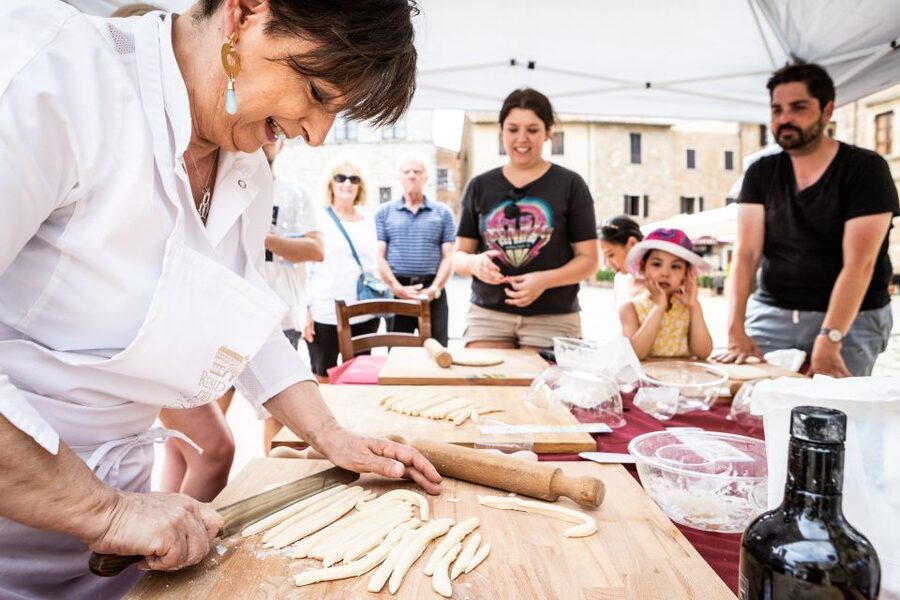
- Small-group class (up to 10 participants) keeps the kitchen calm and questions answerable
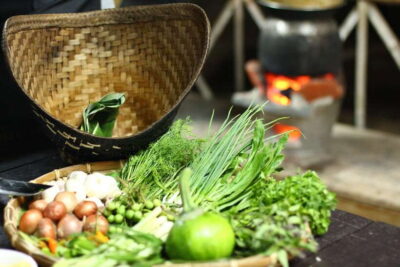
- Seasonal, zero-miles ingredients focus you on what Tuscan cooks use when it’s in season
- Bruschetta + croutons, then handmade pici gives you two different pasta/ bread skills in one session
- Wine appears during the cooking, not just at the table
- Lunch or dinner is included, and you eat what you cooked at a shared table
- Farmhouse logistics are handled after booking, so confirm your directions early
Why a Tuscan farm kitchen beats a city cooking class
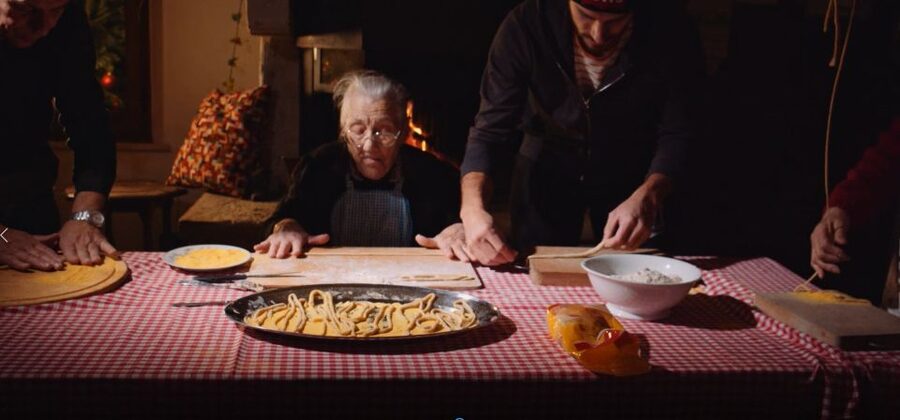
Tuscany cooking classes can turn into a demo you mostly photograph. This one aims for the opposite: you work with your hands, learn by doing, and end up with food you can actually repeat later.
The farmhouse setting matters. It shifts the experience from tourist show-and-tell to a real agricultural rhythm—simple dishes, seasonal products, and a pace that feels closer to home cooking than restaurant theater.
You can also read our reviews of more tours and experiences in Montepulciano.
First step at the farmhouse: welcome drink and getting your rhythm
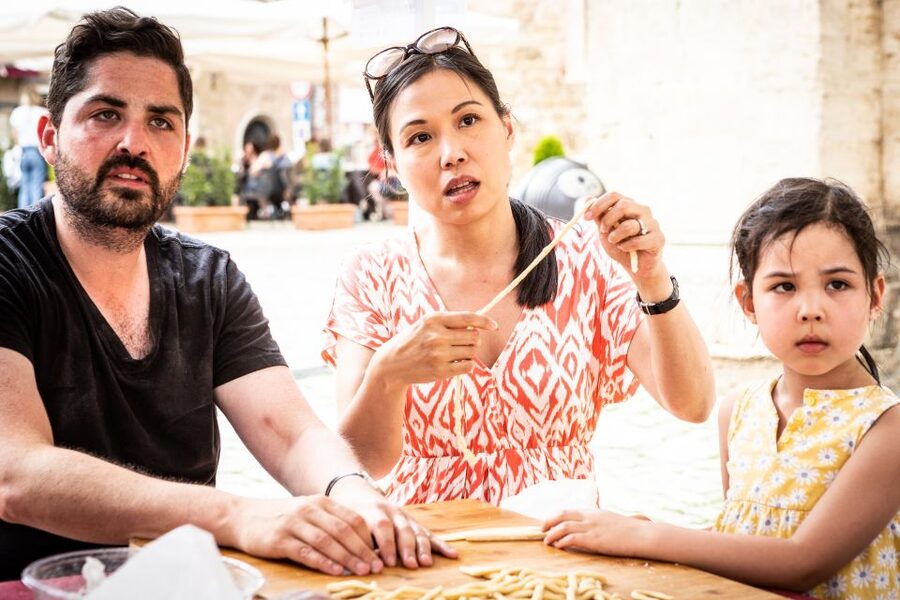
When you arrive, you’ll start with a welcome drink, which is a nice way to settle in before the flour starts flying. The host or greeter speaks English and Italian, and the small group size (up to 10) makes it easier to ask questions without feeling rushed.
After the quick start, the class flows in clear stages. You’ll move from prep work (bread, tomatoes, olive oil) into dough work (pici), then into cooking and plating. And at different moments, there’s a glass of wine to keep things relaxed while you’re mid-task.
Bruschetta and croutons: learning Tuscan basics that travel well
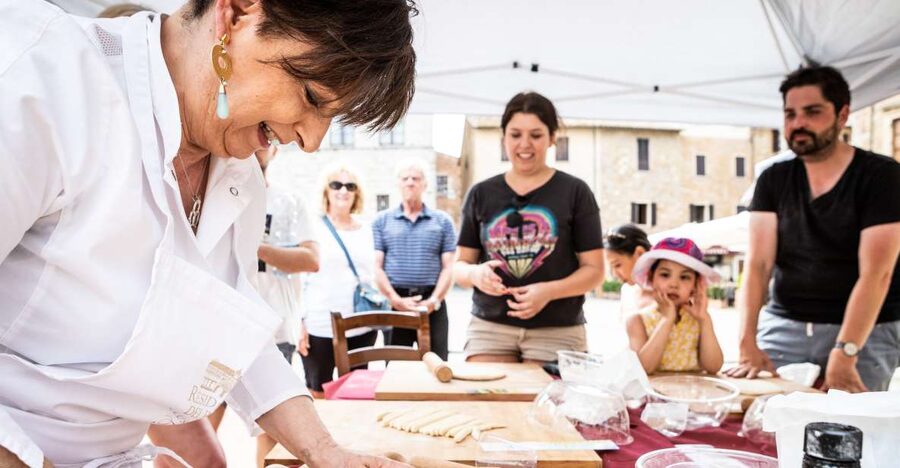
The first real cooking stage is bruschetta and croutons. You’ll work with classic combinations like tomato and basil, plus Tuscan extra virgin olive oil, with the focus on keeping things simple and letting ingredients do the heavy lifting.
Here’s why I like this part for you: bruschetta is one of those dishes that sounds easy, but the details are what make it great—how you season, how you balance freshness and acidity, and how you handle bread so it doesn’t turn soggy. You’ll get those lessons right away instead of trying to guess later from a recipe card.
If you’re a beginner, this stage builds confidence. If you already cook, it’s a good reset—back to fundamentals, with Tuscan flavor logic.
Handmade pici: the Province of Siena pasta lesson you’ll actually remember
Next comes pici, the famous handmade pasta typical of the Province of Siena. The class walks you through making it the traditional way: you mix water and flour to build your dough, then shape it into pici by hand.
This is where the class earns its keep. Handmade pasta skills sound intimidating, but when you do it step-by-step in a small group, it becomes doable. You learn the feel of the dough—what it should look like as it comes together—and how shaping changes with dough texture.
And even if your pici don’t look exactly like your neighbor’s, that’s normal. The goal is learning the process. Once you’ve made it once, you’ll understand what “handmade” really means in practice, not just as a phrase on a menu.
Tuscan sauce and timing: how the wine break fits the work
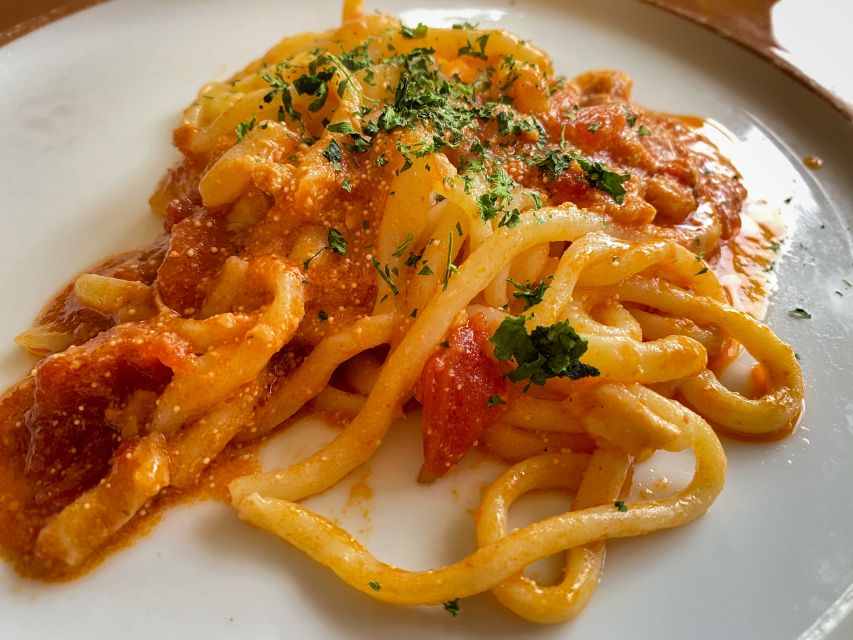
After pici, you’ll make an excellent sauce to go with it. The exact sauce recipe isn’t listed here, but the emphasis is clear: it’s Tuscan-style, designed to be simple and tasty, and built around the same seasonality approach as the earlier ingredients.
Between the main preparation steps, there’s always a glass of wine. That detail isn’t just for fun—it helps the flow. When you’re cooking dough and shaping pasta, you need moments to reset your hands and your focus. A short pause also keeps the class from feeling like a nonstop sprint.
The homemade dessert: finishing with something you made, not just tasted
At the end of the cooking, you’ll make a delicious homemade dessert. This closes the loop in a satisfying way: you started with bread and tomato, moved into handmade pasta, and you end with something sweet you can replicate later.
For value, the dessert matters because it turns the class into a full meal experience rather than a “snack workshop.” You’ll feel like you got an evening—or a lunch—worth of food knowledge out of the 3 hours.
The shared table: eating your bruschetta, pasta, and dessert with local wines
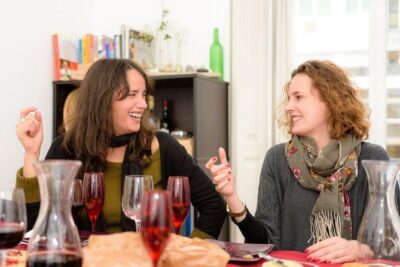
Once everything’s cooked, the table gets set. You’ll then taste what you made, paired with local wines.
This is one of the best parts for first-timers. Cooking classes sometimes leave you hungry because the serving feels rushed. Here, the structure is built for eating: you cook, you sit down, and you taste at the pace of a real meal.
Also, pairing your food with local wines makes the learning stick. You’re not just learning what the dish is; you’re learning how Tuscan flavors meet Tuscan drinks. After that, you’ll start thinking about food pairings in a way that goes beyond this one class.
Price and value: is $164.26 per person fair for 3 hours?
At $164.26 per person for a 3-hour small-group class, you’re paying for three things at once: instruction, ingredients, and a proper meal experience.
What’s included:
- welcome drink
- Tuscan cooking class
- lunch or dinner
- and wine during the cooking and local wines with your meal
What’s not included:
- transportation service
So you should judge the price as a “food-and-teaching package,” not as a quick activity. If you’re the kind of traveler who likes hands-on skills—especially ones you can take home—this price can feel fair. If you just want photos and a light bite, you may find it pricey compared with simpler tastings.
My practical take: plan for your own transportation to the farmhouse, because that’s the one part you’ll need to handle. Once you do, you’re getting a complete meal cycle—bread, pasta, sauce, dessert—plus wine, all in a group capped at 10.
Who this cooking class suits best (and who might feel out of place)
This class is a great match if you:
- want a hands-on Tuscan meal you can recreate later
- enjoy learning techniques like handmade pasta shaping
- like small groups where questions and coaching are actually possible
- want a rural farmhouse setting tied to local food culture
It may be less ideal if you:
- dislike getting your hands involved with dough and prep work
- want a flexible schedule with unknown start times and you hate adjusting plans
- can’t manage getting to the farmhouse on your own, since transportation isn’t included
For the best experience, come ready to work and taste. This isn’t a passive tour.
Booking tips before you go to the Valdichiana farm
A few details will help you avoid stress.
- The farmhouse meeting point is communicated after confirmation, so don’t wait until the last minute to check directions.
- Expect a pace that moves through multiple cooking stages—bread/croutons, then dough and pasta, then dessert—plus wine breaks and a meal at the end.
- Bring a bit of patience. Handmade pasta takes time, even with guidance, and the whole point is learning the process.
Also, since the class is limited to 10 participants, it tends to be the kind of thing that fills up when schedules match. If your dates are firm, book when you find a suitable start time.
FAQ
How long is the Montepulciano Tuscan farm cooking class?
It lasts 3 hours.
What does the cooking class cost?
The price is $164.26 per person.
How small is the group?
The group is limited to 10 participants.
Where do I meet, and where does the experience end?
The farmhouse meeting point is communicated after booking confirmation, and the activity ends back at the meeting point.
Is transportation service included?
No, transportation service is not included.
Can I cancel, and is pay later available?
Free cancellation is available up to 24 hours in advance for a full refund, and you can reserve now and pay later.
Should you book this Montepulciano cooking class?
If you want a real Tuscan food day—bread, handmade pasta, sauce, dessert, plus wine—this is an excellent use of 3 hours. The hands-on instruction, the small group limit, and the fact that you sit down to eat what you cook make it feel like more than a class.
I’d book it if you’re comfortable handling dough and you can get to the farmhouse on your own. If you want an easy, low-participation tasting, you might be happier with something less hands-on. But for skill-building with a proper meal at the end, this one is a strong choice.