REVIEW · NAPLES
Naples: Pasta Cooking Class with Tiramisù and a Drink
Book on GetYourGuide →Operated by Luigi Marra · Bookable on GetYourGuide
Handmade pasta in Naples beats day-tour meals. This hands-on class at Restaurant San Carlo 17 teaches you dough, shaping, and a classic tiramisù with fresh ingredients and an English-speaking chef in charge. You’ll leave with a plate you helped create, plus the skills to repeat it at home.
I love the chef-supervised workflow, from kneading and rolling to the last-minute pasta finishing. I also like the value: you don’t just watch, you eat what you made, with bruschetta, a drink, and an espresso to close. One drawback: it’s not suitable for gluten intolerance and it’s not built for mobility impairments or motion sickness.
In This Review
- Quick Takes: Why This Class Works in Naples
- Naples Pasta and Tiramisù: What You’re Really Paying For
- Getting There: Via San Carlo 17 in the Heart of Naples
- The Menu Lesson: Tagliatelle Nerano, Ravioli alla Sorrentina, Maltagliati
- Chef-Led Flow: When You Knead, Cut, and Prepping Tiramisu
- The Sauces: Why the Chef Finishes What You Start
- Dessert Time: Tiramisu and the Espresso Ending
- The Dinner Finale: Bruschetta, Your Pasta, One Drink, Then Coffee
- Instructor Quality: English Lessons With Real Personality
- Price and Value: Why $71 Feels Fair Here
- Who Should Book This Class (and Who Should Skip It)
- Booking Tips: The Small Details That Save Time
- Should You Book This Naples Pasta and Tiramisu Class?
- FAQ
- Where is the meeting point?
- How long is the experience?
- Is the instructor teaching in English?
- What pasta dishes will I learn to make?
- What’s included for the meal and drinks?
- Do I need to pay extra for drinks?
- Is the price $71 per person?
- Is it suitable for gluten intolerance?
- Is it wheelchair accessible or good for mobility impairments?
- Is there free cancellation or pay-later booking?
Quick Takes: Why This Class Works in Naples
- San Carlo 17 location: central Naples, easy to reach from Piazza Plebiscito and the metro.
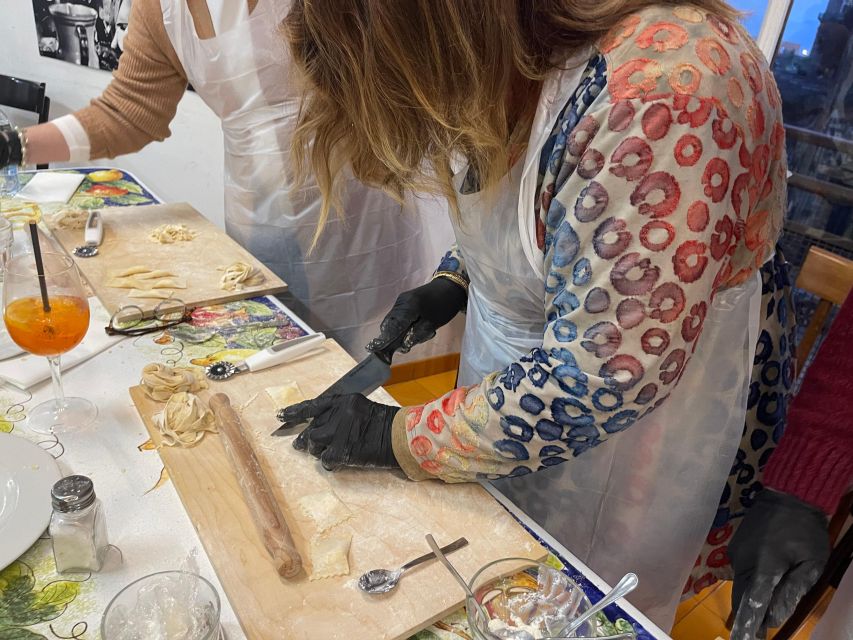
- Hands-on pasta making: you’ll knead, cut, and shape dough, not just assemble.
- Three pasta styles: tagliatelle nerano, ravioli alla sorrentina, and maltagliati.
- Tiramisù timing: you’ll prepare it during class so it can set before eating.
- Small-group energy: based on past class sizes, you may get extra attention from the instructor.
- Big finale for $71: bruschetta, your pasta with sauces cooked by the chef, tiramisù, plus coffee.
Naples Pasta and Tiramisù: What You’re Really Paying For
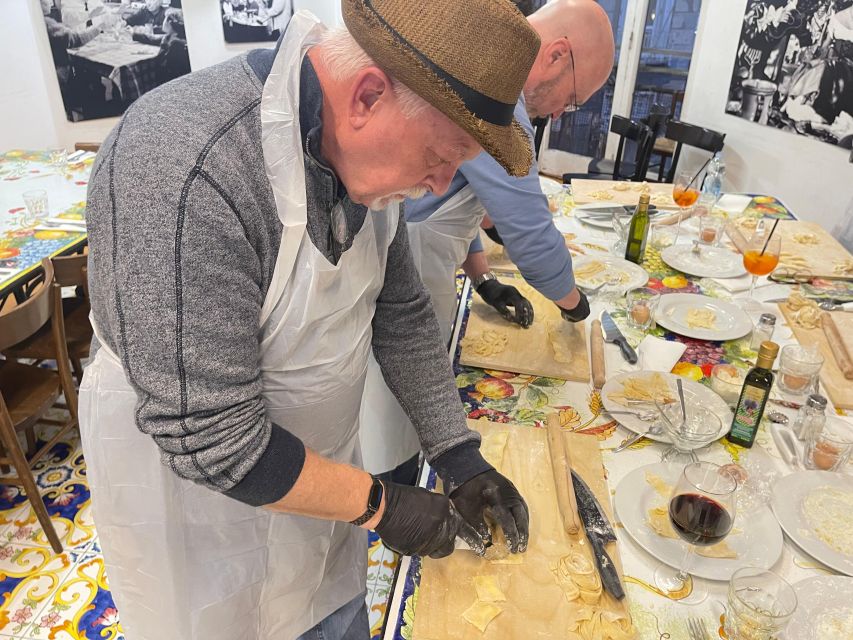
At $71 per person for a 2-hour session, this class isn’t just a fun activity. It’s a structured lesson in making Italian staples with the important parts handled by a pro when things need heat, timing, or sauce control. You’re paying for that mix of hands-on guidance and a proper restaurant setting to finish your meal.
You also get a complete mini-dinner. You’ll prepare multiple pasta types and tiramisù, then sit down to eat bruschetta, your pasta, and tiramisù with a drink. The espresso at the end keeps it very Neapolitan in spirit, like closing a meal the way locals do.
You can also read our reviews of more tours and experiences in Naples.
Getting There: Via San Carlo 17 in the Heart of Naples
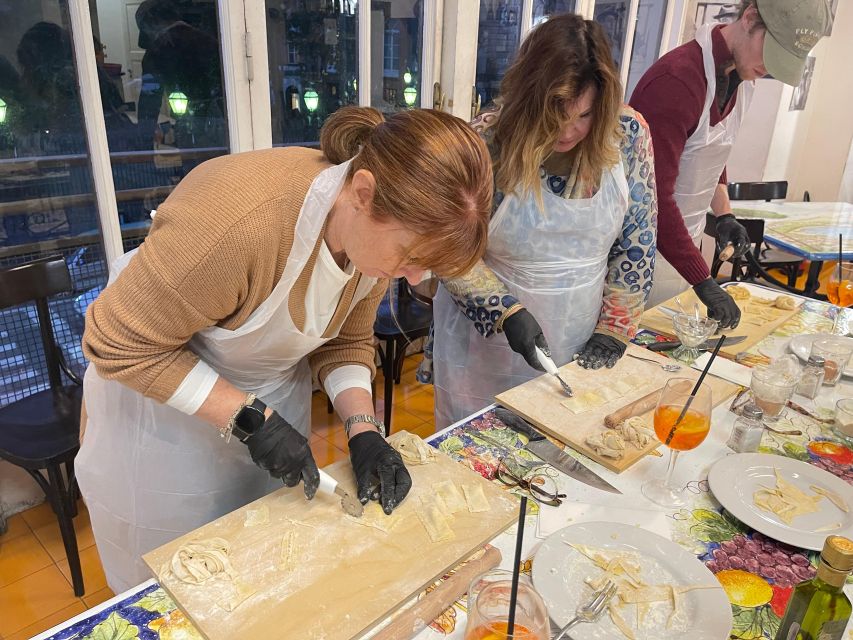
Meet at Via San Carlo 17, opposite the San Carlo Theatre, a short walk from major sights like Palazzo Reale, Piazza Plebiscito, and Galleria Umberto I. It’s also close to practical transit points: about a 5-minute walk from Municipio metro station and roughly 2 minutes from the taxi rank.
This matters because Naples can feel like a maze when you’re hungry and carrying water bottles. Having a central, easy-to-find address keeps the class start time smooth, especially since you’re asked to arrive at least 5 minutes early.
The class happens inside Restaurant San Carlo 17, so you’re not searching for a “back room kitchen.” You’ll know you’ve arrived.
The Menu Lesson: Tagliatelle Nerano, Ravioli alla Sorrentina, Maltagliati
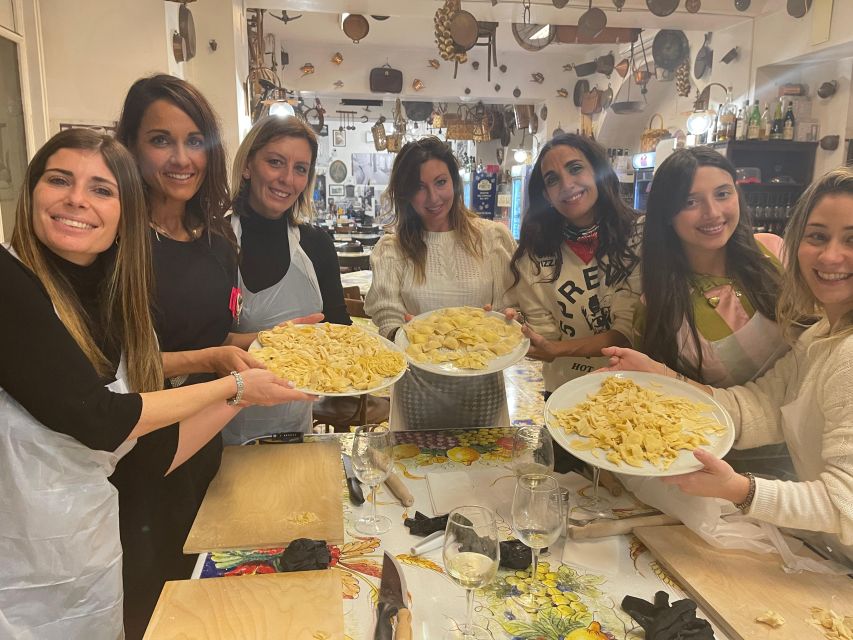
This is a true “make it, then eat it” class. During the practical part, you’ll work the dough and prepare the pasta you’ll later serve with sauces.
Here’s what you’ll be making:
- Tagliatelle Nerano
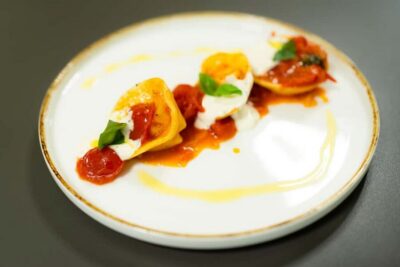
- Ravioli alla Sorrentina (filled with fresh ricotta)
- Maltagliati with potato and provola
The fact that you learn three pasta formats is a big deal. Tagliatelle teaches rolling and cutting. Ravioli teaches portioning and filling. Maltagliati is more forgiving in shape, which helps if you’re not a confident dough-hand.
A useful detail from past participants: you may roll the dough out with a roller rather than relying on a machine. That’s great for building real technique, because it’s the method you’ll actually try again at home.
Chef-Led Flow: When You Knead, Cut, and Prepping Tiramisu
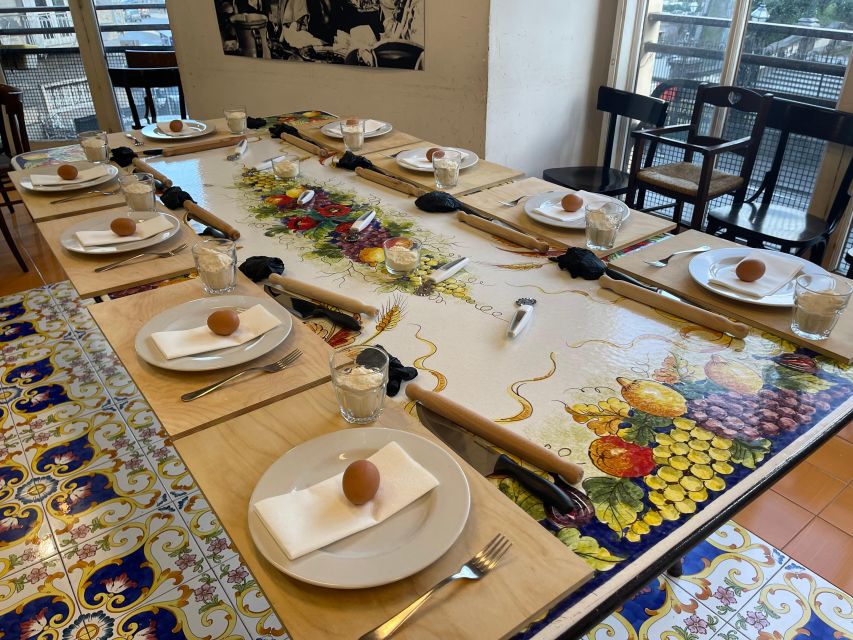
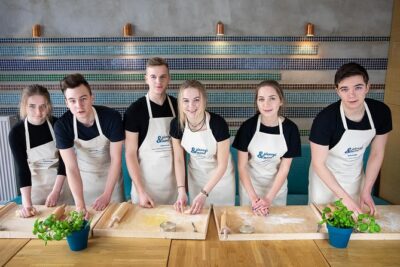
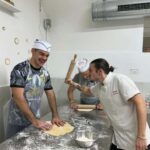
The class structure is simple: you start hands-on and you keep moving. You’ll don an apron and work alongside the chef/instructor while the dough and tiramisù take shape on a timeline that makes sense.
Expect a sequence like this:
- Start with pasta dough work: kneading and dough prep, plus pasta cutting/shaping steps.
- Prepare tiramisù during class: you’ll assemble it while you’re actively working on pasta.
- Finish with chef-cooked pasta: the chef cooks the pasta in the kitchen and adds the named sauces (nerano, sorrentina, and potato/provola sauce).
One review-style detail that comes through clearly: many people experience tiramisù as a “do it early so it can set” task. That means you’re not scrambling at the end. It’s a smart lesson in pacing, and it’s why the final dessert is ready when you sit down.
The Sauces: Why the Chef Finishes What You Start
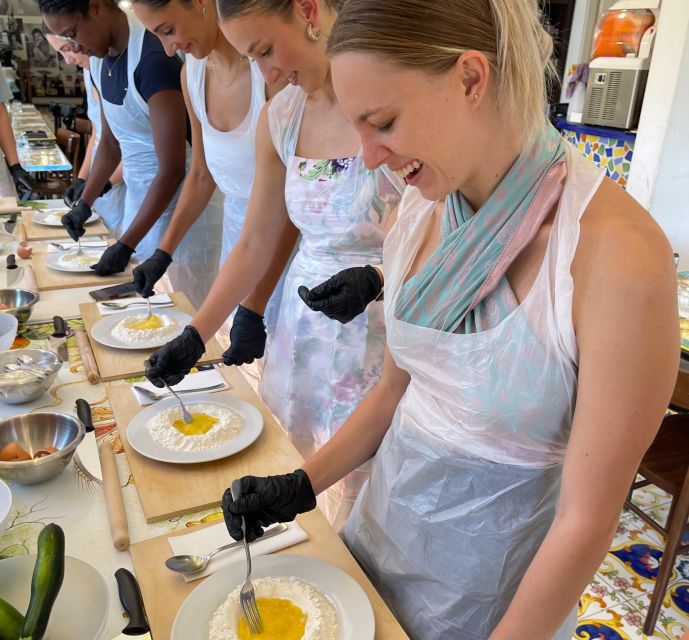
You do the pasta work, but you don’t do everything. The chef cooks the pasta in the kitchen and adds sauces like Nerano Sauce, Sorrentina Sauce, and potato and provola sauce.
That’s important for two reasons:
1) Timing: restaurant cooking keeps pasta from overcooking while you’re still learning.
2) Consistency: sauces get finished with a chef’s touch, so you see how the whole system should taste together.
Think of this as learning the parts that matter most for you to repeat: dough handling, shaping, and assembly. Then you watch the finishing step so you understand what changes when heat and sauce hit at the right moment.

Dessert Time: Tiramisu and the Espresso Ending
The dessert here is classic, but the class approach makes it feel practical. You’ll prepare your tiramisù during the session, then enjoy it as part of the final meal.
Past participants often point out that the tiramisù experience can feel different from what they’re used to. The common theme is that the result is simple and fresh-tasting, not overly complicated.
After dinner, you get an espresso coffee. It’s not optional if you’re curious about how Italian meals close. It’s also a nice way to end the class on a Neapolitan note without needing a separate stop.
The Dinner Finale: Bruschetta, Your Pasta, One Drink, Then Coffee
At the end, you sit and enjoy a full payoff:
- Bruschetta (starter)
- The pasta you made (served with the sauces the chef cooked)
- Tiramisù
- One drink of your choice (alcoholic or non-alcoholic)
- A bottle of water
- Then espresso
This is one of the strongest value signals in the package. Many cooking classes stop at tasting. Here, you get a full meal rhythm: starter, main, dessert, and coffee.
Also, small details add up. Several people highlight that portions are generous and that nothing feels wasted. If you’re worried about leaving hungry after a hands-on session, this structure is built to prevent that.
Instructor Quality: English Lessons With Real Personality
The instructor experience is a major reason the rating stays high. Different classes have different names, but the pattern is consistent: clear direction, patience, and a friendly atmosphere.
You may meet instructors like Alessia, Emanuela/Emmanuela, or Matilde. People describe them as funny and encouraging, and some note that they explained differences in pasta traditions by region. One participant even shared that they learned about how Italians in Naples add eggs to pasta dough, and how that differs from Sicily.
For you, that means this isn’t just a recipe dump. You’re learning the why behind the steps, at least enough to cook with confidence later.
Price and Value: Why $71 Feels Fair Here
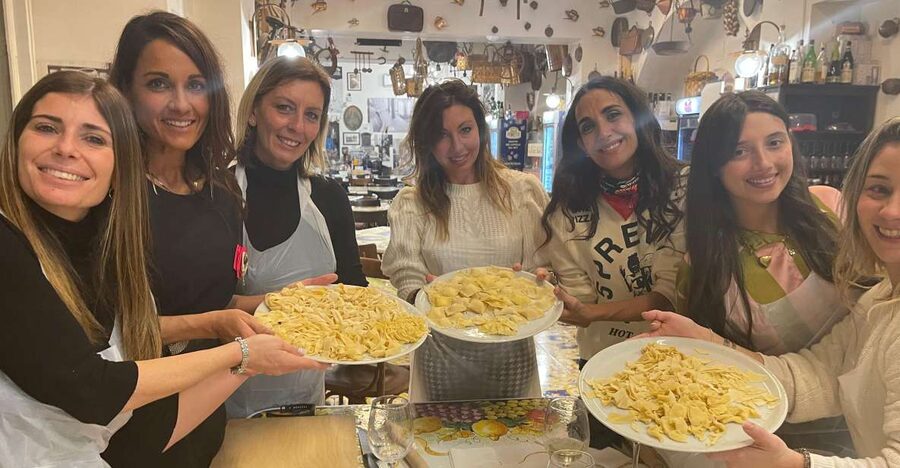
At $71, the key question is what’s included besides the cooking lesson. The answer is: almost everything you’d want for a satisfying evening.
Included items:
- Theoretical and practical lesson
- Chef
- Fresh ingredients and equipment
- Pasta you make: Tagliatelle Nerano, Ravioli alla Sorrentina, Maltagliati
- Tiramisù
- Bruschetta at the end
- 1 bottle of water
- 1 drink (alcoholic or non-alcoholic)
- Coffee (espresso)
That’s why the price reads as fair. You’re not paying only for instruction time. You’re paying for ingredients, chef labor, and the final meal experience that follows.
If you’re comparing against casual cooking demos where you mostly watch, this is more hands-on and more complete. If you’re comparing against a fancy Naples dinner, it’s a totally different format: you’re learning while eating.
Who Should Book This Class (and Who Should Skip It)
This class is best for you if you:
- Want a hands-on food skill, not just a tasting
- Like structured cooking instruction in English
- Want to learn multiple pasta styles in one sitting
- Appreciate a restaurant atmosphere and a full meal finale
It’s probably not for you if:
- You have gluten intolerance (not suitable)
- You have motion sickness (not suitable)
- You need accommodations for mobility impairments or wheelchair users (not suitable)
Also note the simple etiquette rules: bare feet aren’t allowed. Wear comfortable closed-toe shoes you can stand in.
Booking Tips: The Small Details That Save Time
If you want the smoothest start, show up early and come ready to work with dough. Arriving on time helps because the class moves in a tight rhythm: knead, shape, prepare tiramisù, then sit down when the chef finishes cooking.
If you care about photos or travel keepsakes, it’s a good idea to mention that when you arrive. Some past participants said staff offered to help with photos, which can be a nice extra when you’re learning in a beautiful restaurant setting.
Finally, bring your appetite mindset. Even though it’s 2 hours, the class ends like a real meal.
Should You Book This Naples Pasta and Tiramisu Class?
I’d book it if you want a Naples experience that’s both practical and delicious. The biggest strengths are the hands-on pasta teaching, the ability to learn three pasta types, and a payoff that doesn’t end with a bite or two. The dinner format also makes it feel like you planned a memorable evening, not just a class.
Skip it only if your dietary needs or movement needs don’t match what the class is designed for. If you’re in the clear on those points, this is an excellent use of time in Naples because you get skills, culture, and food in one compact 2-hour session.
FAQ
Where is the meeting point?
You meet at Via San Carlo 17, Naples, opposite the San Carlo Theatre.
How long is the experience?
The class runs for about 2 hours.
Is the instructor teaching in English?
Yes. Instruction is in English.
What pasta dishes will I learn to make?
You will make Tagliatelle Nerano, Ravioli alla Sorrentina (with fresh ricotta filling), and Maltagliati with potatoes and provola.
What’s included for the meal and drinks?
You’ll have bruschetta, the pasta you made, tiramisù, 1 bottle of water, and 1 drink (alcoholic or non-alcoholic). The experience also ends with espresso coffee.
Do I need to pay extra for drinks?
Extra drinks are not included, so you’d pay separately if you want more than what’s provided.
Is the price $71 per person?
Yes, the price is listed as $71 per person.
Is it suitable for gluten intolerance?
No. People with gluten intolerance are not suitable for this activity.
Is it wheelchair accessible or good for mobility impairments?
No. The activity is not suitable for wheelchair users or people with mobility impairments.
Is there free cancellation or pay-later booking?
There is free cancellation up to 24 hours in advance for a full refund, and you can reserve with pay later.