REVIEW · NEW ORLEANS
New Orleans Demonstration Cooking Class with Meal
Book on Viator →Operated by New Orleans School of Cooking · Bookable on Viator
Gumbo, history, and a room full of hungry foodies. This New Orleans School of Cooking demo turns a converted 19th-century molasses warehouse into a fun lesson on Creole fundamentals, from making a proper roux to understanding why Cajun and Creole flavors taste the way they do. I especially like the storytelling and pacing, and I also like that you leave with a full spread of what you just watched.
One thing to consider: this isn’t a quiet, small-group class. With a maximum group size of up to 68, it can get loud, and if you’re sensitive to sound, you’ll want to sit where you can clearly see and hear the chef.
In This Review
- Key Highlights You’ll Care About
- Step Into a Converted Warehouse With a Cooking Show Rhythm
- Gumbo and Jambalaya: Where the Roux Lesson Actually Pays Off
- What the Class Teaches Through the Whole Menu, Not Just One Dish
- The Best Part: You Watch It Cook, Then You Eat Like You Mean It
- Make It Yours: Spicing, Spice-Doctoring, and Mild vs Spicy
- Dietary Restrictions: Vegan and Gluten-Free Options, With One Important Limitation
- Instructor Energy: What to Expect From Chefs Like Lynn, Eric, and Terri
- Price and Value: Why $43 Can Feel Like a Full Meal Plus a Show
- How to Plan Your Timing and Get More From the Two Hours
- Should You Book This New Orleans Cooking Demonstration?
- FAQ
- How long is the New Orleans demonstration cooking class?
- Where does the class meet?
- What’s included with the meal?
- Is this hands-on cooking or a demonstration only?
- Which dishes might be included in the menu?
- Do you receive recipes to take home?
- Can dietary restrictions be accommodated?
- Are the dietary substitutions demonstrated during the class?
- What beverages are included?
- Is gratuity included in the price?
- What if the class is canceled due to weather?
- What’s the price per person?
Key Highlights You’ll Care About
- Live cooking plus a full meal: you watch dishes being prepared, then you eat a generous sampling of everything
- Roux and spice lessons: the chef explains the technique that makes or breaks gumbo and other Louisiana staples
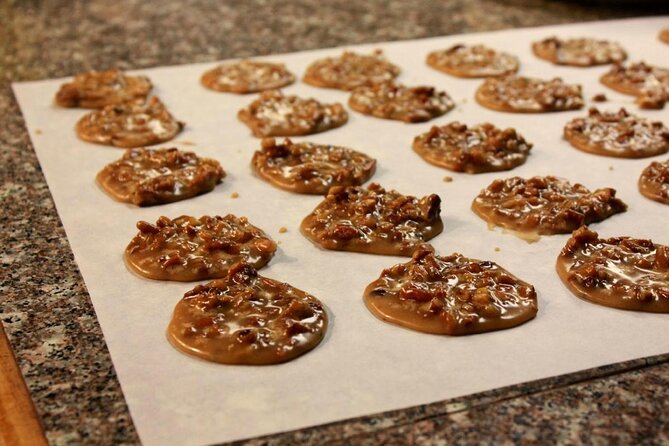
- Dessert lineup that matches the region: bread pudding, bananas foster, pralines, and pecan pie (menu can vary)
- Drinks included with your meal: coffee, iced tea, water, and one local beer
- Take-home recipes: you get a copy of the class recipes to recreate at home
- Dietary restrictions can be accommodated: vegan/gluten-free/nut-free substitutions are available for a small check-in fee
Step Into a Converted Warehouse With a Cooking Show Rhythm
The big first impression is the setting. You’re meeting at the New Orleans School of Cooking at 524 St Louis St, and the class happens in a converted 19th-century molasses warehouse—the kind of place that makes food feel like part of the local story, not just a cooking lecture.
The format is a true demonstration. This is not hands-on training, so you’re there to watch, listen, and learn how dishes come together step by step. The chef does the work in front of you, and your job is to pay attention, ask questions, and (most importantly) build a mental model of the flavors and techniques so you can cook them later.
Size matters here. The group can be as large as 68 travelers, and a few reviews note that hearing the chef can be harder when the room is busy. My advice: get there a few minutes early, choose a seat where you can see the cooking surface well, and keep your attention on the presenter—this is the kind of class where small details (like roux color and seasoning timing) are what you’re paying for.
You can also read our reviews of more tours and experiences in New Orleans.
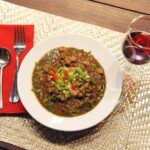
Gumbo and Jambalaya: Where the Roux Lesson Actually Pays Off
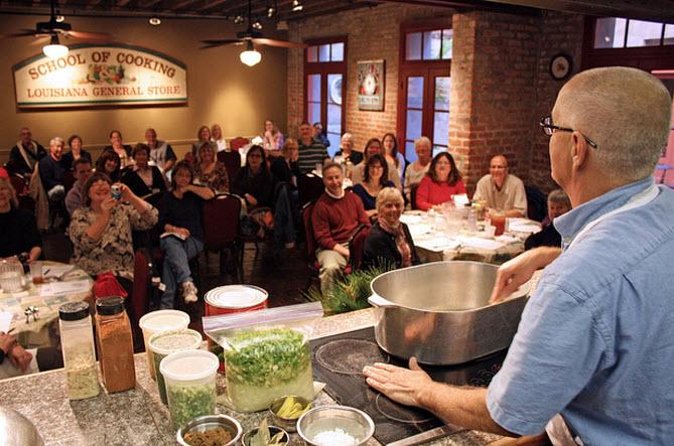
If you want one takeaway that makes this class worth your time, it’s the way it breaks down Louisiana cooking into understandable steps. Expect the chef to focus on core technique—especially the roux, which is central to gumbo. The roux isn’t just a random thickener; it’s flavor built through patience, and the class approach helps you understand what you’re aiming for.
You’ll also learn how spices are layered to build depth instead of just adding heat. Louisiana cooking often gets described broadly as spicy, but the real magic is in balancing savory, aromatics, and seasoning depth. That comes through when you learn the reasons behind the ingredient choices, not just the ingredient list.
A big part of the class is context: the chef talks about the cultural influences that shape what people call Cajun and Creole cooking. If you’ve ever wondered why one gumbo tastes one way at one restaurant and differently elsewhere, this is where that puzzle starts to make sense. The chef also walks through classic dishes such as gumbo and jambalaya, and you’ll usually see additional Southern staples depending on the day’s menu.
What the Class Teaches Through the Whole Menu, Not Just One Dish
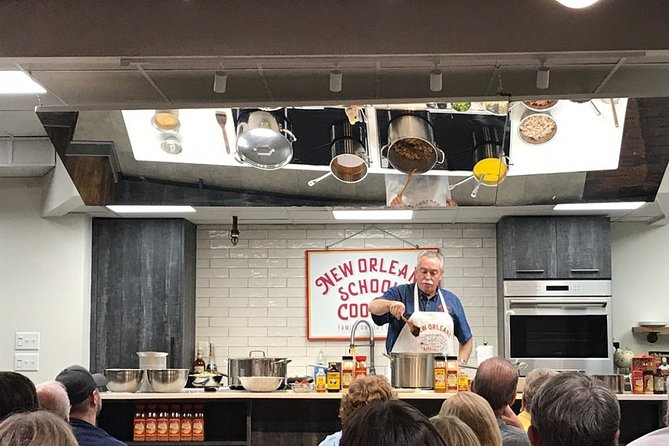
A smart thing about this experience is that it doesn’t treat Louisiana as a single signature meal. The menu can include several savory categories, then jump into iconic desserts—so you taste the range of what locals consider comfort food and celebration food.
Here are some of the dishes the class may include:
- Starter: corn and crab bisque
- Mains: gumbo; jambalaya; shrimp or chicken creole; shrimp and artichoke soup (sometimes); crawfish etouffée (often a highlight)
- Desserts: bread pudding; bananas foster; pralines; pecan pie
Even if you’re not the type who cooks at home often, you’ll still benefit. The class connects the dots between sauce styles (like gumbo thickness and etouffée texture), the way rice works in jambalaya, and how sweetness shows up in desserts like bananas foster and pralines. That’s the difference between learning a recipe and learning a cuisine.
Also, the menu can vary. That matters if you’re the kind of traveler who plans more than one food experience while you’re in New Orleans. Based on what I’ve seen in the program reputation, it’s common for people to say they’d come back because the lineup can change.
The Best Part: You Watch It Cook, Then You Eat Like You Mean It
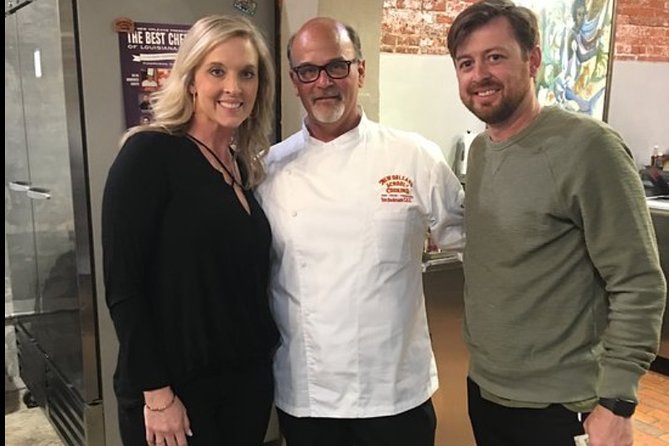
After the cooking demo, the pace shifts from learning to eating. You get a generous sampling of the items prepared, which is a key point for value. This isn’t one tiny taste of each dish. You’re set up for a full meal experience, and the included drinks help carry the whole thing like a relaxed lunch.
Your meal comes with coffee, iced tea, water, and one local beer. You’ll want to pace yourself, because desserts are included too. If bananas foster is on your menu, it can be a theatrical moment—one of the most memorable parts for people is seeing dessert done with flair before it lands on their table.
I like that the class keeps the food portion practical. You’re not leaving hungry, and you’re not stuck paying extra just to get full. For many first-time visitors, this becomes the smartest “one-stop” food moment of the trip because you get multiple dishes in one sitting.
Make It Yours: Spicing, Spice-Doctoring, and Mild vs Spicy

Louisiana food can be perceived as fiery, but the class approach is more flexible. One helpful detail: the dishes aren’t made spicy to the maximum for every palate. Instead, they set you up to adjust the heat and seasoning yourself.
When you want more bite, look for the sauces they keep available on the table—people refer to Joe’s Stuff in multiple flavor styles: original, Bayou Blend, and Hot. If you’re cooking at home later, this is also a useful concept: learn the base flavor of the dish first, then build your heat level on top.
If you’re someone who needs strict dietary compliance, read the substitution rules carefully (next section). The class can accommodate restrictions, but substitutions have limits tied to what’s actively being demonstrated.
Dietary Restrictions: Vegan and Gluten-Free Options, With One Important Limitation
If you have dietary restrictions, you can still plan this meal confidently—but know how the substitution works. There is an option with a $5 upcharge payable at check-in that provides gumbo z’herbes (soup) and creole z’herbes (entree). These substitutions are described as vegan, gluten-free, and nut-free.
Here’s the important limitation: those substituted dishes are not the ones being cooked in the demo. They’ll be discussed, and you’ll receive a copy of those recipes, but you won’t see the substitute versions prepared live. If your restriction affects the entrée portion and the demo entrée isn’t part of the substitution, you might end up receiving only the soup substitution. You’re expected to inform the stewards when you check in.
My practical take: if dietary restrictions are a major factor in your trip, arrive with a clear idea of what you can eat, and don’t be shy about asking the staff what will be available on your specific seating.
Instructor Energy: What to Expect From Chefs Like Lynn, Eric, and Terri
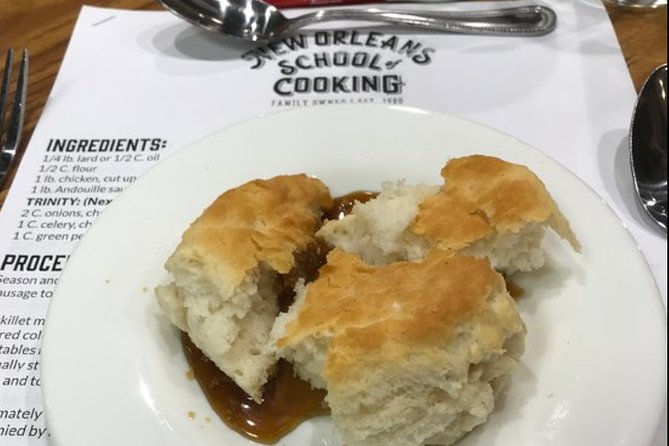
The chef is a big deal in this experience, and it shows in the consistency of how people talk about their instructors. Names you may see associated with this class include Lynn, Chef Eric, Dianne, Rene, Viviane/Vivian, Chef Austin, and Terri/Terri-style presenters.
Across those different names, the common thread is that the chef explains what they’re doing and also adds New Orleans history and Louisiana food lore. You’re not just watching a pot; you’re listening for why the technique matters. That’s how you end up with take-home confidence instead of just a plated meal and a list of ingredients.
If you’re a beginner cook, you’ll probably appreciate the way the chef frames core skills—especially things like roux and seasoning rhythm—so you’re not left guessing what went wrong the first time you try it.
Price and Value: Why $43 Can Feel Like a Full Meal Plus a Show
At $43 per person for about two hours, the value comes from the combination. You’re getting:
- a live cooking demonstration
- a full meal with multiple courses (starter, multiple mains, and desserts)
- included drinks (coffee, iced tea, water, and one local beer)
- a copy of the recipes
- a diploma process tied to photos you submit from cooking at home
When you add those pieces up, you’re paying for food, instruction, and entertainment in one package. If you’re already planning to eat a sit-down lunch or pay for multiple paid tastings, this kind of set meal can be the cheaper, more structured option.
Of course, value depends on what you want from the trip. If you’re seeking hands-on cooking with direct participation, this one may feel too spectator-based. If you want a lively food lesson with a meal afterward, it’s easy to see why it’s so popular.
How to Plan Your Timing and Get More From the Two Hours
This class runs about two hours, and it ends back at the meeting point. That makes it easy to slot into a day built around walking, museum stops, and then one big food hit.
To get the most out of it:
- come hungry, because the sampling is designed to fill you
- focus on the technique parts: roux color, thickening, and seasoning timing
- ask questions while the chef is working, not after the session ends
- if you want to earn the diploma by submitting photos at home, plan to take notes now so you can recreate confidently later
One small practical note: gratuities aren’t included (15–20% is recommended). If you like to tip promptly, have cash ready.
Should You Book This New Orleans Cooking Demonstration?
Book it if you want a fun, structured way to learn Louisiana food without cooking equipment, and you like the idea of leaving with recipes plus a meal you can point to later as one of your best New Orleans moments. It’s a great fit for couples, friends, and solo travelers who want both food and stories in one stop.
Skip it or consider it carefully if:
- you’re strongly sensitive to noise or prefer tiny groups
- you want hands-on cooking participation
- your priority is only eating, not learning technique
If you do book, I recommend you do two things before you go: decide how you want to handle spice (including the available add-on sauces), and if you have restrictions, contact the reservations line after booking so they can set up the right substitutions in advance.
FAQ
How long is the New Orleans demonstration cooking class?
It’s approximately 2 hours.
Where does the class meet?
It starts at New Orleans School of Cooking, 524 St Louis St, New Orleans, LA 70130.
What’s included with the meal?
You get a full meal with generous sampling of what’s prepared, plus coffee, iced tea, water, and one local beer.
Is this hands-on cooking or a demonstration only?
This is a demonstration only. There is no hands-on training.
Which dishes might be included in the menu?
The menu may include gumbo, jambalaya, corn and crab bisque, shrimp or chicken creole, shrimp and artichoke soup, crawfish etouffée, bread pudding, bananas foster, pralines, and pecan pie.
Do you receive recipes to take home?
Yes. You receive a copy of the class recipes.
Can dietary restrictions be accommodated?
Yes, dietary restrictions can be accommodated. For a $5 upcharge paid at check-in, you can receive vegan, gluten-free, and nut-free substitutions for gumbo z’herbes (soup) and creole z’herbes (entree).
Are the dietary substitutions demonstrated during the class?
No. The substitutions are not demonstrated, but they are discussed and you receive recipe copies. You should inform the stewards at check-in.
What beverages are included?
Coffee, iced tea, water, and one local beer are included.
Is gratuity included in the price?
No. Gratuities are not included, and 15–20% is recommended.
What if the class is canceled due to weather?
If it’s canceled due to poor weather, you’ll be offered a different date or a full refund.
What’s the price per person?
The price is $43.00 per person.