REVIEW · TBILISI
Enjoy a Traditional Georgian Cooking Class and Meal with a Local in Tbilisi
Book on Viator →Bookable on Viator
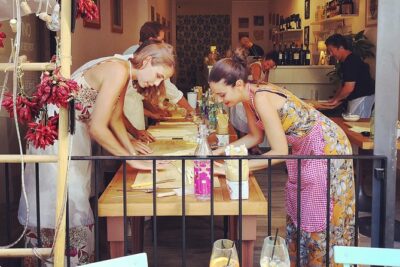
Cooking in a real home changes everything. You’ll join Teo and Tina in their Tbilisi kitchen for a hands-on class, then sit down together to eat the meal you helped make. The vibe is relaxed, family-focused, and very Georgian in the best way.
I love how practical it is: you actually cook 2–3 typical dishes, not just watch someone else do it. I also like the regional flavor of the menu from Lechkhumi and Samegrelo, with classic hits like chakhokhbili, khachapuri, and khinkali.
One thing to think about: you’ll need to make your own way to the meeting point, and the exact dishes can shift with the season. If you’re picky about a specific dish, don’t assume you’ll get every item.
In This Review
- Key highlights you’ll feel in this class
- Entering Teo and Tina’s Home in Tbilisi
- Ingredients First: the herb, cheese, and sweet side of Georgia
- Cooking 2–3 Georgian dishes the way a local family does
- Tomato-cucumber salad: the fast flavor opener
- Chakhokhbili: herbs make the difference
- Khachapuri: cheese-filled comfort bread
- Khinkali: dumplings, folded and shared
- Seasonal swaps are normal
- The family dining table: tasting what you helped build
- Churchkhela: the sweet ending behind the grape-juice magic
- Price and value: is $152 for a private class worth it?
- Practical tips so your night goes smoothly
- Who should book this Georgian cooking class in Tbilisi?
- Should you book Teo and Tina’s cooking class?
- FAQ
- How long is the cooking class in Tbilisi?
- Is this a private tour or a group class?
- Where does it take place?
- What dishes will I learn to cook?
- Will I eat the meal after cooking?
- Is lunch or dinner available?
- Are drinks included?
- What is churchkhela?
- Is hotel pickup and drop-off included?
- What is the cancellation policy?
Key highlights you’ll feel in this class
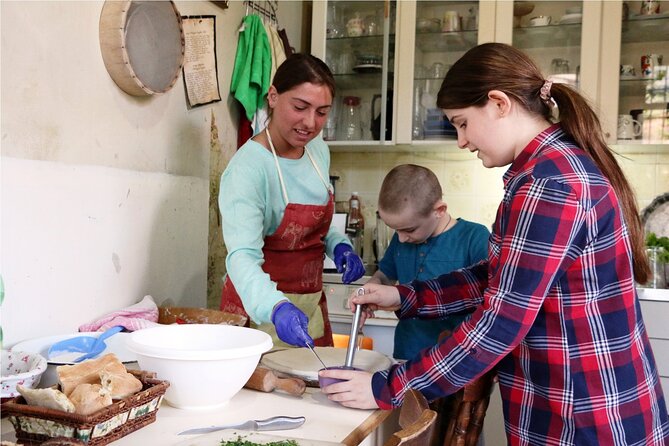
- Hands-on coaching in Teo’s kitchen, with you cooking alongside Tina
- Regional Georgian menu from Lechkhumi and Samegrelo, based on what her parents’ families knew
- A family dining table meal, served right after you finish cooking
- Warm conversation built in, with time to talk while the food is coming together
- Sweet finish: churchkhela, made via repeated dipping in tatara
Entering Teo and Tina’s Home in Tbilisi
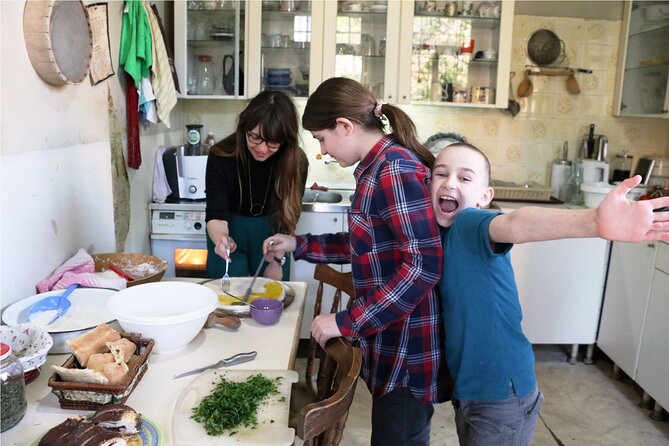
This experience starts with a simple, real welcome. You’ll be greeted with smiles, often from Tina and her daughter Teo, and if family members are around, you may meet other children too. It’s the kind of house where you quickly stop thinking about formalities and start thinking about food.
Tina guides you through the process from the kitchen side of things: what you’re making, what to pay attention to, and when it’s your turn. Because Teo and Tina live with her parents and six siblings, the atmosphere stays cozy and unhurried. The goal isn’t to rush you through a checklist. The goal is for you to leave understanding how Georgian home cooking works.
You also get a clear structure to your time: you cook 2–3 dishes, then you eat together at the family dining table. That order matters. Learning and tasting happen in the same session, so the flavors actually stick.
You can also read our reviews of more tours and experiences in Tbilisi.

Ingredients First: the herb, cheese, and sweet side of Georgia
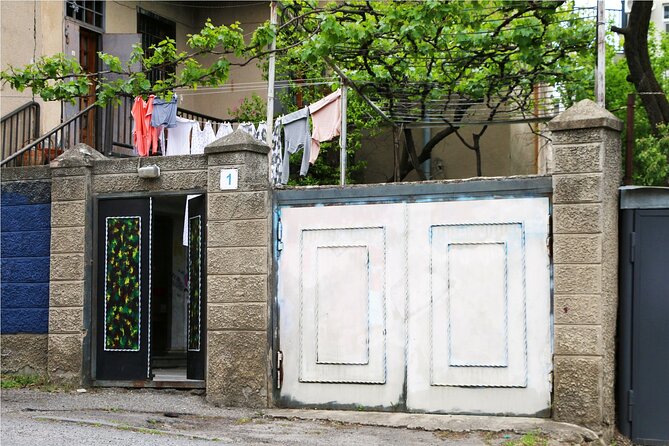
Even when you’re only in the kitchen for a short time, Georgia’s food culture starts with ingredients. You’ll likely get context for what you’re using and why it matters, especially for items like cheeses, fresh herbs, and sweets.
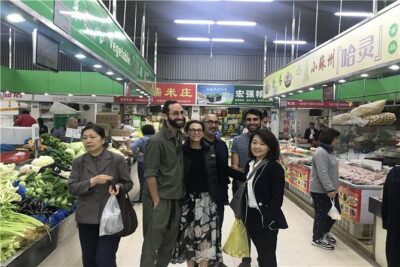
In some sessions, there’s also time to look at the local market with Teo, where the differences between local cheeses, herbs, and sweets get explained. It’s a smart add-on because Georgian cooking makes more sense when you see the building blocks first. If you’re the type who wants to understand what you’re tasting, this ingredient moment is one of the best parts of the evening.
What you should take away: in Georgian home cooking, flavor comes from simple ingredients treated with respect. You’re not relying on complicated tricks. You’re relying on good basics, plus the right timing.
Cooking 2–3 Georgian dishes the way a local family does
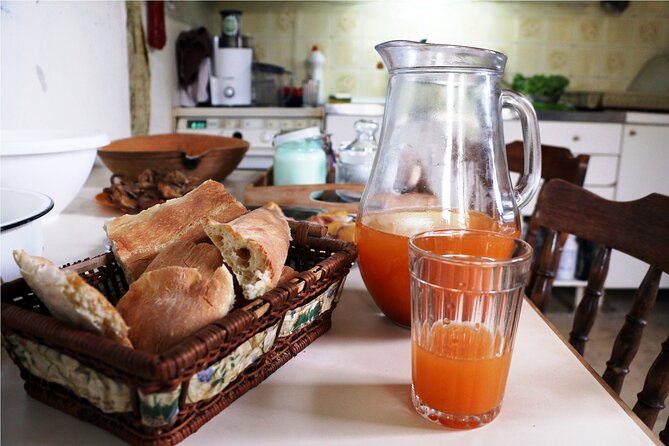
The class is hands-on with a small set of dishes, typically two or three. The exact menu can vary by season, but the meal commonly includes a mix of savory and dough-based favorites.
A typical spread might include:
- Fresh tomato and cucumber salad
- Chakhokhbili, a chicken stew with fresh herbs
- Khachapuri, cheese-filled bread
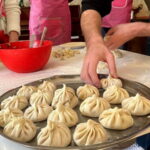
- Khinkali, Georgian dumplings
Here’s how to think about what you’re learning, without getting stuck on a recipe you can’t take home in your head.
Tomato-cucumber salad: the fast flavor opener
This salad is a reminder that Georgian meals start fresh, not heavy. If it’s on your menu, you’ll get a feel for how the house balances crisp vegetables with herbs and basic seasoning. It’s the kind of dish that teaches you a lot because it’s simple and honest: when ingredients are good, the meal tastes good fast.
Chakhokhbili: herbs make the difference
Chakhokhbili is all about chicken plus a big herb presence. You’ll likely spend your time getting comfortable with how a stew comes together and how freshness matters. The herb component isn’t an afterthought. It’s part of the identity of the dish.
A practical tip for this part: pay attention to when the herbs go in and how the kitchen smells as it finishes. That’s where the dish shifts from cooked to truly Georgian.



Khachapuri: cheese-filled comfort bread
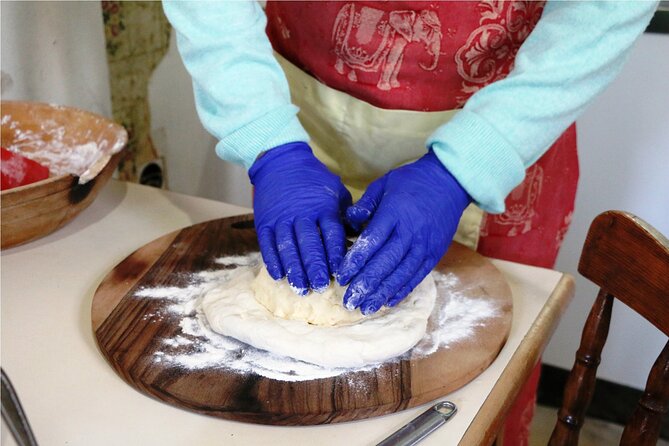
Khachapuri is the dish most people dream about before they ever taste it. In class, you’ll get guided participation, meaning you’re not just sampling. You’re learning the rhythm of dough work and the way cheese becomes a core flavor, not just a topping.
If you’re a bread person, this is the moment you’ll enjoy most. Even if you’re not, you’ll still leave with a better sense of how Georgian comfort food feels when it’s made fresh.
Khinkali: dumplings, folded and shared
Khinkali is the dumpling that anchors many Georgian tables. In class, you’ll learn your portion of the process for the dumplings you make. Think of it as a technique lesson wrapped in a meal.
The key practical takeaway is how dumpling cooking changes the moment you go from raw to cooked. When it’s right, the texture and smell shift quickly, and the whole room feels like dinner.
Seasonal swaps are normal
Because the menu may vary, you might not get every dish listed above. Still, the style stays the same: savory classics, familiar Georgian flavors, and at least one dough or dumpling element.
The family dining table: tasting what you helped build
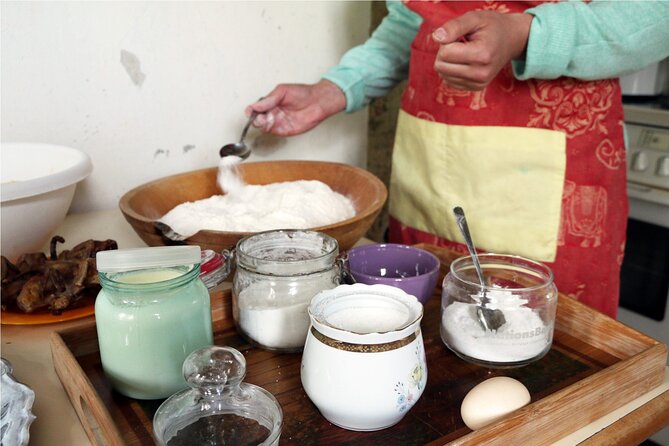
After cooking, Tina brings you to the dining table. This is where the experience becomes more than a class. You’re eating together as a family-style group, with the food served in a home rhythm rather than a restaurant timeline.
You’ll typically taste the meal you prepared, plus the rest of the Georgian spread. Local alcohol is included, usually 1–2 glasses, and there are non-alcoholic beverages too. If you’d rather skip alcohol, you should mention it when booking so the drinks plan fits you.
This part of the evening is also where the most memorable conversations happen. One of the strongest themes from past participants is how much time gets spent talking and sharing. You’re in a real home, so questions are easy to ask and answers are given in a natural way. That kind of back-and-forth is why these classes often feel like a highlight of a whole trip.
Lunch or dinner can be offered, depending on what you book. Either way, you’ll want to plan your day around a full-food experience, because you’re eating a lot more than just a snack.
Churchkhela: the sweet ending behind the grape-juice magic
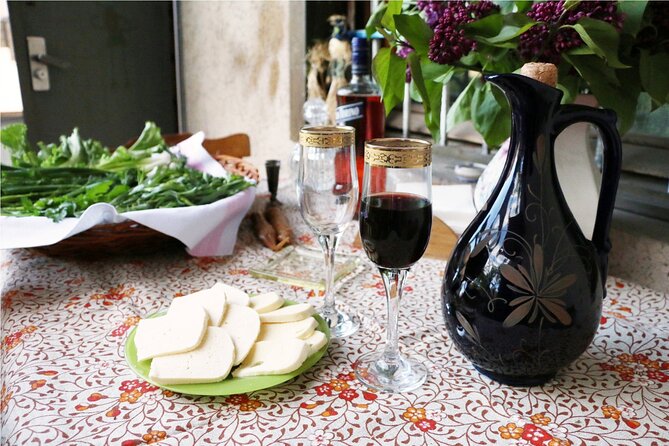
You’ll finish the meal with churchkhela, a traditional candy made by repeatedly dipping a long string of nuts into tatara. Tatara is a mixture of flour, sugar, and badagi, or sometimes dry fruits.
What’s worth knowing before you eat it: churchkhela isn’t just sweet. It has a chewy, sticky texture and a grape-forward flavor profile that feels distinctly Georgian. The nuts add crunch and body, while the tatara coating brings the sweetness together.
It’s also a nice cultural closer. You see and taste something that’s built by repetition and patience, the same way many Georgian foods rely on time and care rather than fancy shortcuts.
Price and value: is $152 for a private class worth it?
At $152 per person for about 3 hours, the value depends on what you want from Tbilisi.
Here’s what your price includes:
- A private cooking class with your host Tina
- The meal you cook and eat together
- Local alcohol (typically 1–2 glasses) and non-alcoholic beverages
- All taxes, fees, and handling charges
- Gratuities
The big upside is that it’s private, not a crowded demo. You get hands-on attention while working on dishes like khachapuri and khinkali, then you sit at the family table for the full meal. When you compare that to a restaurant dinner plus a generic cooking workshop, you’re paying for the home setting, the coaching, and the shared meal experience.
The main cost friction is also the least romantic part: hotel pickup and drop-off aren’t included. That means you should factor in time and transit to reach the meeting point.
For couples and small groups, this often pencils out well because you’re not splitting the cost across a big tour machine. For solo travelers, it can still be a good value if you’re craving conversation and local flavor over sightseeing.
Practical tips so your night goes smoothly
A few small things make a big difference in a home cooking setting:
- Plan to get yourself there. There’s no pickup, but the location is near public transportation. Give yourself extra time if you’re traveling in peak hours.
- Tell them about dietary needs early. If you have allergies or a specific restriction, advise at booking so Tina can adjust what you make and eat.
- Wear clothes you can cook in. You’ll be active in the kitchen as you learn 2–3 dishes.
- Use the time for questions. This isn’t only technique. It’s a chance to learn why Georgian dishes taste the way they do, especially when herbs, cheese, and sweets come up.
Also, remember that the menu can shift by season. If you’re hoping for a specific dish, mention it when booking, but stay flexible. The upside of seasonal change is that the meal stays current and local.
Who should book this Georgian cooking class in Tbilisi?
This is a strong choice if you want:
- A private experience rather than a bus-and-tray format
- Hands-on learning with classic dishes like chakhokhbili, khachapuri, and khinkali
- An evening that includes conversation, not just cooking tasks
- A local family meal style, served right after you cook
It also fits well if you’re traveling as a couple or in a small group and you want the feeling of being invited into someone’s routine for a few hours.
Should you book Teo and Tina’s cooking class?
If you like food that feels lived-in, not staged, book it. The best part is the blend: learn two or three Georgian dishes, then eat them at the family table with Tina and Teo. Add in the included drinks and the churchkhela finish, and you get a complete Georgian meal experience that’s hard to replicate on your own.
Skip it only if you need hotel pickup, a rigid fixed menu, or you want a more formal, textbook-style cooking lesson. This is a home class. The tradeoff is exactly what makes it special.
FAQ
How long is the cooking class in Tbilisi?
It’s about 3 hours.
Is this a private tour or a group class?
It’s private. Only your group participates.
Where does it take place?
It happens in Tbilisi, in the host’s home kitchen. The activity starts and ends back at the meeting point.
What dishes will I learn to cook?
You’ll learn to cook 2–3 typical Georgian dishes. The exact menu can vary by season, but examples include tomato and cucumber salad, chakhokhbili, khachapuri, and khinkali.
Will I eat the meal after cooking?
Yes. After cooking, you join the host and family at the dining table to share the meal.
Is lunch or dinner available?
Lunch or dinner classes are available.
Are drinks included?
Yes. Local alcohol (1–2 glasses) and non-alcoholic beverages are included.
What is churchkhela?
Churchkhela is a traditional sweet candy made by repeatedly dipping a long string of nuts in tatara, a mixture of flour, sugar, and badagi (or dry fruits).
Is hotel pickup and drop-off included?
No, hotel pickup and drop-off are not included.
What is the cancellation policy?
You can cancel up to 2 days in advance for a full refund. If you cancel less than 2 days before the start time, the amount you paid will not be refunded.
If you want, tell me your travel dates and whether you’re looking for lunch or dinner, and I’ll help you pick a good plan for timing around your day in Tbilisi.