REVIEW · NEW ORLEANS
Private New Orleans Cajun Cooking Class with a Local Courtland
Book on Viator →Bookable on Viator
A real Cajun lesson happens at someone’s kitchen table. This one takes place with Courtland in his home in a residential neighborhood, so you get food, stories, and technique in a setting that feels like a local hangout, not a show. I especially loved the chance to learn hands-on Cajun cooking and the way fresh herbs and produce from his garden show up in the meal.
My only caution: because this is in a local home (and he shares it with his wife and their cat), you’re going to want to be comfortable with a casual, lived-in environment rather than a commercial cooking studio.
In This Review
- Courtland’s Home Kitchen: What You’re Really Buying
- Key things that make this class different
- Entering Courtland’s New Orleans home (and why it matters)
- From garden stories to kitchen work: what happens during the lesson
- The starter: boudin balls and the Cajun logic behind it
- The main course: jambalaya, gumbo, étouffée, or blackened fish
- Dessert: finishing with a Cajun sweet that closes the loop
- Cajun vs Creole: how Courtland makes the difference stick
- Eating together: family-style meal, beer or wine, and real conversation
- What I’d watch out for (so you’re not surprised)
- Price and value: why $64 can be a strong deal
- Timing: lunchtime or dinner classes, and how to choose
- Who this Cajun class fits best
- Quick heads-up on refunds
- Should you book Courtland’s private Cajun cooking class?
- FAQ
- What is the duration of the Cajun cooking class?
- Is this a private class?
- Where does the class start?
- What dishes will I cook?
- Can the menu change by season?
- Do they offer lunchtime and dinner options?
- Are dietary restrictions accommodated?
- Is alcohol included?
Courtland’s Home Kitchen: What You’re Really Buying
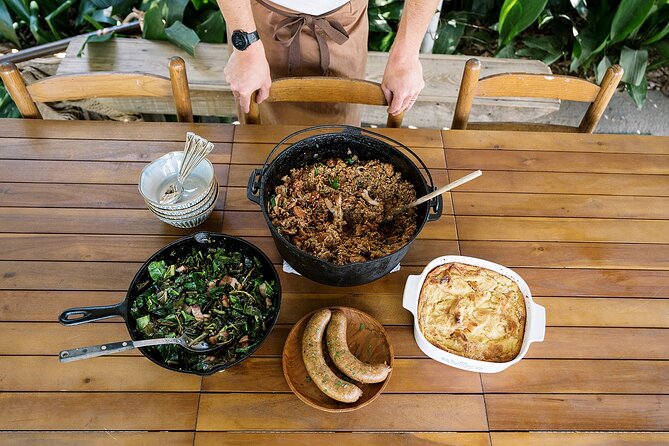
This is a private Cajun cooking class in New Orleans with your host, Courtland, who comes from a strong Cajun French background. He learned to cook from his grandmother and father, who kept hosting legendary Cajun parties, and he’s clearly carrying that family tradition forward.
You’ll cook three authentic Cajun dishes during an experience that lasts about 3 hours total, with roughly 1.5 hours focused on the cooking lesson. Then you eat together, family-style, with beer or wine.
And yes, the goal is more than feeding you. Courtland treats food like a conversation starter. That matters, because you’ll pick up the why behind the techniques, not just the what.
Key things that make this class different
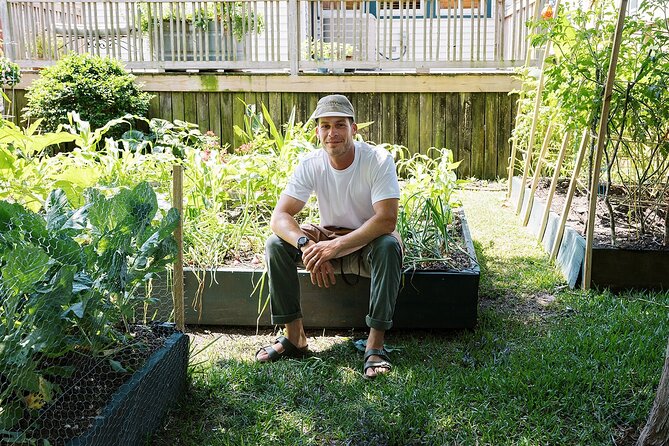
- Private by default: it’s just your group, not a crowded cooking room.
- Garden-driven ingredients: you’ll see fresh herbs and produce being used when available.
- Three-dish meal: a starter, a main, and a dessert with Cajun technique behind each.
- Clear Cajun vs Creole context: you’ll learn the differences, not just the recipes.
- Diet-friendly on request: vegetarian, gluten-free, or lactose-free can be accommodated with notice.
- Heirloom cookware energy: you’ll cook using traditional tools your host shares with pride.
You can also read our reviews of more tours and experiences in New Orleans.

Entering Courtland’s New Orleans home (and why it matters)
You start at 305 Homedale St, New Orleans, LA 70124. From there, you’re guided into a welcoming house with a beautiful garden—right away, the vibe is relaxed. You’ll sip a refreshing drink as Courtland shares stories about living in New Orleans before you step into the kitchen.
This is the part I value most: it sets the tone for learning. You’re not just watching someone cook. You’re talking with the person who actually lives the food culture every day, then you’re working side-by-side.
One small detail that can affect your expectations: it’s a home experience, not a commercial class. That means you’ll likely move at normal human speed through a real kitchen, and you’ll see the mess and rhythm of cooking the way it’s done at home—not the streamlined layout of a studio.
Also, Courtland shares his home with his wife and their cat. If you’re sensitive to that kind of thing, plan accordingly.
From garden stories to kitchen work: what happens during the lesson
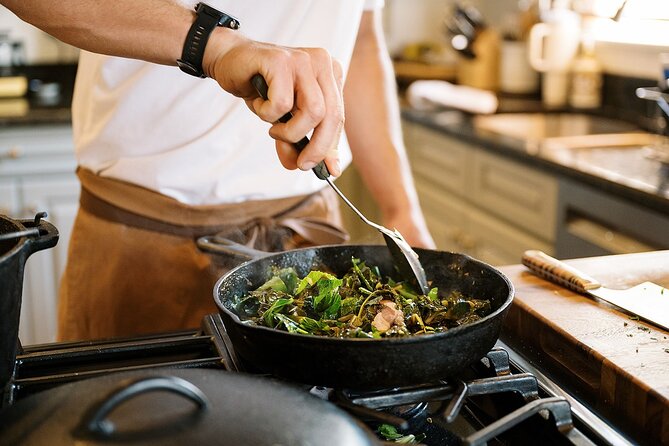
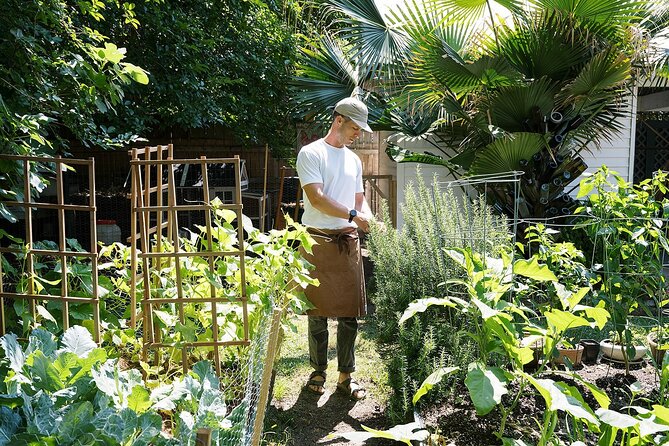
About 1.5 hours into the experience, you’ll begin cooking. Courtland uses a mix of fresh produce from his vegetable garden and—when needed—local markets. That’s a practical advantage for you: you’re learning how Cajun home cooks think about ingredients that are seasonal and close to hand.
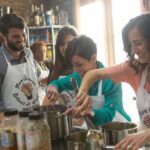
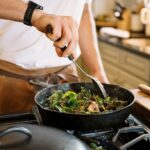
During this time, you’ll learn three dishes in a hands-on format that mixes cooking and demonstration. Courtland encourages you to cook based on what you can taste, see, and smell. That sounds like a soft “chef advice” line, but it’s actually a recipe for success in real kitchens. Cajun cooking isn’t only about exact measurements; it’s about balance and adjustments.
A useful thing to keep in mind: the menu may vary depending on the season. So if you’re planning around a specific dish, don’t lock your hopes to one exact outcome. Instead, treat the menu like a snapshot of what’s good right now in his world.
The starter: boudin balls and the Cajun logic behind it
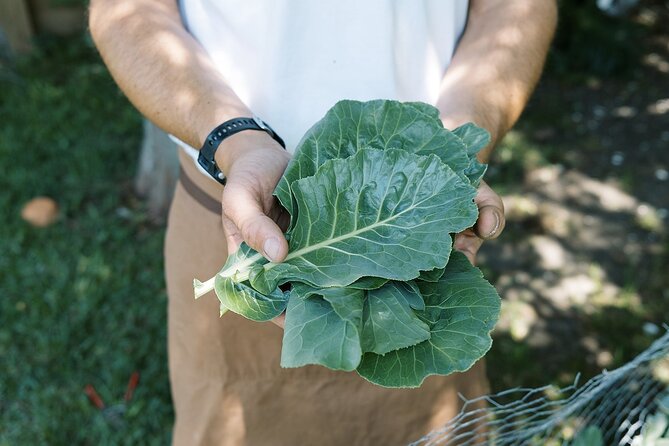
Your menu includes a traditional Cajun starter such as boudin balls. Even if you already like boudin, this is the part where you learn how Cajun cooking builds flavor from the inside out.
Boudin (that spiced sausage-style filling) is a classic Cajun component, and working with it teaches you a few key habits:
- Taste as you go, so seasoning makes sense in the final bite.
- Pay attention to texture targets, not just the clock.
- Understand that Cajun cooking often rewards frying and crisp edges when done right.
Courtland’s style is to explain the culinary history and the technique while you work. That combo is what turns the starter into more than a simple first dish—it becomes a foundation for how you’ll judge your main later.
The main course: jambalaya, gumbo, étouffée, or blackened fish
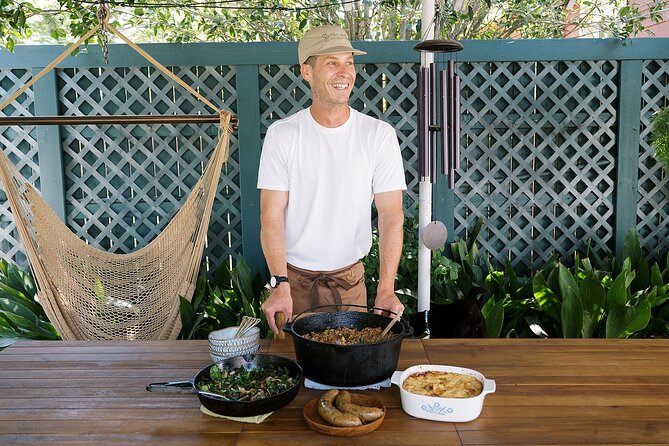
For the main, you’ll choose from several Cajun options, such as jambalaya, gumbo, étouffée, or blackened fish. Which one you end up making can depend on how the session is set up and what’s seasonal.
Here’s why this main-course choice matters for you: these dishes teach different Cajun methods. You’ll see how Cajun cooking can be built around:
- slow-simmered depth (think gumbo and étouffée)
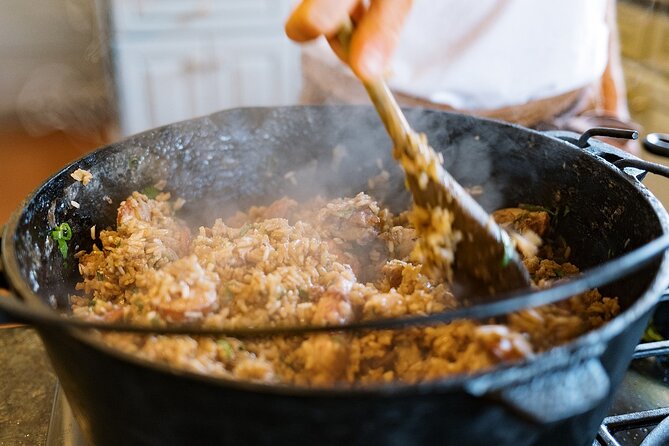
- hearty one-pot comfort (jambalaya)
- bold seasoning and high-heat cooking (blackened fish)
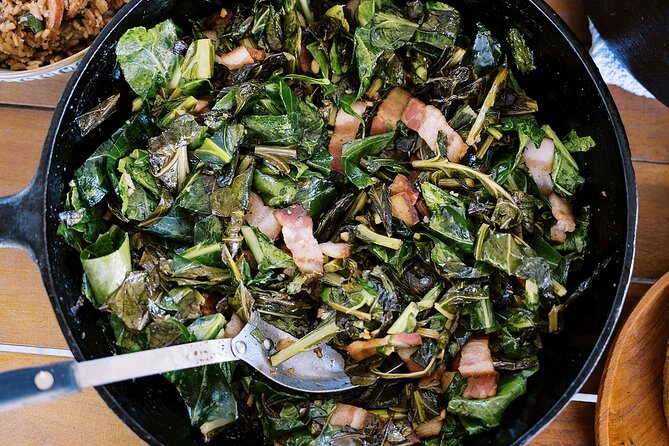
Along with the main, you’ll also include a vegetable side. That’s a smart touch for balance, and it also gives you another chance to learn how Cajun plates round out a meal without turning everything into a single-note spice bomb.
Dessert: finishing with a Cajun sweet that closes the loop
Your meal concludes with dessert. The exact dessert isn’t listed, but you can expect it as part of the three-dish structure, so the class feels complete: you cook, you sit down, you eat the whole arc.
If you’re trying to learn Cajun cooking as a whole style (not just one “famous dish”), dessert matters. It reinforces the idea that Cajun food is full meals, not just signature attractions.
Cajun vs Creole: how Courtland makes the difference stick
One of the best learning moments here is that you’ll cover the differences between Cajun and Creole cuisine as part of the teaching. That’s useful because people often toss those terms around casually, and the differences can feel vague until someone explains them with real dishes in front of you.
Courtland ties the distinction to technique and culinary history while you cook. For you, that means you leave with a mental map, not a memorized paragraph. And since you’re eating what you made, the concepts land fast.
A practical note: even if you’re already familiar with Cajun food, this kind of direct comparison can help you spot what’s happening in the seasoning and cooking style, so you can order more confidently the next time you’re out.
Eating together: family-style meal, beer or wine, and real conversation
After cooking, you sit down at the table and share the meal you helped prepare with Courtland. This is where the experience clicks. You’re not eating in a rush while someone is cleaning up. You’re sharing what you made, and Courtland encourages conversation.
The meal includes beer or wine. That’s part of the value because it’s not only a cooking lesson; it’s a full host-led dining experience.
I also like that the food is described as fresh and seasonal. Even if you’re not thinking about ingredient sourcing while you cook, the seasonal produce and herbs show up in the final taste. It’s one of those small things you can feel immediately.
What I’d watch out for (so you’re not surprised)
First, because it’s hosted in a private home, you should expect the kitchen flow to be practical and real. It won’t feel like a staged studio with every surface turned into a perfect workstation.
Second, the menu can vary by season. If you’re traveling with very specific cravings, ask before booking which options are likely for your date—or at least stay flexible.
Finally, you’re spending time in a residential neighborhood. That’s part of the charm, but it also means you should plan your arrival so you’re not rushing, hunting parking, or getting flustered.
Price and value: why $64 can be a strong deal
At $64 per person, this class costs less than you might assume for a fully private, hands-on home experience with a three-dish meal. And it’s not just the lesson time.
You get:
- a private setup for just your group
- roughly 1.5 hours cooking instruction
- three dishes (starter, main, dessert)
- beer or wine included
- seasonal ingredient focus when available
The value gets even better if you’re traveling with a small group. A private class is easier to justify when the per-person cost stays reasonable and you’re getting real attention from the host.
If you like learning by doing—and you’re the type who wants to bring home technique, not just a full stomach—this price fits the experience.
One more small advantage: the experience is often booked about 76 days in advance on average. If your trip dates are fixed, don’t wait until the last week.
Timing: lunchtime or dinner classes, and how to choose
You can pick either a lunchtime or dinner cooking class. The difference is mostly about what your day looks like, since the overall experience is about 3 hours.
If you’re doing a lot of walking and sightseeing, a lunch class can be a great reset: you eat, recharge, and then keep exploring. If your schedule is more relaxed in the evening, dinner fits naturally and still ends with that shared table meal feeling.
Who this Cajun class fits best
This is a great match if you:
- want a local-home food experience instead of a commercial cooking setup
- enjoy hands-on cooking and learning techniques
- like Cajun flavors and want the Cajun vs Creole context
- have dietary needs and want help accommodating them with notice (vegetarian, gluten-free, lactose-free)
It’s also a good fit if you’re traveling with someone who enjoys cooking but hasn’t found a class that feels personal. Courtland’s style—sharing stories, encouraging you to taste and adjust—creates a friendly rhythm.
If you want strict classroom structure, step-by-step exactness with no room for taste-based adjustments, you might prefer a more formal studio class. But if you want the way Cajun cooking actually works at home, this is the right direction.
Quick heads-up on refunds
If plans change, you can cancel up to 2 days in advance of the experience for a full refund. If you cancel less than 2 days before start time, the amount paid won’t be refunded.
Should you book Courtland’s private Cajun cooking class?
If you want New Orleans food culture in a real home setting, I think this is an easy yes. Courtland brings a personal Cajun French background, uses garden-and-market ingredients when he can, and teaches in a way that’s practical: taste, adjust, and cook with intention. Add in the private format, the three-dish meal, and the beer or wine included, and the overall deal feels fair.
Book it if you’re the kind of traveler who learns best by cooking, and if you’re okay with a lived-in home environment that includes a cat. If that sounds good to you, you’ll come away with both a full stomach and a set of skills you can actually use at home.
FAQ
What is the duration of the Cajun cooking class?
The experience runs about 3 hours total, with about 1.5 hours focused on cooking instruction.
Is this a private class?
Yes. It’s a private tour/activity, and only your group participates.
Where does the class start?
You’ll meet at 305 Homedale St, New Orleans, LA 70124.
What dishes will I cook?
You’ll learn to cook three authentic Cajun dishes: a starter, a main, and a dessert. The starter can be something like boudin balls, and the main may include options such as jambalaya, gumbo, étouffée, or blackened fish.
Can the menu change by season?
Yes. The menu may vary depending on the season.
Do they offer lunchtime and dinner options?
Yes. You can choose between a lunchtime or dinner cooking class.
Are dietary restrictions accommodated?
Courtland is happy to accommodate dietary requests including vegetarian, gluten-free, or lactose-free diets on request.
Is alcohol included?
Beer or wine is included with the meal.