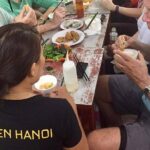
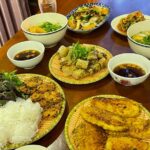
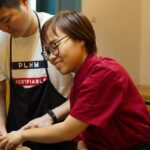
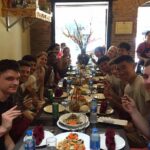
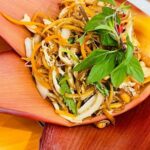
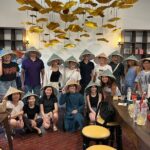
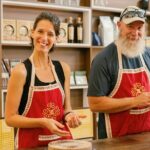
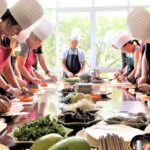
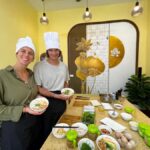
A market trip can be the best part. Here, you start with a guided walk to pick ingredients, then you cook iconic Hanoi dishes over a shared, hands-on class. I love the market-guided prep because it helps you understand what makes Vietnamese flavors tick, and I also love how the experience ends with you eating the five dishes you made in a cozy space. One thing to consider: the format is group-based, so if you want lots of solo station time, this may feel more like cooking together than doing everything on your own.
If you’re doing this class, choose it for the vibe and the food. In my view, hosts make a big difference here, and people consistently highlight guides like Maxie (friendly, chatty, and patient) and Alex (clear instructions). A possible drawback is timing: the market portion can run long, so go into it ready to stay a little flexible instead of rushing for other plans right afterward.
In This Review
- Key highlights you’ll care about
- Market Walk in Hanoi: Picking Ingredients and Learning How to Shop
- Five Dishes, Including Hanoi Icons: What You Actually Cook
- The Cooking Style: Group Energy, Clear Guidance, and Patient Hosts
- Eat What You Make: Meal Times, Drinks, and the 350ml Fruit Wine
- Price and Value: Why $35 Works for a 3-Hour Experience
- Getting There and Staying Comfortable: Meeting Point, Group Size, and Timing
- Should You Book This Hanoi Cooking Class With Fruit Wine?
- FAQ
- How long is the Hanoi cooking class?
- How many dishes will I cook and eat?
- What’s included with the price?
- Where do I meet for the experience?
- Do I get recipes after the cooking class?
- What is the cancellation policy?
Key highlights you’ll care about
- Market tour first, with ingredient picking and guidance that sets up your cooking
- Hands-on class with 5 dishes, including Hanoi favorites like pho, bun cha, and fried spring rolls
- Family-style group cooking, not separate “everyone cooks alone” stations
- Free 350ml bottle of local fruit wine per class, plus unlimited mineral water
- Recipes and a completion certificate so you can recreate the food later
Market Walk in Hanoi: Picking Ingredients and Learning How to Shop
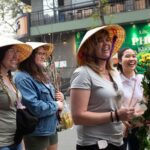
The experience starts where many cooking classes skip the point: at the market. You’ll go out with a guide and then handpick fresh ingredients for the dishes you’ll cook later. That matters because Vietnamese cooking is all about balance. When you choose the herbs, aromatics, and other key components yourself, you start noticing why one dish smells right and another tastes flat.
I also like that the market portion is not just a look-and-photos event. Guides actively help you get your bearings so you can shop with confidence. One reviewer specifically mentioned their guide teaching basic Vietnamese phrases so they could buy ingredients themselves before heading back to cook. Even if you don’t use the phrases perfectly, that tiny bit of language makes the whole market feel more like real life and less like a staged activity.
Expect the guide to point out what to look for and why. Since the class includes Hanoi signatures such as pho and bun cha, you can assume the shopping will focus on the ingredients behind those familiar flavors. And if you’re the type who loves food details, this is where you’ll start building your mental map of the cuisine: what goes together, what tastes fresh, and what makes the final dish feel “correct.”
One more practical note: because you’re shopping, you may feel time pressure at the end if you spend extra time selecting ingredients or asking questions. Build in a little slack for the full 3-hour experience so you don’t feel rushed when you return to cook.
You can also read our reviews of more tours and experiences in Hanoi.
Five Dishes, Including Hanoi Icons: What You Actually Cook
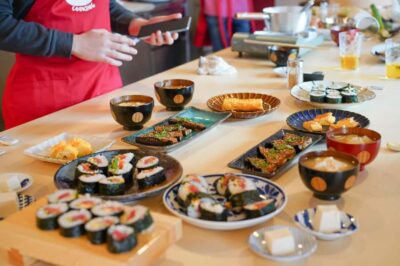
The headline is simple: you make 5 dishes during your class, and then you eat them. The provided dish list includes pho, bun cha, and fried spring rolls as Hanoi icons you’ll master with the guide’s help. The other two dishes aren’t named in the details you have, but the “five-dish” structure is consistent, and the class plan is designed to fit into the time window without feeling chaotic.
Here’s the value in cooking multiple dishes instead of just one. Vietnamese meals often work as a set: a noodle soup or grilled-meat flavor profile, a savory snack or fried item, and fresh elements that keep everything from turning heavy. When you cook five items, you learn how the flavors fit together and you stop treating each dish like a random recipe. You start seeing the patterns.
For example, once you’ve cooked spring rolls, you’ll understand why people get serious about the wrapper, the filling, and the timing. When that same cooking session also includes something like pho or bun cha, you learn a new kind of technique: building flavor without relying only on heat or spice. That mix of soup, grilled/meat-style flavors, and crispy snack cooking is a big part of why the class gets such strong ratings.
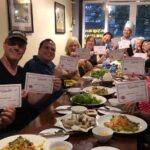
Also, you’re not cooking only to impress yourself. You’re cooking so you can eat. That reduces the common cooking-class problem where the food is finished and you only get a small taste. Here, you create the dishes and then sit down for the meal as part of the experience.
The Cooking Style: Group Energy, Clear Guidance, and Patient Hosts
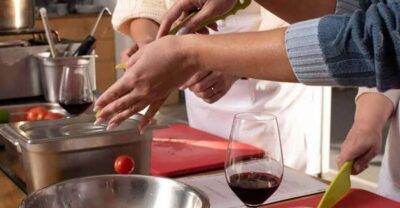
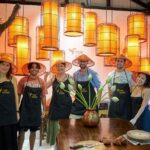
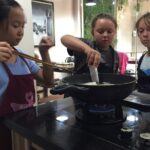
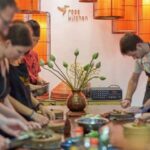
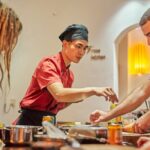
This class is hands-on, but it’s designed as group cooking. Instead of everyone getting a separate station for everything, you’ll cook together as a team. That changes the feel in a good way: it’s more social, less “assembly line,” and it often feels like a shared kitchen project.
Two guide styles show up in the feedback you have. One reviewer highlighted Maxie as a host who made the experience feel like hanging out with a friend, while also teaching helpful basics during the market phase. Another mentioned Alex for patient, easy-to-follow instructions. That combination is exactly what you want in a cooking class. You’re learning new steps, and you need explanations that make sense quickly.
Because it’s group-based, you’ll likely do a mix of tasks—watching at key moments, pitching in where needed, and rotating through parts of the cooking process. You won’t get total solo control over every hand movement, but you still learn the workflow: what happens first, what to adjust while cooking, and how the dish should look and smell when it’s on track.
The timing is also built around the 3-hour duration. That’s why recipes and a completion certificate matter. You get recipes after the class, which helps you repeat what you learned without guessing later. And yes, a certificate of completion sounds formal, but it’s also a nice souvenir and a signal that the class is a real, structured teaching session.
If you’re the type who enjoys conversation while you cook, this format is a win.
Eat What You Make: Meal Times, Drinks, and the 350ml Fruit Wine
You don’t leave with a box of food. You eat it. After you finish cooking, you sit down in a cozy space and enjoy the meal you prepared.
The meal included depends on your session time:
- Morning session comes with lunch
- Midday session comes with brunch
- Evening session comes with dinner
Along with the meal, you also get coffee and/or tea and mineral water (free and unlimited). Those small inclusions matter because they keep the meal comfortable and simple. You’re not spending extra money just to stay hydrated or to enjoy your food.
Then there’s the drink that most people notice: a free 350ml bottle of local fruit wine per class. If you drink alcohol, this is a fun local touch that makes the meal feel festive without requiring extra planning. If you don’t drink, you still get the item because it’s included; in that case, you can treat it as a cultural experience and decide what you want to do with it on the day.
Either way, the fruit wine is part of what makes this class feel like more than cooking lessons. It’s food, drink, and conversation in one package.
Price and Value: Why $35 Works for a 3-Hour Experience
At $35 per person, this is priced like a solid budget-friendly cooking class—especially because the value isn’t only in “you learn some recipes.” You’re getting multiple layers:
- A guided market tour where you choose ingredients
- A 3-hour hands-on cooking class
- Five dishes created by you and enjoyed as a meal
- Lunch, brunch, or dinner depending on session time
- Coffee and/or tea plus unlimited mineral water
- Free local fruit wine (350ml bottle per class)
- Recipes after the class
- A certificate of completion
One caution for your math: the details note that all fees and taxes are not included. So your final total might be a bit higher than the base price. Still, even with that adjustment, you’re covering ingredient picking, guided teaching, and a full meal with drinks.
This class also tends to be popular. It’s noted as being commonly booked around a week in advance on average. If your travel dates are fixed, it’s smart to reserve early so you can pick the session time that matches your day.
Also, group discounts exist, which is useful if you’re traveling with friends or family and want everyone to eat and learn together.

Getting There and Staying Comfortable: Meeting Point, Group Size, and Timing
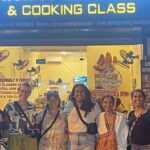
The meeting point is clearly set: Hanoi Solo Hostel, 37 P. Mã Mây, Hàng Buồm, Hoàn Kiếm, Hà Nội 100000. The activity ends back at the meeting point, so you don’t need to plan a separate route afterward.
It’s also described as near public transportation, and you’ll receive a mobile ticket. Confirmation happens at booking time, so you’re not left waiting around for last-minute details.
Group size is capped at a maximum of 200 travelers, which is large on paper, though many cooking classes operate in much smaller groups once you’re on-site. What you should take from this number is that the operator is set up to handle multiple groups.
As for your body and comfort: service animals are allowed, and mineral water is unlimited during the experience. That’s a small practical win if you’re walking in the heat before you cook.
Should You Book This Hanoi Cooking Class With Fruit Wine?
I’d book it if you want a hands-on Hanoi food experience that starts in the market and ends with you eating what you made. The strongest reason to choose this class is the combination of market ingredient picking + group cooking + a five-dish meal, capped off with free local fruit wine.
It’s especially worth it if:
- You love learning through doing, not just watching
- You want to taste multiple parts of Hanoi cuisine in one sitting
- You like friendly guides and clear instructions (names like Maxie and Alex show up for a reason)
- You want a cooking class that feels social and relaxed, not stiff
I’d think twice if:
- You want maximum solo control at every station, because it’s group-based cooking
- You have a hard schedule immediately after, since the market portion can stretch a bit
If you’re flexible and hungry, this is a great way to spend a few hours in Hanoi without ending the day with only photos.
FAQ
How long is the Hanoi cooking class?
The experience runs for about 3 hours.
How many dishes will I cook and eat?
You’ll enjoy five dishes that you create during the cooking class (and then eat as your meal).
What’s included with the price?
The class includes coffee and/or tea, free unlimited mineral water, and the meal (lunch, brunch, or dinner depending on your session). You also get free recipes after the class and a completion certificate. Alcoholic beverages include a free 350ml bottle of local fruit wine per class.
Where do I meet for the experience?
You meet at Hanoi Solo Hostel, 37 P. Mã Mây, Hàng Buồm, Hoàn Kiếm, Hà Nội 100000, Vietnam.
Do I get recipes after the cooking class?
Yes. Recipes are provided after you complete the cooking class.
What is the cancellation policy?
You can cancel for a full refund if you cancel up to 24 hours in advance of the experience start time. If you cancel less than 24 hours before, the amount paid will not be refunded.