REVIEW · UBUD
PRIVATE Balinese Cooking Class in Ubud with Dewa with Transfers
Book on Viator →Operated by Traveling Spoon · Bookable on Viator
Forget a classroom. This is a day spent cooking with Dewa and his family in their home compound, starting with a garden walk and ending with the meal you make on a traditional wood-fired stove.
I love how the food lesson is tied to real life: the herbs and spices grow nearby, and you learn what they’re used for before you start grinding paste and cooking. I also love the personal feel of a private, 2-way transfer setup from Ubud—so you’re not juggling timing with other groups while you’re trying to enjoy the process.
One possible drawback: this isn’t a professional cooking school with lab-style precision. It’s a family home experience, so the pace and cooking style may feel more relaxed (and you might not get the same strict technique focus you’d expect from a top-tier chef course).
In This Review
- Key Reasons This One Gets Such Strong Praise
- What This Tour Feels Like Once You Arrive
- Getting There: Transfers From Ubud and How the Timing Works
- The Garden Tour: Where the Cooking Starts
- Cooking on a Wood-Fired Stove: The Skills You Actually Use Again
- What the Family Kitchen Teaches Beyond Recipes
- The Meal: Eating Your Work (With Beer and Water)
- Private, Group-Only by Design: What $69 Buys You
- Practical Tips to Make Your Day Smoother
- Who Should Book This (and Who Might Skip It)
- Should You Book Dewa’s Balinese Cooking Class?
- FAQ
- How long is the private Balinese cooking class experience?
- Is pickup and drop-off included?
- What’s included with the class besides cooking?
- Do they offer a vegetarian option?
- What kinds of dishes will I cook?
- Is this a professional cooking class?
Key Reasons This One Gets Such Strong Praise
- Garden-first ingredient hunting: you pick up the story of fruits, herbs, and spices like galangal, cacao, and nutmeg before you cook
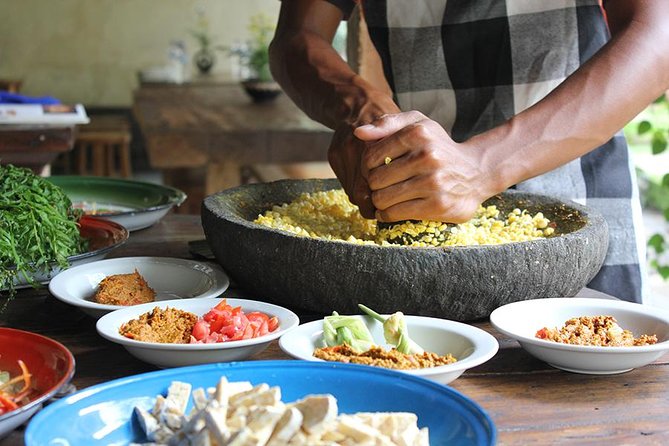
- Traditional tools matter: pestle and mortar, plus a wood-fired stove for the real Balinese rhythm
- You cook, not just watch: the class is hands-on, with most of the work guided step by step
- Family meal energy: you eat what you make in a traditional walled compound setting, with local beer and water
- Recipes you can repeat at home: you leave with written recipes (often in a notebook or book format)
What This Tour Feels Like Once You Arrive
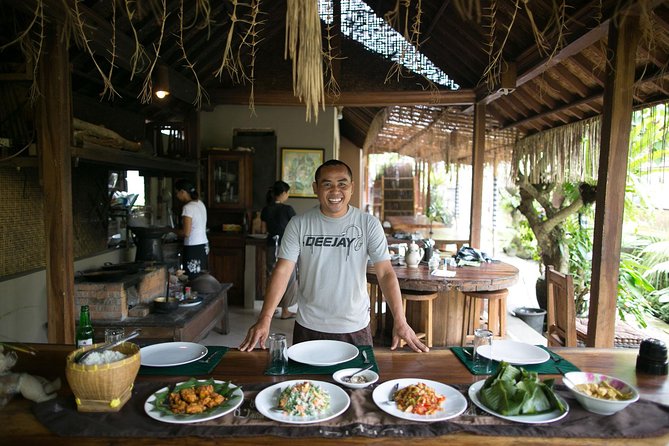
This experience works because it starts with context, not just ingredients. You’re not simply learning recipes—you’re being shown how the family grows food, uses plants, and cooks in a home environment that’s been shaped by local religion and everyday routine.
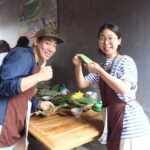
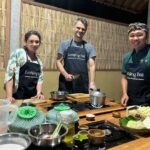
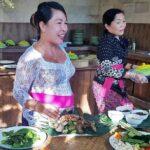
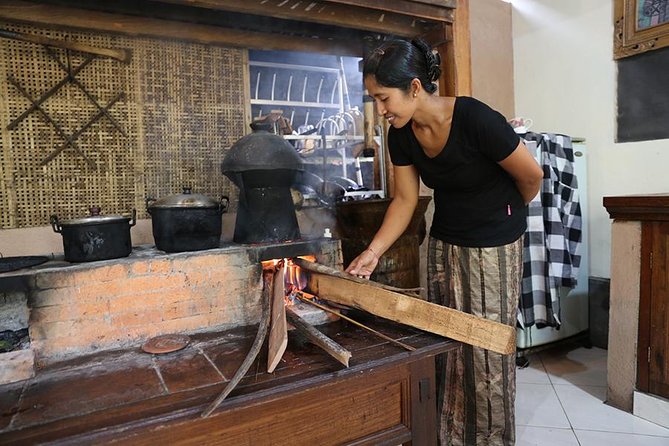
Dewa (or a family member if he’s not available, with Dewa’s wife Jero) leads you through the day. You’ll move through open pavilions around a central courtyard in a traditional compound, then shift to cooking in the family kitchen—where the stove is the star of the show.
You can also read our reviews of more tours and experiences in Ubud.
Getting There: Transfers From Ubud and How the Timing Works
The big practical win here is the private, round-trip transfer from Ubud for your group. That means less stress: you get picked up from your Ubud hotel or vacation rental area and returned after the class, without public transport planning or group shuttles.
It also helps you enjoy the scenery between Ubud and Keliki. The drive takes you through terraced foothills, and once you’re in the village area you’ll walk around as part of the experience—so comfortable shoes are worth it.
If you’re staying outside Ubud, note the transport changes. Dewa can only provide round-trip transportation from Ubud hotels; otherwise, you meet directly at his home in Keliki. That’s totally workable, just plan for it so the start time doesn’t catch you off guard.
The Garden Tour: Where the Cooking Starts
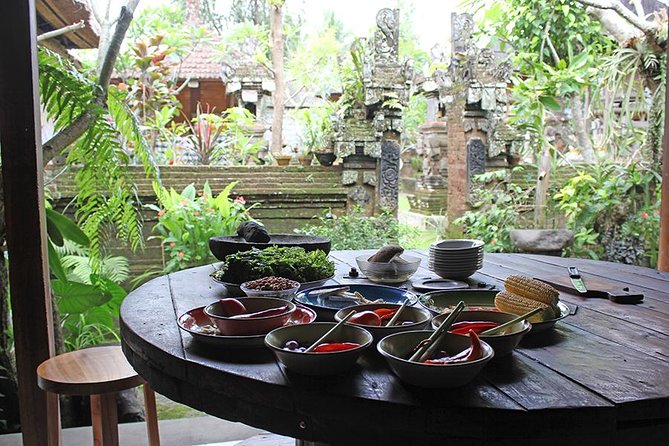
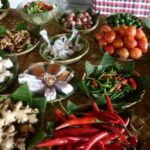
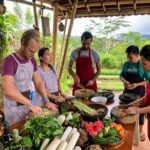
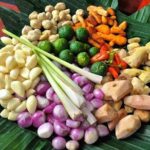
You begin with a garden tour, and this is where the day becomes more than a meal prep session. You’ll walk through the family garden area and discover fruits, herbs, and spices used in Balinese cooking, along with the medicinal properties connected to many of these plants.
This part matters because it changes how you cook later. When you can point to the plant’s role in the kitchen—like galangal in savory flavors, cacao in cooking and aromas, or nutmeg in sweet or fragrant uses—you cook with more confidence and less guesswork.
You’ll also get a feel for the local growing rhythm. It’s not a drive-by stop; the garden tour is designed to help you understand where ingredients come from and why families cook the way they do.
Cooking on a Wood-Fired Stove: The Skills You Actually Use Again
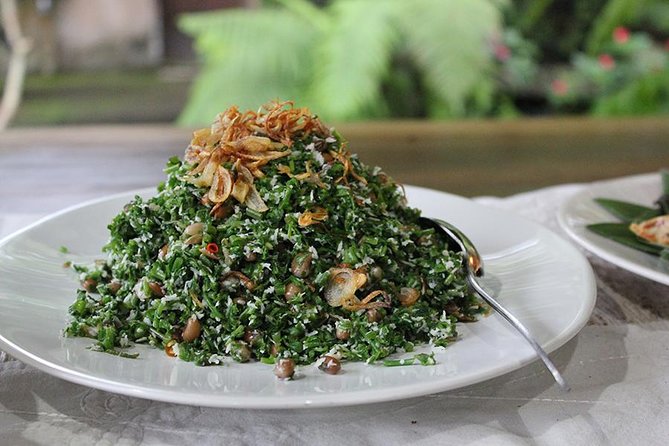
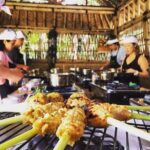
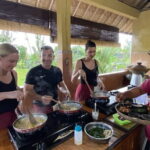
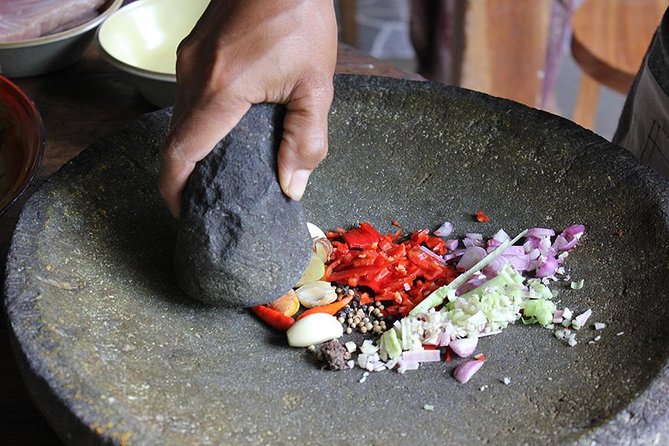
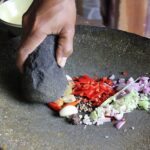
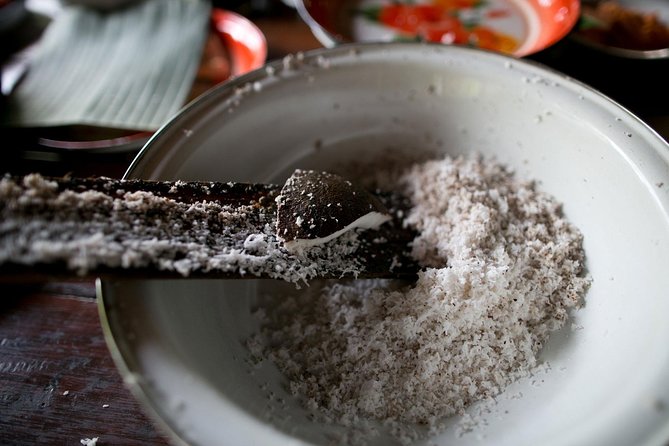
After the garden, you move into the kitchen and cook with traditional equipment. Expect to use things like a pestle and mortar to grind and prepare pastes—then cook over a wood-fired stove, where heat behaves differently than modern burners.
This is where the experience shines for home cooks. The goal isn’t just to impress you; it’s to teach you enough structure to repeat the dishes later, using the same spice logic and cooking methods.
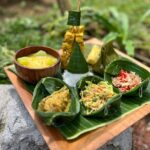
You may cook dishes such as pepes Ikan (grilled tuna in banana leaves), bumbu kuning (chicken in a fresh turmeric and coconut milk sauce), and bregedel (hand-ground corn fritters). In other parts of the experience, the total number of dishes you make can vary—think around five to six courses—depending on how the day flows.
One more thing to note: the cooking style tends to prioritize balance and health patterns rather than heavy salt. You should expect flavors built from spices, aromatics, and fresh ingredients, not a punchy, salt-forward approach.
What the Family Kitchen Teaches Beyond Recipes
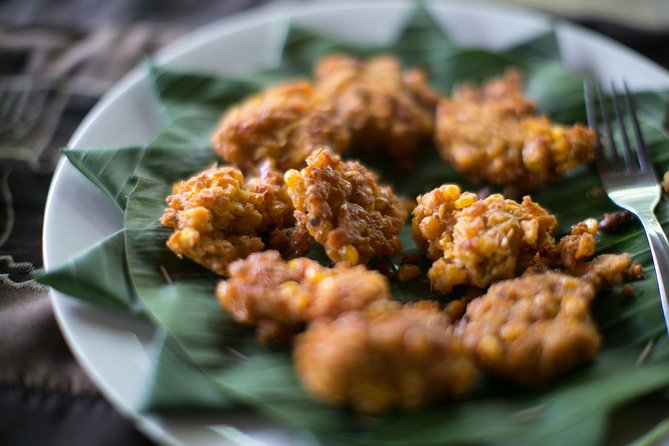
The kitchen portion isn’t only technique. Dewa shares stories that connect the plants and recipes to daily life and belief systems.
You may hear references to how Hinduism, Buddhism, and animism influence how people understand food, health, and nature. He often frames it with a calm, reflective teaching style, where ingredients are treated like more than flavor—they’re part of how the family lives in balance with their surroundings.
This is also why the cooking feels different from typical tourist classes. You’re learning why a dish is made, not only how it’s assembled.

The Meal: Eating Your Work (With Beer and Water)
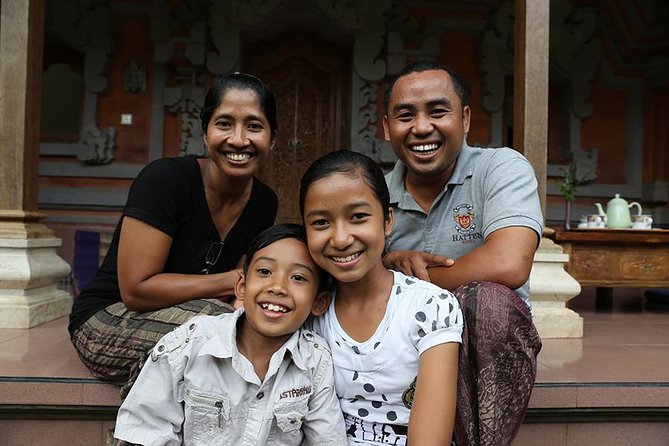
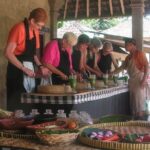
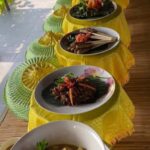
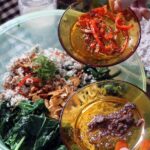
You don’t just taste a sample—you sit down with the meal you helped prepare. The dishes you cook are served as lunch or dinner, and the setting is part of the point: you eat in the family compound, surrounded by the home atmosphere rather than a staged restaurant environment.
And yes, there’s beer and water included. That simple detail matters more than you’d think. A lot of cooking experiences turn into a hurried snack-and-go situation. Here, you eat properly, which makes the day feel complete.
If you’re wondering about dietary needs: a vegetarian option is available if you request it when booking. That’s a big plus for anyone traveling with restrictions, because you’re not stuck with the same default plate.
Private, Group-Only by Design: What $69 Buys You
At $69 per person, you’re paying for more than a cooking lesson. You’re paying for a private, family-home visit that includes:
- round-trip transfers from Ubud
- a private garden tour and cooking class led by Dewa (or another family host)
- the cultural and culinary experience tied to the home compound
- local beer (plus water)
That combination is the value equation. A standard cooking class might teach recipes and feed you, but often it doesn’t include the transport element, the garden context, and the full-family welcome that makes the meal feel like a real invitation rather than a tour stop.
This is also a private tour in the sense that only your group participates. That matters for questions and pacing. You’re less likely to feel rushed, and you can ask about ingredients, tools, or the cooking reasoning as you go.
Practical Tips to Make Your Day Smoother
Here’s how to make the experience feel effortless on the ground:
- Wear comfortable shoes for the walking portion around the village and greenery areas.
- Bring a curious mindset. You’ll learn medicinal properties and local uses of plants, so the more you engage, the more you’ll take home mentally.
- If you’re vegetarian, request it at booking so the family can plan the meal.
- If you’re staying outside Ubud, plan on meeting in Keliki rather than expecting pickup.
You’ll likely spend about four hours total, so keep your expectations matched: this is a focused half-day with a clear rhythm, not a full-day cooking marathon.
Who Should Book This (and Who Might Skip It)
Book this if you want Bali through daily life, not through a curated performance. It’s ideal for couples and small groups who love food, want real conversation, and like learning how ingredients connect to culture.
You’ll also like it if you want recipes you can repeat. The experience is designed to leave you with written dishes to cook at home, often in a notebook or recipe-book format.
Consider a different option if you mainly want professional-grade culinary instruction and a strict technique curriculum. Since this is a home visit rather than a commercial school, the teaching style is personal and family-led, not chef-instructor-and-timing drills.
Should You Book Dewa’s Balinese Cooking Class?
If you’re picking one Ubud activity that blends cooking with village life, I think this is a strong bet. The best-case day here has three ingredients: a friendly, story-driven host, a real garden walk that explains where flavors come from, and a wood-fired cooking session you can actually reproduce later.
It’s also good value for the total package at $69, especially because transfers from Ubud and your included meal (with local beer) are part of the deal. And if you like having flexibility, you can cancel for a full refund up to 24 hours in advance.
My call: book it if you want to leave with more than photos. You’ll leave with skills, recipes, and the feeling that you were invited into someone’s normal day—just for a few hours.
FAQ
How long is the private Balinese cooking class experience?
It runs for about 4 hours.
Is pickup and drop-off included?
Yes, you get round-trip private transfers from Ubud hotels and vacation rentals. If you’re staying outside Ubud, you’ll need to meet directly at Dewa’s home in Keliki.
What’s included with the class besides cooking?
You’ll have a private garden tour and cooking class with your host, then you’ll eat the dishes you helped prepare. Local beer and water are included.
Do they offer a vegetarian option?
Yes. A vegetarian meal is available if you advise them at the time of booking.
What kinds of dishes will I cook?
The class includes Balinese dishes such as pepes Ikan (grilled tuna in banana leaves), bumbu kuning (chicken in a turmeric and coconut milk sauce), and bregedel (hand-ground corn fritters). The number of dishes can vary, but you’ll cook multiple items.
Is this a professional cooking class?
No. It’s not described as a professional cooking school. It’s a visit to an authentic local home where you cook with the family and learn Balinese culture and cuisine together.