REVIEW · MILAN
Pasta and Tiramisu Cooking Class at Come Na Vorta Navigli Milan
Book on Viator →Operated by Come Na Vorta Experience · Bookable on Viator
Handmade pasta beats meal plans. At Come ’Na Vorta in Milan’s Navigli, you learn fresh pasta technique for both fettuccine and gnocchi, then you make classic tiramisù step by step with instruction in English.
I also like the payoff: you get to eat what you make, with Roman-style sauce choices and two glasses of Italian wine to go with your meal. One consideration: you’re looking at a proper, filling lunch-dinner hybrid, so plan a light snack before you arrive or you may feel too full to eat afterward.
In This Review
- Key highlights you’ll care about
- A Milan cooking class in Navigli: Come ’Na Vorta’s pasta-and-wine vibe
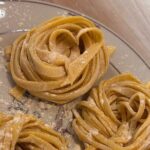
- Fresh pasta from scratch: fettuccine and gnocchi you’ll actually know how to make
- Sauce choices and two Italian wines: turning cooking into a real meal
- Tiramisu, layer by layer: classic technique for creamy balance
- Small group, English instruction, and teaching that works for families
- Price and value: what $90.31 really covers in a 3.5-hour class
- Should you book this pasta and tiramisu class?
- FAQ
- How long is the Pasta and Tiramisu Cooking Class?
- Is the cooking class offered in English?
- What will I make and eat during the class?
- Do you include wine with the meal?
- Where is the meeting point?
- How large is the group?
- Is there free cancellation?
Key highlights you’ll care about
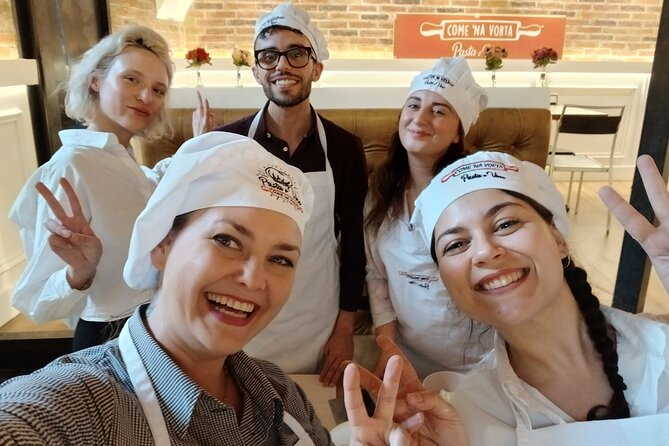
- Two handmade pasta styles: fettuccine and gnocchi, made from scratch
- Chef-led, English instruction with the kind of hands-on coaching that helps you actually repeat it at home
- Roman traditional sauces of your choice that turn your pasta into a full meal
- Tiramisu built layer by layer so it’s creamy and balanced, not just assembled
- Two wine glasses selected to match what you’re cooking and eating
- Small group size (max 11), which helps you get attention during the trickier steps
A Milan cooking class in Navigli: Come ’Na Vorta’s pasta-and-wine vibe
This class happens in Milan’s Navigli area, at Come ’Na Vorta Pasta e Vino, located at Ripa di Porta Ticinese 3-5, 20143 Milano MI. You meet there, and the experience ends back at the same spot, so you’re not dealing with a long end-of-class commute while your brain is still full of flour dust and dessert plans.
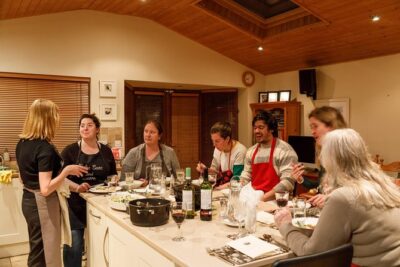
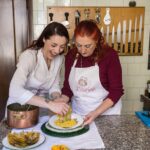
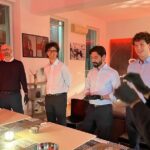
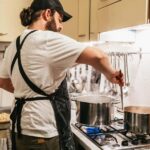
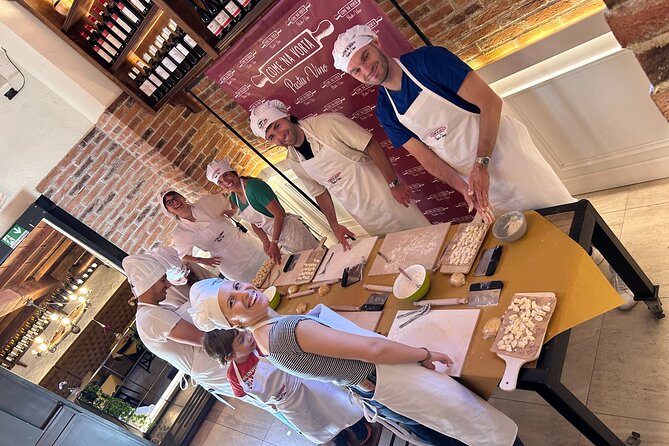
What I like about this setting is that it feels built for food people, not tourists who just want a quick photo. The whole flow centers on making and tasting: pasta first, tiramisù second, then you sit down to eat your work. With a maximum of 11 travelers, you’re much more likely to get real coaching when dough behaves badly or when a sauce choice needs a quick recommendation.
The format is also straightforward: the class runs about 3 hours 30 minutes, it’s in English, and you’ll receive a mobile ticket. It’s also close to public transportation, which matters in Milan when you don’t want to gamble with timing.
If you like learning by doing, this is the kind of experience you’ll remember. You’ll leave with a mental map of what to mix, how to shape, and what to look for so your results aren’t guesswork.
You can also read our reviews of more tours and experiences in Milan.
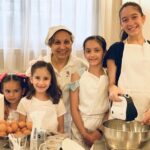
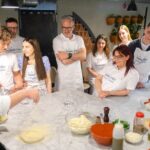
Fresh pasta from scratch: fettuccine and gnocchi you’ll actually know how to make
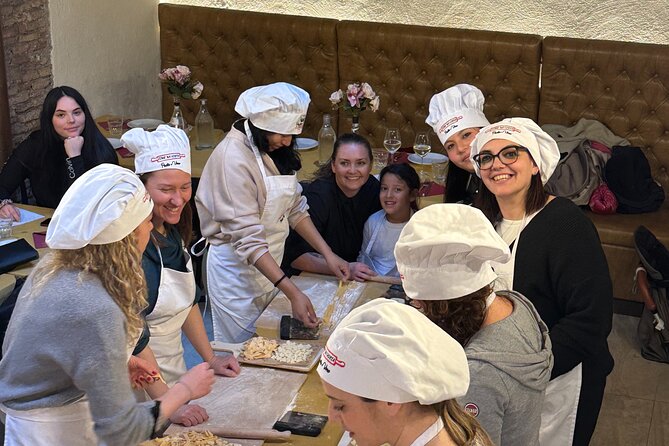
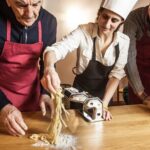
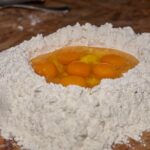
The core of the class is homemade fresh pasta. You start by learning the basics and the small technical points that make the difference between pasta that tastes homemade and pasta that tastes like it came from a packet.
You’ll make both:
- Fettuccine
- Gnocchi
That combination is valuable because they teach two different textures. Fettuccine is about rolling and cutting with confidence. Gnocchi is about shaping and understanding how the dough should feel before you start forming pieces. One of the best ways to learn Italian cooking is to do multiple preparations in one sitting, because you build a feel for the dough as you go.
In past sessions, the teaching has included confident, passionate pasta coaching from instructors like Elba, with a sense of humor that helps you relax while you learn knife work and shaping. Other sessions have been led by chef coach Francesco (also referenced as M. Francesco / Francesco), known for being friendly and informative and for keeping the class engaging.
Even if you’ve never made pasta before, this setup works because the lessons are aimed at tourists who want to take the knowledge home. You’re not just watching. You’re getting your hands involved—including time where cutting techniques come into play.
Practical tip: you’ll likely be working at a lively pace, and the dough phase can be a little messy. Wear comfortable clothes you don’t mind if they get a little flour on them. And plan your appetite around the fact you’ll eat plenty later.
Sauce choices and two Italian wines: turning cooking into a real meal
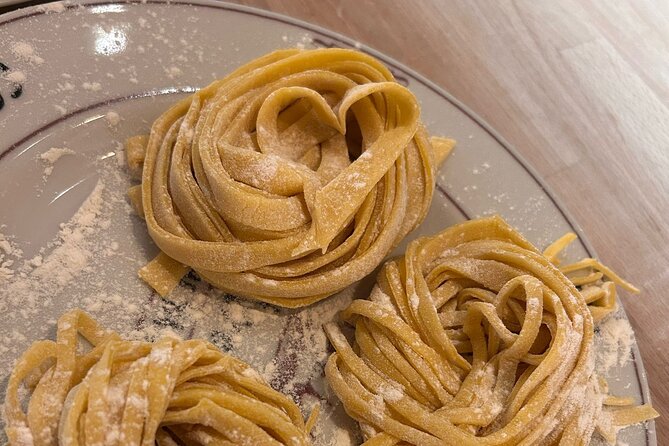
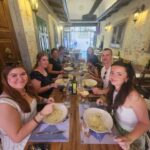
Once your pasta is ready, the class turns into the part most people are quietly waiting for: eating what you made. Your fettuccine and gnocchi are served with Roman traditional sauces of your choice. That detail matters. It’s not just a fixed menu. You get to decide how you want your meal to taste, which also makes it easier to remember what you liked when you try again at home.
This is also where the wine pairing comes in. You’ll taste two glasses of carefully selected Italian wine. The idea is simple: the wines are chosen to complement the flavors in your pasta and sauces, so you experience the meal as Italians often do—food first, then taste-matching drinks rather than random sips.
From a value standpoint, pairing wine with your meal is one of the things that helps justify the class price. You’re paying not only for ingredients and instruction, but for a complete experience that includes a guided culinary finish.
If you’re the type who loves ordering pasta in a restaurant but never really knows what makes it taste right, this part helps connect the dots. You’ll taste your own work next to your chosen sauce and wine pairing, and that makes the learning feel practical, not theoretical.
Tiramisu, layer by layer: classic technique for creamy balance
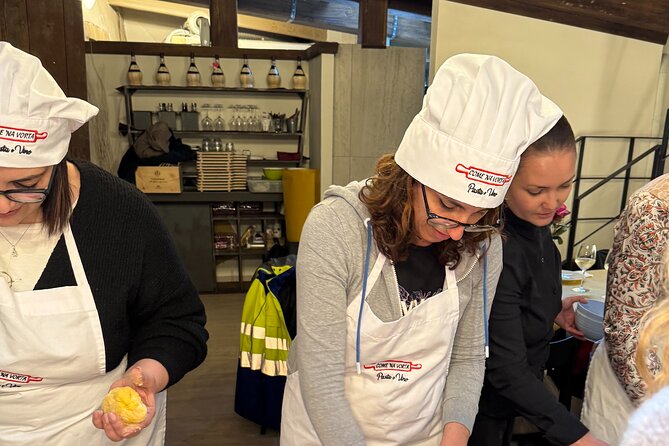
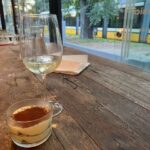
Then comes the dessert lesson: tiramisu. This part is more than mixing ingredients. You learn how to build it in layers so the texture stays creamy and the balance doesn’t tip too far into sweetness or too far into heaviness.
Tiramisu has a reputation for being complicated, but for most home cooks it’s really about process. The class helps by guiding you through how each layer should come together and how to assemble it so you get that classic contrast: creamy custard-style texture with the cocoa and coffee element.
The result is that your tiramisù isn’t just a sweet ending. It’s a second skill set, the kind of dessert confidence that’s hard to get from reading a recipe alone.
One of the best signals here is how often people mention the tiramisù quality alongside the pasta quality. When a class gets both right—pasta texture and dessert layering—it usually means the teaching is hands-on and focused on technique, not just the fun part of mixing.
Also, be ready for the tiramisù to feel like part of a full meal. Many people leave feeling like they didn’t need dinner later, which is why I keep stressing snack planning at the start.
Small group, English instruction, and teaching that works for families
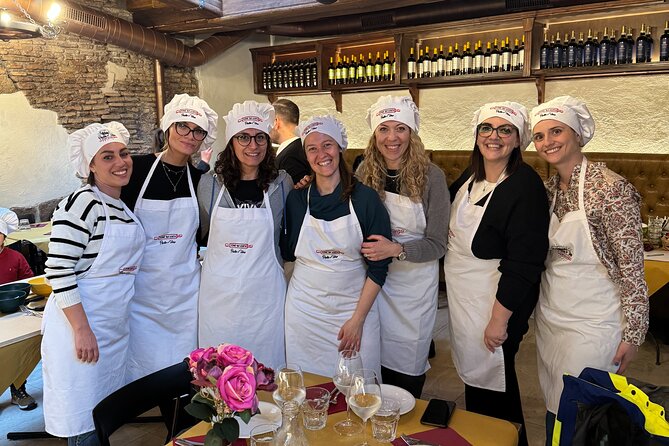
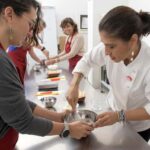
This experience caps at 11 travelers, and you’ll feel the difference. A small group doesn’t just mean it’s quieter. It means instructors can actually keep an eye on what you’re doing—especially during steps where dough handling, cutting, or shaping can go wrong fast.
The class is offered in English, which is huge in Milan where your best restaurant meal still depends on how well you can communicate your preferences. Here, you don’t have to translate basic cooking terms in your head. You can focus on the technique.
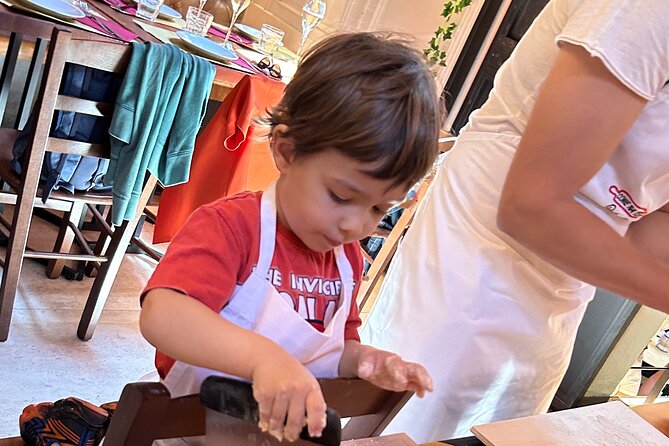
It’s also family-friendly. In past sessions, kids ages around 10 to 13 have had a great time, with teaching that includes extra care during cutting steps. That doesn’t mean it’s a kids-only activity, but it does mean the instruction style seems patient and structured enough for mixed groups.
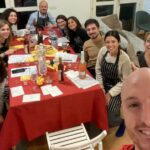
If you’re traveling solo, this can be a surprisingly social way to meet other food-minded people. If you’re traveling with a partner, it’s a shared “we made this” moment you can carry home. And if you’re with kids, it gives you something to do that isn’t just wandering around looking for gelato.

Price and value: what $90.31 really covers in a 3.5-hour class
The price is $90.31 per person, and it’s fair to ask what that includes. In this case, you’re not only paying for instruction. You’re paying for:
- the hands-on cooking of both pasta types
- the ingredients needed to make fettuccine and gnocchi
- a tiramisu dessert you build in class
- Roman-style sauce choices
- two glasses of Italian wine
- and then the simple fact that you eat your creations as part of the program
So the cost isn’t just about “taking a class.” It’s about buying a complete meal experience plus technique you can use later.
Could it be pricey compared with DIY cooking at home? Yes, but DIY doesn’t include chef coaching, wine pairings, and the pleasure of eating what you made with restaurant-grade results. A cooking class like this is closer to paying for a guided food event than a basic workshop.
One practical value note: booking tends to happen in advance, averaging about 15 days. If you’re set on a specific day, plan early so you don’t end up settling.
And again, the biggest real-world tradeoff is food volume. The format is generous. If you come hungry, you’ll love it. If you come to class after a heavy meal, you might find yourself skipping dinner later.
Should you book this pasta and tiramisu class?
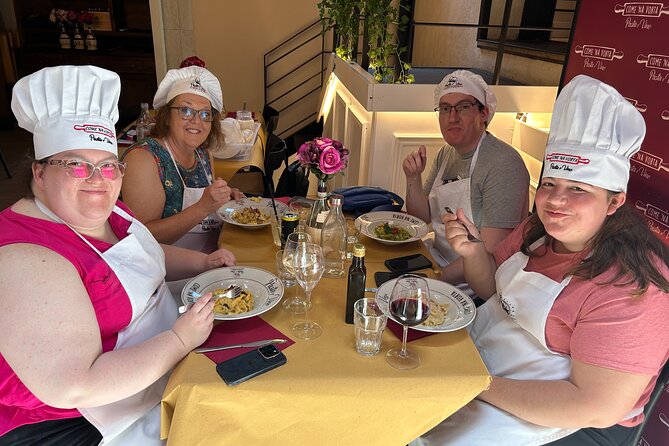
I think you should book if you want a hands-on Milan experience that’s structured, tasty, and actually teaches skills. This is especially worth it if you’re the type who likes learning through food—pasta texture, gnocchi shaping, sauce pairing, and then a classic tiramisù build.
You might skip it if you’re short on time and only want a quick activity, because 3 hours 30 minutes is a real block. And if you know you don’t handle lots of food well, plan your day around it. The meal can be substantial.
If you’re traveling as a couple, group, or family, the small group size and English instruction make it easy to feel involved without feeling lost. You’ll leave with the satisfaction of eating restaurant-style pasta you made yourself, plus a dessert technique you’ll be proud to show off back home.
FAQ
How long is the Pasta and Tiramisu Cooking Class?
It lasts about 3 hours 30 minutes.
Is the cooking class offered in English?
Yes, it’s offered in English.
What will I make and eat during the class?
You’ll make fresh pasta including fettuccine and gnocchi, and you’ll also make tiramisu. Your meal includes both pasta dishes and the tiramisù.
Do you include wine with the meal?
Yes. You receive two glasses of Italian wine.
Where is the meeting point?
You meet at Come ’Na Vorta Pasta e Vino – Navigli, Ripa di Porta Ticinese, 3-5, 20143 Milano MI, Italy. The activity ends back at the meeting point.
How large is the group?
The class has a maximum of 11 travelers.
Is there free cancellation?
Yes. You can cancel for a full refund, and the policy states free cancellation is available up to 24 hours in advance.