REVIEW · TBILISI
Tbilisi: Georgian Feast with Wine and Cooking Class
Book on GetYourGuide →Operated by DianaTravel · Bookable on GetYourGuide
Georgian toasts start fast. This Tbilisi evening turns a traditional supra into a full 270-minute experience with hands-on cooking, wine and chacha tasting, and a tamada leading songs and toasts.
I especially like the khinkali and khachapuri masterclass (you’re not just watching) and the way the night builds toward a proper feast with Georgian songs, dances, and guided toasts.
One thing to consider: the host is listed for Russian and English, but the tamada-led singing and toasts can move quickly, so plan for moments where you won’t catch every word.
In This Review
- Key highlights at a glance
- From Pickup to Supra: How the Evening Moves
- Wine and Chacha Tasting With a Tamada’s Toast Energy
- The Khinkali and Khachapuri Masterclass: Hands-On, Not Just Photos
- Dinner Turns Into a Georgian Supra, Not Just a Meal
- Songs, Dances, and Toasts: Why the Tamada Matters
- Price and Value: What $70 (150 GEL) Really Buys
- Who This Suits Best (and Who Should Skip It)
- Small Practical Tips Before You Go
- Should You Book This Tbilisi Feast and Cooking Class?
- FAQ
- How long is the Georgian feast with cooking class in Tbilisi?
- What’s included in the price?
- How much does it cost?
- What languages are supported?
- Does it include pickup and drop-off?
- Is there anything it’s not suitable for?
- Can I cancel for a refund?
- Is there an option to book without paying right away?
Key highlights at a glance
- Wine and chacha tasting tied to ancient winemaking traditions
- Hands-on khinkali and khachapuri cooking with expert chefs
- A real tamada guiding songs, dances, and toast rhythm
- Traditional Georgian supra dinner built for sharing and good moods
- Hotel-style pickup and drop-off so you don’t fight logistics in Tbilisi
From Pickup to Supra: How the Evening Moves
This experience is built like a true Georgian night: start with drinks and ritual, switch gears to cooking, then settle in for the meal and the performance. The total time is 270 minutes, so you’re not squeezed into a quick show-up-and-leave schedule. Plan on a solid chunk of your evening being communal, social, and hands-on.
The night starts with pickup and drop-off, which is a real quality-of-life win in Tbilisi. If you’re sightseeing earlier, you can keep moving during the day and let someone else handle the transport at night. Once you arrive, you’re in a cozy, atmospheric venue with national character—exactly the kind of setting where a feast feels natural instead of staged.
Also, the whole format is clearly designed around the Georgian idea of a supra: not just eating, but sharing food, raising glasses, and taking part in the mood. If you like experiences where you’re doing something (cooking, tasting, participating), this works well. If you want quiet, polished dining with minimal interaction, you may find the energy a bit loud.
You can also read our reviews of more tours and experiences in Tbilisi.



Wine and Chacha Tasting With a Tamada’s Toast Energy
Before you touch dough, the evening begins with a wine and chacha tasting. The promise here is cultural: you’re not just sampling alcohol for fun—you’re being connected to Georgia’s winemaking traditions, including the sense of history behind the drinks.
You’ll also notice how Georgia frames drinking at meals: it’s rarely random. A tamada—your toast leader—guides the rhythm of the night, which means you’re not just sipping in the dark. Instead, you’ll likely raise your glass during guided moments tied to friendship, love, and life at the table. That matters because it changes how you experience the food later. When people feel included early, the feast lands with more warmth.
Practical note: since the night includes wine and chacha tasting, pace yourself. Even if you’re enjoying the process, tasting adds up. If you’re planning other nightlife after, go easy. And if you’re sensitive to alcohol, consider taking small pours and drinking water between tastings.
And one more reality check: you’ll be in an atmosphere where songs, dances, and toasts are part of the program. Even with English support listed, the tamada’s performance style may lean strongly into Georgian language. You can still enjoy it without perfect comprehension—often the tone does half the job.
The Khinkali and Khachapuri Masterclass: Hands-On, Not Just Photos
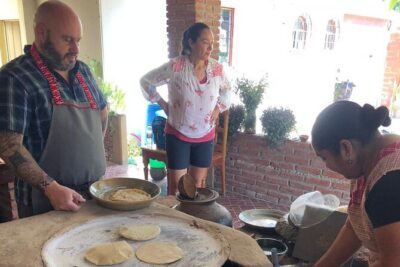
The best part for me in this kind of evening is the switch from audience to participant. Here, you roll up your sleeves and learn to make khinkali and khachapuri in a hands-on masterclass with expert chefs.
Why this is valuable: cooking class formats often fail when you’re stuck standing back while someone else does the real work. In this case, the structure is clearly built around doing. You’re not only learning the steps; you’re making dishes with your own hands. That turns the food from something you ordered once into something you understand—how it feels, how it changes, and what “right” looks like as you go.
Khinkali and khachapuri are both big-deal comfort foods in Georgia, and learning them in the place where the tradition lives is a strong way to connect with local everyday culture—not just history on a placemat. You’ll also get a built-in conversation starter during dinner, because you’ll recognize the shapes and flavors you prepared.
A small tip that keeps this pleasant: wear something comfortable for cooking. You’ll likely handle dough and work at the table or station. Even if the venue is careful, kitchens are kitchens. If you want zero stress, dress like you’re helping a friend cook.
Dinner Turns Into a Georgian Supra, Not Just a Meal
After tasting and cooking, you sit down to a festive dinner that’s described as hearty, soulful, and full of flavor and warmth. This is the moment the night becomes more than activities—it becomes a shared table experience.
A lot of food tours give you “dinner” that feels like a restaurant meal with a story. A supra-style dinner is different. The format is built for communal pacing. Food arrives as part of the atmosphere, not as an afterthought. And because your evening includes a tamada leading toasts and songs, the meal is likely punctuated by shared moments. That’s where the vibe turns social.
What you should expect is joy and openness—people raising glasses, laughing, and taking part rather than simply consuming. If you enjoy conversation and cultural performances, this can feel like the best kind of travel meal: the one where you leave with a memory, not just a full stomach.
Also, because pickup and drop-off are included, the night is designed to flow without you worrying about timing. That helps, especially in Georgia where nightlife can stretch. You’ll be able to focus on the meal rather than your next Uber.
Songs, Dances, and Toasts: Why the Tamada Matters
The standout cultural engine here is the tamada. You’re not just watching performers in a separate room. The tamada guides the evening with Georgian songs, dances, and toasts, shaping the order of what happens and how people take part.
This is the kind of element that turns a “cultural dinner” into something more personal. A tamada isn’t just reading lines. The role is about guiding the room—setting the tone so the table becomes a shared stage. Even if your language comprehension is imperfect, you can usually catch the cues: when to toast, when to listen, when to clap, when to join in.
That’s also where the earlier cooking pays off. When you’ve made food, you feel more connected. Then the entertainment doesn’t feel like a distant show. It feels like your table’s rhythm.
The one caution I’d underline: language can be the limiting factor. The event is listed with Russian and English, and that’s great. Still, a tamada-led program often includes Georgian singing and energetic toasts. If you need full translation for every moment, you may not get it. On the other hand, if you’re okay reading the mood and joining in when you can, you’ll probably love this part.




Price and Value: What $70 (150 GEL) Really Buys
The listed price is $70 per person, and the important info also states 150 GEL per person, all inclusive. Either way, you’re paying for more than dinner. You’re paying for a structured evening that includes:
- Wine and chacha tasting
- A khinkali and khachapuri masterclass with chefs
- Georgian songs, dances, and toasts
- A festive dinner
- Pickup and drop-off
When you compare it to doing these parts separately, the value adds up. A single cooking class can be costly on its own. Add tastings and a guided cultural evening with a tamada, and it starts to look like one bundled night with multiple payoffs: food skills, meal experience, and entertainment.
Duration matters here too. 270 minutes is long enough for the evening to feel like a real event rather than a quick stop. That time also reduces the feeling of rushing between experiences, which is where value often disappears on shorter tours.
So for me, the “worth it” question depends on your style of travel. If you love social evenings, eating what you cook, and joining cultural performances, this is good value. If you prefer self-guided meals and quiet museums, you might feel like you paid for energy you don’t want.
Who This Suits Best (and Who Should Skip It)
This experience is a strong match for people who want a true Georgian table moment: cooking, tasting, songs, and toasts led by a tamada. It’s also a good choice if you want someone else to handle logistics like pickup and drop-off.
It’s especially suitable for:
- Food lovers who like hands-on learning
- Travelers who enjoy cultural performances and social meals
- People who want an evening in Tbilisi that feels like participation, not observation
- Groups or couples who enjoy toasting and laughter
It may be less ideal if:
- You want a calm, quiet dinner with minimal interaction
- You need guaranteed high-quality English translation throughout the program
- You dislike alcohol tastings (since wine and chacha are included)
And there’s a clear family limitation: it’s not suitable for babies under 1 year. If you’re traveling with young kids, check your comfort level with a long 270-minute meal-and-program format.
Small Practical Tips Before You Go
A few things will help you get the most out of the night.
- Come hungry and ready to participate. Since you’ll cook, taste, and eat, arriving light on meals earlier in the day helps.
- Expect alcohol in the tasting. Plan water and a slower pace during the night.
- Bring a flexible attitude about language. Russian/English support is listed, but the tamada’s performance energy may rely on Georgian parts of the program.
- Dress for hands-on cooking. Comfortable clothes beat anything fancy here.
Also, consider booking with flexibility. The experience is set up with free cancellation up to 24 hours in advance and a reserve-now, pay-later option, which is handy if your Tbilisi plans shift.
Should You Book This Tbilisi Feast and Cooking Class?
Yes, if you’re the kind of traveler who wants food plus culture plus participation in one night. This is a supra-style evening with a tamada, real cooking work, and a full, festive dinner over 270 minutes—not just a meal with a lecture.
I’d skip it if you’re in a quiet mood, strongly need constant English translation, or prefer alcohol-free experiences. Also skip if a long evening with songs and toasts sounds exhausting rather than fun.
For most visitors to Tbilisi who want an authentic-feeling night, this lands in a sweet spot: you leave with dinner memories, plus a couple of skills you can recreate later at home.
FAQ
How long is the Georgian feast with cooking class in Tbilisi?
The experience lasts 270 minutes.
What’s included in the price?
It includes wine and chacha tasting, a khinkali and khachapuri masterclass, Georgian songs, dances, and toasts, a festive dinner, and pickup and drop-off.
How much does it cost?
The price is listed as $70 per person, and the all-inclusive price is also given as 150 GEL per person.
What languages are supported?
The host or greeter is listed for Russian and English.
Does it include pickup and drop-off?
Yes. Pickup and drop-off are included.
Is there anything it’s not suitable for?
It is not suitable for babies under 1 year.
Can I cancel for a refund?
Yes. You can cancel up to 24 hours in advance for a full refund.
Is there an option to book without paying right away?
Yes. There’s a reserve now & pay later option, so you can reserve your spot and pay nothing today.